California Family Laws
Description
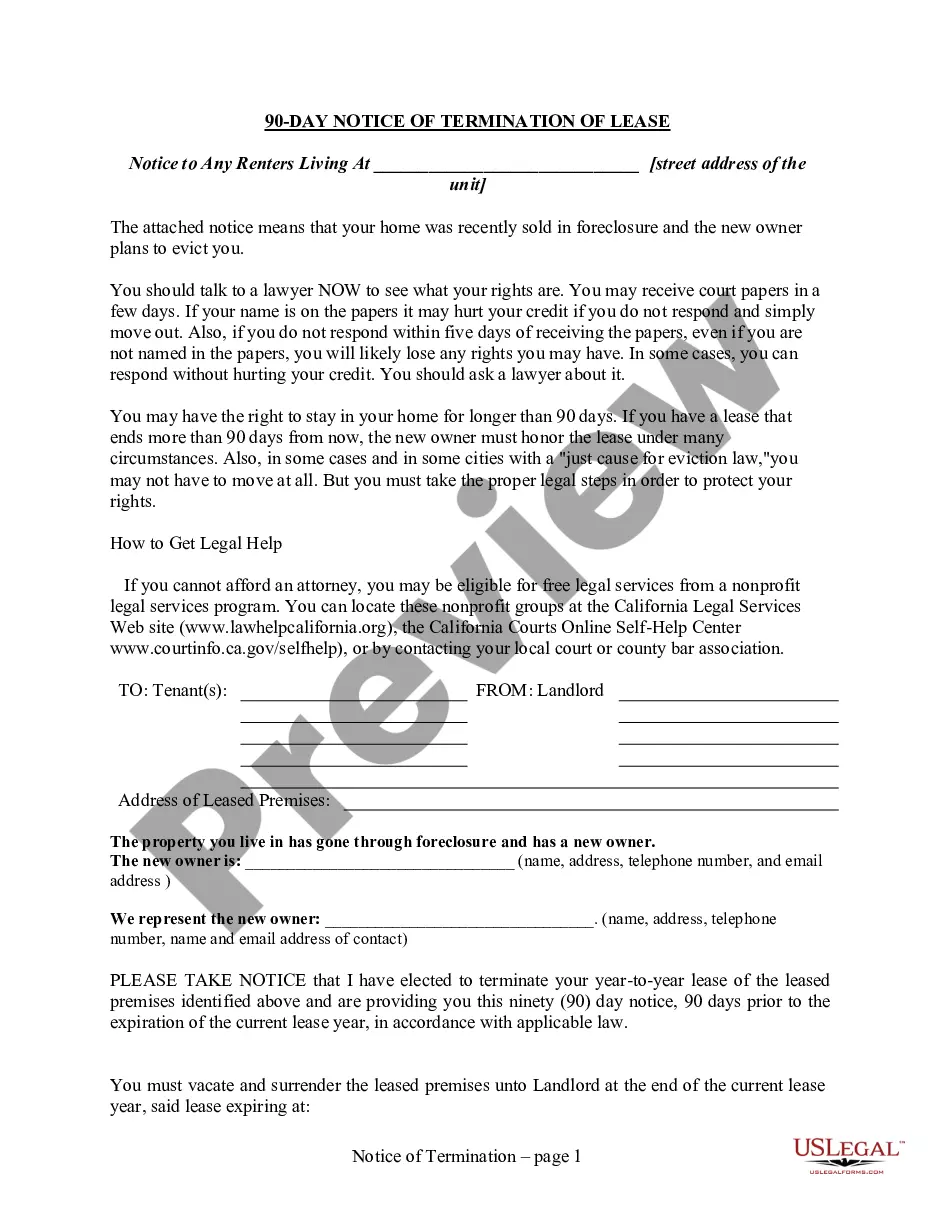
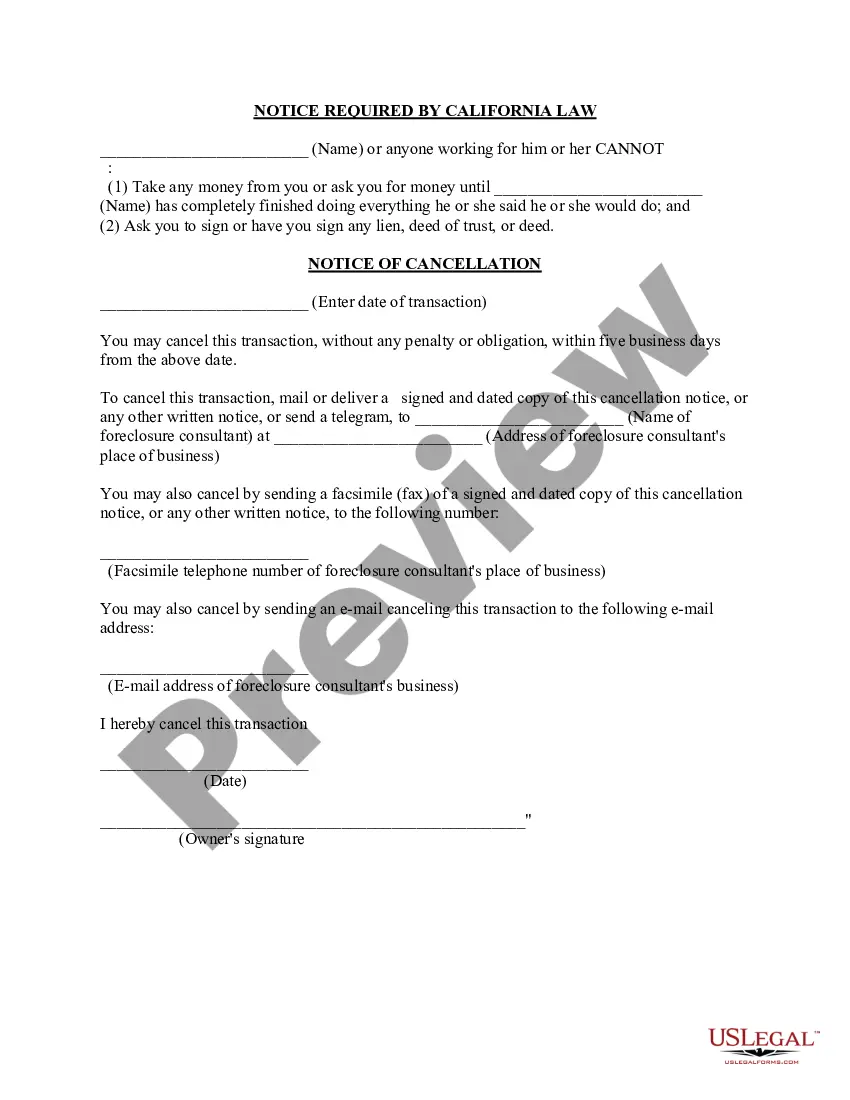
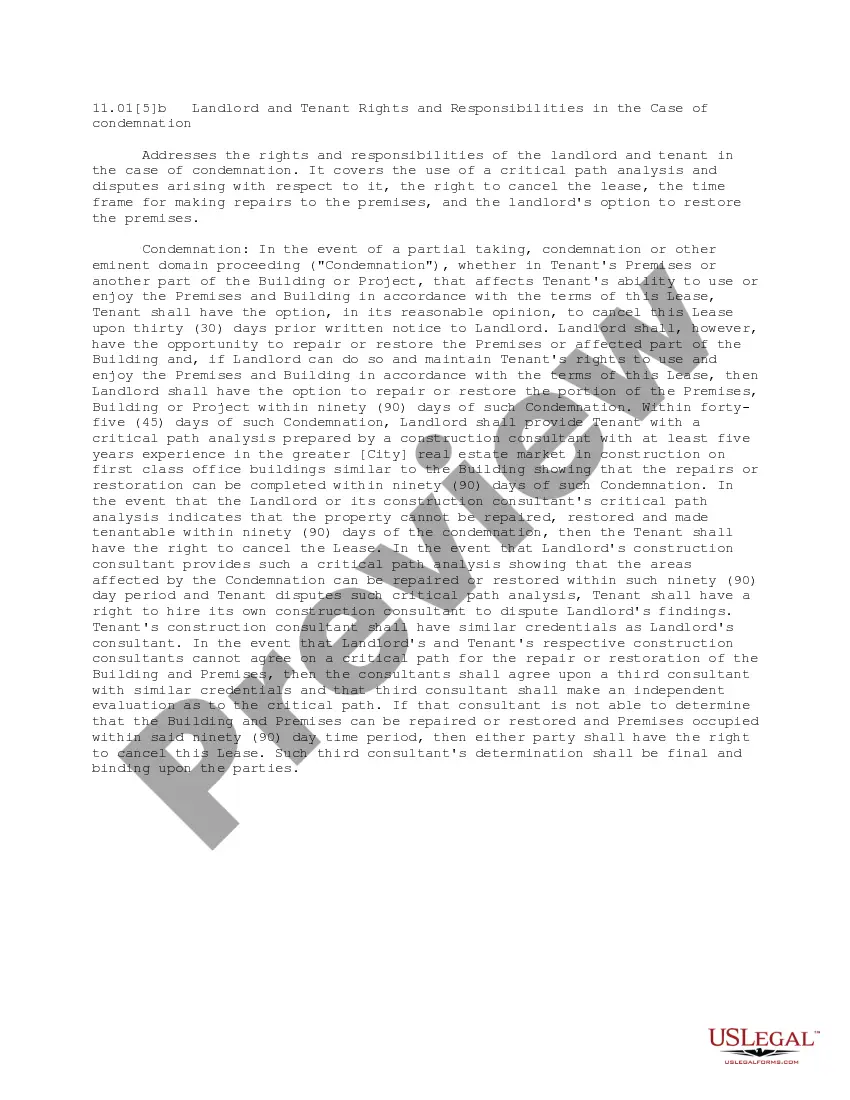
Get your form ready online
Our built-in tools help you complete, sign, share, and store your documents in one place.
Make edits, fill in missing information, and update formatting in US Legal Forms—just like you would in MS Word.
Download a copy, print it, send it by email, or mail it via USPS—whatever works best for your next step.
Sign and collect signatures with our SignNow integration. Send to multiple recipients, set reminders, and more. Go Premium to unlock E-Sign.
If this form requires notarization, complete it online through a secure video call—no need to meet a notary in person or wait for an appointment.
We protect your documents and personal data by following strict security and privacy standards.

Make edits, fill in missing information, and update formatting in US Legal Forms—just like you would in MS Word.

Download a copy, print it, send it by email, or mail it via USPS—whatever works best for your next step.

Sign and collect signatures with our SignNow integration. Send to multiple recipients, set reminders, and more. Go Premium to unlock E-Sign.

If this form requires notarization, complete it online through a secure video call—no need to meet a notary in person or wait for an appointment.

We protect your documents and personal data by following strict security and privacy standards.
Looking for another form?






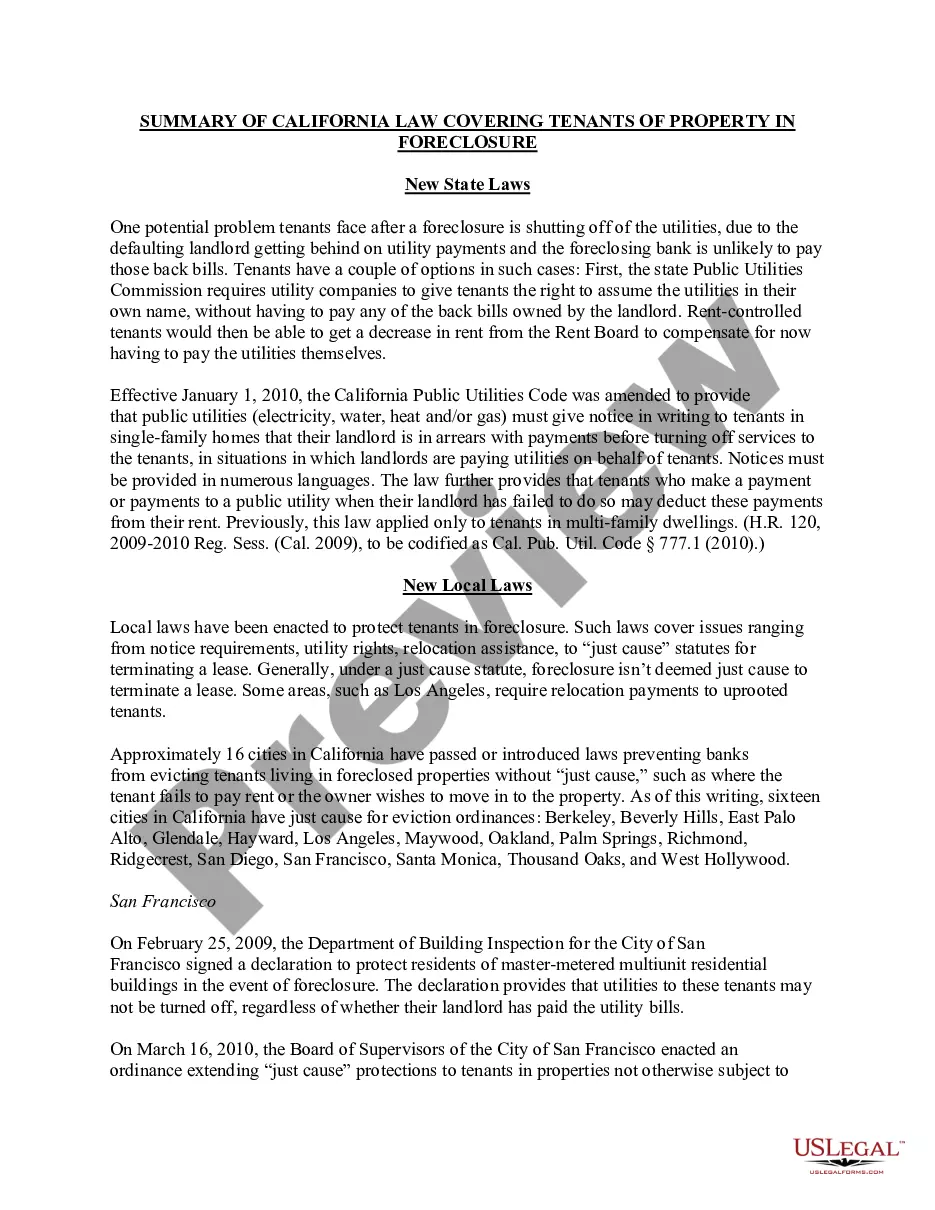
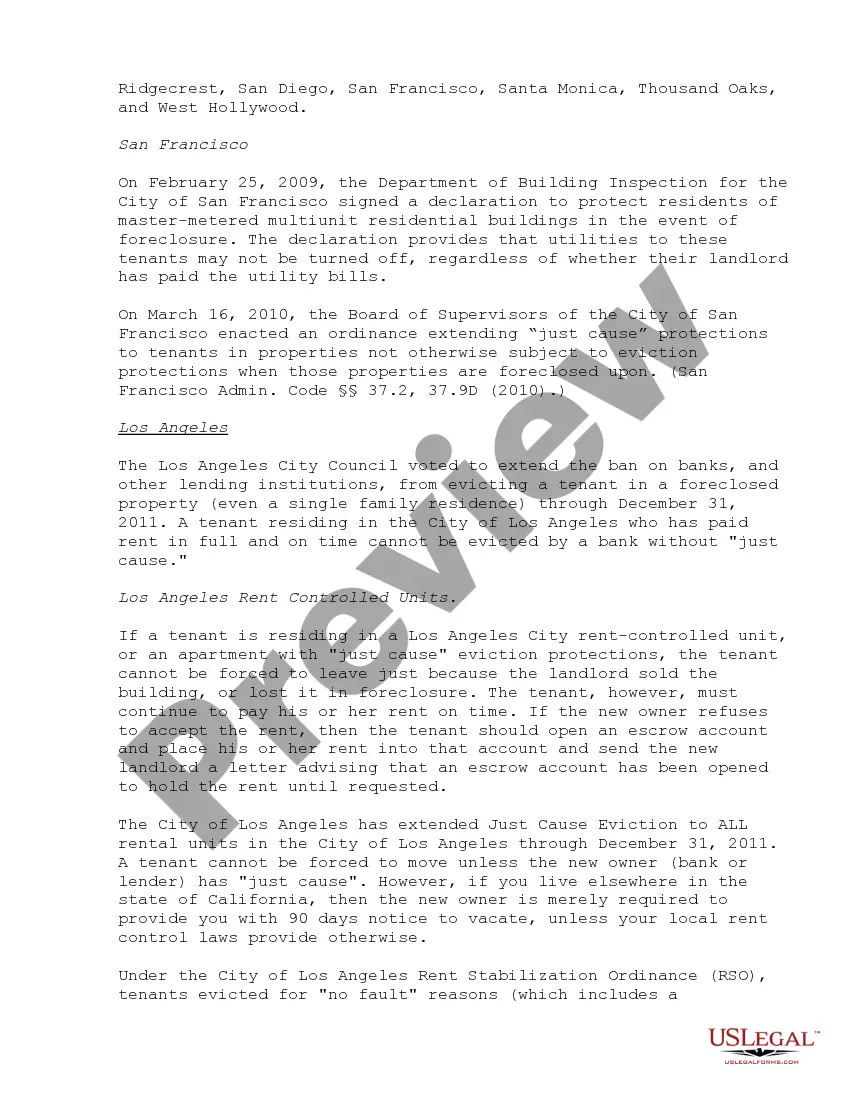
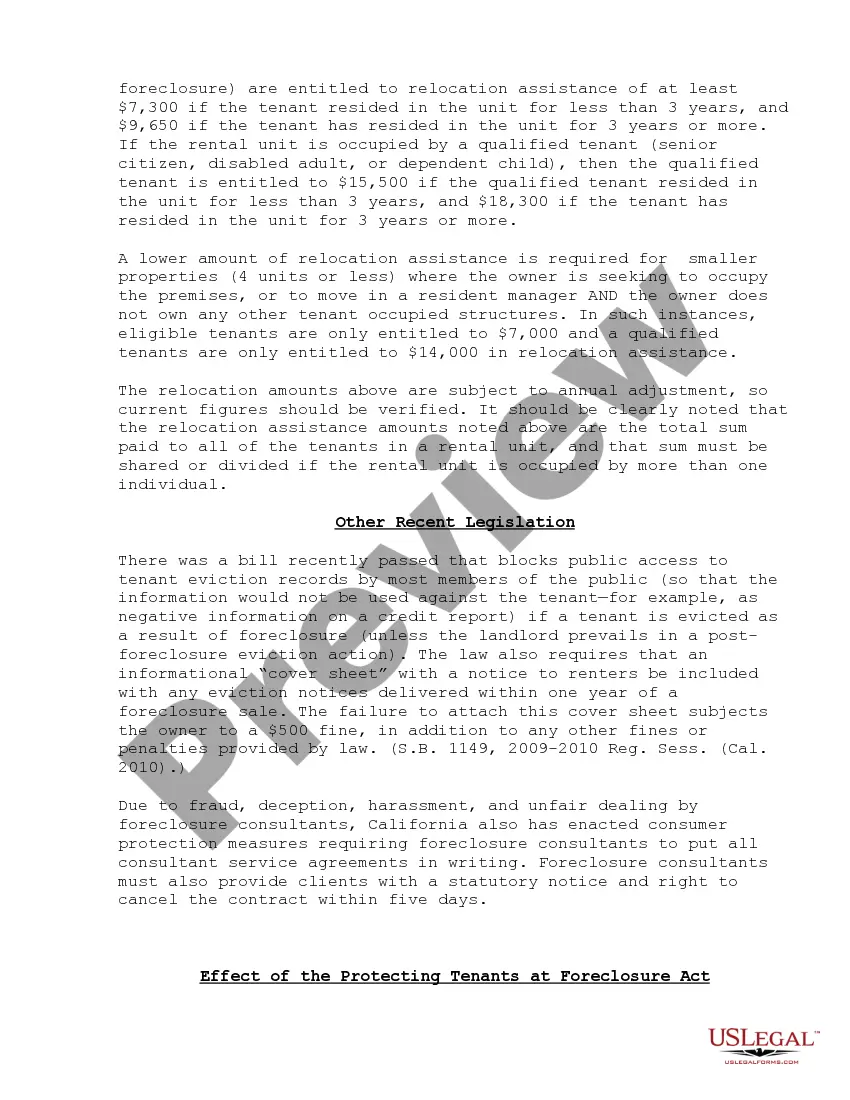
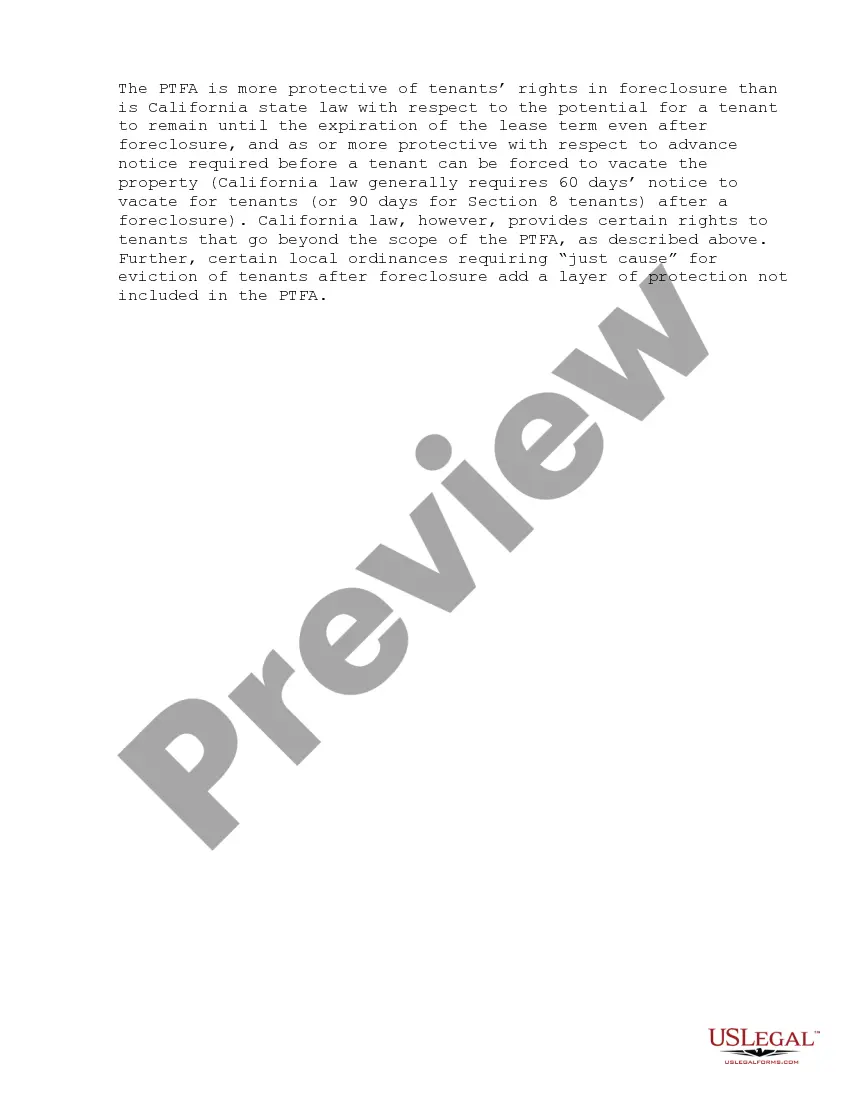
How to fill out Summary Of California Law Covering Tenants Of Property In Foreclosure?
Locating a preferred source for accessing the latest and most pertinent legal templates is a significant part of navigating bureaucracy.
Identifying the suitable legal documents requires accuracy and meticulousness, which is why it's crucial to obtain samples of California Family Laws solely from reliable providers, such as US Legal Forms.
Once you have the document on your device, you can edit it using the editor or print it out to complete it manually. Remove the complexity associated with your legal documents. Explore the extensive US Legal Forms catalog where you can find legal templates, assess their relevance to your situation, and download them instantly.
- Utilize the library directory or search tool to locate your template.
- Review the description of the document to verify if it meets the standards of your state and locality.
- Check the form preview, if accessible, to ensure the document is what you need.
- Return to the search to look for the correct document if the California Family Laws do not meet your requirements.
- Once you are confident about the document's relevance, proceed to download it.
- If you are a registered user, click Log in to verify and access your chosen forms in My documents.
- If you do not have an account yet, click Buy now to purchase the form.
- Select the pricing option that suits your needs.
- Proceed with the registration to complete your transaction.
- Finalize your purchase by choosing a payment option (credit card or PayPal).
- Select the file format for downloading California Family Laws.
Form popularity
FAQ
At 12 years old, your child can have a say in who they would prefer to live with going forward. This measure is sometimes called ?teenage discretion.? The idea is that a child can make logical decisions about how much time they want to spend with each parent.
How to Write a Declaration for Family Court in California Give background information or tell their side of the story; Explain any requests and reasons for proposing those requests; Provide additional needed information or explain specific problems; and. Respond to the opposing party's requests or declarations.
When there are no court orders in effect, both parents have equal rights to their child(ren). It is unlawful however for one parent to conceal the child(ren) from the other parent, or for a parent not to provide some form of contact/visitation to the other parent.
The California Courts clearly state that no preference is given to either parent for a custody award simply due to gender. This is true of both legal and physical custody. Parents who are given legal custody have the power to make decisions on behalf of their children.
Unmarried Mothers' Full Custody Rights in California Unmarried mothers' rights in California are numerous and include the following ing to child custody laws in California: Right to determine where a child will live. Right to choose a pediatrician. Right to have the child see a doctor or go to the hospital.