California Response Motion Withdraw
Description
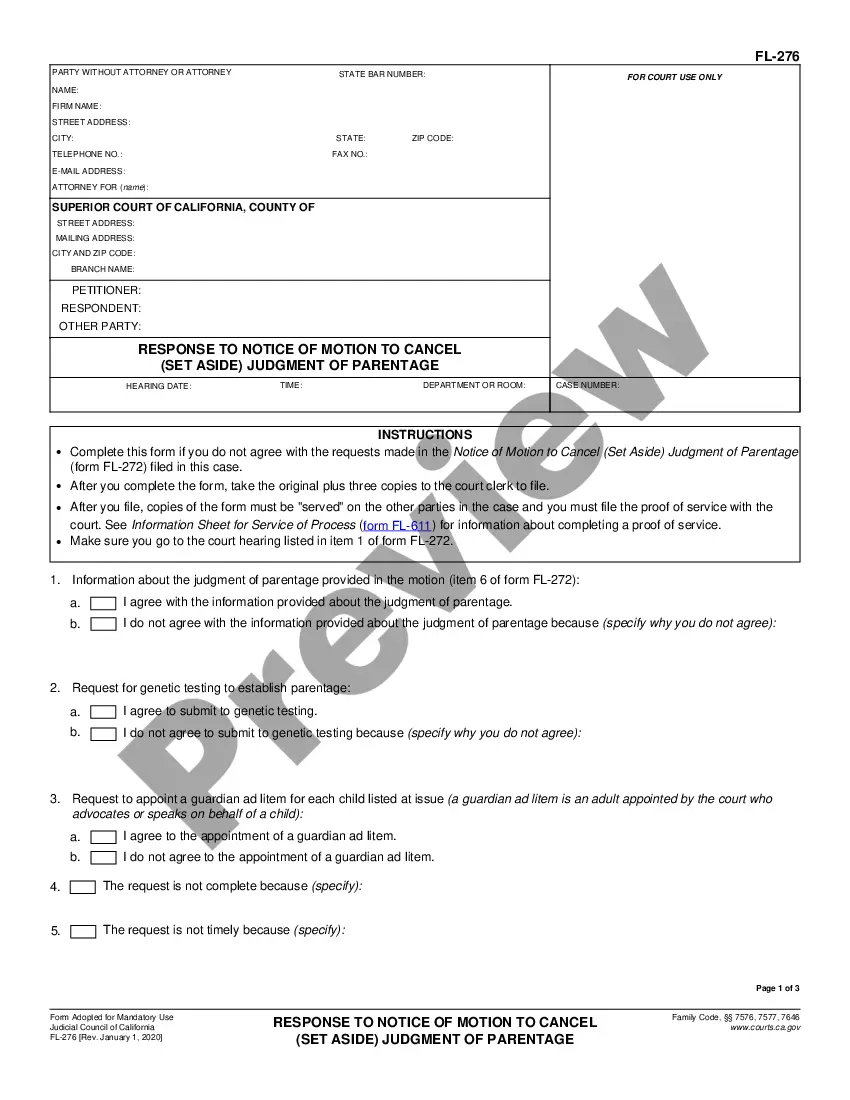
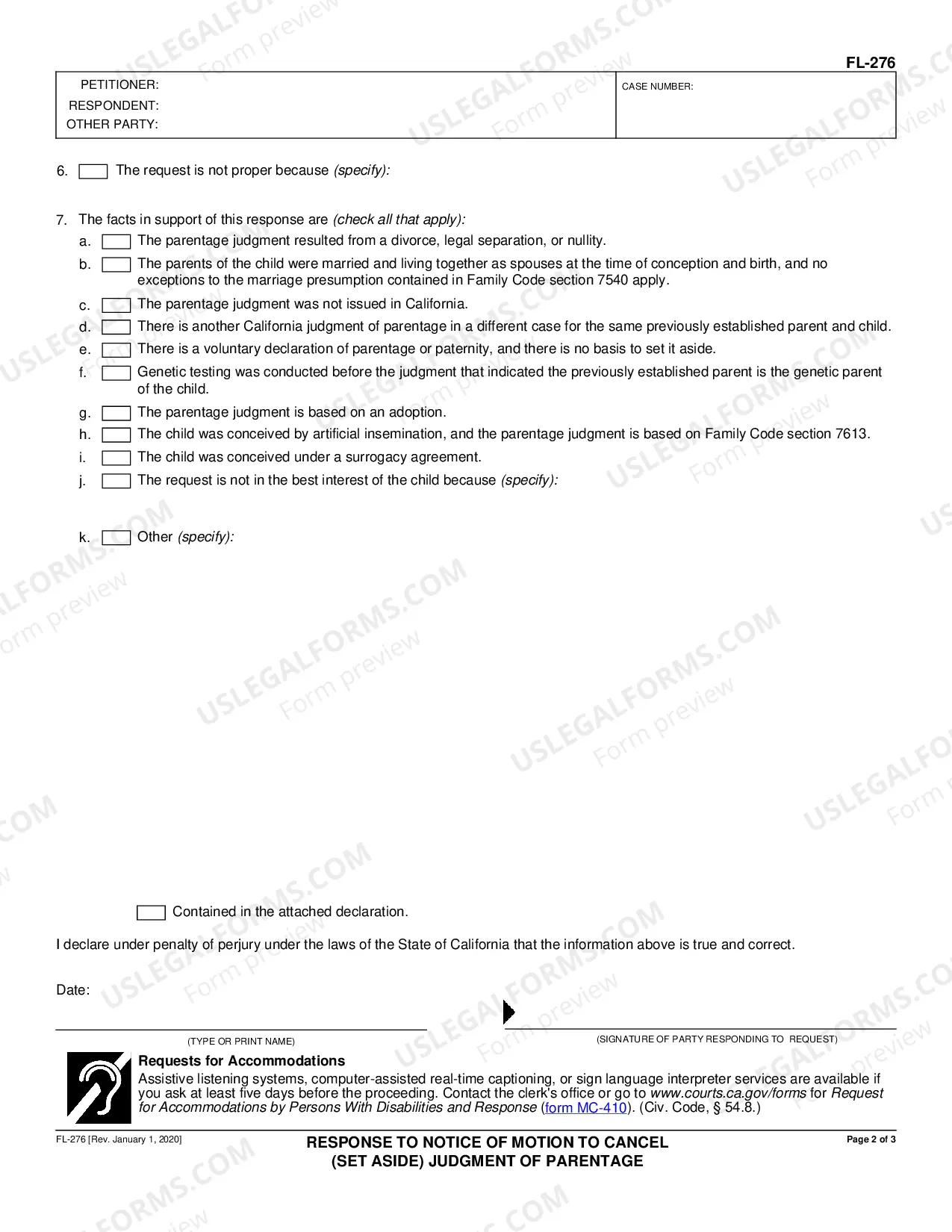
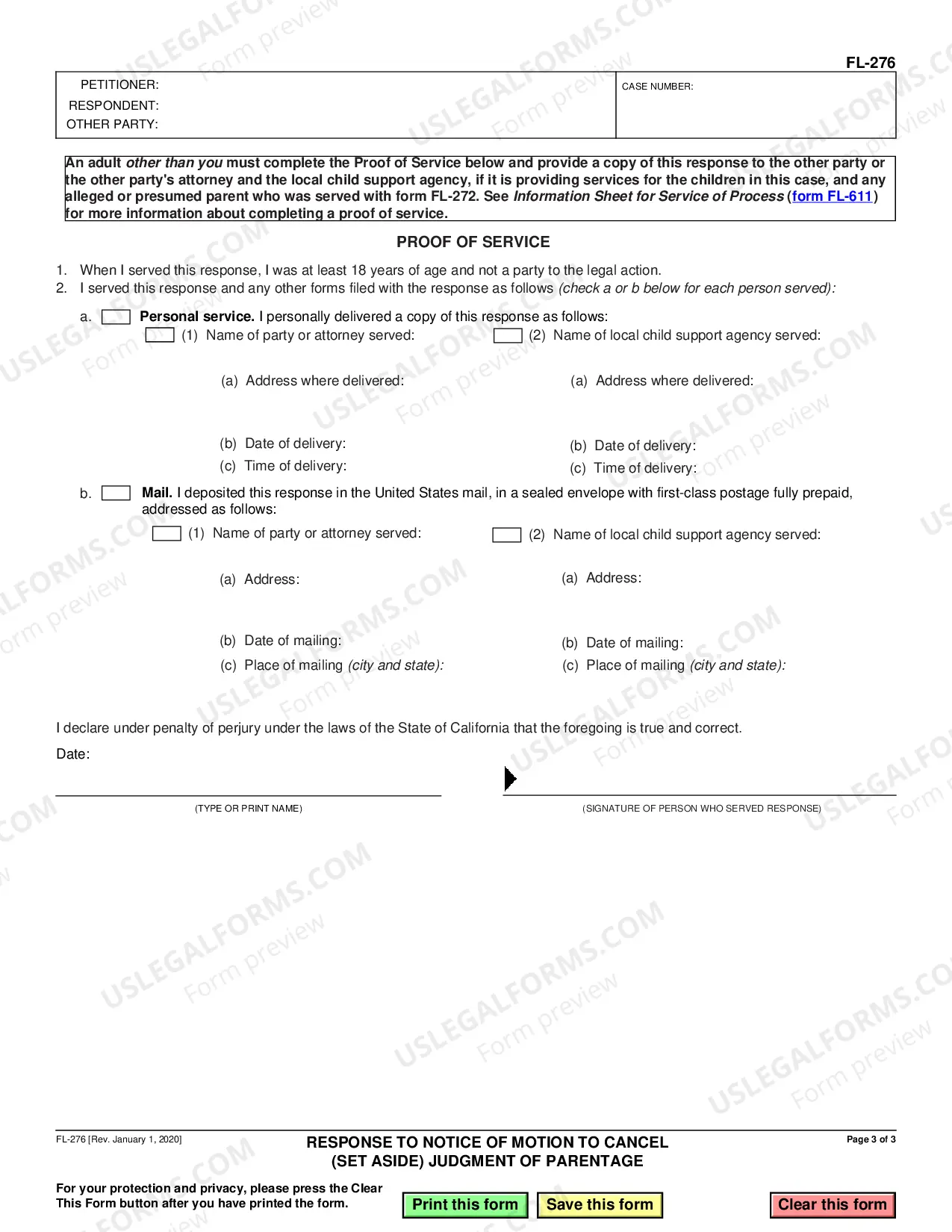
Get your form ready online
Our built-in tools help you complete, sign, share, and store your documents in one place.
Make edits, fill in missing information, and update formatting in US Legal Forms—just like you would in MS Word.
Download a copy, print it, send it by email, or mail it via USPS—whatever works best for your next step.
Sign and collect signatures with our SignNow integration. Send to multiple recipients, set reminders, and more. Go Premium to unlock E-Sign.
If this form requires notarization, complete it online through a secure video call—no need to meet a notary in person or wait for an appointment.
We protect your documents and personal data by following strict security and privacy standards.

Make edits, fill in missing information, and update formatting in US Legal Forms—just like you would in MS Word.

Download a copy, print it, send it by email, or mail it via USPS—whatever works best for your next step.

Sign and collect signatures with our SignNow integration. Send to multiple recipients, set reminders, and more. Go Premium to unlock E-Sign.

If this form requires notarization, complete it online through a secure video call—no need to meet a notary in person or wait for an appointment.

We protect your documents and personal data by following strict security and privacy standards.
Looking for another form?






Form popularity
FAQ
An attorney may withdraw from a case in California under specific circumstances, such as client consent or a significant breakdown in the attorney-client relationship. Additionally, if continuing representation would violate ethical obligations, withdrawal is permissible. Keep in mind the importance of understanding the California response motion withdraw so that all actions remain within legal parameters.
An attorney can withdraw from a case in California by filing a formal motion with the court. This motion typically includes reasons for the withdrawal, and it must be served to all parties involved. For those navigating a California response motion withdraw, utilizing resources from USLegalForms can streamline this process and ensure all legal requirements are met.
Rule 3 700 in California provides regulations for motions, including those related to withdrawing from cases. It outlines the procedural steps attorneys must follow when filing a withdrawal motion. Understanding California response motion withdraw under this rule is crucial for ensuring compliant and effective representation in legal matters.
Withdrawing from a case refers to the process where a party or their attorney steps back from involvement in legal proceedings. This can occur for various reasons, including changes in strategy or personal circumstances. In the context of a California response motion withdraw, it indicates a formal request to discontinue participation in a legal matter, ensuring proper notification to all parties involved.
To apply for a certificate of rehabilitation in California, you must generally submit a completed application form and a detailed account of your rehabilitation efforts. This application typically includes a formal request to the court, along with relevant supporting documents. As you navigate this process, consider consulting resources like USLegalForms to simplify the preparation of necessary legal documents.
Rule 17b specifically addresses motions to withdraw and does not directly concern restoring gun rights. However, if you seek to reclaim your rights, filing a new motion or petition addressing your criminal history may be necessary. Consequently, knowing how a California response motion withdraw factors into larger legal processes is essential to achieving your goals.
California's Rule 17b provides guidelines allowing a party to request withdrawal from legal representation under certain circumstances. This rule focuses on the need for proper notice and a hearing before the court can grant the withdrawal. Understanding this rule is important when navigating a California response motion withdraw, as it ensures compliance with legal standards.
Filing a motion to be relieved as counsel in California requires you to demonstrate good cause for your withdrawal. Begin by preparing a written motion that explains your reasons and any relevant details. It is crucial to serve the motion on your client and other parties, adhering to local rules to ensure a smooth transition and minimize disruption.
Withdrawing a motion can have significant implications, such as ending the specific legal action without a ruling. This can save time and resources for both parties involved. However, depending on your situation, it may also affect your case’s status, so understanding how to properly execute a California response motion withdraw is beneficial.
Filing a motion to dismiss in California involves drafting a document outlining the reasons for dismissal, citing applicable laws and facts. Ensure that you adhere to the local court rules regarding formatting and deadlines. Then, file the motion with the court while serving copies to other parties, emphasizing the importance of submitting a California response motion withdraw when necessary.
