Tenancy Common Agreement Without Deposit
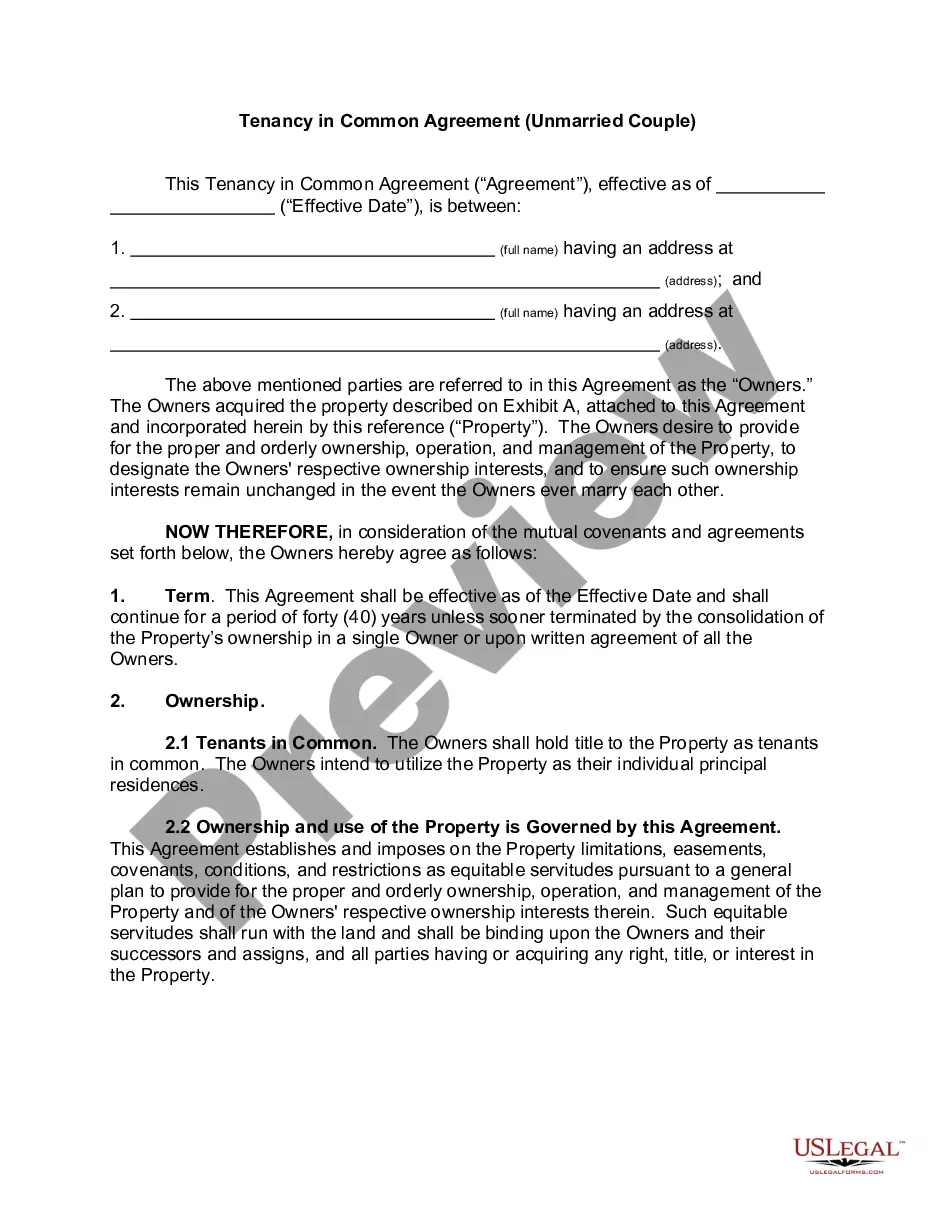
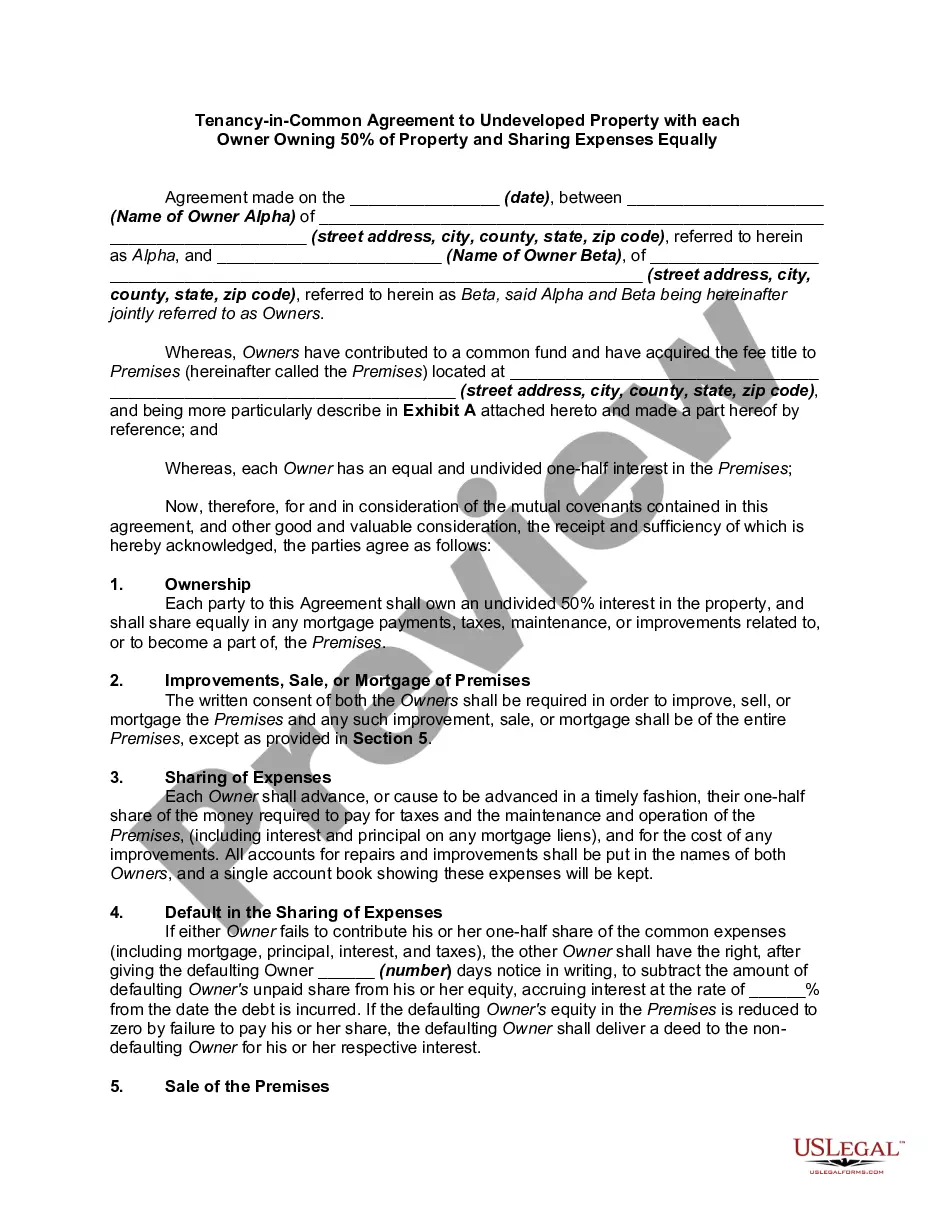
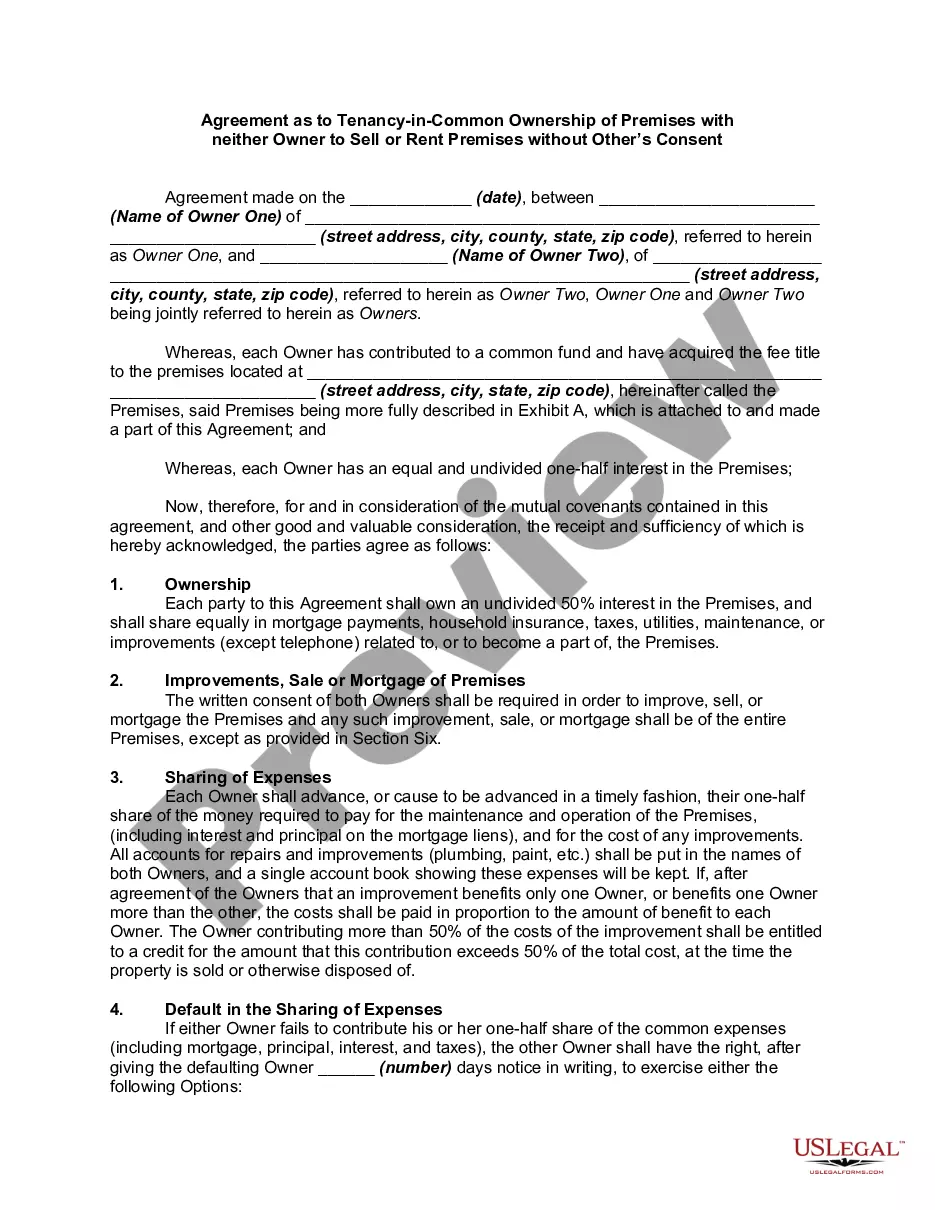
Description
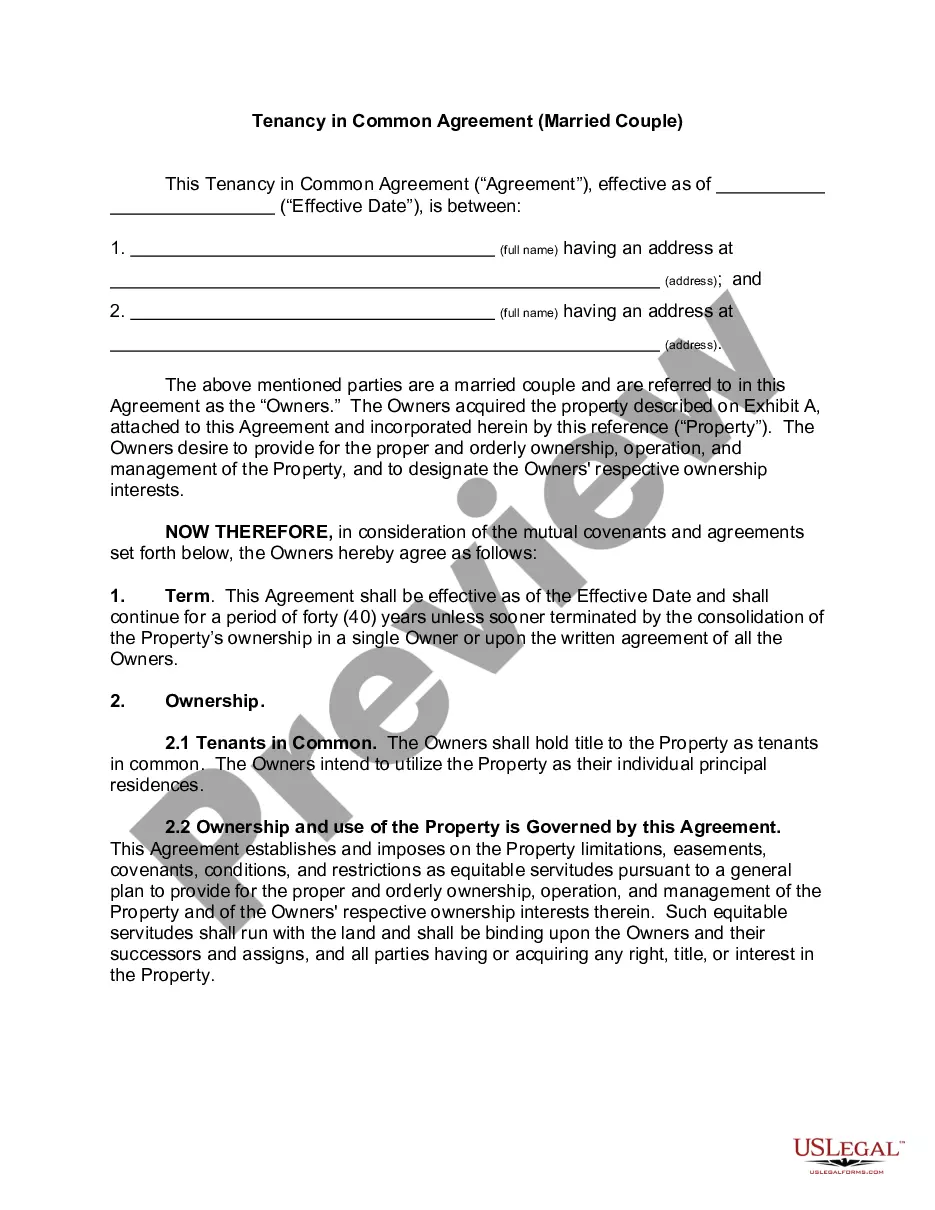
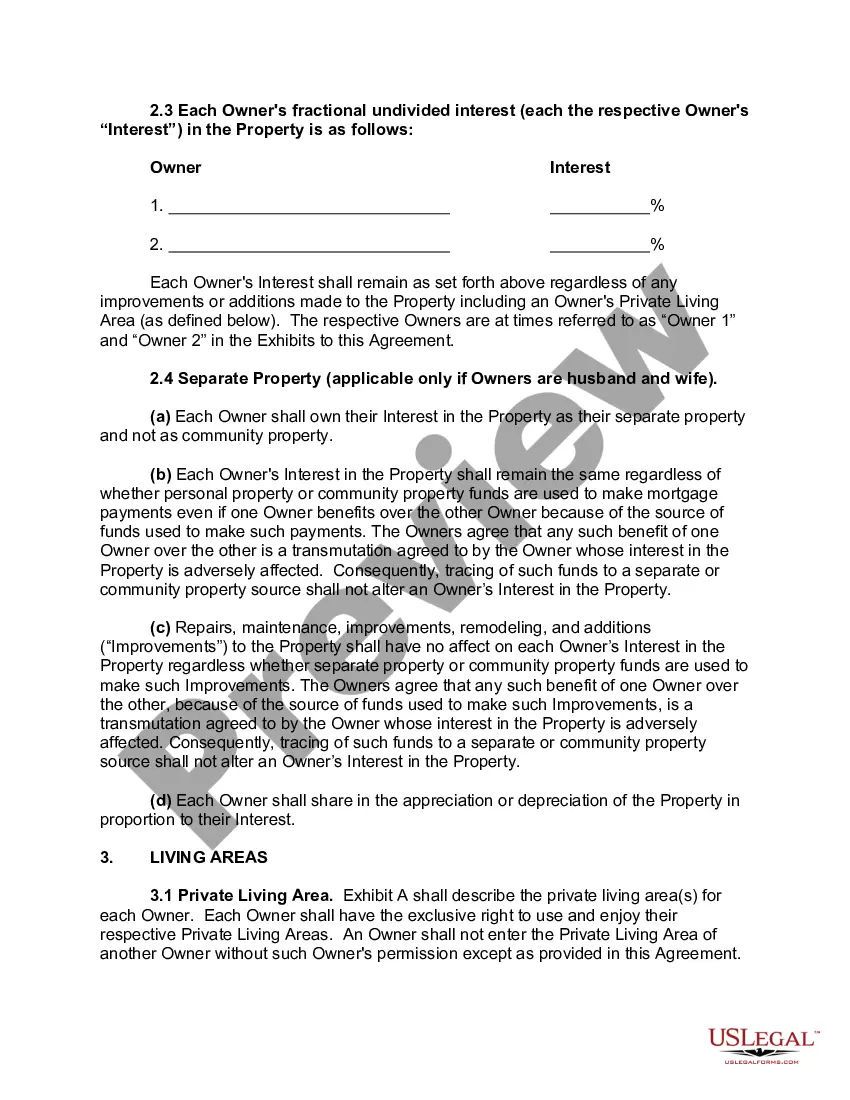
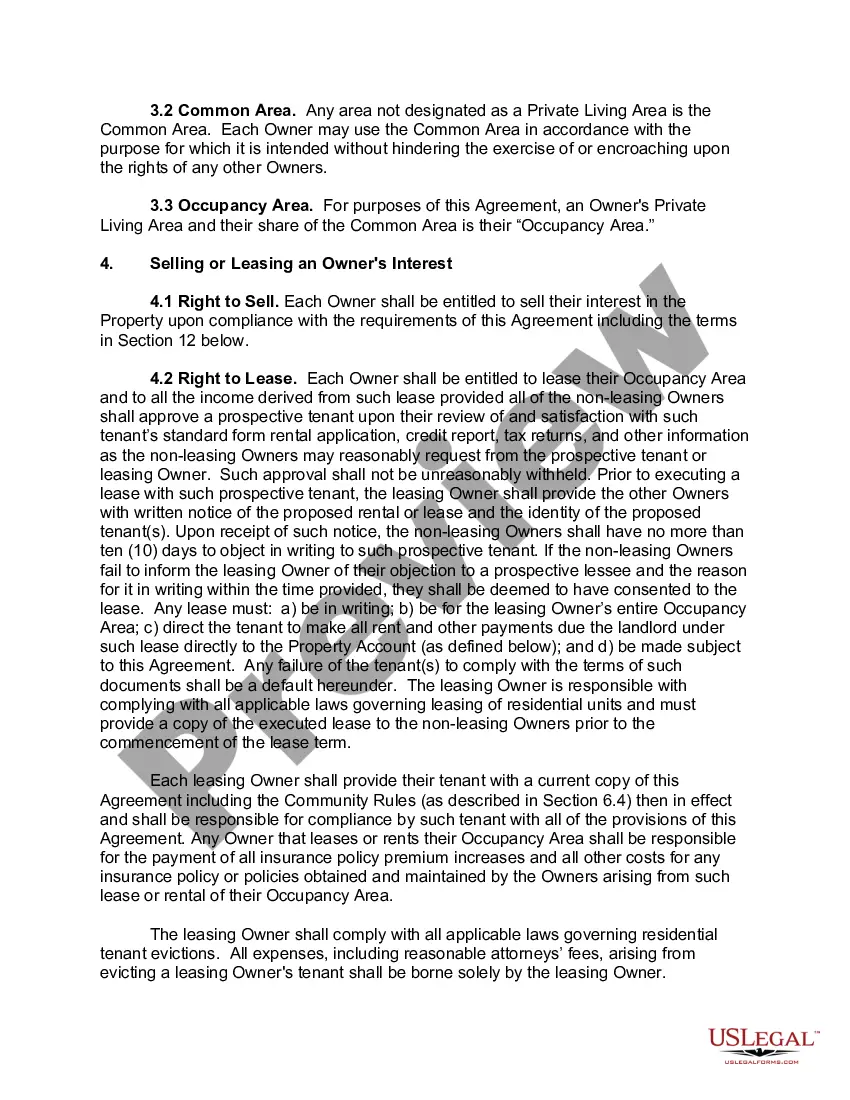
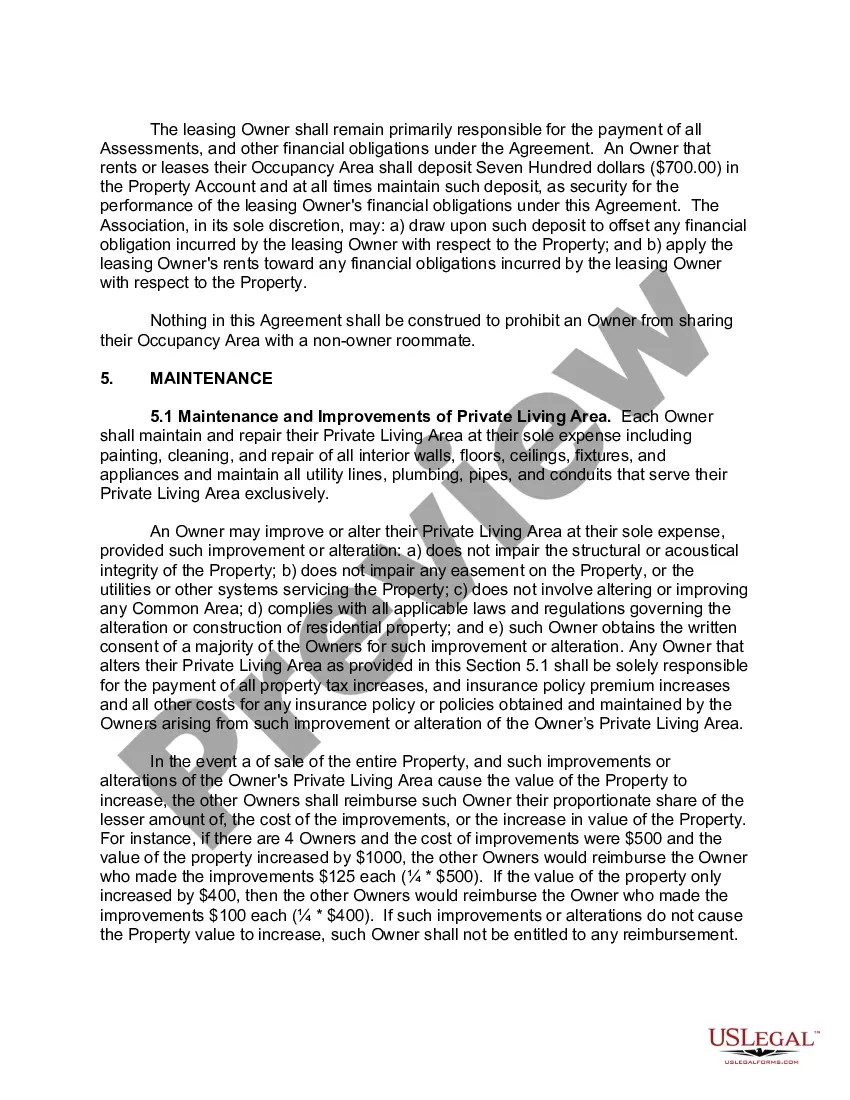
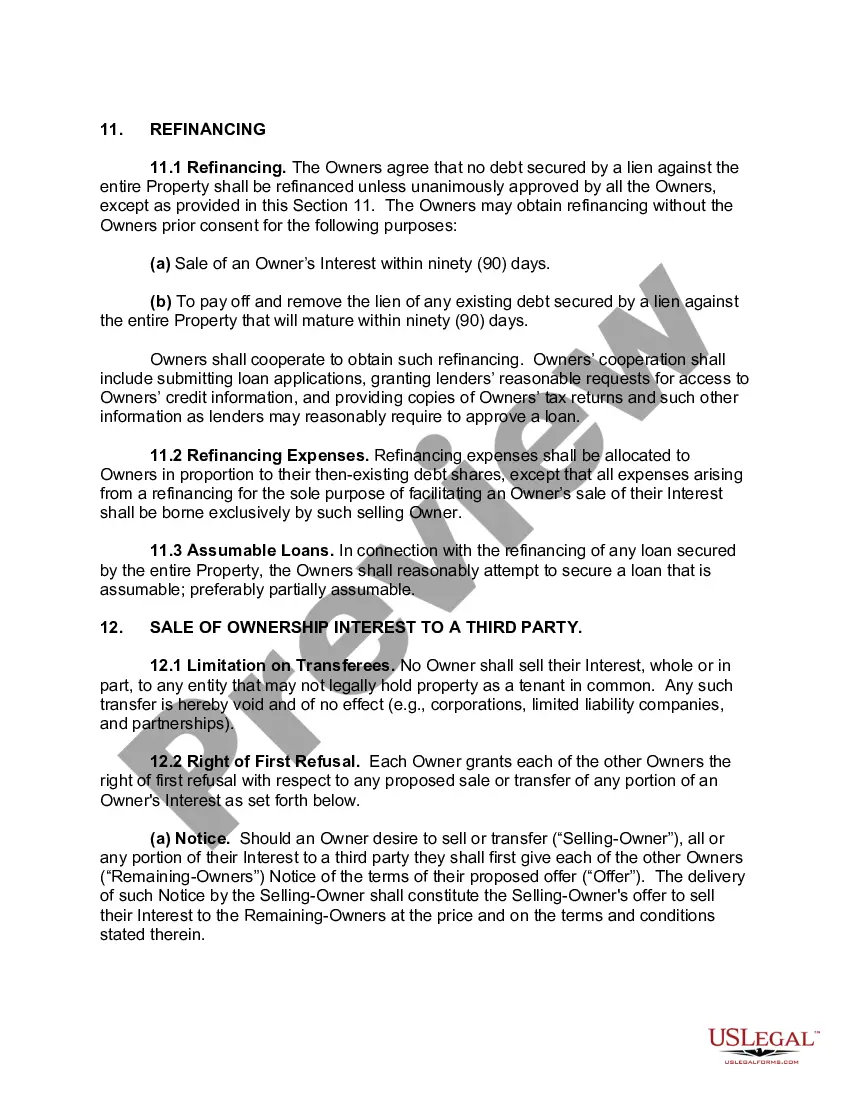
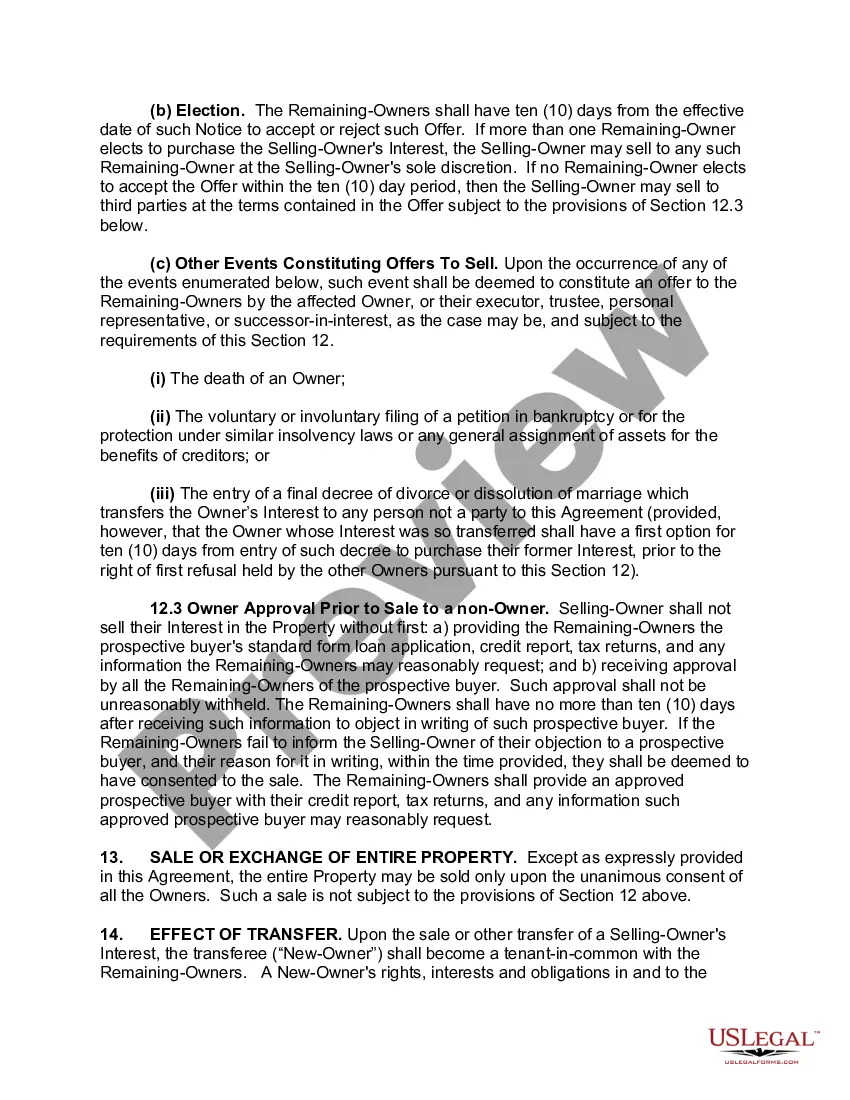

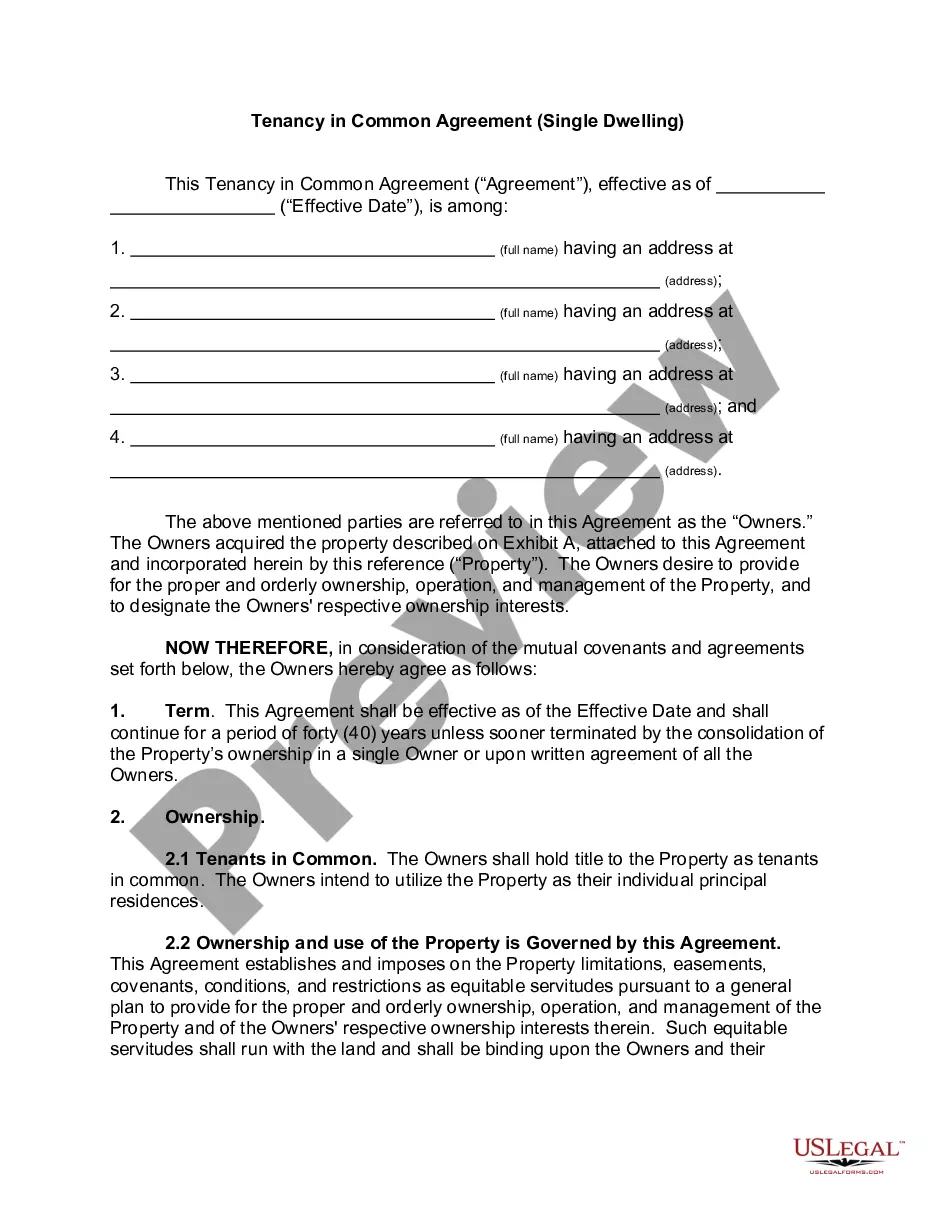
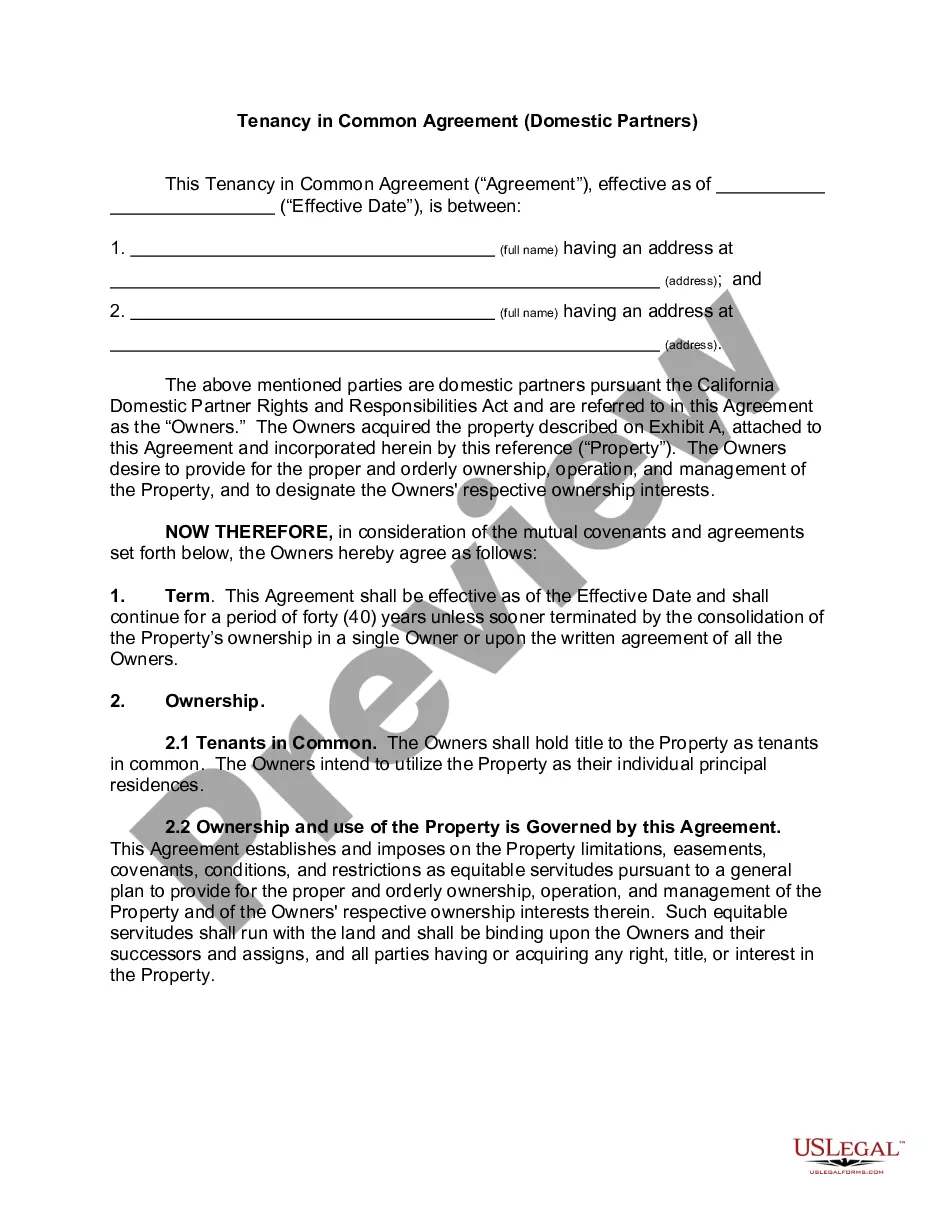
Get your form ready online
Our built-in tools help you complete, sign, share, and store your documents in one place.
Make edits, fill in missing information, and update formatting in US Legal Forms—just like you would in MS Word.
Download a copy, print it, send it by email, or mail it via USPS—whatever works best for your next step.
Sign and collect signatures with our SignNow integration. Send to multiple recipients, set reminders, and more. Go Premium to unlock E-Sign.
If this form requires notarization, complete it online through a secure video call—no need to meet a notary in person or wait for an appointment.
We protect your documents and personal data by following strict security and privacy standards.

Make edits, fill in missing information, and update formatting in US Legal Forms—just like you would in MS Word.

Download a copy, print it, send it by email, or mail it via USPS—whatever works best for your next step.

Sign and collect signatures with our SignNow integration. Send to multiple recipients, set reminders, and more. Go Premium to unlock E-Sign.

If this form requires notarization, complete it online through a secure video call—no need to meet a notary in person or wait for an appointment.

We protect your documents and personal data by following strict security and privacy standards.
Looking for another form?
How to fill out California Tenancy In Common Agreement - Single Dwelling - Married Couple?
Red tape necessitates exactness and correctness.
If you do not manage the completion of documents like Tenancy Common Agreement Without Deposit on a daily basis, it may lead to some misunderstanding.
Choosing the appropriate template from the start will guarantee that your document submission proceeds smoothly and avoid any hassles of re-submitting a file or repeating the same task from the beginning.
If you are not a subscribed user, finding the necessary template will take a few additional steps: Locate the template using the search field. Verify that the Tenancy Common Agreement Without Deposit you found is applicable for your state or locale. View the preview or examine the description that includes the specifics on how to use the template. If the result aligns with your search, click the Buy Now button. Choose the suitable option among the suggested pricing plans. Log In to your account or sign up for a new one. Finalize the purchase using a credit card or PayPal. Download the form in your preferred file format. Obtaining the correct and up-to-date templates for your paperwork is a matter of just a few minutes with an account at US Legal Forms. Dispose of bureaucratic uncertainties and simplify your form handling.
- You can always discover the suitable template for your paperwork in US Legal Forms.
- US Legal Forms is the largest online repository of forms that provides over 85 thousand samples across various industries.
- You can obtain the latest and most relevant version of the Tenancy Common Agreement Without Deposit simply by searching it on the site.
- Find, save, and download templates in your account or refer to the description to ensure you have the correct one available.
- With a US Legal Forms account, you can conveniently gather, store in one place, and review the templates you save to access them with just a few clicks.
- When on the website, click the Log In button to authenticate.
- Then, proceed to the My documents page, where your document list is maintained.
- Browse through the description of the forms and download those you require at any time.
Form popularity
FAQ
Where a property is owned as joint tenants, when one of the owners die the property automatically pass to the surviving owner, regardless of what the Will of the deceased owner says. This is known as a 'right of survivorship'. This is the most common way a property is owned by husband and wife or civil partners.
Can my landlord increase my rent now that the public health emergency has ended? No. Rent increases cannot occur until after December 31, 2021. Landlords must provide a minimum of a 30-day notice before a rent increase can occur, so higher rent cannot be charged until February 2022.
Don't pay balance of deposit and first month rent till the landlord has given you a signed tenancy agreement. Taking a deposit and first months rent before the contract has been signed deems it a holding deposit of more than 1 weeks rent and is not legal in the UK.
When two or more people own property as tenants in common (TIC), they all have equitable interests and privileges in all areas of that property. However, the co-tenants can have a different share of ownership interests. For example, Sarah and Debbie may each own 25% of a property, while Leticia owns 50%.
Holding deposits are limited to one week's rent. According to ARLA, this means that agents and landlords cannot ask a tenant to pay their tenancy deposit and/or first month's rent before the contract has been signed.