Right To Possession Vs Right Of Possession
Description

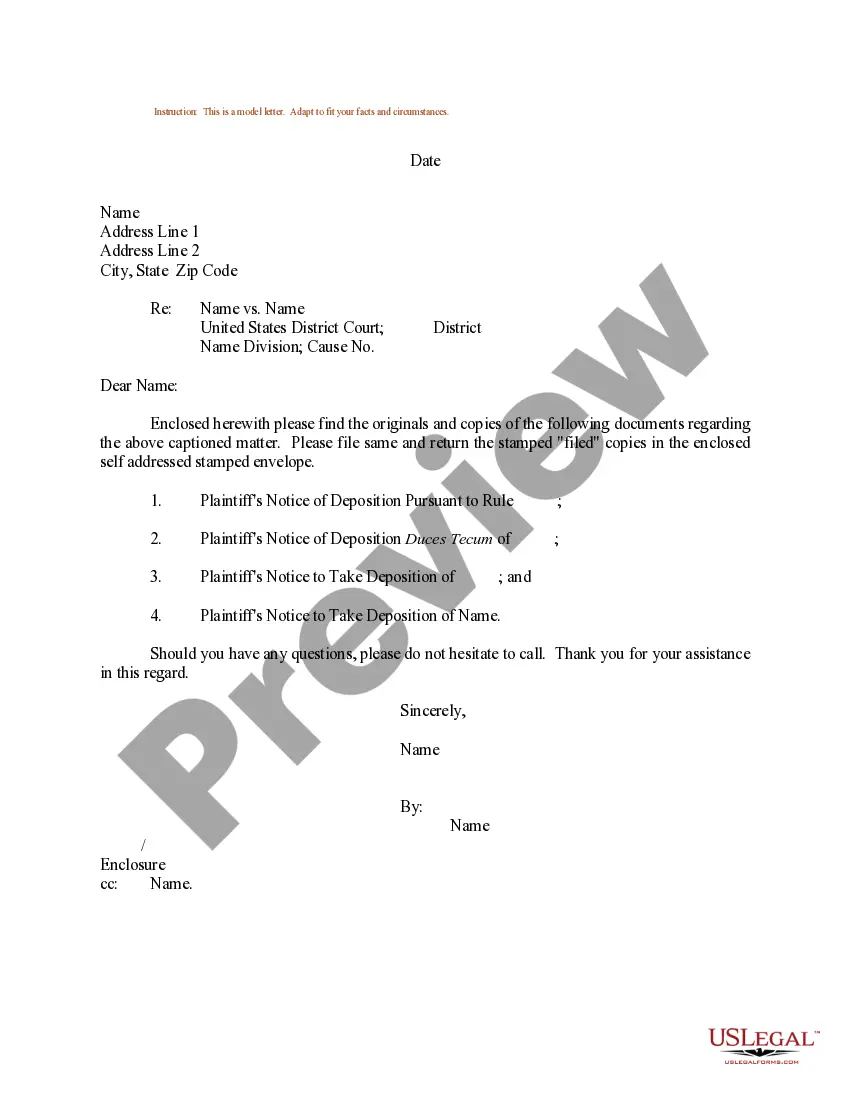
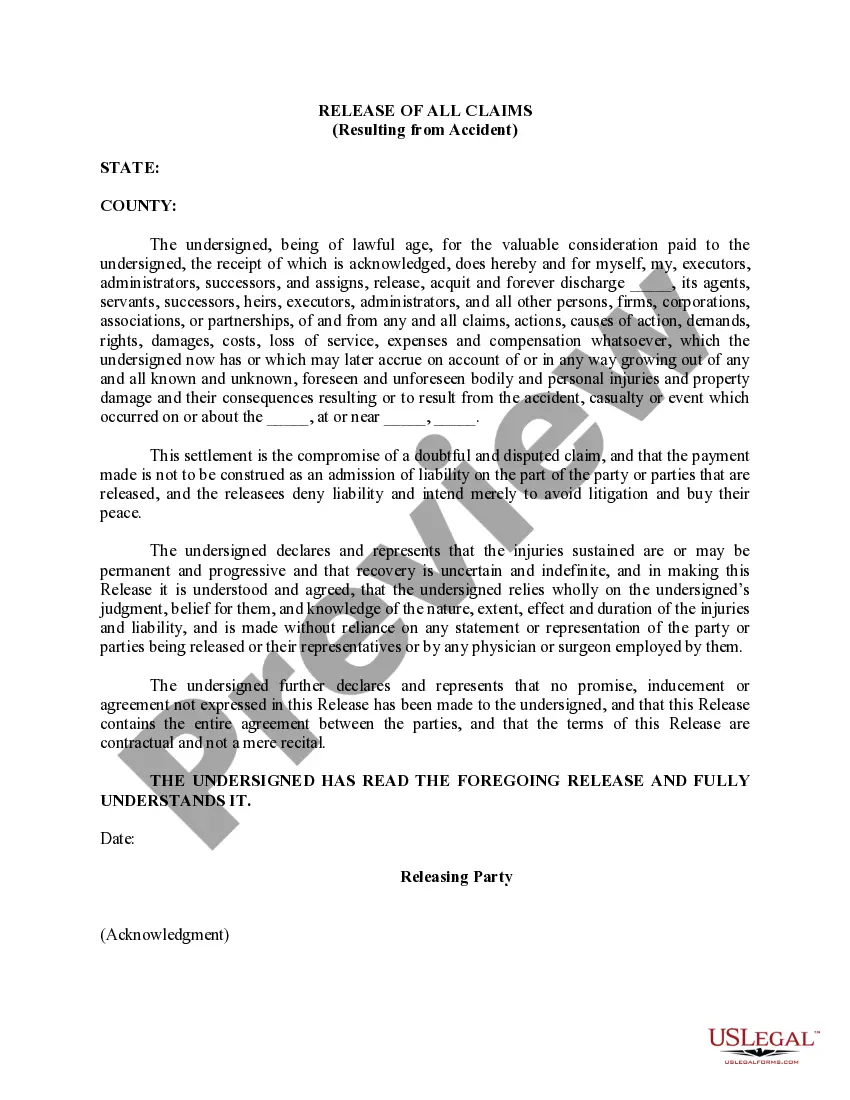
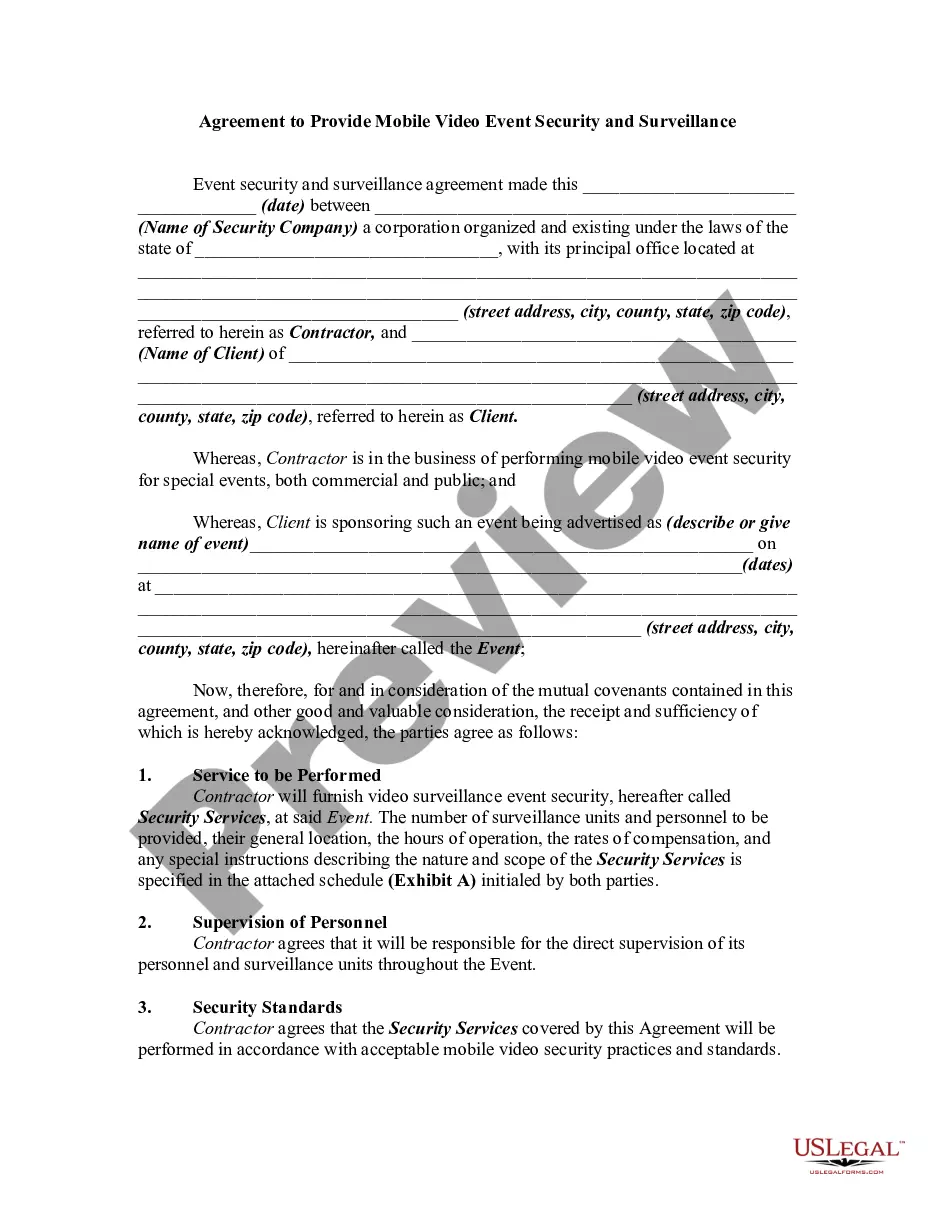
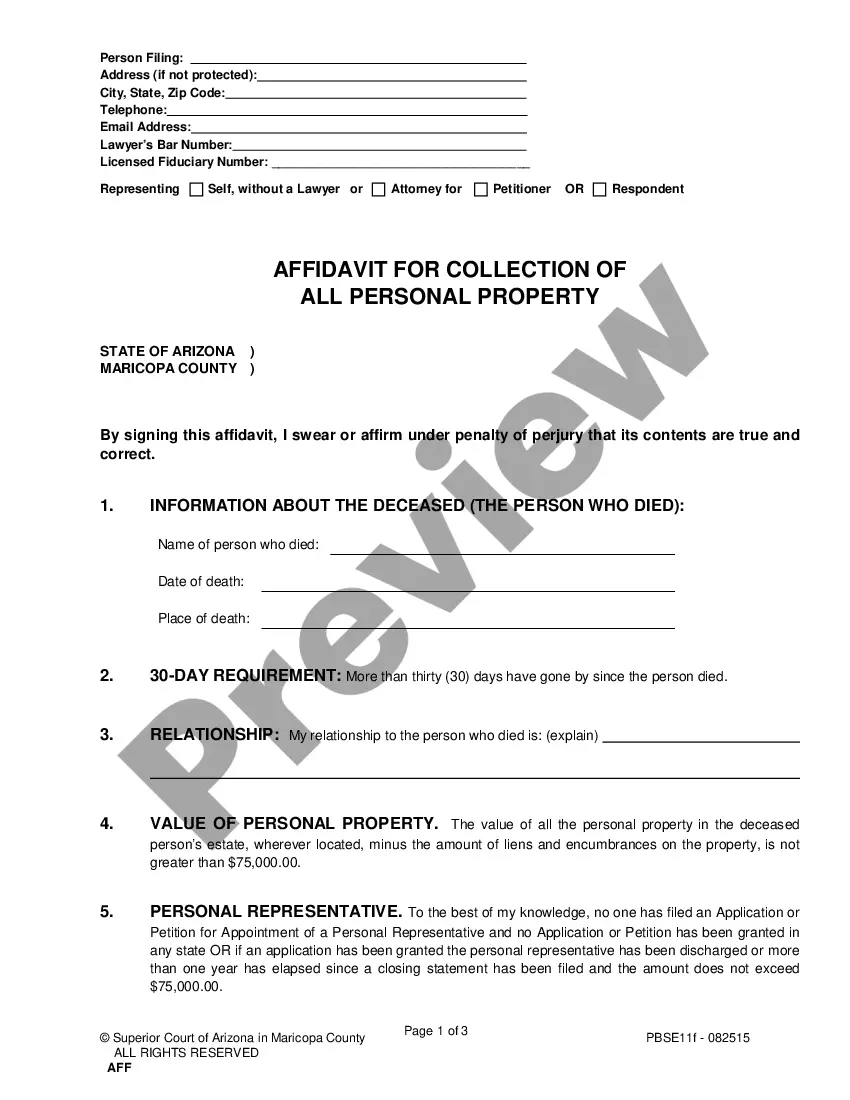
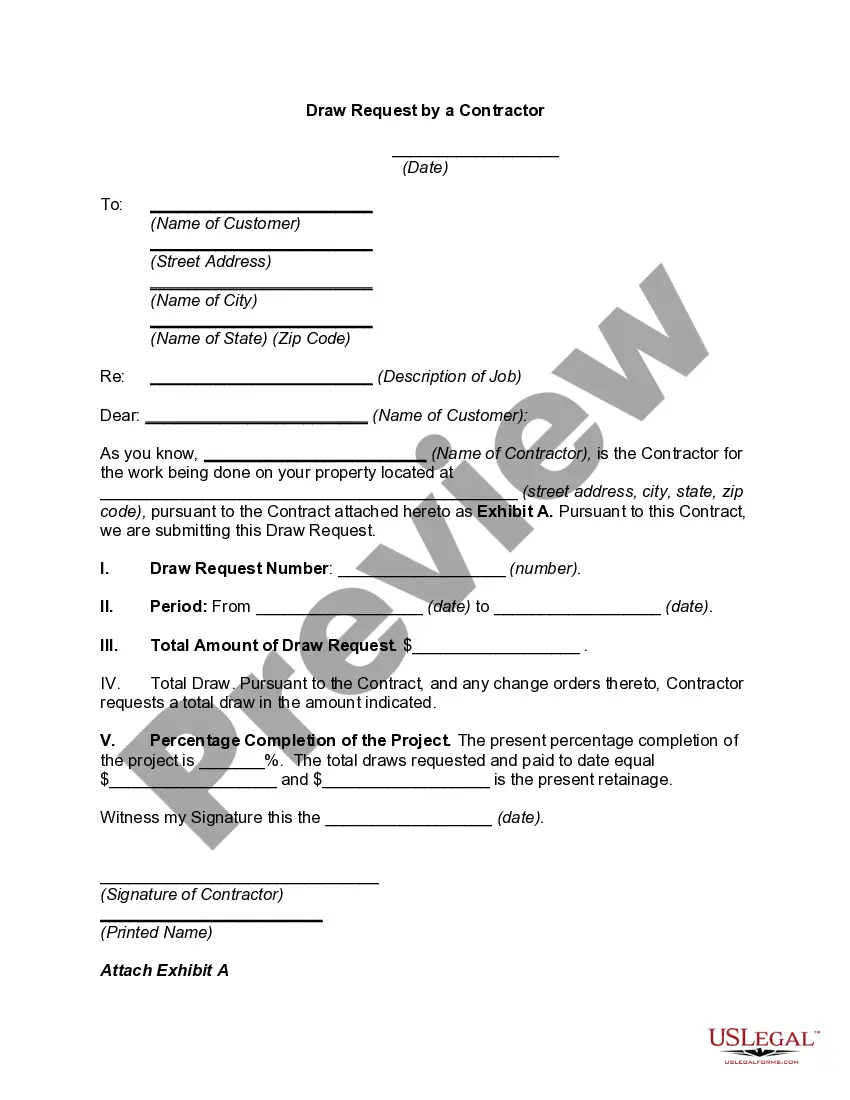
How to fill out California Claim Of Right To Possession - Unofficial Form For Use By Levying Officers In Unlawful Detainer Cases?
It’s well-known that you cannot instantly become a legal authority, nor can you swiftly learn how to prepare Right To Possession Vs Right Of Possession without having a specialized background.
Assembling legal documents is a lengthy task that demands specific education and expertise. So why not entrust the development of the Right To Possession Vs Right Of Possession to the professionals.
With US Legal Forms, one of the most comprehensive legal document repositories, you can locate anything from court filings to templates for office communications. We recognize how vital compliance with federal and state laws and regulations is.
Create a free account and select a subscription plan to purchase the template.
Click Buy now. After the purchase is finalized, you can access the Right To Possession Vs Right Of Possession, fill it out, print it, and send or mail it to the specified individuals or organizations.
- That’s why all templates on our site are location-specific and current.
- Here’s how you can begin with our platform and obtain the document you need in just minutes.
- Find the form you’re looking for using the search bar at the top of the page.
- Preview it (if this option is available) and review the accompanying description to determine if Right To Possession Vs Right Of Possession is what you seek.
- Start your search anew if you require a different form.
Form popularity
FAQ
A right to possession typically arises in situations where ownership is contested or unclear. For instance, if someone buys a car but has not yet received the title, they may have a right to possession of the vehicle until the title transfer is completed. This concept illustrates the difference in the right to possession vs right of possession, highlighting the legal claim a person can have over property, even if they do not currently possess it.
An example of the right of possession can be seen in rental agreements, where a tenant has the legal right to occupy and use a property. In this scenario, the tenant holds the right of possession as they have a lease that grants them access to the property. This right is distinct from the right to possession vs right of possession, as it emphasizes the tenant's authority to enjoy the property during the term of the lease.
When discussing the right to possession vs right of possession, it's important to recognize the three main types of possession: actual possession, constructive possession, and exclusive possession. Actual possession occurs when a person physically holds or occupies property. Constructive possession refers to situations where an individual has control over property, even if they are not physically present. Exclusive possession means that one person has the sole right to possess the property, excluding others.
Possession of a controlled substance, Health and Safety Code 11350 HS. Possession of child ography, Penal Code 311 PC. Receiving stolen property, Penal Code 496 PC. Possession of marijuana, Health and Safety Code 11357 HS. Possession of drug paraphernalia, Health and Safety Code 11364 HS.
For example, patent, copyright, and trademark ownership. While possession means legal or physical control or right over an asset. For example, have possession of an object like a mobile phone or a car.
An exclusion can also apply if the property is subject to a lien, which is when money is owed. The right of possession simply states that the title holder is the legal owner of the property. The right of control means the owner can use the property in any manner that is legal.
Examples. Several examples have been given of the right of possession: A business buys a vehicle and obtains financing. The entity purchasing the vehicle becomes the registered owner and has both possession and right of possession.
If you want to serve a Prejudgment Claim of Right of Possession you have to use a registered process server or the Sheriff.