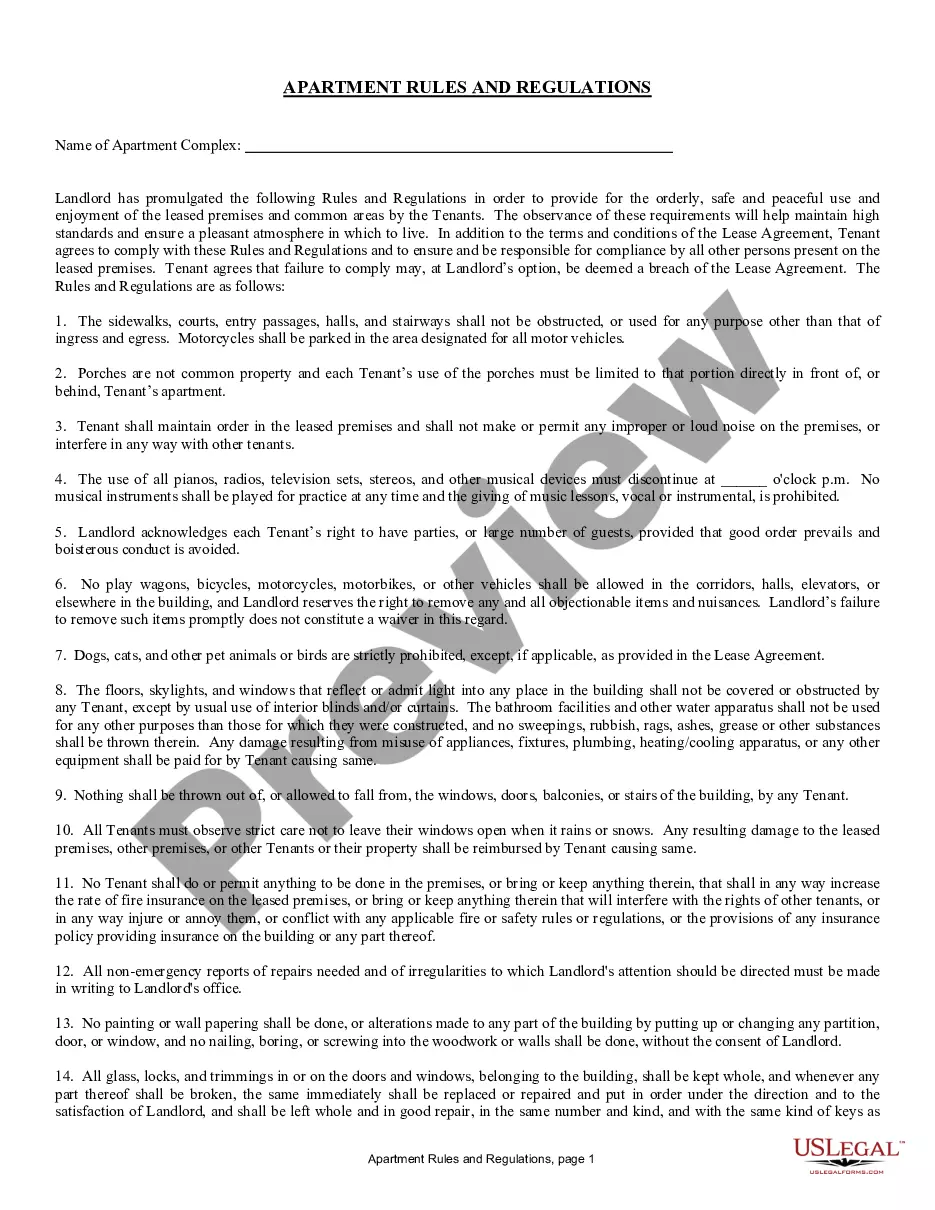
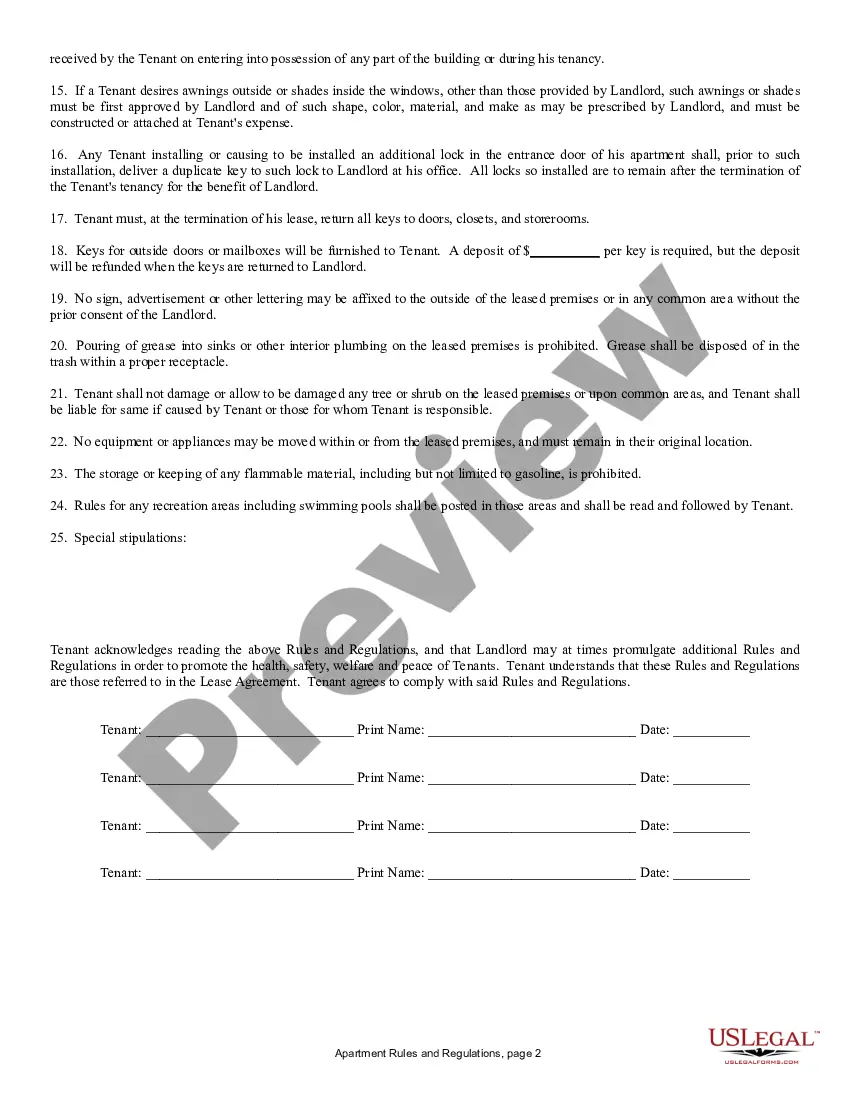
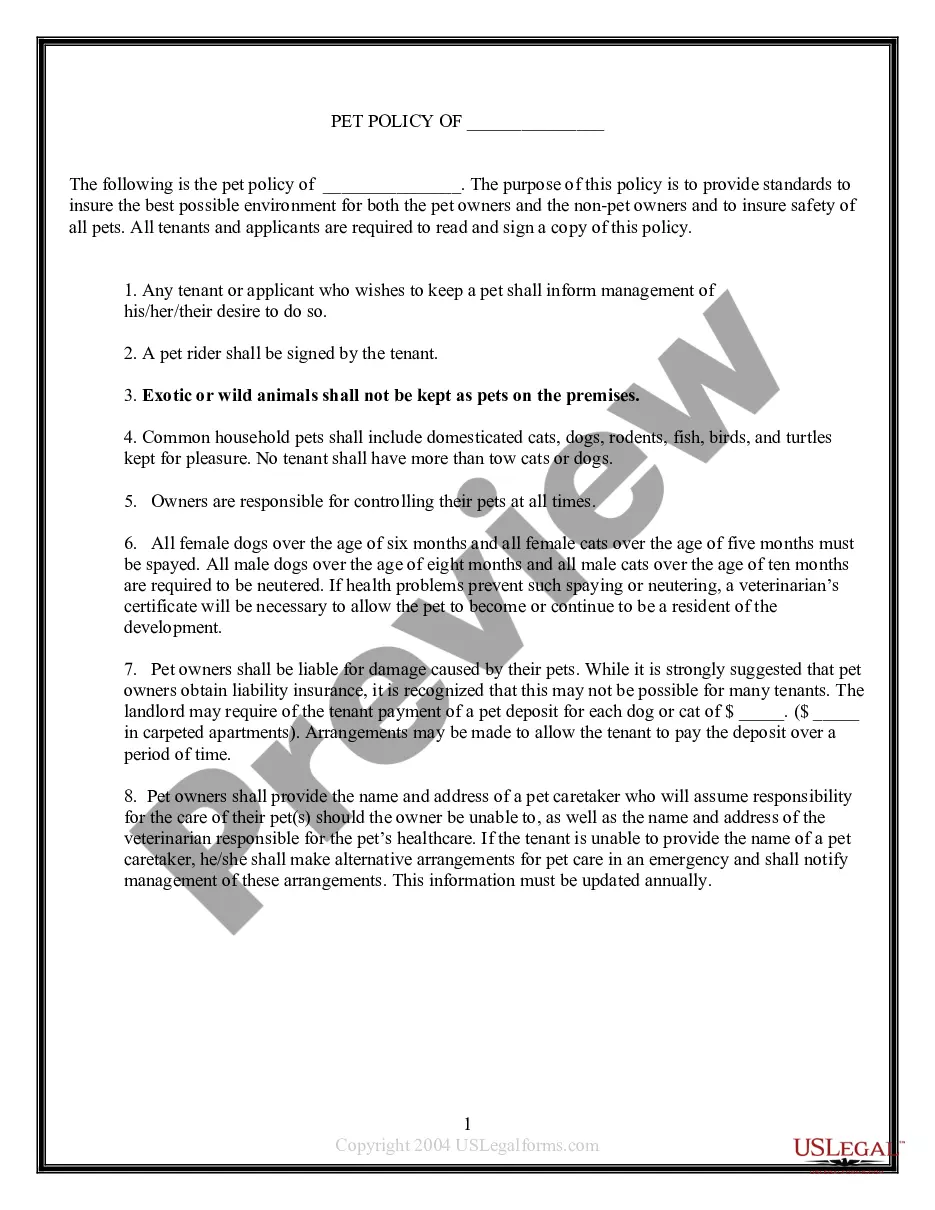
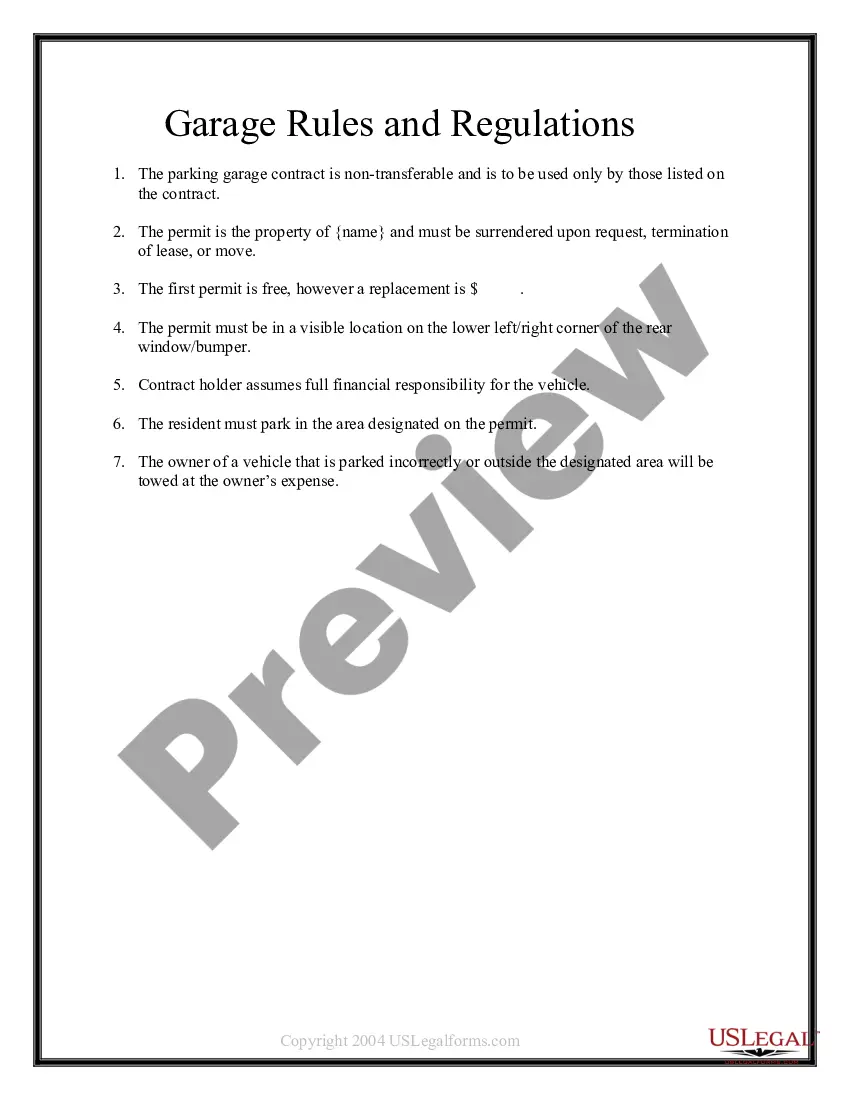
Apartment Rules And Regulations For Tenants Philippines
Description
Get your form ready online
Our built-in tools help you complete, sign, share, and store your documents in one place.
Make edits, fill in missing information, and update formatting in US Legal Forms—just like you would in MS Word.
Download a copy, print it, send it by email, or mail it via USPS—whatever works best for your next step.
Sign and collect signatures with our SignNow integration. Send to multiple recipients, set reminders, and more. Go Premium to unlock E-Sign.
If this form requires notarization, complete it online through a secure video call—no need to meet a notary in person or wait for an appointment.
We protect your documents and personal data by following strict security and privacy standards.

Make edits, fill in missing information, and update formatting in US Legal Forms—just like you would in MS Word.

Download a copy, print it, send it by email, or mail it via USPS—whatever works best for your next step.

Sign and collect signatures with our SignNow integration. Send to multiple recipients, set reminders, and more. Go Premium to unlock E-Sign.

If this form requires notarization, complete it online through a secure video call—no need to meet a notary in person or wait for an appointment.

We protect your documents and personal data by following strict security and privacy standards.
Looking for another form?

How to fill out California Apartment Rules And Regulations?
Regardless of whether it is for corporate needs or personal matters, everyone must address legal issues at some stage in their lives. Completing legal documentation necessitates meticulous attention, starting with selecting the appropriate form template.
For instance, if you choose an incorrect variant of the Apartment Rules And Regulations For Tenants Philippines, it will be denied when you submit it. Hence, it is essential to have a reliable source of legal documents like US Legal Forms.
With a comprehensive US Legal Forms library available, you do not have to waste time looking for the right template across the web. Utilize the library's straightforward navigation to discover the suitable form for any situation.
- Acquire the template you require by using the search bar or catalog navigation.
- Review the description of the form to ensure it aligns with your case, state, and region.
- Select the form's preview to examine it.
- If it is the wrong document, return to the search function to find the Apartment Rules And Regulations For Tenants Philippines template you need.
- Download the template if it corresponds with your specifications.
- If you already possess a US Legal Forms account, simply click Log in to access previously stored documents in My documents.
- If you do not have an account yet, you can obtain the form by clicking Buy now.
- Select the relevant pricing plan.
- Complete the profile registration form.
- Choose your payment method: utilize a credit card or PayPal account.
- Select the document format desired and download the Apartment Rules And Regulations For Tenants Philippines.
- After it is downloaded, you can fill out the form with the assistance of editing software or print it to complete it by hand.
Form popularity
FAQ
Grounds for ejectment of tenant. (A) The tenant may be ejected upon application of the landlord or his agent when (1) the tenant fails or refuses to pay the rent when due or when demanded, (2) the term of tenancy or occupancy has ended, or (3) the terms or conditions of the lease have been violated.
Ejectment Due to Non-Payment: Under Philippine law, non-payment of rentals can be a ground for ejectment. However, the tenant may counter this by arguing that the non-payment was due to the landlord's failure to fulfill his part of the contract.
Yes, the owner/lessor may offer a rent-to-own agreement to the tenant, evidenced by a written agreement, which shall eventually transfer ownership of the property to the latter. A lease under a rent-to-own scheme is not covered by the Rent Control Act, thus the parties can agree on the monthly rent.
The total amount cannot be more than the amount of two month's rent for an unfurnished rental unit of three month's rent for a furnished unit. The landlord will typically require you to pay this amount in addition to your first month's rent. Security deposits may not be refundable.
Tenants have the right to peaceful possession, demand receipts for payments, pay rent on time, take care of the rental property, and comply with rules and regulations. Both parties have legal remedies available in case of disputes or violations of rights and obligations.