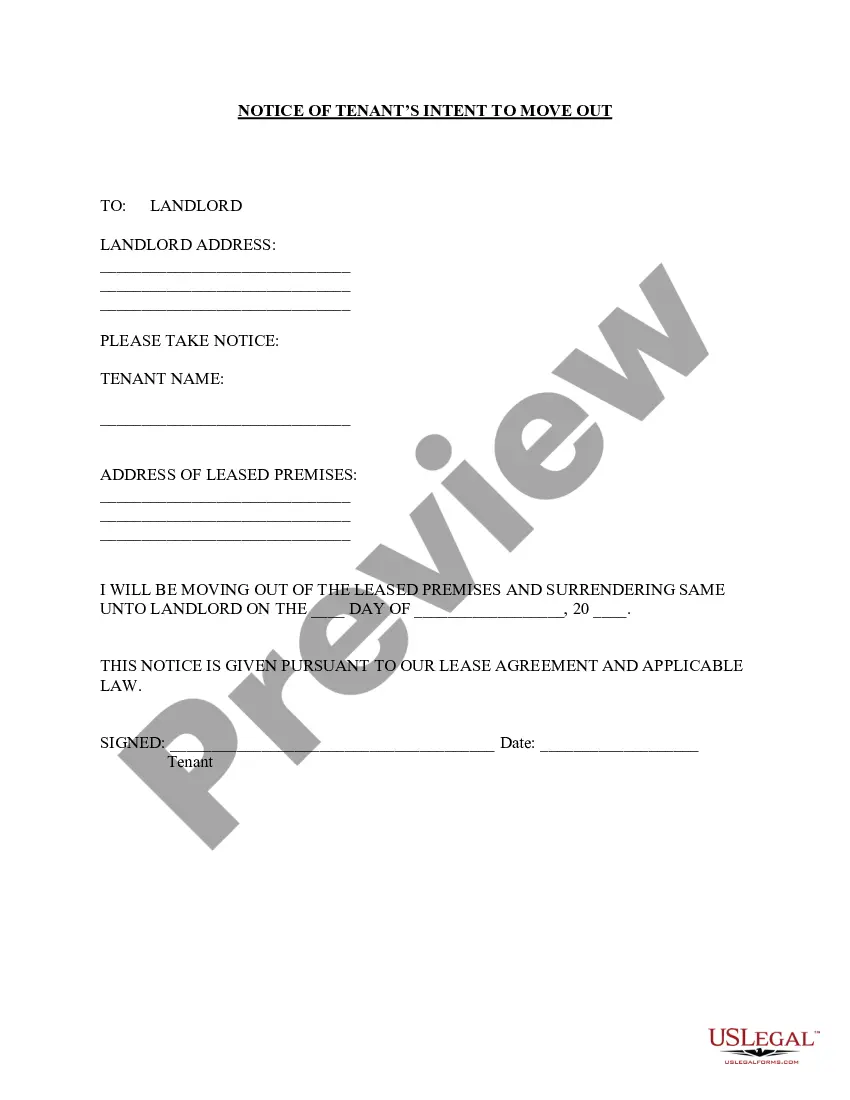
30 Day Notice Letter For Tenant
Description

Get your form ready online
Our built-in tools help you complete, sign, share, and store your documents in one place.
Make edits, fill in missing information, and update formatting in US Legal Forms—just like you would in MS Word.
Download a copy, print it, send it by email, or mail it via USPS—whatever works best for your next step.
Sign and collect signatures with our SignNow integration. Send to multiple recipients, set reminders, and more. Go Premium to unlock E-Sign.
If this form requires notarization, complete it online through a secure video call—no need to meet a notary in person or wait for an appointment.
We protect your documents and personal data by following strict security and privacy standards.

Make edits, fill in missing information, and update formatting in US Legal Forms—just like you would in MS Word.

Download a copy, print it, send it by email, or mail it via USPS—whatever works best for your next step.

Sign and collect signatures with our SignNow integration. Send to multiple recipients, set reminders, and more. Go Premium to unlock E-Sign.

If this form requires notarization, complete it online through a secure video call—no need to meet a notary in person or wait for an appointment.

We protect your documents and personal data by following strict security and privacy standards.
Looking for another form?
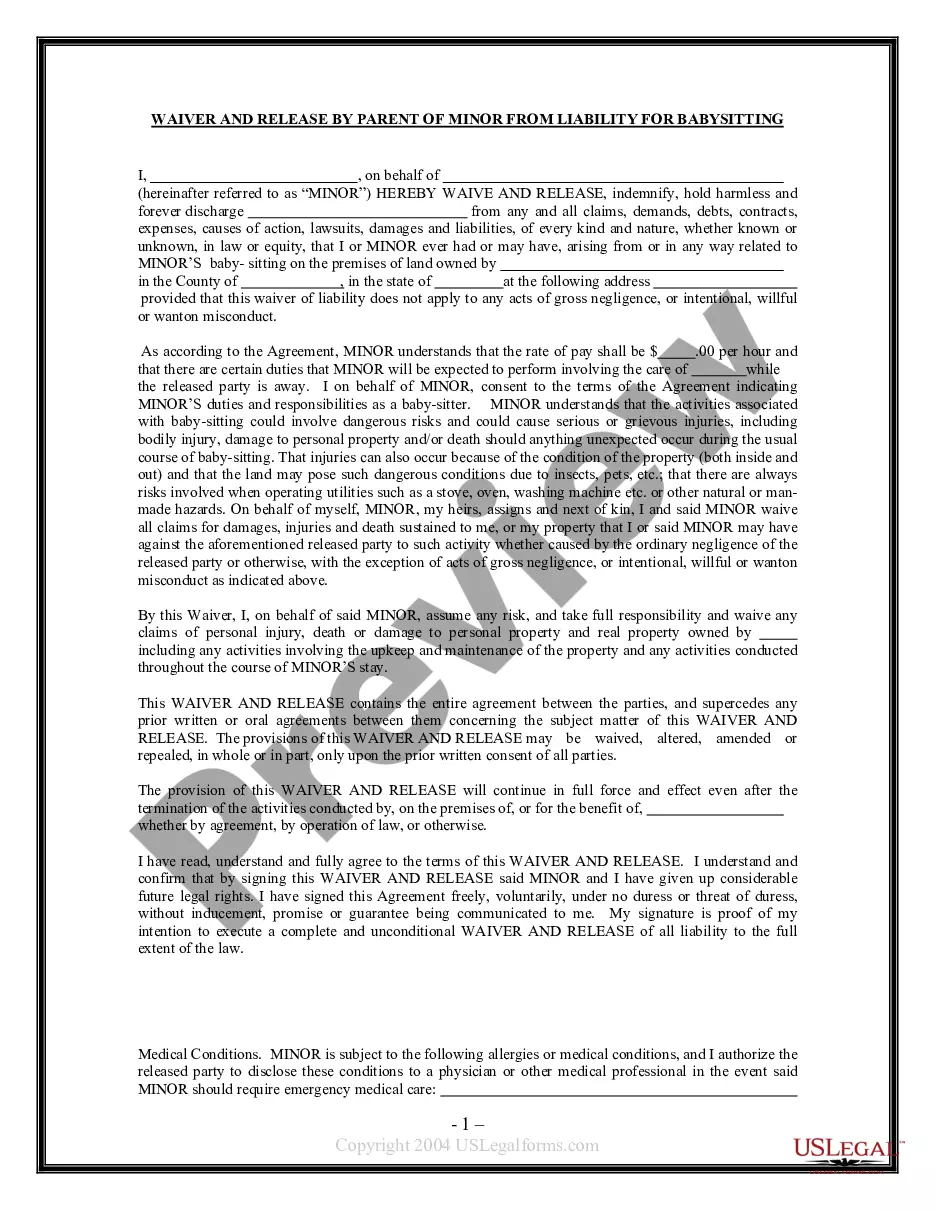

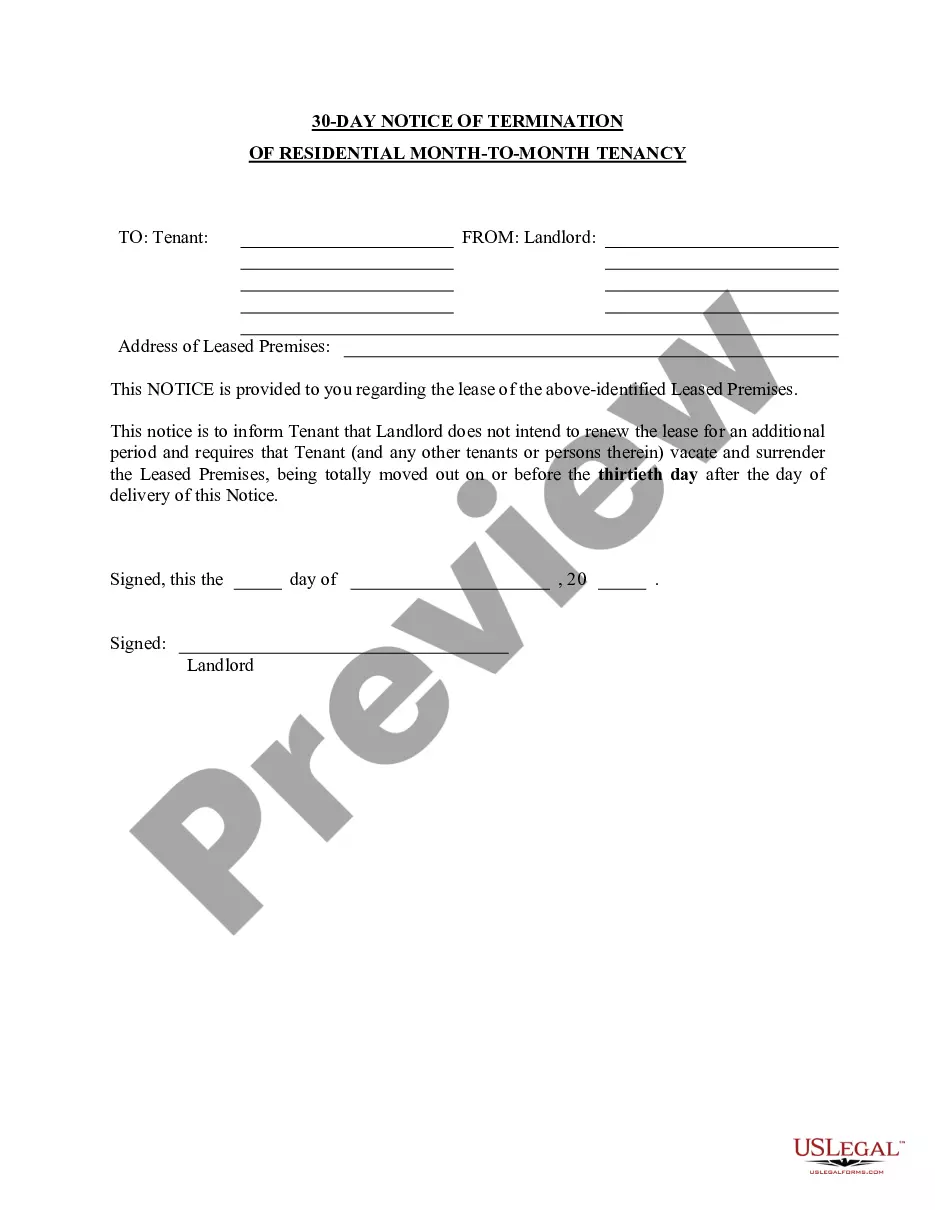
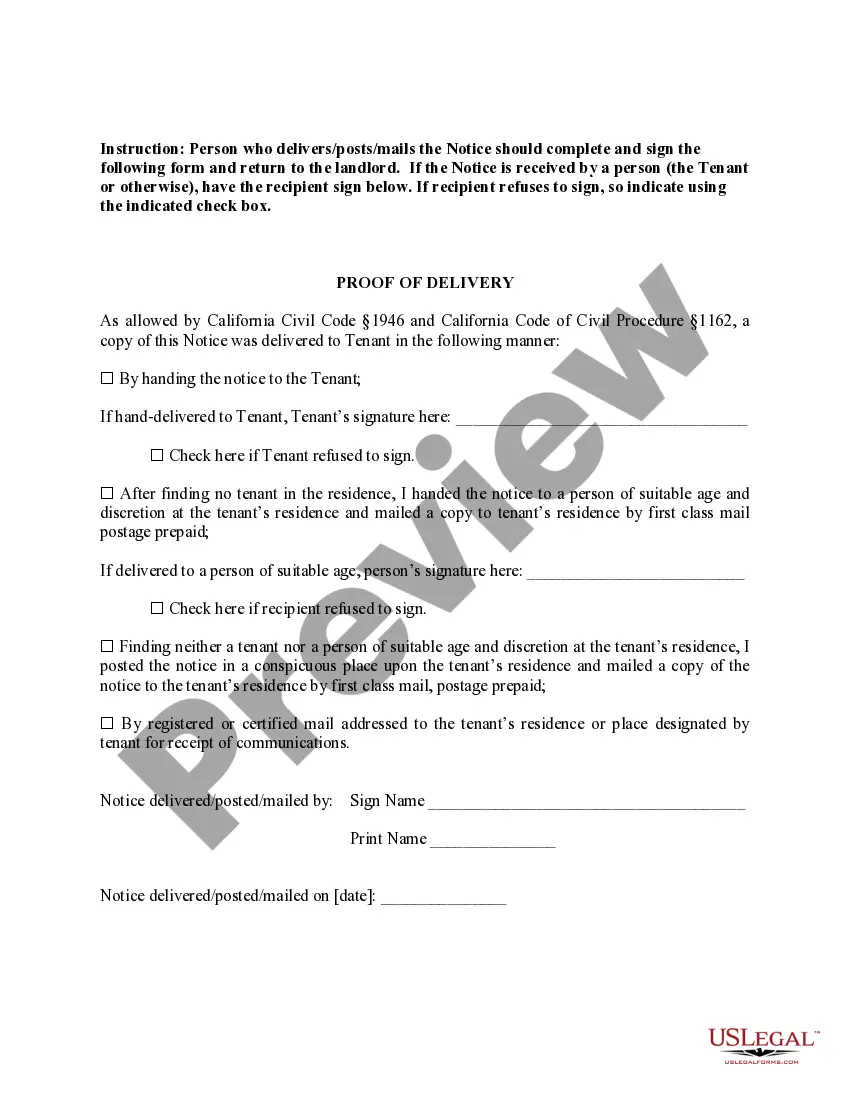
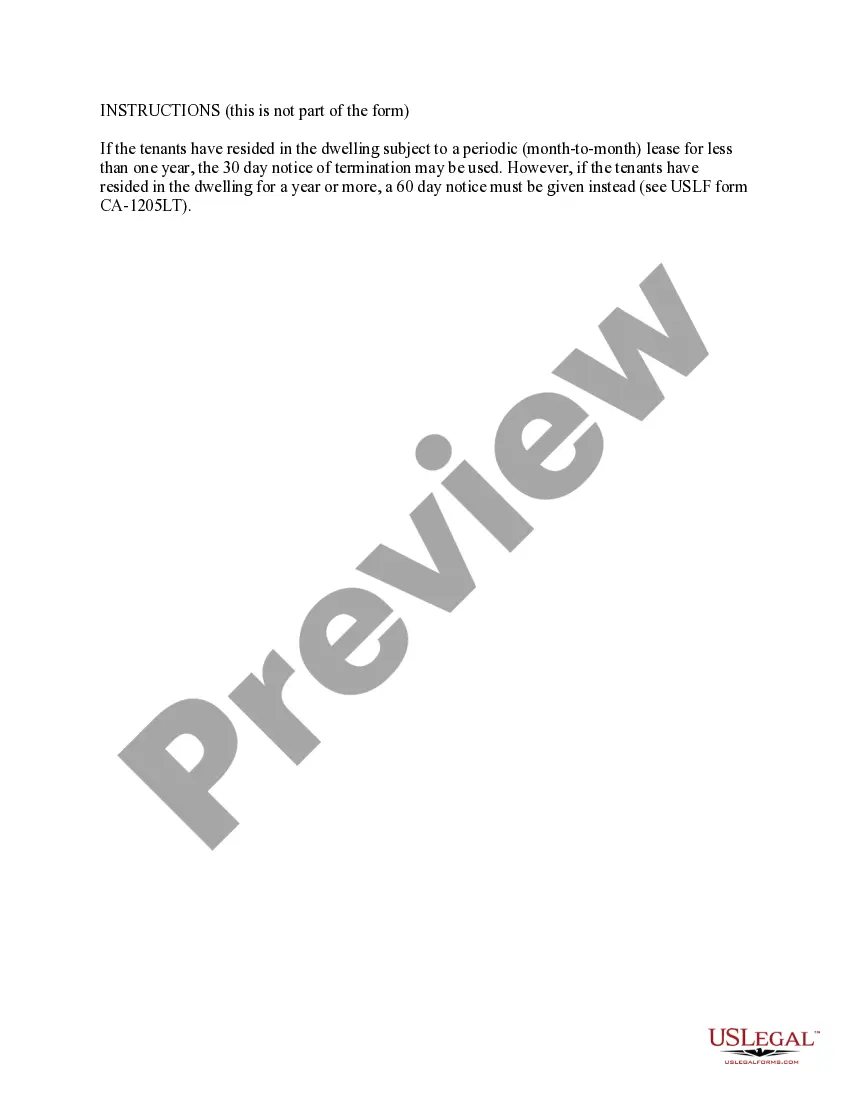
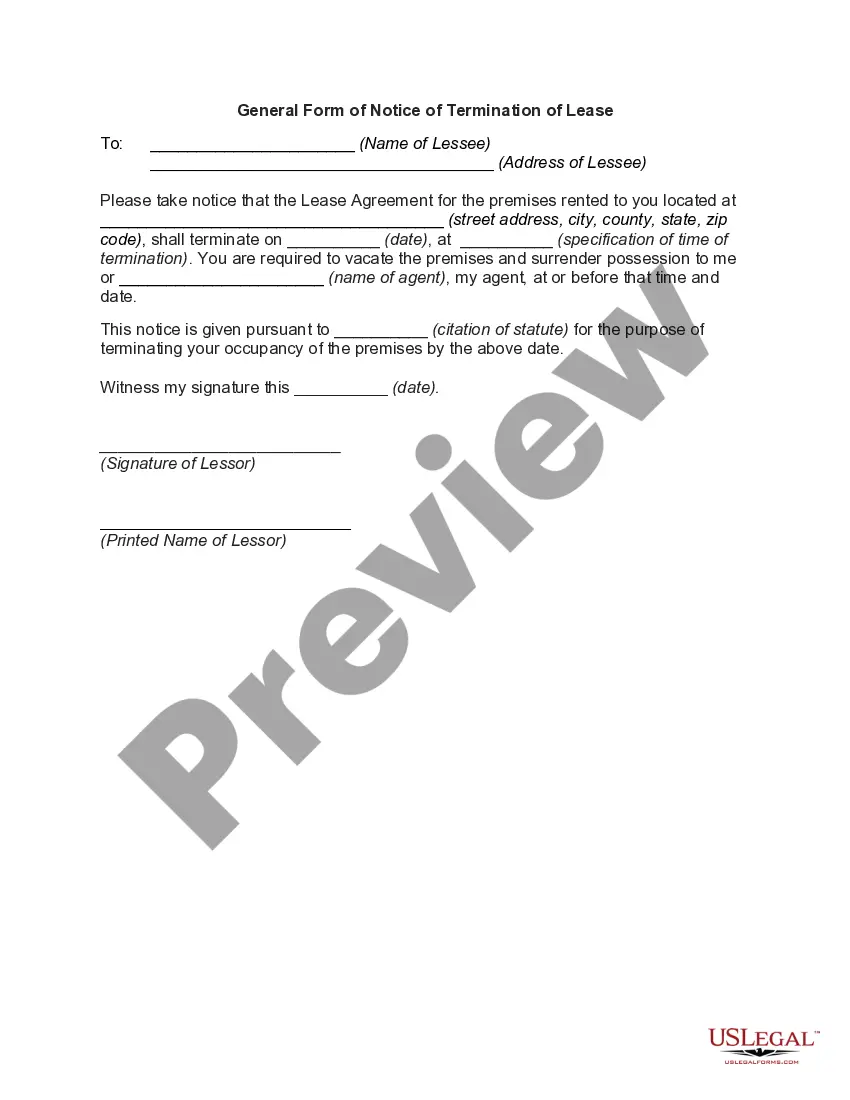
How to fill out California 30 Day Notice Of Termination - Residential Month-to-Month Tenancy - Nonrenewal Of Lease?
The 30 Day Notice Letter For Tenant displayed on this page is a reusable official template crafted by experienced attorneys in alignment with national and local statutes.
For over 25 years, US Legal Forms has supplied individuals, companies, and legal professionals with more than 85,000 validated, state-specific documents for any business and personal situation. It’s the quickest, simplest, and most reliable method to obtain the forms you require, as the service ensures bank-level data protection and anti-malware safeguards.
Register for US Legal Forms to have verified legal documents for all of life’s situations readily available.
- Browse for the document you require and verify it.
- Sign up and Log In.
- Obtain the editable template.
- Complete and sign the document.
- Download your forms again.
Form popularity
FAQ
Vermont Tenants is a statewide tenant advocacy program run by the Champlain Valley Office of Economic Opportunity (CVOEO). The Vermont Landlord Association is a trade association that helps landlords throughout Vermont.
Who to contact Filing a complaint against your landlord with the Consumer Assistance Program. Contacting your local Town Health Officer about a health code violation through the town offices or the Vermont Department of Health to conduct an inspection of the rental property.
If you want to move out, you must give notice. If your rental agreement says how much notice you must give and how you must give it, you must do what the agreement says. The notice must be in writing. Keep a copy for yourself. Mail or hand deliver the notice to your landlord.
No cause evictions A landlord can terminate a lease for no cause if: For month to month leases, tenants are given 60 days written notice. For week to week leases, tenants are given 21 days written notice. Tenants who have resided in the rental for more than 2 continuous years are given 90 days written notice.
Vermont Eviction Process Timeline Steps of the Eviction ProcessAverage TimelineIssuing an Official Notice7-90 daysIssuance and Service of Summons and Complaint60 daysCourt Hearing and JudgmentA few days to a few weeksTenant Files an Answer21 days2 more rows ?
Our innovative, grant-funded landlord-tenant mediation program aims to resolve conflict, avoid eviction, and save money for landlords and tenants alike, with mediator costs covered for both parties.
A person who rents their home is called a tenant. See the menu of links for information about the law on renting in Vermont, what you should ask and know before you rent, getting a termination notice, evictions and the court process for eviction.
§ 4457. In any residential rental agreement, the landlord shall be deemed to covenant and warrant to deliver over and maintain, throughout the period of the tenancy, premises that are safe, clean, and fit for human habitation and that comply with the requirements of applicable building, housing, and health regulations.