Letter To Tenant For Damages Withdrawal
Description

Get your form ready online
Our built-in tools help you complete, sign, share, and store your documents in one place.
Make edits, fill in missing information, and update formatting in US Legal Forms—just like you would in MS Word.
Download a copy, print it, send it by email, or mail it via USPS—whatever works best for your next step.
Sign and collect signatures with our SignNow integration. Send to multiple recipients, set reminders, and more. Go Premium to unlock E-Sign.
If this form requires notarization, complete it online through a secure video call—no need to meet a notary in person or wait for an appointment.
We protect your documents and personal data by following strict security and privacy standards.

Make edits, fill in missing information, and update formatting in US Legal Forms—just like you would in MS Word.

Download a copy, print it, send it by email, or mail it via USPS—whatever works best for your next step.

Sign and collect signatures with our SignNow integration. Send to multiple recipients, set reminders, and more. Go Premium to unlock E-Sign.

If this form requires notarization, complete it online through a secure video call—no need to meet a notary in person or wait for an appointment.

We protect your documents and personal data by following strict security and privacy standards.
Looking for another form?










Form popularity
FAQ
When writing a letter to society about a new tenant, begin with a brief introduction of the tenant, including their name and relation to the property. Clearly state your intention to inform the community, explaining any relevant details such as the move-in date. This helps to foster community engagement and transparency. Including a 'Letter to tenant for damages withdrawal' can be a great way to standardize communication if there are previous issues that need addressing.
Writing a letter to a tenant involves clarity and respect. Start with a warm greeting, followed by a clear statement of the letter's purpose. Include relevant details, such as dates and any actions required, and conclude with an offer for further communication. By employing a 'Letter to tenant for damages withdrawal,' you can maintain professionalism while addressing any key issues.
Expressing gratitude to a tenant can strengthen your relationship and create a positive environment. A simple thank-you note can work wonders; make it personal by mentioning specific instances where they showed responsibility or care for the property. This appreciation can foster goodwill, which can lead to a better living experience. Utilizing a 'Letter to tenant for damages withdrawal' format can help you articulate your gratitude effectively.
To politely ask a tenant to move out, start by clearly stating your intention in a friendly and respectful manner. It is essential to explain the reason for the request briefly, focusing on any pertinent policies or issues related to the lease. Additionally, you can offer assistance during their transition, emphasizing that your goal is a smooth process. For formal communication, consider using a 'Letter to tenant for damages withdrawal' as a template to ensure clarity.
To request a rent abatement letter, communicate directly with your landlord or property manager. Explain the circumstances that warrant your request, such as ongoing repairs or issues affecting your enjoyment of the property. Provide any necessary documentation to support your case. This direct approach encourages a dialogue and helps facilitate a mutually beneficial resolution.
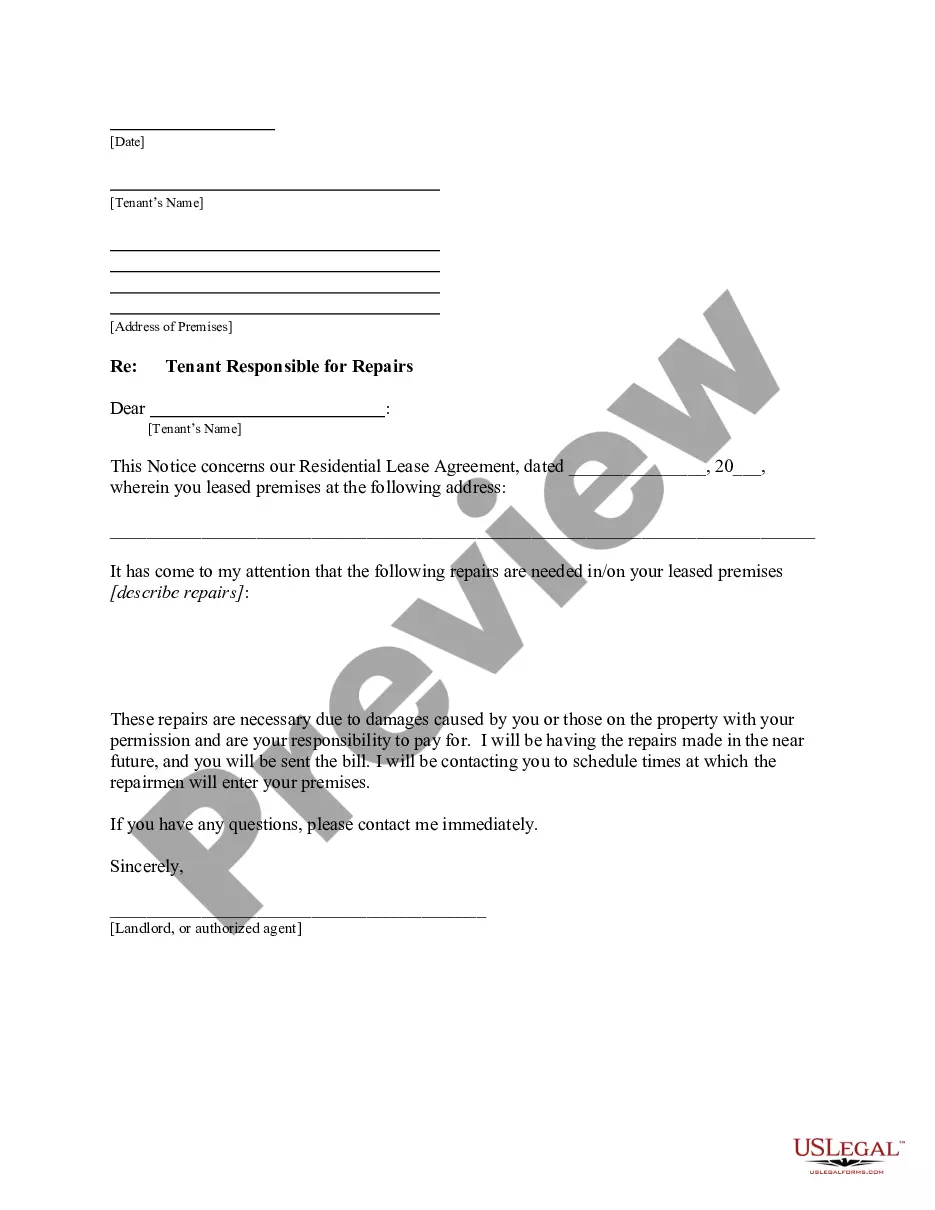
To write a letter to a tenant about damages, start by clearly stating the purpose of your letter. Include specific details about the damages observed and their impact on the property. Be sure to reference any relevant lease agreements and outline the expected actions. This approach helps maintain clear communication and ensures both parties are informed about the situation.
Writing a formal letter to a tenant requires a clear structure. Begin with your contact information and the tenant's details, followed by a salutation. Clearly state the purpose of your letter, ensuring to use polite language and a positive tone. If applicable, close your letter by referencing any follow-up actions, making it relevant to a letter to tenant for damages withdrawal.
When writing a letter to a tenant for repairs, be direct and professional. First, specify the repairs needed and explain why they are essential for safety or comfort. Reference any previous discussions or agreements related to these repairs. Including a reasonable timeframe for completion will strengthen your message, aligning with the principle of a letter to tenant for damages withdrawal.
To write a letter to your landlord regarding withholding rent, start by clearly stating your intention to withhold rent due to unresolved issues. Include specific details about the damages or repairs that prompted your decision. Furthermore, mention your prior communication about these issues, supporting your claim for a letter to tenant for damages withdrawal. Ensure to set a reasonable deadline for your landlord to address the problems before you take further action.
When writing a letter to get someone out of your house, start by stating your intention clearly and any reasons for the request. Offer a reasonable deadline for them to leave, and include any formalities required by local laws. This approach maintains respect while addressing your need for the space back.
