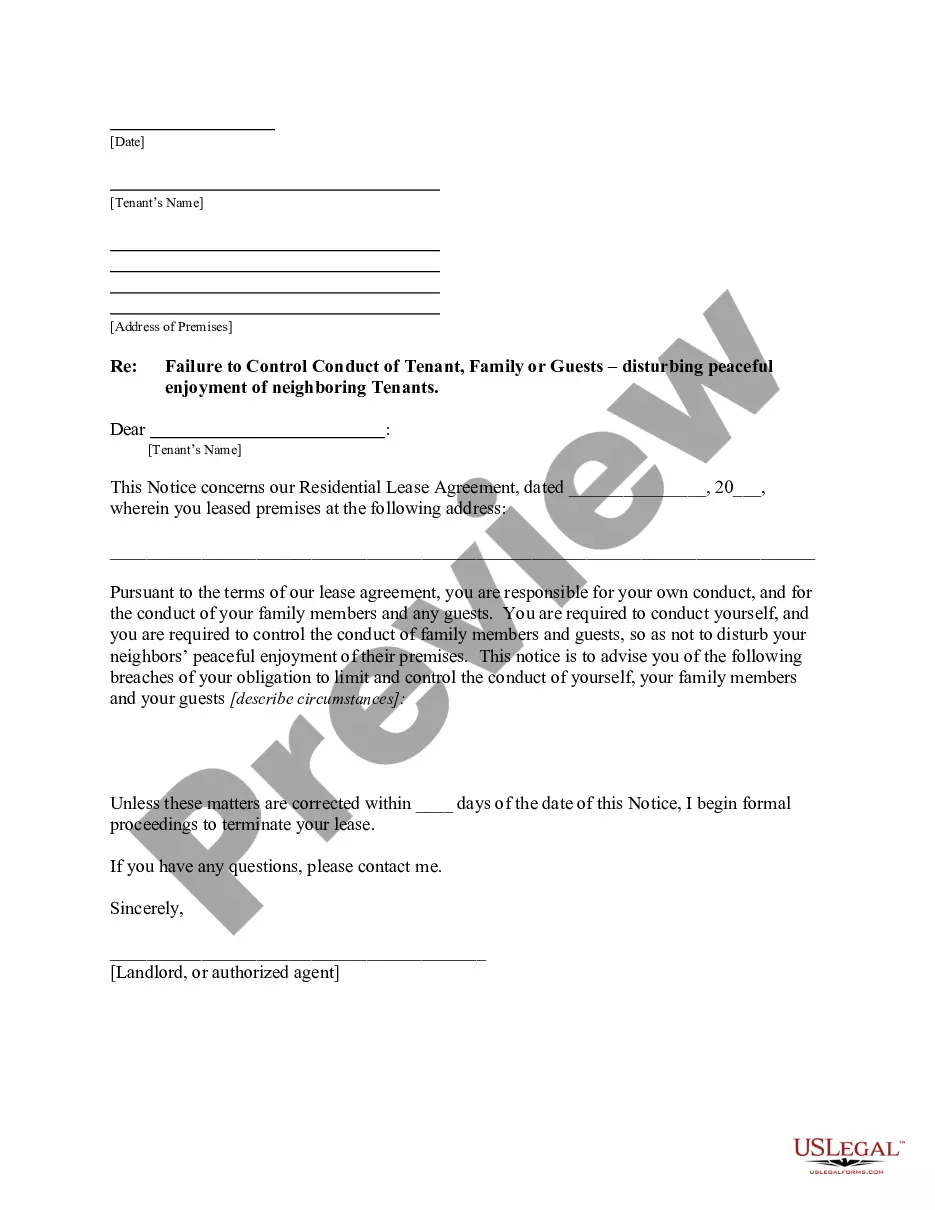
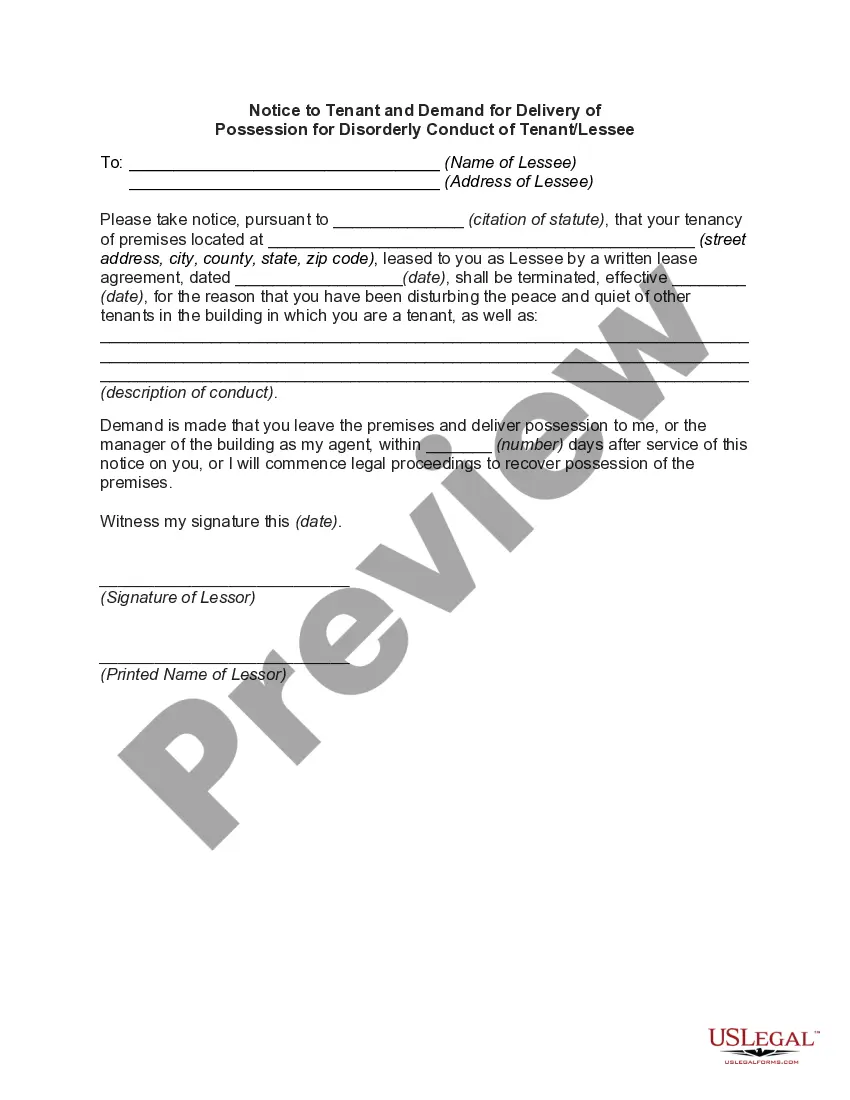
Nuisance Letter To Landlord
Description
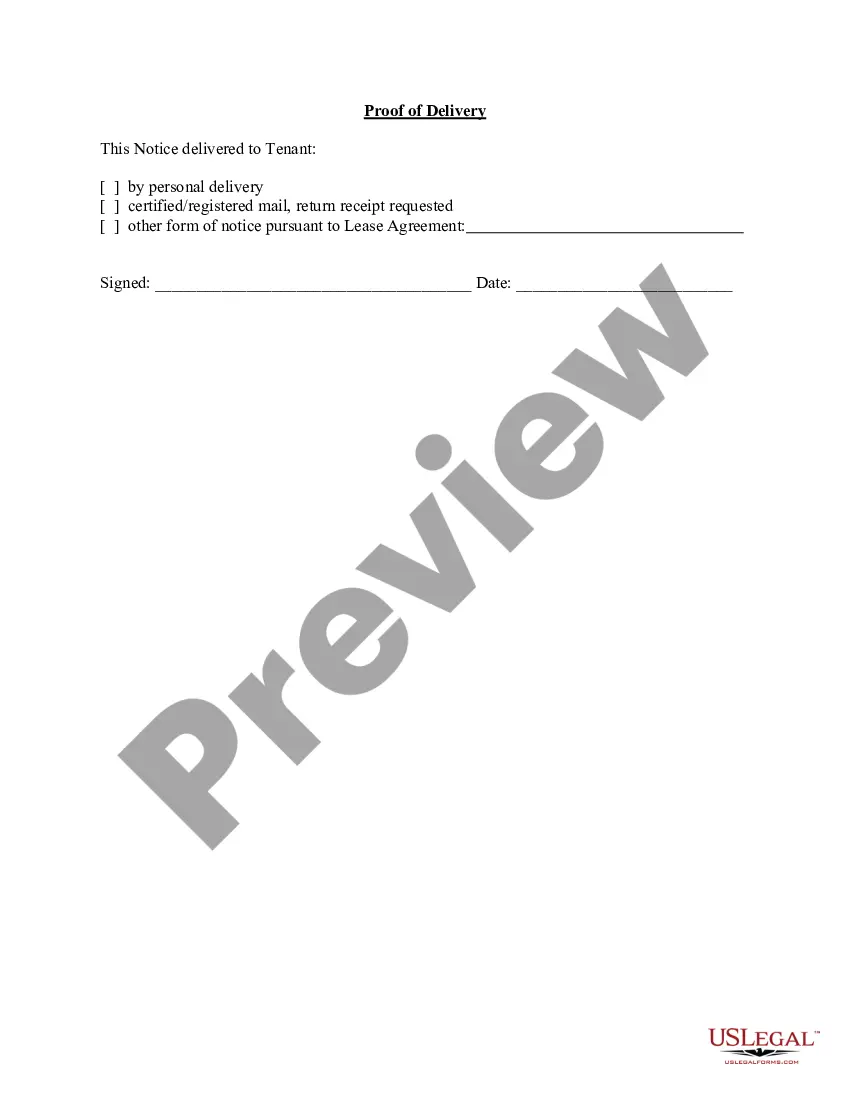


Get your form ready online
Our built-in tools help you complete, sign, share, and store your documents in one place.
Make edits, fill in missing information, and update formatting in US Legal Forms—just like you would in MS Word.
Download a copy, print it, send it by email, or mail it via USPS—whatever works best for your next step.
Sign and collect signatures with our SignNow integration. Send to multiple recipients, set reminders, and more. Go Premium to unlock E-Sign.
If this form requires notarization, complete it online through a secure video call—no need to meet a notary in person or wait for an appointment.
We protect your documents and personal data by following strict security and privacy standards.

Make edits, fill in missing information, and update formatting in US Legal Forms—just like you would in MS Word.

Download a copy, print it, send it by email, or mail it via USPS—whatever works best for your next step.

Sign and collect signatures with our SignNow integration. Send to multiple recipients, set reminders, and more. Go Premium to unlock E-Sign.

If this form requires notarization, complete it online through a secure video call—no need to meet a notary in person or wait for an appointment.

We protect your documents and personal data by following strict security and privacy standards.
Looking for another form?






How to fill out California Letter From Landlord To Tenant As Notice To Tenant Of Tenant's Disturbance Of Neighbors' Peaceful Enjoyment To Remedy Or Lease Terminates?
- Log in to your US Legal Forms account if you’re a returning user, and download the required nuisance letter template by clicking the Download button. Make sure your subscription is active.
- If you’re new to US Legal Forms, start by previewing the available templates to find the one that suits your needs. Check the form description to ensure it meets your local jurisdiction requirements.
- If you need a different template, utilize the Search tab to find more options. Select the one that best fits your situation and move forward.
- Purchase the document by clicking the Buy Now button. Choose your preferred subscription plan and create an account to gain access to the entire library.
- Complete your purchase by entering your credit card information or using your PayPal account for smooth transaction processing.
- After your purchase, download the form to your device. You can always access it again in the My Forms section of your profile whenever needed.
In conclusion, US Legal Forms simplifies the process of obtaining essential legal documents like a nuisance letter to your landlord. The extensive library, user-friendly interface, and access to expert assistance make it a valuable resource.
Start addressing your landlord issues today with US Legal Forms!
Form popularity
FAQ
When writing a complaint letter to your landlord, clearly state the issue at hand while providing any relevant details. Be assertive yet courteous, ensuring that you express the inconvenience caused by the situation. It can be helpful to mention any previous communications on the matter. Using a nuisance letter to landlord format can enhance clarity and ensure your complaint is properly documented.
To craft a professional letter to your landlord, maintain a formal tone throughout the document. Begin with a proper greeting and clearly identify the reason for your writing. Include pertinent details about any issues, and suggest solutions or request specific actions. A well-structured nuisance letter to landlord can help communicate your message effectively, reinforcing your professionalism.
If you need to write a letter to your landlord about problems after an initial communication, refer to the earlier correspondence. Start with a summary of the issue and explain any unresolved aspects. Make it clear that you appreciate their attention but require further action. This approach reinforces your concerns and aligns with the concept of a nuisance letter to landlord.
To write a letter to your landlord about problems, start by clearly stating the issue you are facing. Be specific and include dates and details that highlight the nuisance. Use a respectful tone, and express your desire for a prompt resolution. Incorporating a nuisance letter to landlord template can streamline your writing process and ensure all essential points are covered.
Addressing a noise complaint as a landlord requires prompt action. Begin by listening to the affected tenant’s concerns and then investigate the source of the noise. If the noise persists, you might need to issue a formal nuisance letter to landlord to remind tenants of their obligations and the importance of a harmonious community.
To write a letter to a landlord regarding harassment, detail the harassment incidents calmly and clearly. Include specific examples, dates, and any witnesses, which can substantiate your claims. Additionally, request a resolution, and consider mentioning the possibility of a nuisance letter to landlord if the behavior continues.
When writing a noise complaint to a landlord, be clear and concise. Start with a description of the noise issue, specify the dates and times it occurs, and express how it affects your living experience. Including a request for action, such as a nuisance letter to landlord, can help the landlord understand the urgency of the situation.
In Missouri, noise laws focus on disturbing the peace and quiet of others. Each county may have specific ordinances governing noise levels, so landlords should research local regulations. If a tenant’s noise becomes a nuisance, a well-drafted nuisance letter to landlord can effectively address the issue and set expectations.
The legal time to maintain quiet often varies by location, but generally, quiet hours tend to range from 10 PM to 7 AM. While local laws can differ, it is important for landlords to set clear expectations in lease agreements. Providing tenants with a nuisance letter to landlord can help reinforce these quiet hours and promote a good living atmosphere.
To address a noise complaint as a landlord, start by acknowledging the tenant's concerns. Investigate the issue to gather facts, and then communicate with the offending tenant about the noise. If necessary, consider issuing a nuisance letter to landlord, reminding tenants of their responsibilities to maintain a peaceful living environment.