Tenant Landlord Failure With No Consent
Description


Get your form ready online
Our built-in tools help you complete, sign, share, and store your documents in one place.
Make edits, fill in missing information, and update formatting in US Legal Forms—just like you would in MS Word.
Download a copy, print it, send it by email, or mail it via USPS—whatever works best for your next step.
Sign and collect signatures with our SignNow integration. Send to multiple recipients, set reminders, and more. Go Premium to unlock E-Sign.
If this form requires notarization, complete it online through a secure video call—no need to meet a notary in person or wait for an appointment.
We protect your documents and personal data by following strict security and privacy standards.

Make edits, fill in missing information, and update formatting in US Legal Forms—just like you would in MS Word.

Download a copy, print it, send it by email, or mail it via USPS—whatever works best for your next step.

Sign and collect signatures with our SignNow integration. Send to multiple recipients, set reminders, and more. Go Premium to unlock E-Sign.

If this form requires notarization, complete it online through a secure video call—no need to meet a notary in person or wait for an appointment.

We protect your documents and personal data by following strict security and privacy standards.
Looking for another form?






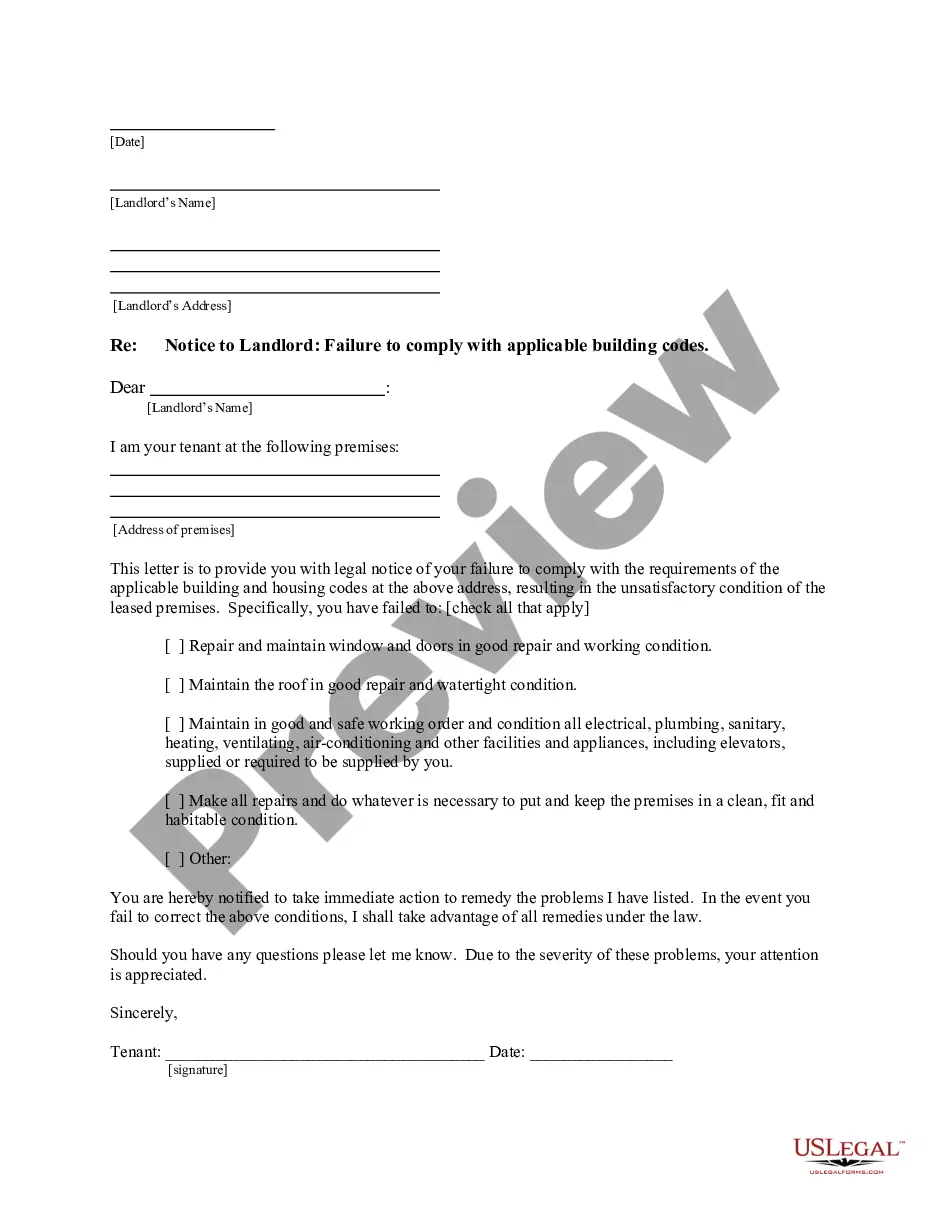
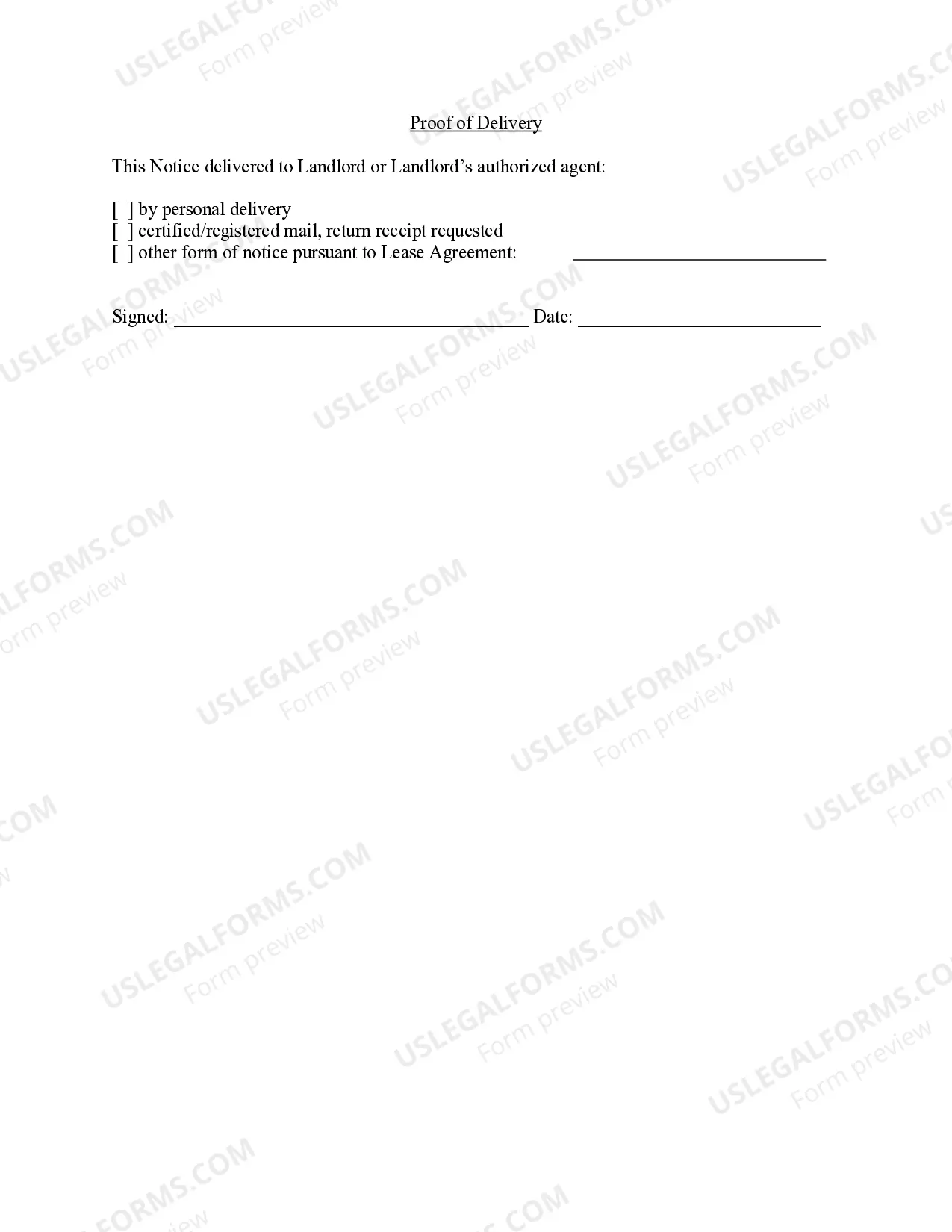
How to fill out California Letter From Tenant To Landlord For Failure Of Landlord To Comply With Building Codes Affecting Health And Safety Or Resulting In Untenantable Condition - Demand For Remedy?
- Log in to your existing US Legal Forms account or create a new one if you're a first-time user.
- Browse through the form collection and utilize the Preview mode to ensure you select the template that best meets your needs.
- Should you find any discrepancies or require a different template, use the Search tab to locate suitable forms.
- Choose the desired document and click the Buy Now button to select your subscription plan.
- Complete your purchase by entering your payment information using a credit card or PayPal.
- Download the form to your device and access it anytime via the My Forms menu in your profile for easy completion.
US Legal Forms stands out with its extensive library that offers over 85,000 fillable and editable legal documents. This accessibility empowers users to engage with legal matters confidently.
In conclusion, leveraging US Legal Forms is a wise choice for handling tenant-landlord failures with no consent. Start your journey today by visiting US Legal Forms and take control of your legal needs.
Form popularity
FAQ
The point of a landlord waiver is to provide legal protection for both parties while allowing flexibility in landlord-tenant arrangements. It helps to avoid misunderstandings and ensures that tenants can proceed with certain actions, thus preventing tenant landlord failure with no consent disputes. By using tools like USLegalForms, you can create comprehensive waiver documents tailored to your specific needs.
A landlord waiver form is a document that allows landlords to relinquish certain rights or claims regarding the property or lease agreement. It can clarify conditions under which tenants can conduct themselves without fear of repercussions for actions that might otherwise require landlord consent. Understanding this form can be vital in cases of tenant landlord failure with no consent.
To threaten legal action against your landlord, document all interactions and incidents that illustrate a failure on their part, especially regarding tenant landlord failure with no consent. Once you have a solid case, you may send a formal notice outlining your complaints and the steps you are willing to take next. Consulting a legal professional can also provide additional support and clarity in this process.
A waiver and consent form is a legal document that outlines permission granted by a landlord to a tenant for specific actions, while also protecting the landlord from liability. In situations involving tenant landlord failure with no consent, this form can help clarify rights and responsibilities, potentially reducing conflict between the parties involved. It is an essential tool for fostering understanding in tenant-landlord relations.
Landlord consent refers to the permission granted by a landlord for specific actions to be taken by tenants. This might include making upgrades to the property, allowing subletting, or any action that alters the lease agreement. In the context of tenant landlord failure with no consent, it is crucial to understand that proceeding without this approval can lead to legal complications.
If a tenant denies access for essential repairs, it poses a challenge for landlords. This situation may be viewed as a tenant landlord failure with no consent, affecting the property's condition and safety. You should first communicate with the tenant to find a mutually agreeable time. If access continues to be refused, legal options may be available to ensure you can conduct necessary repairs.
If your landlord continues to ignore repair requests, start by documenting all communications and the issues. This tenant landlord failure with no consent may justify withholding rent or contacting local housing authorities. You might also consider legal action by consulting with legal resources. Platforms like US Legal Forms can assist you in easily drafting the necessary documents to address your situation effectively.
Landlord negligence occurs when a landlord fails to provide a safe and habitable living environment. This includes ignoring urgent repair requests, which represents a tenant landlord failure with no consent. If landlords neglect essential services like heat or water, it directly impacts tenant well-being. Tenants may have the right to seek legal recourse in such situations.
The most frequent dispute between landlords and tenants often revolves around unresolved repairs and maintenance issues. When landlords neglect their responsibilities, it constitutes a tenant landlord failure with no consent. In these cases, tenants might feel compelled to take legal steps to ensure their rights are upheld. Utilizing resources from platforms like US Legal Forms can simplify document preparation during these conflicts.
In North Carolina, uninhabitable conditions can include severe plumbing issues, lack of heating, or significant pest infestations. If a landlord allows such conditions to persist, it reflects a tenant landlord failure with no consent. These situations violate the habitability standards set by law. Tenants may seek remedies, including termination of lease or legal action.