Tenant Landlord Failure For Leaseholder
Description


Get your form ready online
Our built-in tools help you complete, sign, share, and store your documents in one place.
Make edits, fill in missing information, and update formatting in US Legal Forms—just like you would in MS Word.
Download a copy, print it, send it by email, or mail it via USPS—whatever works best for your next step.
Sign and collect signatures with our SignNow integration. Send to multiple recipients, set reminders, and more. Go Premium to unlock E-Sign.
If this form requires notarization, complete it online through a secure video call—no need to meet a notary in person or wait for an appointment.
We protect your documents and personal data by following strict security and privacy standards.

Make edits, fill in missing information, and update formatting in US Legal Forms—just like you would in MS Word.

Download a copy, print it, send it by email, or mail it via USPS—whatever works best for your next step.

Sign and collect signatures with our SignNow integration. Send to multiple recipients, set reminders, and more. Go Premium to unlock E-Sign.

If this form requires notarization, complete it online through a secure video call—no need to meet a notary in person or wait for an appointment.

We protect your documents and personal data by following strict security and privacy standards.
Looking for another form?
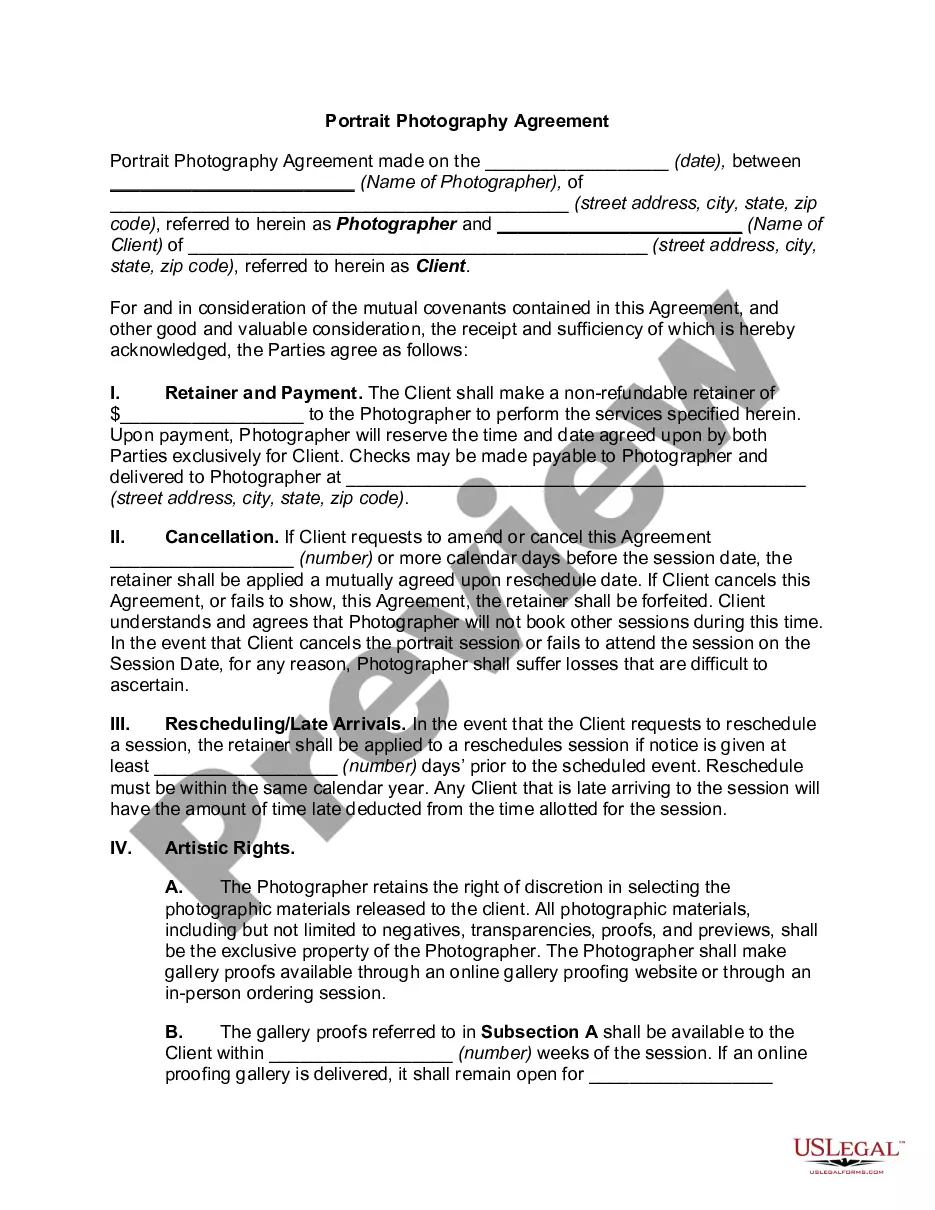
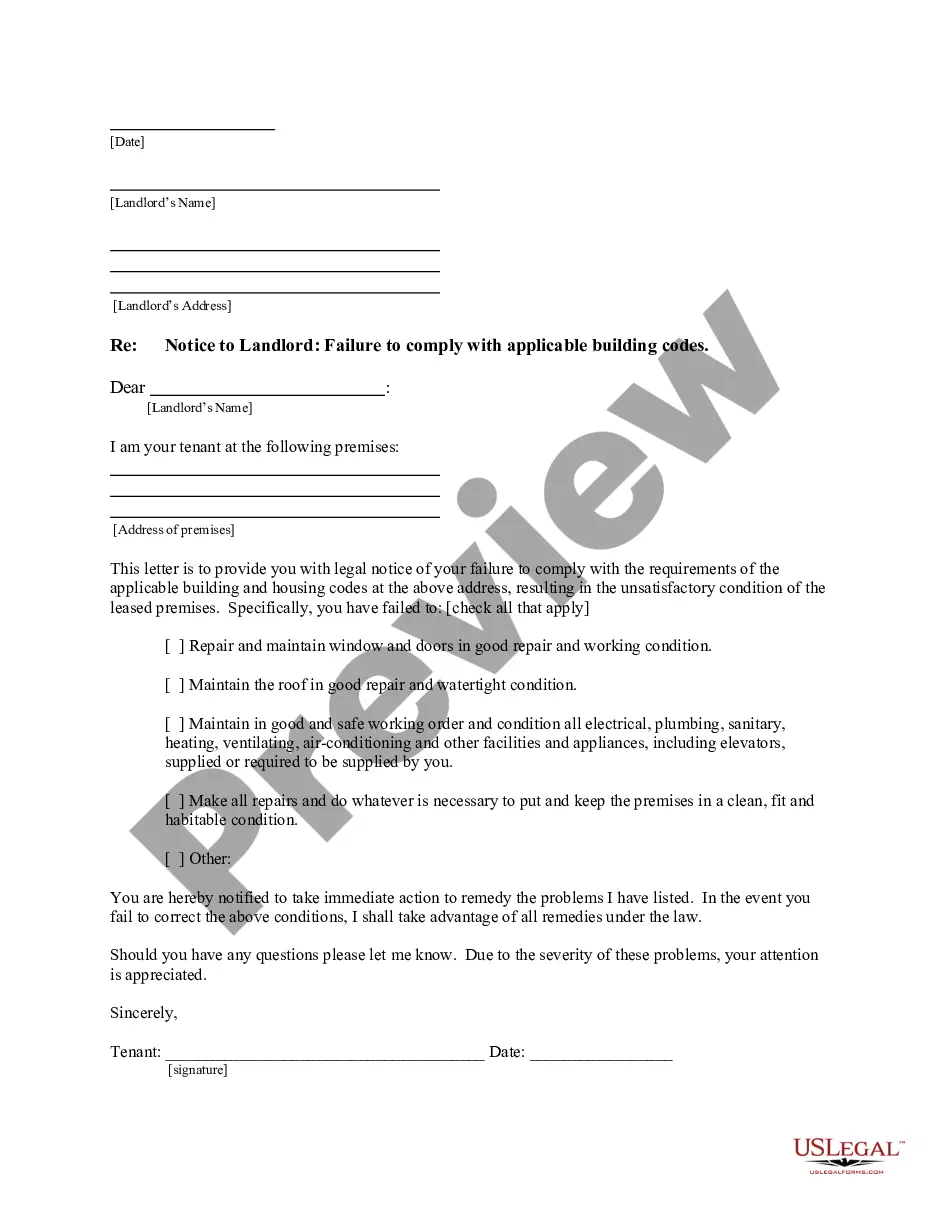
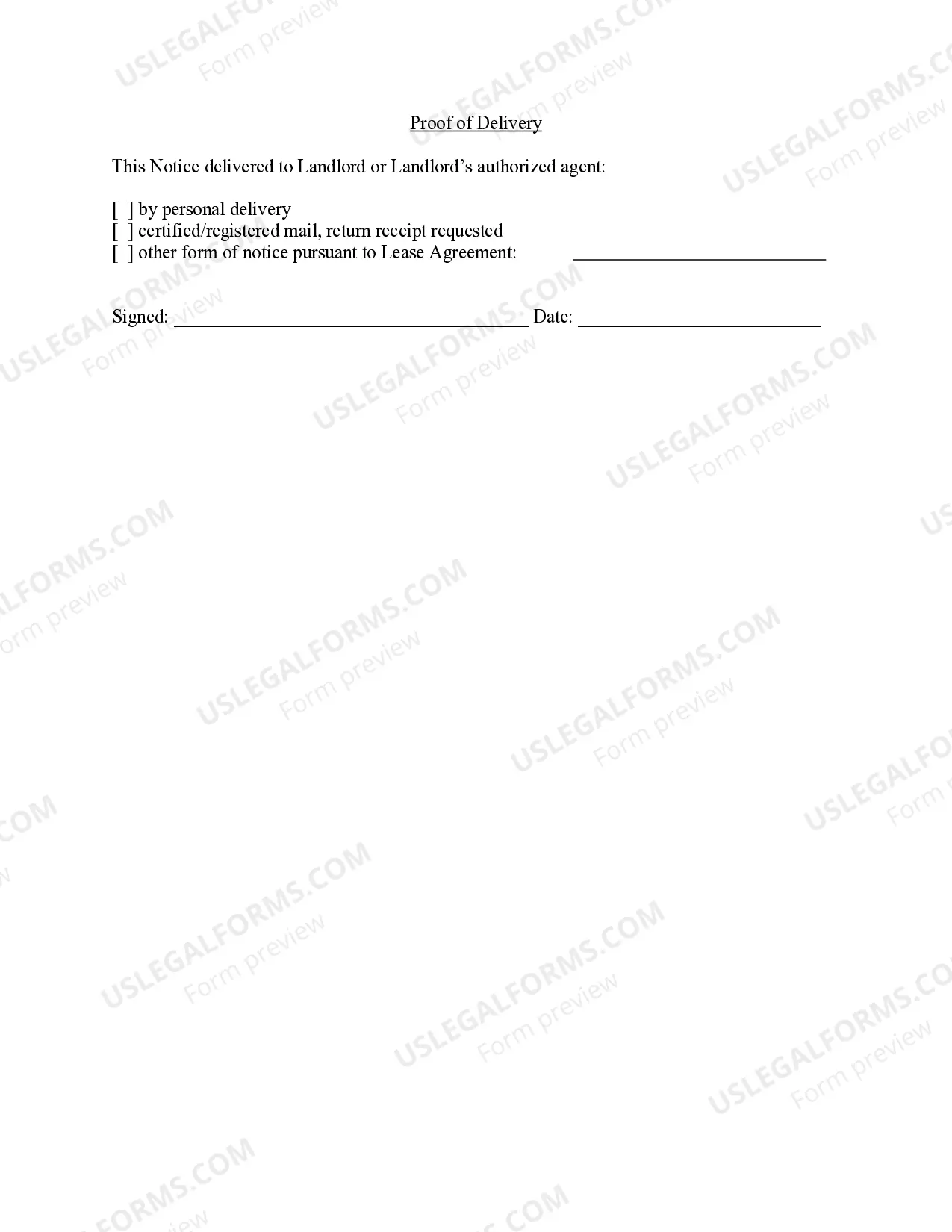
How to fill out California Letter From Tenant To Landlord For Failure Of Landlord To Comply With Building Codes Affecting Health And Safety Or Resulting In Untenantable Condition - Demand For Remedy?
- If you're a returning user, start by logging in to your account. Make sure your subscription is active; otherwise, renew it following your selected payment plan.
- For first-time users, research the available templates. Use the Preview mode to confirm that the form meets your requirements and aligns with local jurisdiction rules.
- If necessary, utilize the Search function to find relevant forms. Ensure that any selected template caters to your specific situation before proceeding.
- Purchase the document. Click on the Buy Now button and select your desired subscription plan. You will need to create an account to access the full library.
- Complete your transaction by entering your payment details through credit card or PayPal.
- Finally, download the form to your device. You can access it anytime by navigating to the My Forms section in your profile.
With US Legal Forms, you can access over 85,000 legal documents designed for ease of use. This extensive library not only saves you time but also ensures that your forms are precise and compliant with legal standards.
Start your legal journey today with US Legal Forms and experience the difference of having premium support for all your document needs. Don't wait; let us help you navigate legal complexities quickly and efficiently!
Form popularity
FAQ
Uninhabitable living situations in North Carolina can include severe plumbing issues, lack of heat, pest infestations, or structural damage. If these conditions make the property unsafe, it may indicate a tenant landlord failure for leaseholder. Tenants should know their rights and document these conditions to seek remediation. Utilize platforms like US Legal Forms to understand your rights and potential actions you can take.
In North Carolina, if your landlord refuses to make repairs, you have options to address the issue. Start by sending a written request for repairs, specifying the necessary work. If the landlord still does not respond, consider legal actions, such as reporting them to local authorities. Exploring resources on the US Legal Forms platform may offer guidance tailored to your specific situation.
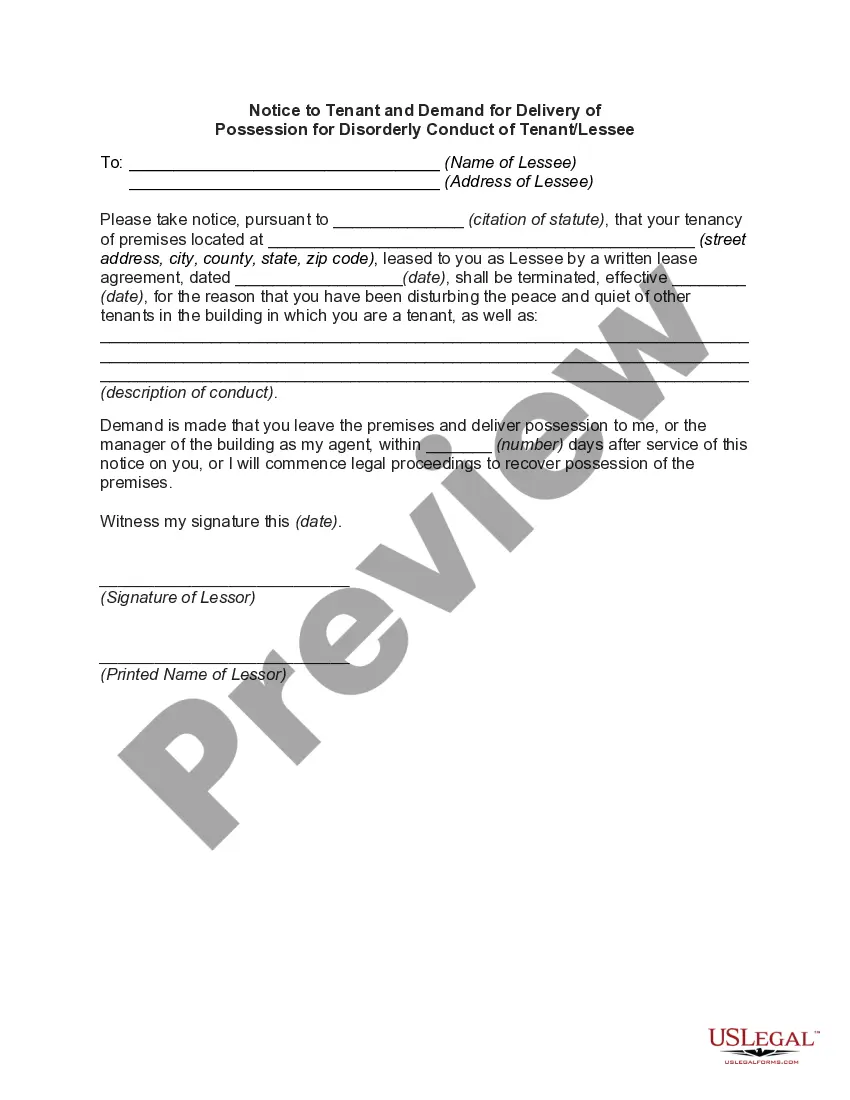
Breaking a lease does not necessarily mean an eviction will follow, but it can lead to one if not handled correctly. If a tenant moves out before the lease ends without proper notice, the landlord might seek eviction to recover lost rent. This situation highlights a tenant landlord failure for leaseholder, where clear communication can prevent misunderstandings. Always review lease terms and seek legal advice if unsure.
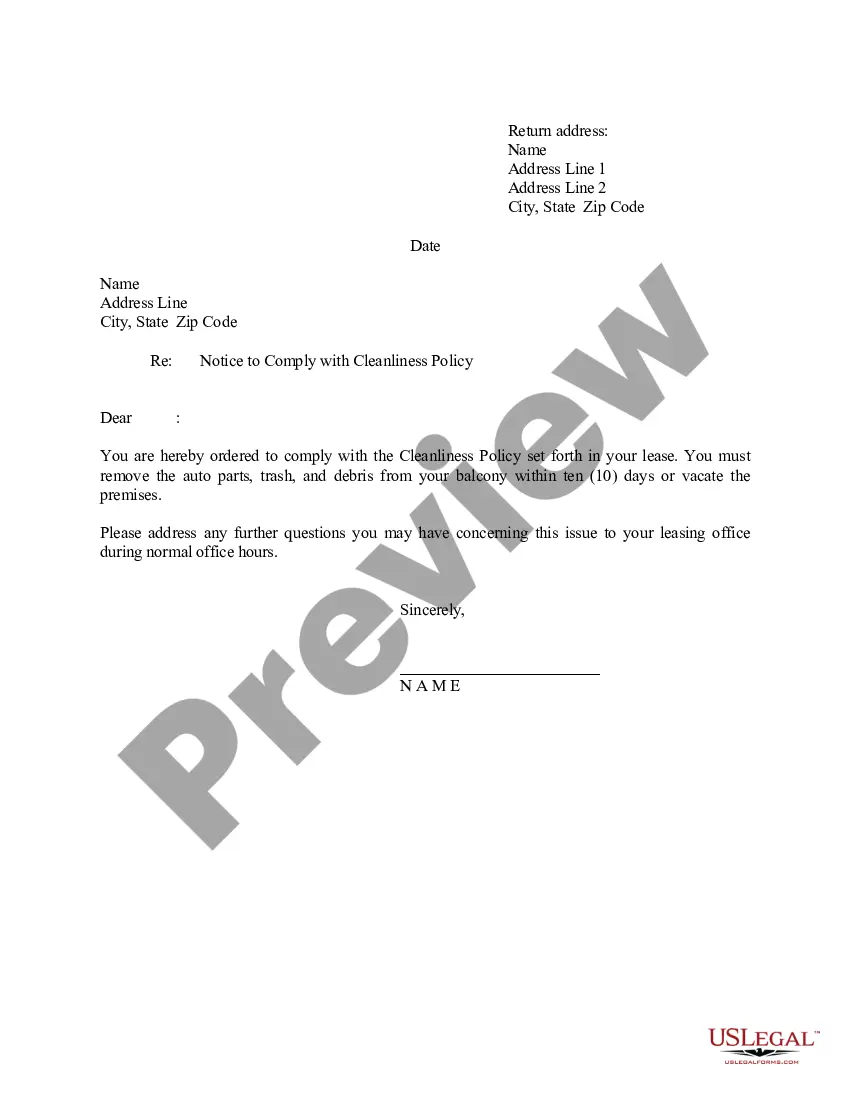
Landlord negligence refers to a landlord failing to provide a safe and habitable living environment. This includes ignoring repairs, not addressing health hazards, or failing to comply with housing codes. When a landlord's actions or inactions directly affect a tenant's well-being, it constitutes a tenant landlord failure for leaseholder. Tenants should document instances of negligence and communicate concerns clearly.
If a tenant won't allow you access for necessary repairs, it can create a tenant landlord failure for leaseholder situation. You should first communicate with the tenant, explaining the importance of the repairs for their safety and comfort. If communication does not resolve the issue, consult your lease agreement and local landlord-tenant laws. Documenting these interactions may help if further action is required.
If your landlord never provided you with a lease, start by documenting your tenancy details. Communicate directly with your landlord to clarify the situation and express your need for a written agreement. If this doesn't resolve the issue, look for legal options through trusted resources like US Legal Forms that can guide you through a tenant landlord failure for leaseholder scenario.
Yes, you can sue your landlord for violating lease terms. A breach might include not performing repairs or failing to adhere to agreed-upon rules. Documenting instances of violation strengthens your case. For support in handling tenant landlord failure for leaseholder disputes, consider resources available through platforms like US Legal Forms.
Yes, you can take legal action against your landlord for failing to make necessary repairs in Florida. Landlords are required to maintain safe living conditions, and a failure to address these issues can constitute a breach of the lease. Taking action often involves giving your landlord a chance to fix the problems first. Using US Legal Forms can help you navigate issues associated with tenant landlord failure for leaseholder concerns in Florida.
If your landlord fails to provide a lease, you still have options. You should document any agreements and communications regarding your tenancy. It may also be wise to discuss this issue directly with your landlord. If they remain uncooperative, consider exploring user-friendly platforms like US Legal Forms to understand your rights amid a tenant landlord failure for leaseholder situation.
When no tenancy agreement exists, rights and responsibilities may still be defined by local laws. Tenants typically have certain protections, even without a formal contract. However, resolving disputes can become complex without written guidelines. For clarity, referencing resources like US Legal Forms can provide valuable insights into tenant landlord failure for leaseholder cases.