Letter Landlord Building With Mold
Description
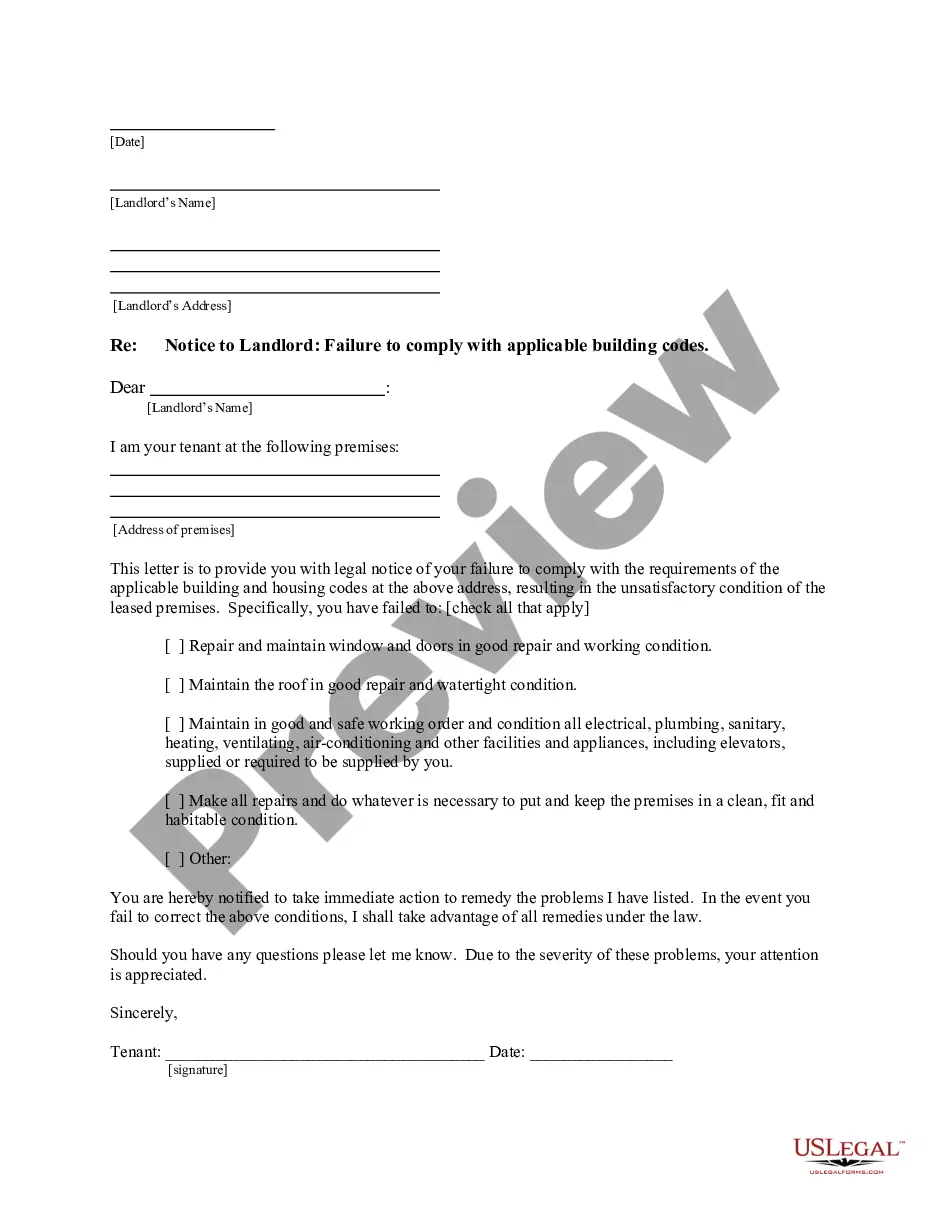
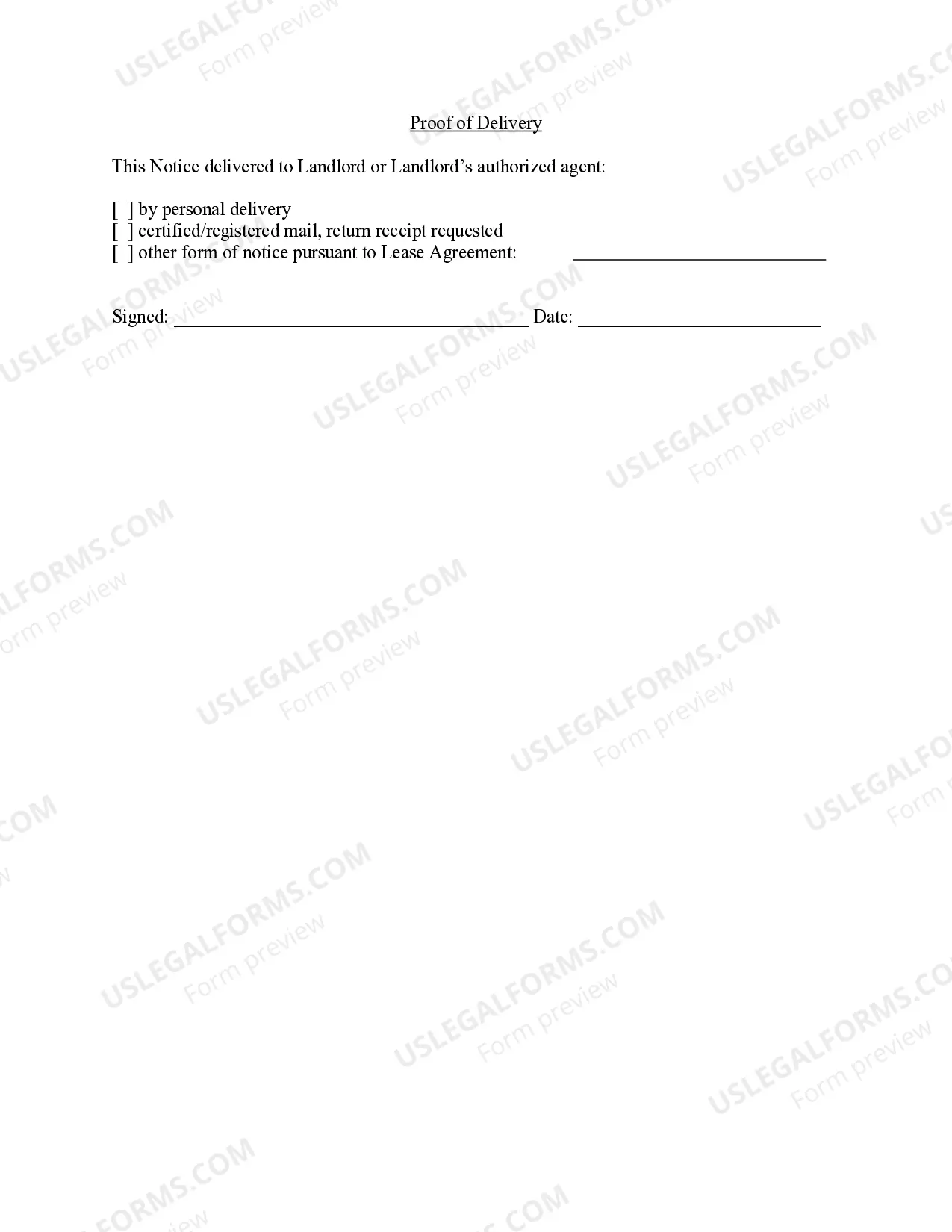

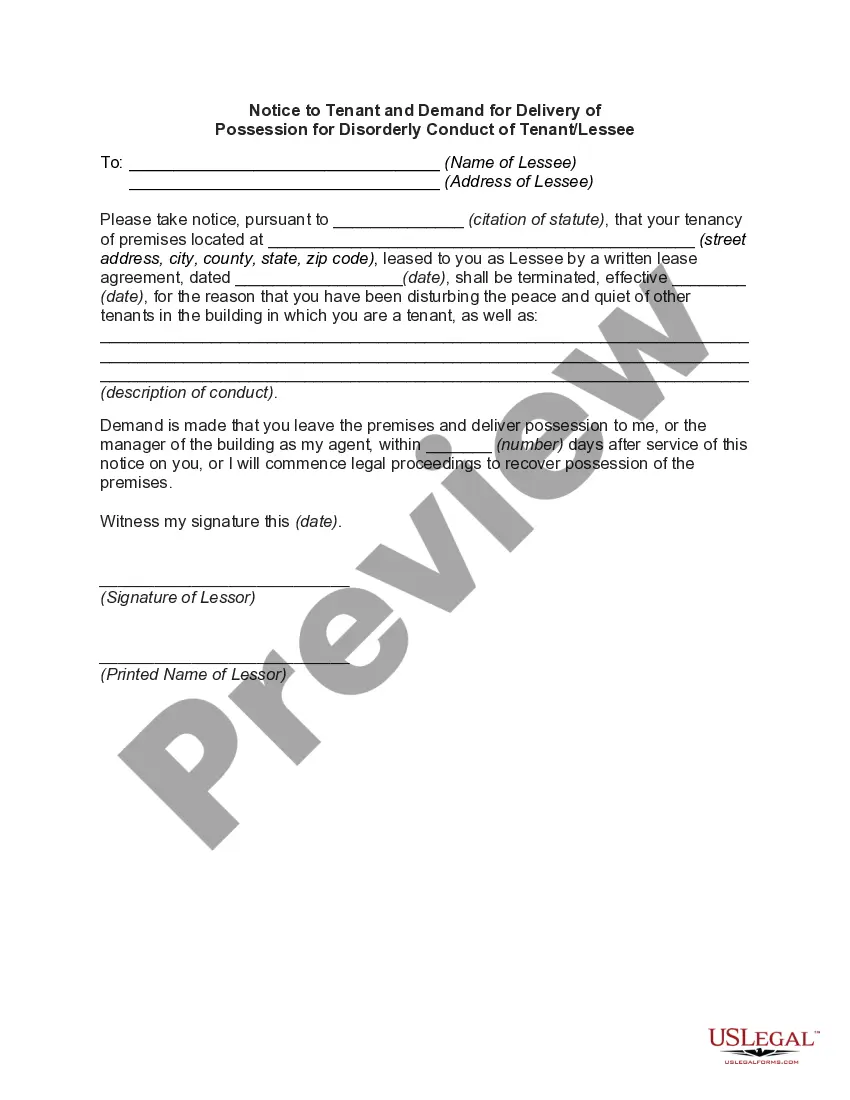
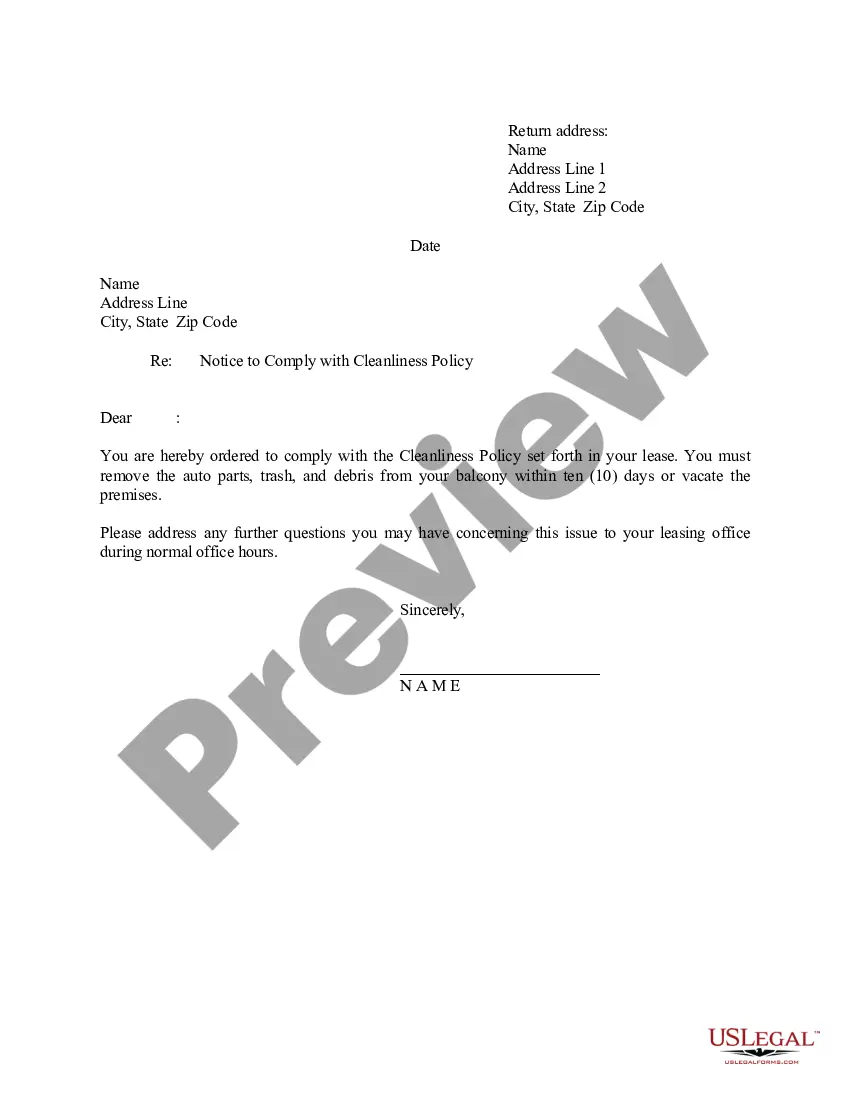

Get your form ready online
Our built-in tools help you complete, sign, share, and store your documents in one place.
Make edits, fill in missing information, and update formatting in US Legal Forms—just like you would in MS Word.
Download a copy, print it, send it by email, or mail it via USPS—whatever works best for your next step.
Sign and collect signatures with our SignNow integration. Send to multiple recipients, set reminders, and more. Go Premium to unlock E-Sign.
If this form requires notarization, complete it online through a secure video call—no need to meet a notary in person or wait for an appointment.
We protect your documents and personal data by following strict security and privacy standards.

Make edits, fill in missing information, and update formatting in US Legal Forms—just like you would in MS Word.

Download a copy, print it, send it by email, or mail it via USPS—whatever works best for your next step.

Sign and collect signatures with our SignNow integration. Send to multiple recipients, set reminders, and more. Go Premium to unlock E-Sign.

If this form requires notarization, complete it online through a secure video call—no need to meet a notary in person or wait for an appointment.

We protect your documents and personal data by following strict security and privacy standards.
Looking for another form?









How to fill out California Letter From Tenant To Landlord For Failure Of Landlord To Comply With Building Codes Affecting Health And Safety Or Resulting In Untenantable Condition - Demand For Remedy?
- Log in to your US Legal Forms account. If you're a returning user, ensure your subscription is active; renew it if necessary.
- Explore the template options. Review the descriptions and previews of the available documents to find one that suits your needs and complies with local laws.
- Search for other documents. If you notice discrepancies, utilize the Search feature to locate the correct template.
- Purchase your template. Click the Buy Now button and select your preferred subscription. Be sure to register for full access.
- Complete your transaction. Enter your payment details or opt for PayPal to finalize your subscription purchase.
- Download your letter. Save the completed template to your device. You can revisit it anytime through the My Forms section in your account.
US Legal Forms not only simplifies the process of obtaining legal documents, but it also empowers users with access to over 85,000 editable forms. By leveraging this extensive library, you ensure that your documents are both accurate and legally compliant.
Don't let mold issues linger. Start drafting your letter today using US Legal Forms and take the first step in protecting your living environment.
Form popularity
FAQ
When writing a letter to your landlord about mold, begin with your address and the date, followed by the landlord's information. Clearly describe the mold issue, noting when you first noticed it and any health impacts you are experiencing. Be sure to request specific actions, such as testing or remediation, and state a deadline for their response. This approach helps ensure that your letter about the building with mold is taken seriously.
To write an effective letter of complaint to your landlord regarding mold, start by clearly stating the problem. Include specific details about the mold presence and any health concerns it may cause. Use a respectful yet assertive tone, and request immediate action for remediation. Incorporate relevant laws if necessary, and express your expectation for a timely response to your letter about the mold issue.
When dealing with mold in your rental property, it often falls on the landlord to address the issue. However, if the mold is caused by tenant negligence, such as failing to report leaks or moisture, the responsibility may shift. It's essential to document any mold presence in a letter to your landlord, using a strong approach to make your case clear. The sooner you initiate communication, the better the chances of prompt action.
To sue your landlord for mold exposure, you first need to document the mold problem in your building. Start by gathering evidence, such as photographs, health records, and any communication with your landlord about the issue. You may also consider sending a formal letter to your landlord regarding the mold problem, which can help establish a record of your concerns. If your landlord does not respond or take action, you can then seek legal advice and potentially file a lawsuit to recover damages caused by the mold exposure.
To write a letter to get out of your lease due to mold, start by stating your intent clearly. Describe the mold problem in detail, including how it affects your health and safety. Make sure to reference your previous communications about the issue. Providing this information in a structured letter can help you formally document the problem with the landlord building with mold and ensure you're following the correct process.
Yes, you can legally withhold rent in Virginia if mold affects your living conditions and the landlord does not act to fix it. You should notify your landlord in writing about the mold situation in your building, allowing them a chance to resolve it. If they fail to respond promptly, you can withhold rent until the issue is resolved. Remember, proper documentation of the situation in your letter to the landlord is essential.
Tenants in Virginia may withhold rent when the landlord fails to make necessary repairs, including those related to mold. However, it’s important to first provide written notice to the landlord and allow them a reasonable time to fix the issue. If the repairs are not made, you can proceed to withhold rent as a protective measure. Utilizing a letter to document your concerns about the landlord building with mold can strengthen your case.
In Virginia, a landlord must address mold issues within a reasonable time after being notified. Usually, this means they should act quickly to remedy the problem, typically within a few days. If the mold poses a health risk, then the urgency increases. You may want to consider sending a formal letter to your landlord regarding the building with mold, detailing the issues and asking for prompt action.
In Virginia, tenants may have grounds to withhold rent if mold poses a serious health risk and the landlord does not respond to requests for remediation. It's essential first to communicate your concerns in writing. A 'Letter landlord building with mold' can help establish your case and demonstrate that you've acted reasonably.
Proving mold exposure typically involves documenting symptoms, obtaining medical evaluations, and collecting evidence of mold presence in your building. Keep records of any communication with your landlord regarding your concerns. A well-crafted letter can serve as a formal notification to strengthen your case.