Tenant Landlord With Foreclosure
Description



Get your form ready online
Our built-in tools help you complete, sign, share, and store your documents in one place.
Make edits, fill in missing information, and update formatting in US Legal Forms—just like you would in MS Word.
Download a copy, print it, send it by email, or mail it via USPS—whatever works best for your next step.
Sign and collect signatures with our SignNow integration. Send to multiple recipients, set reminders, and more. Go Premium to unlock E-Sign.
If this form requires notarization, complete it online through a secure video call—no need to meet a notary in person or wait for an appointment.
We protect your documents and personal data by following strict security and privacy standards.

Make edits, fill in missing information, and update formatting in US Legal Forms—just like you would in MS Word.

Download a copy, print it, send it by email, or mail it via USPS—whatever works best for your next step.

Sign and collect signatures with our SignNow integration. Send to multiple recipients, set reminders, and more. Go Premium to unlock E-Sign.

If this form requires notarization, complete it online through a secure video call—no need to meet a notary in person or wait for an appointment.

We protect your documents and personal data by following strict security and privacy standards.
Looking for another form?







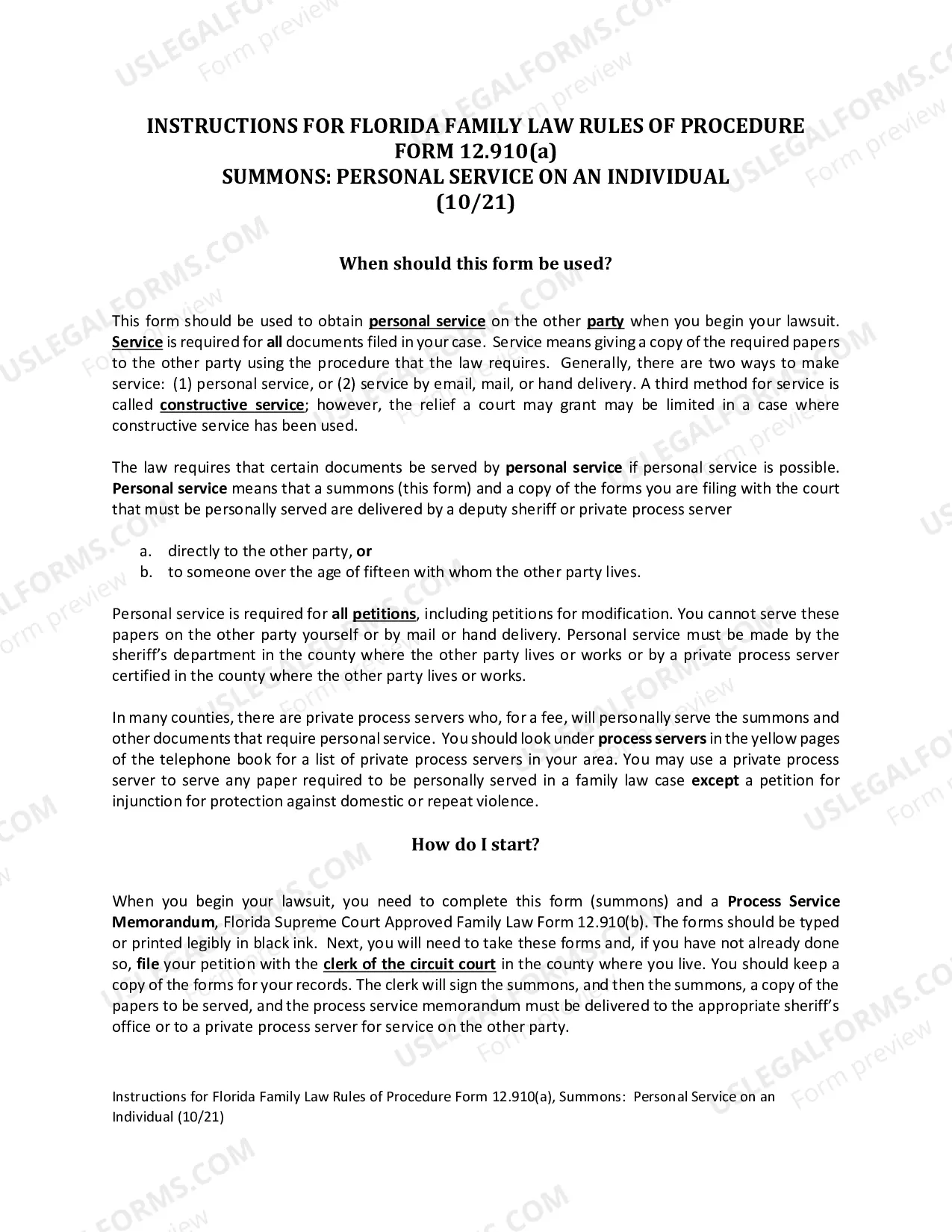


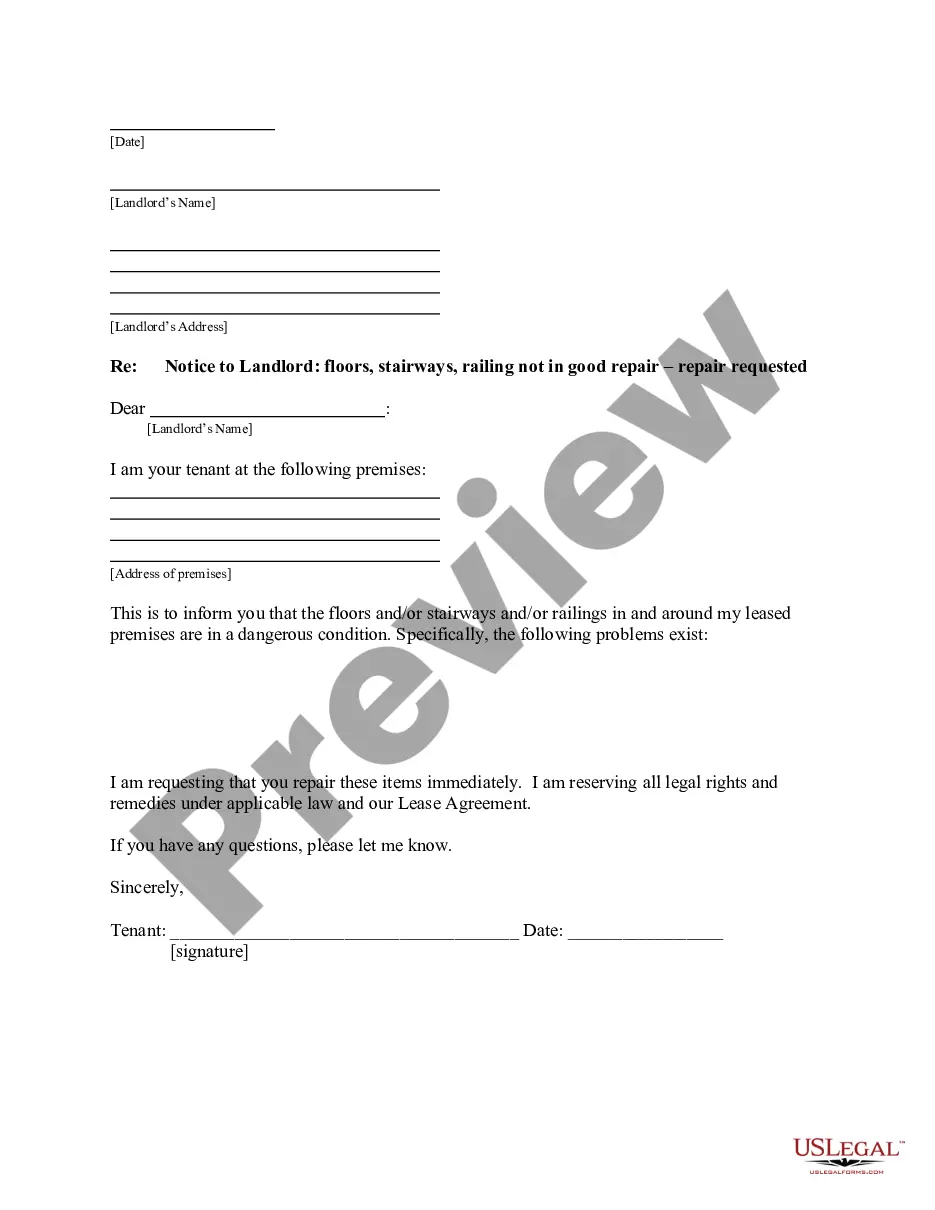
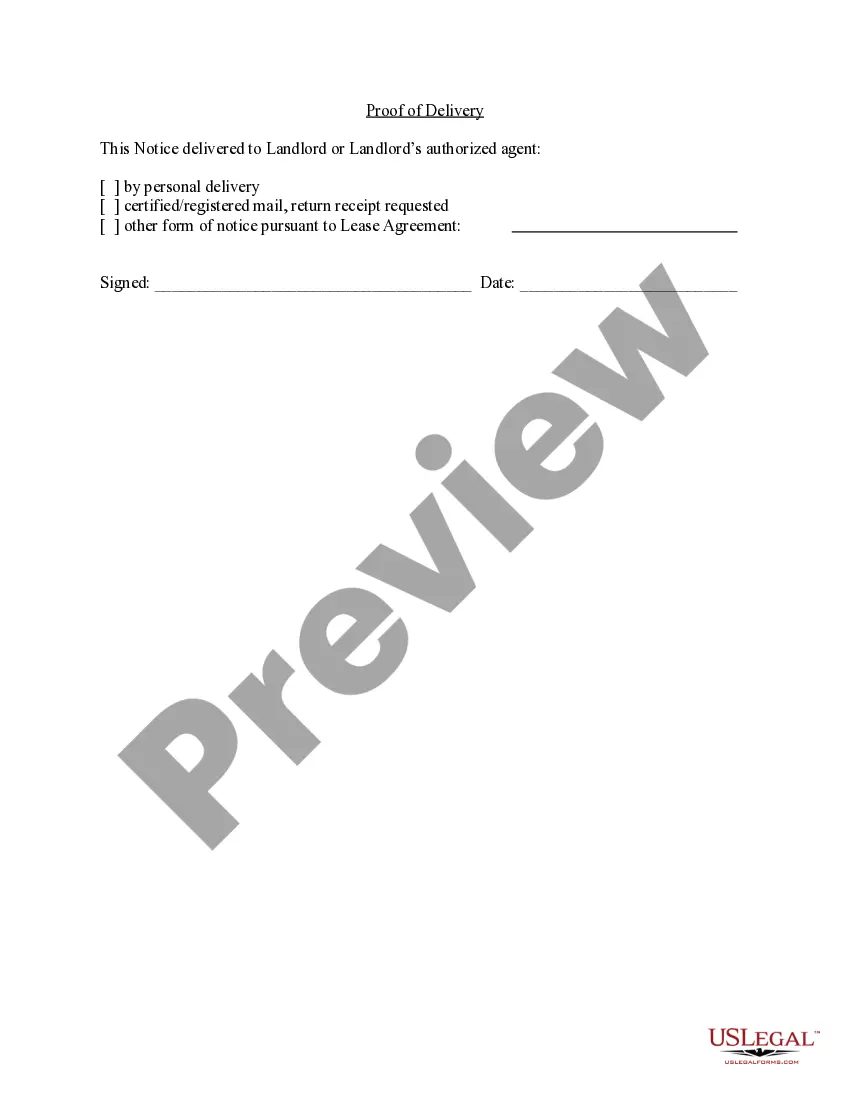
How to fill out California Letter From Tenant To Landlord With Demand That Landlord Repair Floors, Stairs Or Railings?
- If you're a returning user, log in to your account and download the relevant form template by clicking the Download button. Ensure your subscription is active, or renew it based on your selected payment plan.
- For first-time users, start by reviewing the form previews and descriptions to identify the one that aligns with your requirements and complies with your local jurisdiction.
- If you need a different template, utilize the Search tab to find alternatives that meet your needs. Once you discover the suitable form, proceed to the next step.
- Purchase the document by clicking the Buy Now button and selecting your preferred subscription plan. You will need to create an account to gain full access to the library.
- Complete your purchase by entering your payment information through credit card or PayPal. This secures your subscription.
- Finally, download your form and save it to your device. You can find it at any time in the My Forms section of your account.
Utilizing US Legal Forms simplifies the process of obtaining legal documents related to tenant-landlord issues amidst foreclosure. With a robust form collection and expert support, you can ensure your documents are accurate and legally compliant.
Take control of your legal documentation today! Visit US Legal Forms and begin your journey toward hassle-free legal solutions.
Form popularity
FAQ
If you don’t inform your lender that you are renting out your home, you may breach your mortgage agreement. This can lead to serious consequences, including foreclosure. The lender has the right to act upon this breach, potentially putting both your finances and your tenants at risk. To avoid complications, explore the resources at US Legal Forms, which provide clarity on the responsibilities of a tenant landlord with foreclosure and help you stay compliant.
Yes, a landlord can place a lien against you for unpaid rent or damages. This legal claim secures the landlord's interest in the property, and it could affect your finances. If you fall behind on payments, the landlord may have options to collect, so staying updated on your obligations is crucial. For guidance on handling potential liens and tenant rights, US Legal Forms offers valuable information and support to navigate these situations.
When a landlord defaults on their mortgage, they face the risk of foreclosure. This can lead to the loss of the property, which directly affects you as a tenant. If the property enters foreclosure, you may have to vacate the premises, often with little warning. To protect yourself, consider researching resources through US Legal Forms, which can help you understand your rights and options as a tenant landlord with foreclosure.
The US code that outlines the Protecting Tenants at Foreclosure Act is found under Title 12, Section 5220 of the United States Code. This legislation outlines tenants' rights when a property faces foreclosure. Familiarizing yourself with this code can help you understand your rights and options as a tenant. Utilizing resources like USLegalForms can provide valuable guidance on how to navigate these legalities.
Yes, you can rent an apartment even if you have a foreclosure on your record. Many landlords focus on current financial stability and personal references more than past issues. Being honest about your situation and showing proof of a steady income can improve your chances significantly. Additionally, leveraging tools like USLegalForms can help you present your case effectively to potential landlords.
Finding a rental after a foreclosure involves being proactive and diligent in your search. Start by gathering all necessary documentation that proves your income and reliability as a tenant. Networking with friends or community groups can reveal hidden opportunities. Utilizing services like USLegalForms can also provide resources and insights to ease your rental search while you deal with the aftermath of a landlord with foreclosure.
Renting an apartment after experiencing a foreclosure is possible, though it may be more challenging. Landlords often consider rental history and credit scores, which may be affected by a foreclosure. However, some landlords are willing to work with tenants who show reliability and a stable income despite past issues. You may want to explore platforms like USLegalForms for assistance in navigating these challenges.
The Protecting Tenants at Foreclosure Act provides specific rights to tenants living in properties undergoing foreclosure. This law ensures that tenants can remain in their homes for a set period, even if the property is sold at auction. It aims to protect tenants from sudden eviction and gives them time to find new housing. Knowing this can empower you as a tenant dealing with a landlord and foreclosure situation.
When a landlord defaults on a mortgage, the lender can initiate foreclosure proceedings. This process may lead to the loss of the property, affecting all tenants living there. Tenants may face eviction or need to find new housing if the foreclosure is finalized. Understanding your options as a tenant with a landlord facing foreclosure can be crucial for your stability.
A foreclosure can significantly impact your record and credit score for several years. It reflects negatively on your financial history, making it difficult to secure new housing or loans. If you are a tenant living in a property affected by a landlord with foreclosure, your rental situation may become unstable. It's important to understand your rights and options in such circumstances.