Who Tax Exempt
Description
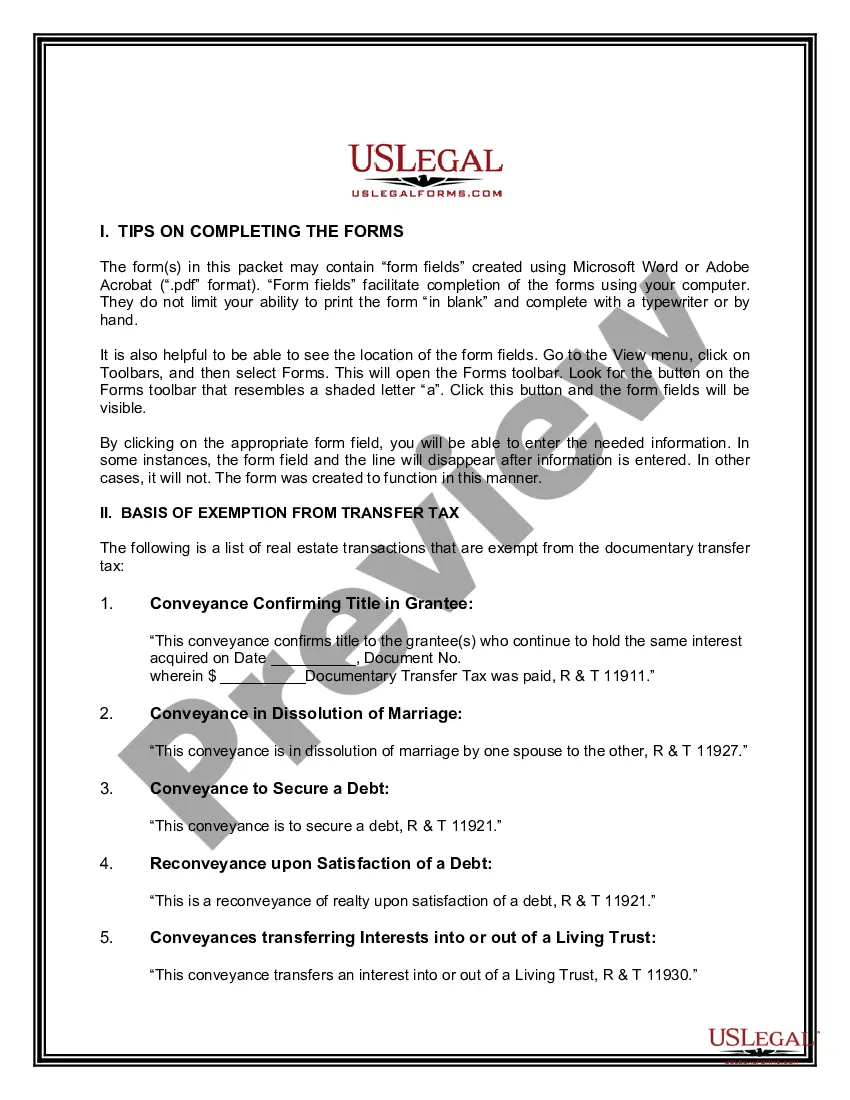
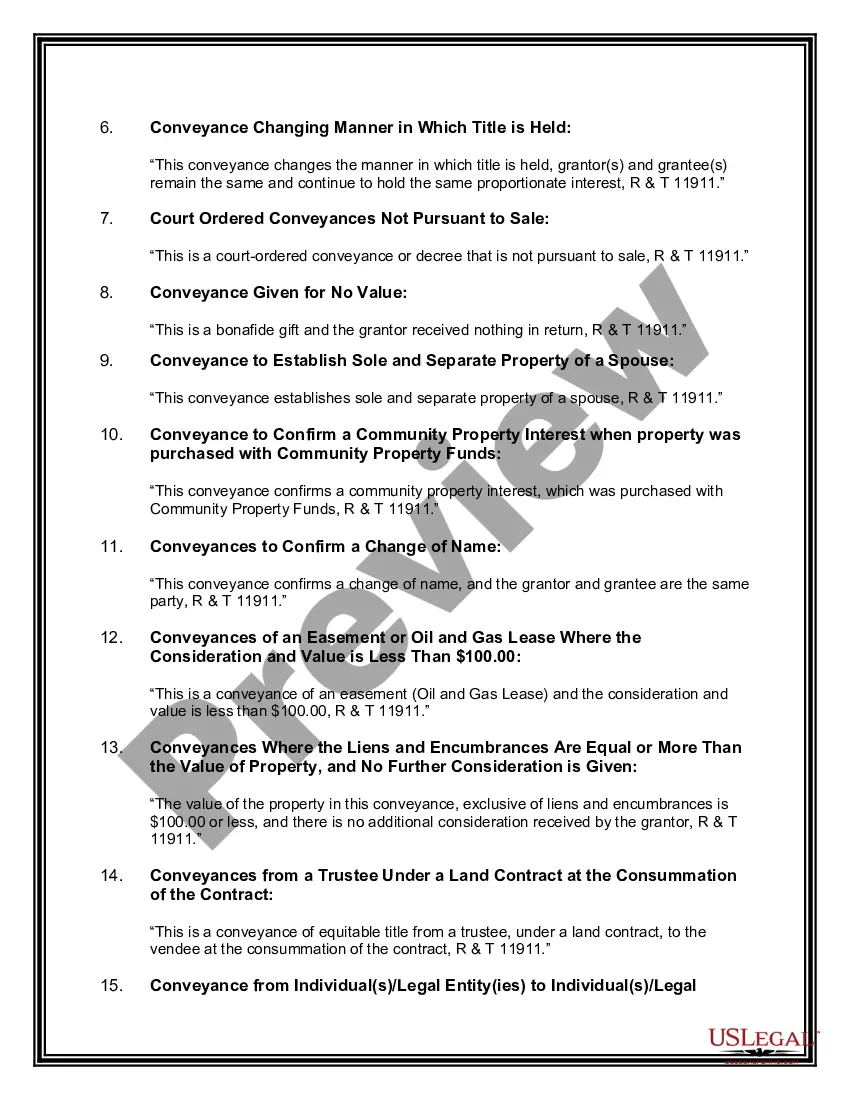
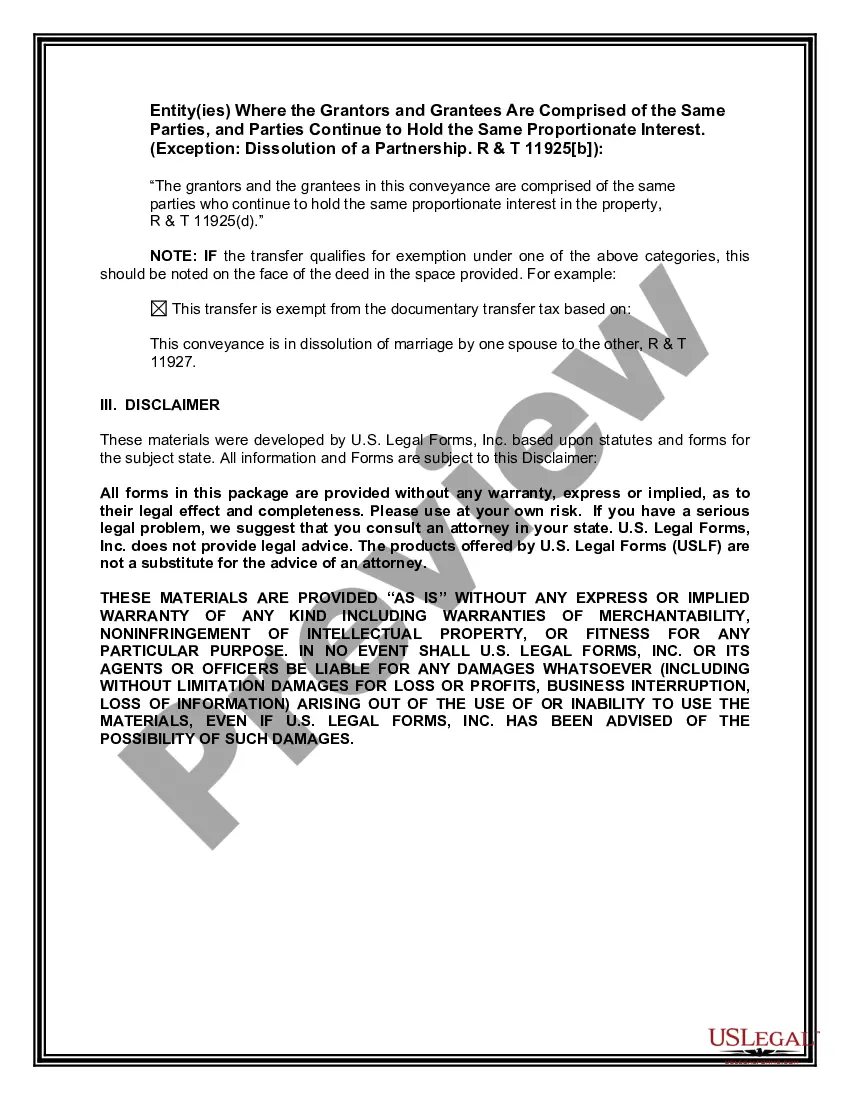
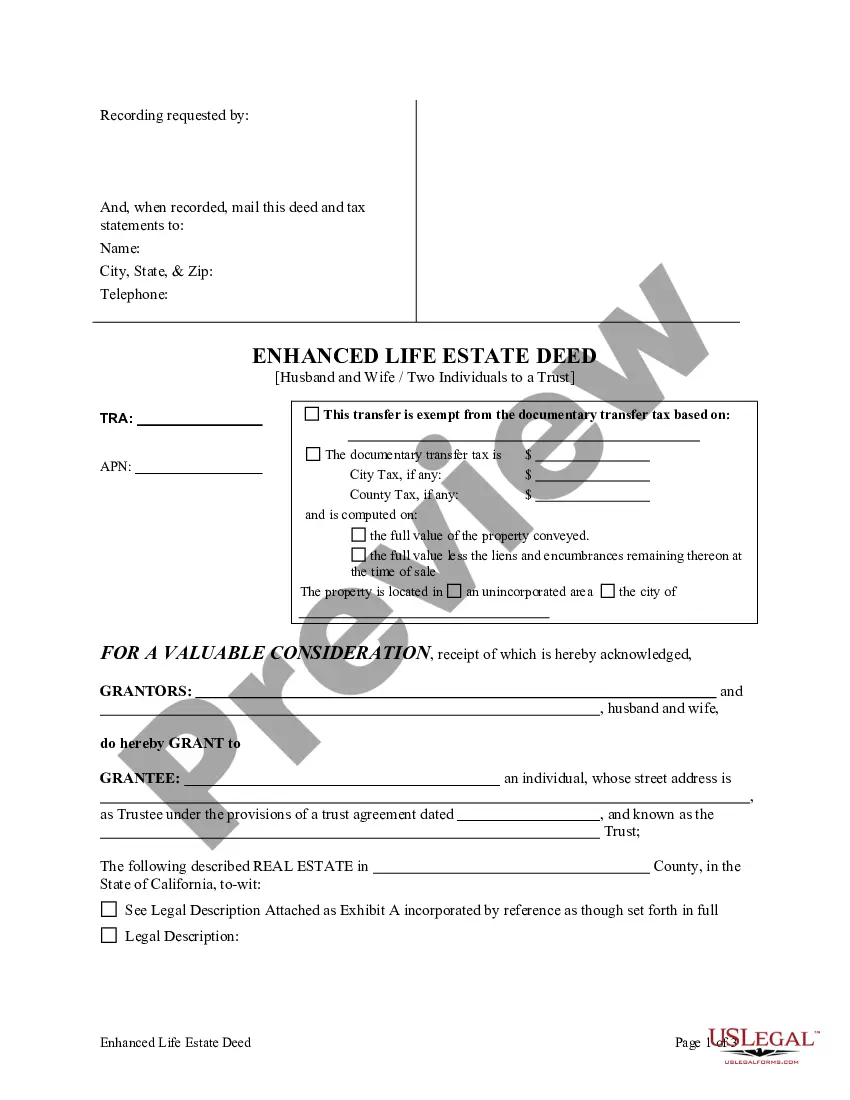
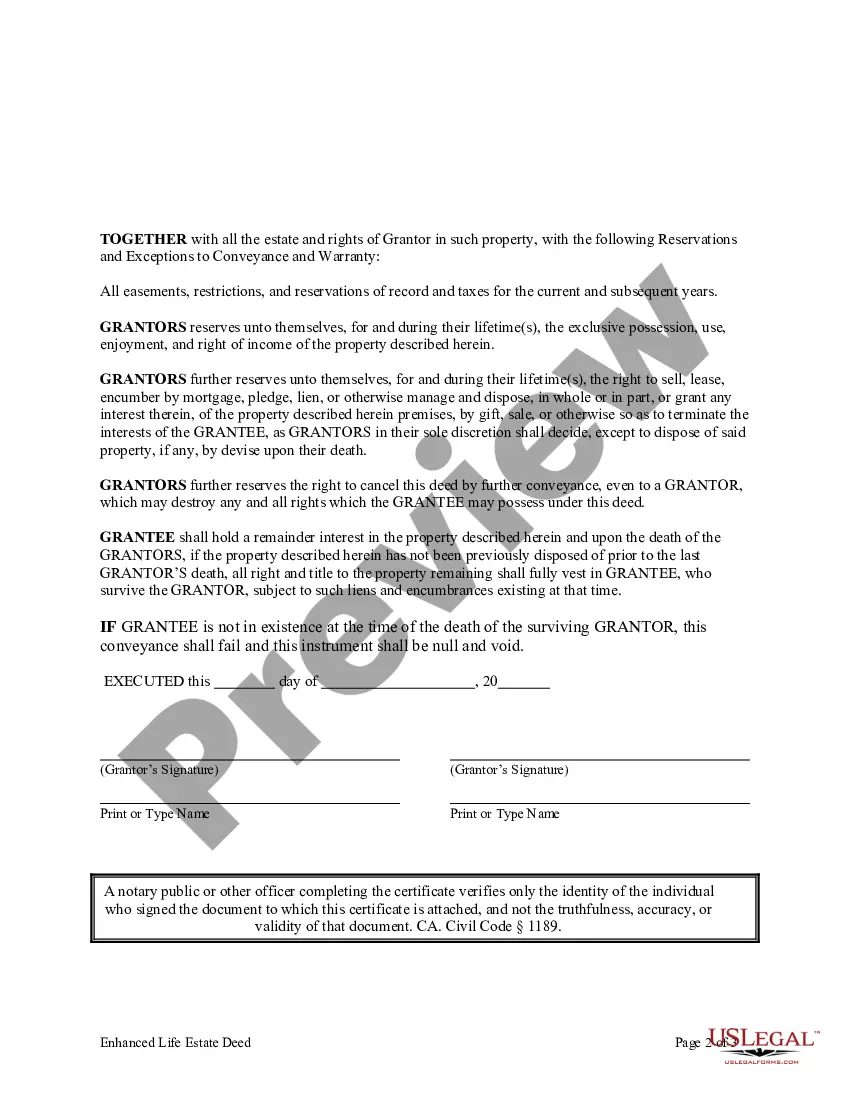
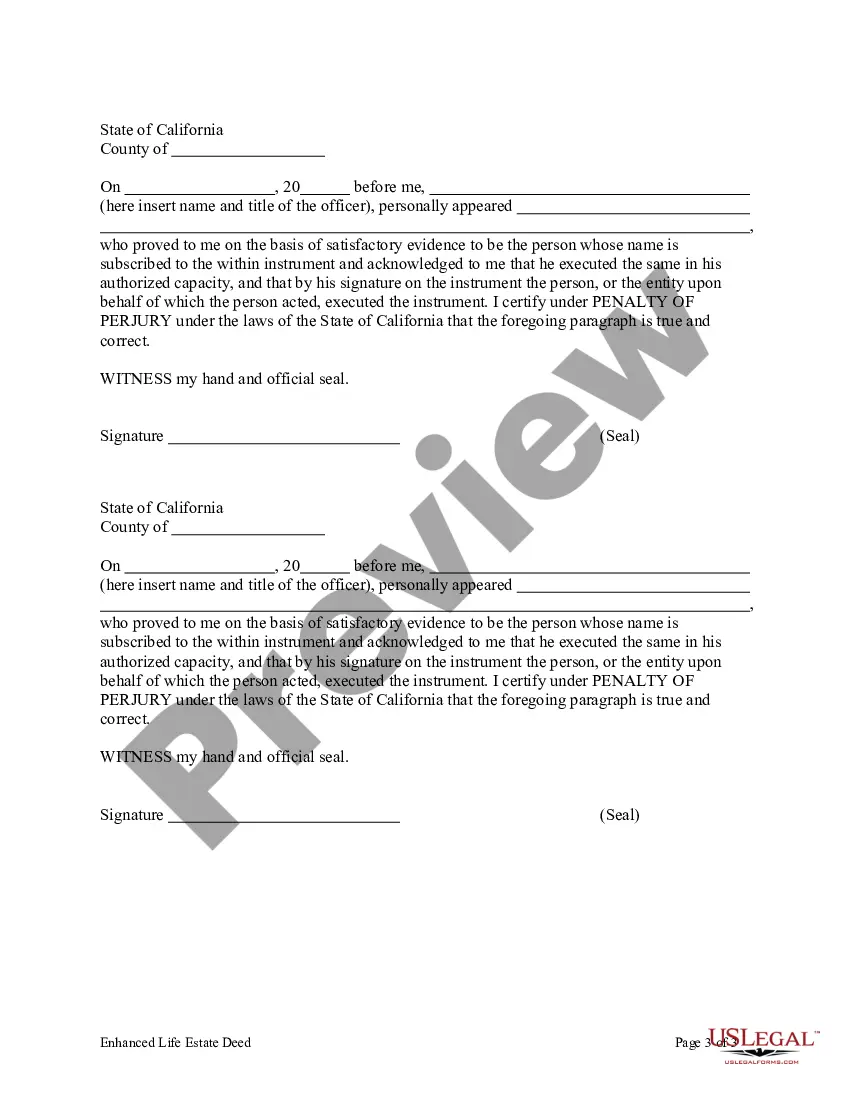



Get your form ready online
Our built-in tools help you complete, sign, share, and store your documents in one place.
Make edits, fill in missing information, and update formatting in US Legal Forms—just like you would in MS Word.
Download a copy, print it, send it by email, or mail it via USPS—whatever works best for your next step.
Sign and collect signatures with our SignNow integration. Send to multiple recipients, set reminders, and more. Go Premium to unlock E-Sign.
If this form requires notarization, complete it online through a secure video call—no need to meet a notary in person or wait for an appointment.
We protect your documents and personal data by following strict security and privacy standards.

Make edits, fill in missing information, and update formatting in US Legal Forms—just like you would in MS Word.

Download a copy, print it, send it by email, or mail it via USPS—whatever works best for your next step.

Sign and collect signatures with our SignNow integration. Send to multiple recipients, set reminders, and more. Go Premium to unlock E-Sign.

If this form requires notarization, complete it online through a secure video call—no need to meet a notary in person or wait for an appointment.

We protect your documents and personal data by following strict security and privacy standards.
Looking for another form?

How to fill out California Enhanced Life Estate Deed From Husband And Wife, Or Two Individuals, To A Trust.?
- Log in to your US Legal Forms account if you're a returning user, ensuring your subscription is active. If necessary, renew your plan to maintain access.
- For first-time users, start by browsing through the extensive library, checking the preview mode and descriptions to select the correct document that meets your jurisdiction's requirements.
- If you find that the chosen document doesn't suit your needs, use the search feature to locate alternative templates that may be more fitting.
- Purchase the document by clicking the 'Buy Now' button and selecting a subscription plan that works for you. You'll need to create an account to unlock the full range of resources.
- Complete your purchase by entering your payment information using a credit card or PayPal account, securing your access to essential forms.
- Download the selected legal form and save it to your device. You can re-access this document later in the 'My Forms' section of your account.
Utilizing US Legal Forms is a strategic approach to obtaining and managing legal documents efficiently. With over 85,000 forms available and the option to consult with legal experts for assistance, you're guaranteed to create accurate and legally sound documents tailored to your requirements.
Ready to streamline your legal document process? Visit US Legal Forms today to start your journey toward effortless legal compliance.
Form popularity
FAQ
Filling out a tax-exempt form involves providing accurate details about your status and the reasons for your exemption. Depending on the form, you may need to include your organization's tax ID number and your classification. It’s essential to ensure all information aligns with IRS guidelines to avoid issues later. US Legal Forms provides a valuable resource for finding the right forms and ensuring you fill them out correctly.
To fill out exempt properly, start by identifying the form required, usually related to income tax withholding. Ensure you meet the criteria for tax exemption, then complete the form accurately, indicating your status. This may involve providing specific information about your income and past tax filings. For additional help, US Legal Forms offers templates that guide you through the completion process.
When filling out a W-9 for a tax-exempt organization, you should provide the legal name of the organization as it appears on the IRS records. You'll also need to indicate the tax classification, generally as 501(c)(3) for charitable organizations. Be sure to sign and date the form, confirming that the organization is indeed tax exempt. US Legal Forms can simplify this process by offering pre-filled templates and instructions.
Choosing exempt on your taxes means you believe you won't owe any tax for the year. To do this correctly, you should fill out Form W-4 and indicate your exempt status. Make sure you meet the criteria for being tax exempt, which typically involves not having any tax liability for the previous year and expecting none for the current year. For guidance on this, US Legal Forms provides resources and forms to help you navigate this process.
Claiming exempt can be beneficial for individuals who genuinely expect no tax liability for the year. However, if you incorrectly claim exempt and end up owing taxes, you could face penalties. It's wise to evaluate your situation carefully and consider the information available at USLegalForms to ensure you make the best choice.
Exempt individuals typically include those with very low incomes, students, and certain government assistance recipients. These individuals qualify for special tax treatment under the IRS rules. To better understand your position, consider looking into the resources on USLegalForms, which can provide the necessary documentation and insight.
Whether it's better to be exempt or non-exempt largely depends on your income and tax situation. Being non-exempt typically means you will have taxes withheld from your paycheck, which can be beneficial if you expect to owe taxes. Assessing your fiscal year using tools on USLegalForms can clarify which status may be more advantageous for you.
Choosing between claiming 0 or tax-exempt status depends on your individual financial situation. Claiming 0 will withhold the maximum amount of tax, which can lead to a refund, while exempt status means no federal taxes are withheld at all. Evaluating your tax liability and using resources like USLegalForms can help you make a more informed decision.
Individuals who expect to have no federal tax liability for the year should consider claiming exempt status. This often applies to students or those with minimal earnings. Ensure you understand whether you fit this description by seeking guidance through platforms like USLegalForms.
An employee may be considered tax-exempt if they meet specific IRS criteria, such as having very low income or certain types of government assistance. This status means that federal income tax will not be withheld from their paycheck. If you think you should claim such status, explore our resources on USLegalForms to help navigate your situation properly.