Life Estate Trust With A Beneficiary
Description
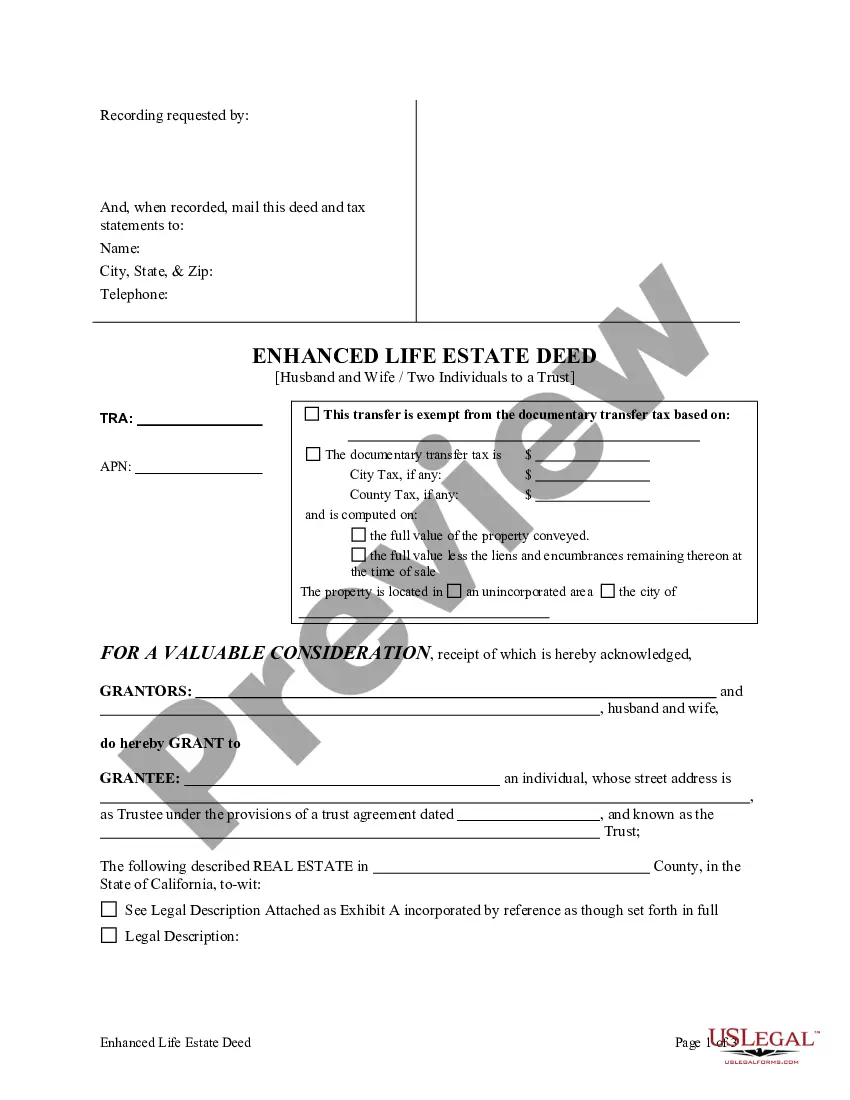
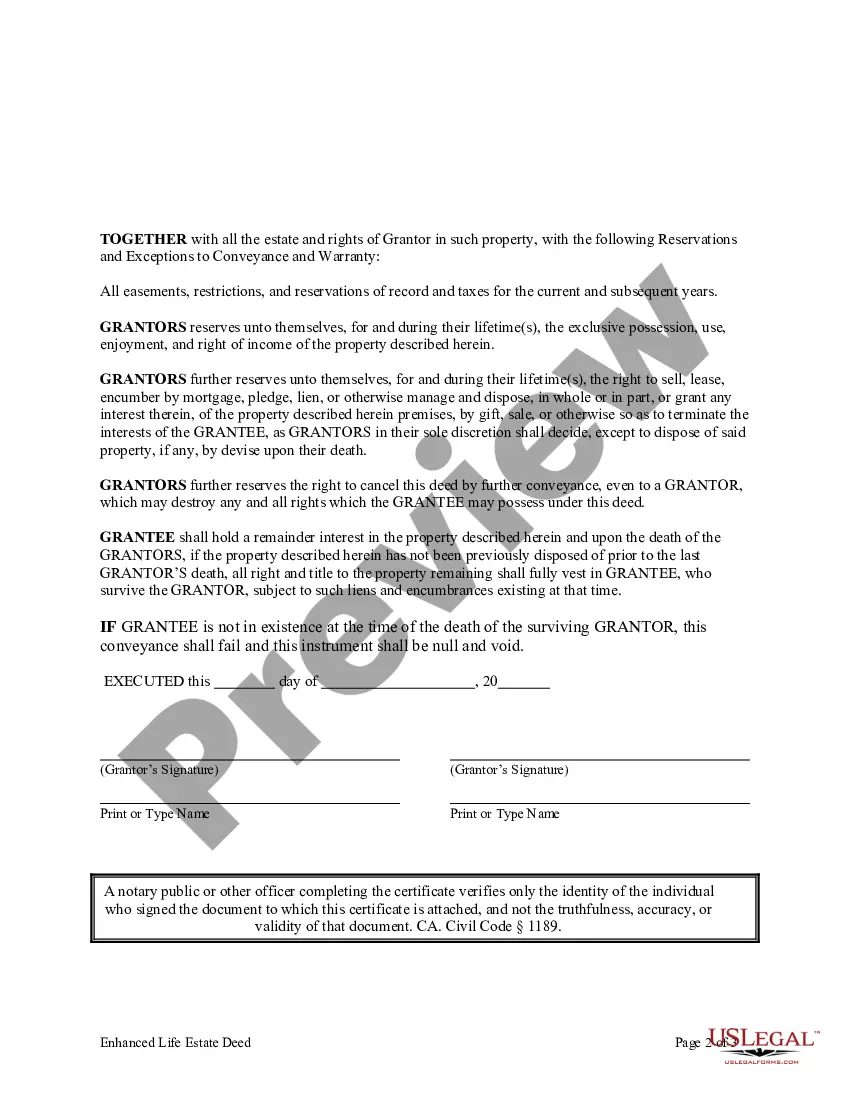
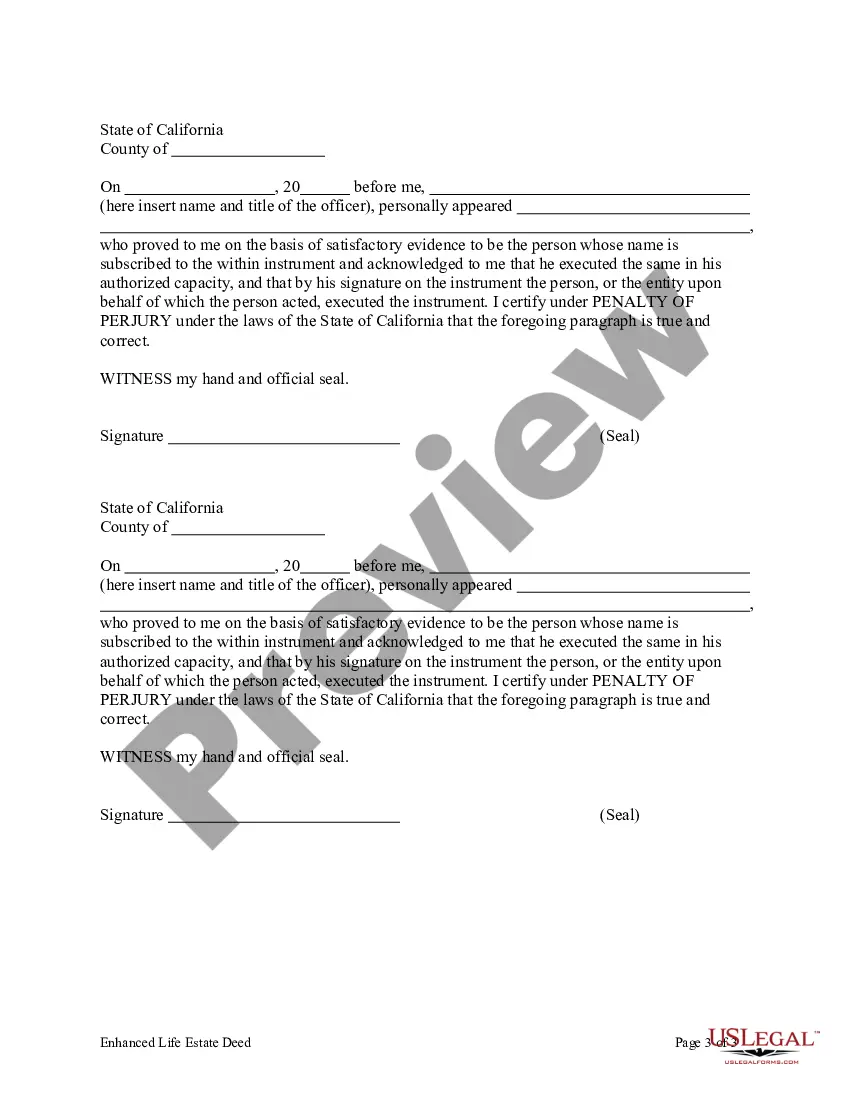
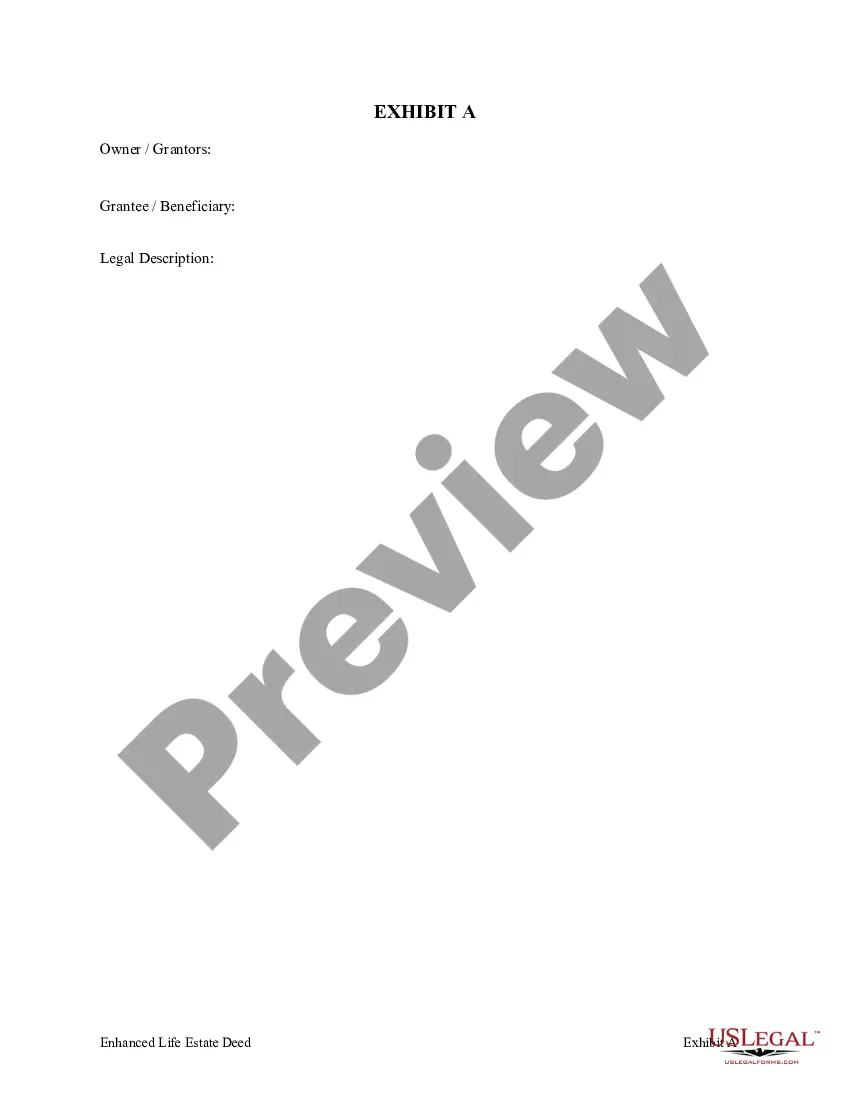

Get your form ready online
Our built-in tools help you complete, sign, share, and store your documents in one place.
Make edits, fill in missing information, and update formatting in US Legal Forms—just like you would in MS Word.
Download a copy, print it, send it by email, or mail it via USPS—whatever works best for your next step.
Sign and collect signatures with our SignNow integration. Send to multiple recipients, set reminders, and more. Go Premium to unlock E-Sign.
If this form requires notarization, complete it online through a secure video call—no need to meet a notary in person or wait for an appointment.
We protect your documents and personal data by following strict security and privacy standards.

Make edits, fill in missing information, and update formatting in US Legal Forms—just like you would in MS Word.

Download a copy, print it, send it by email, or mail it via USPS—whatever works best for your next step.

Sign and collect signatures with our SignNow integration. Send to multiple recipients, set reminders, and more. Go Premium to unlock E-Sign.

If this form requires notarization, complete it online through a secure video call—no need to meet a notary in person or wait for an appointment.

We protect your documents and personal data by following strict security and privacy standards.
Looking for another form?
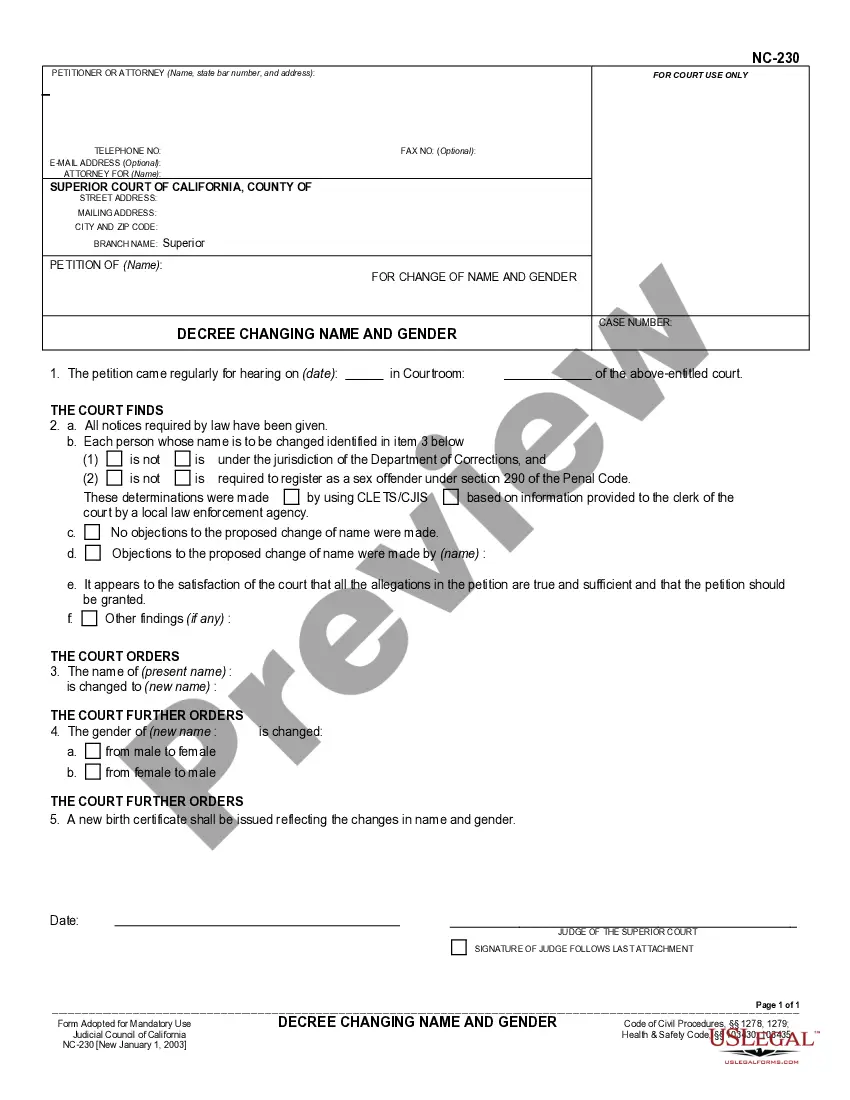






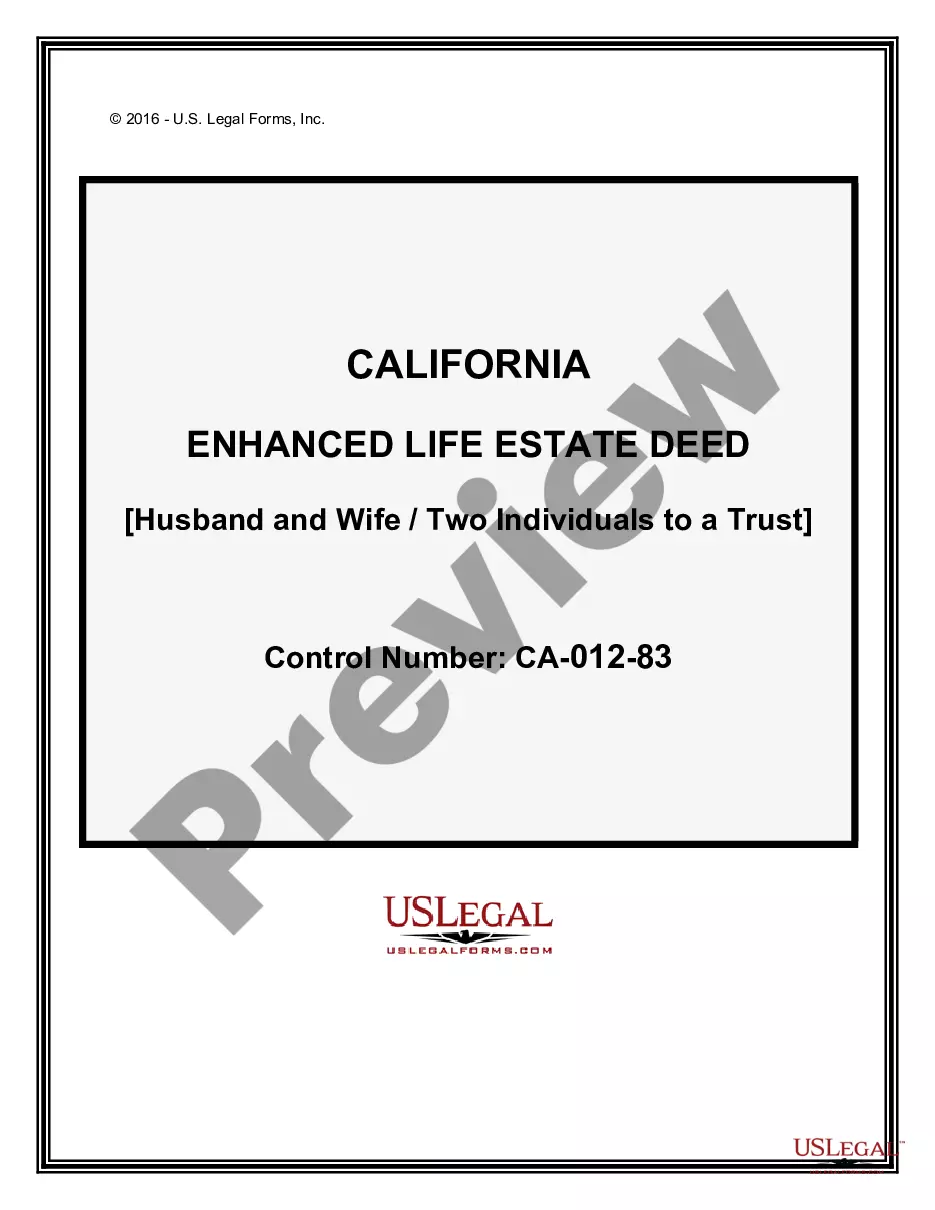
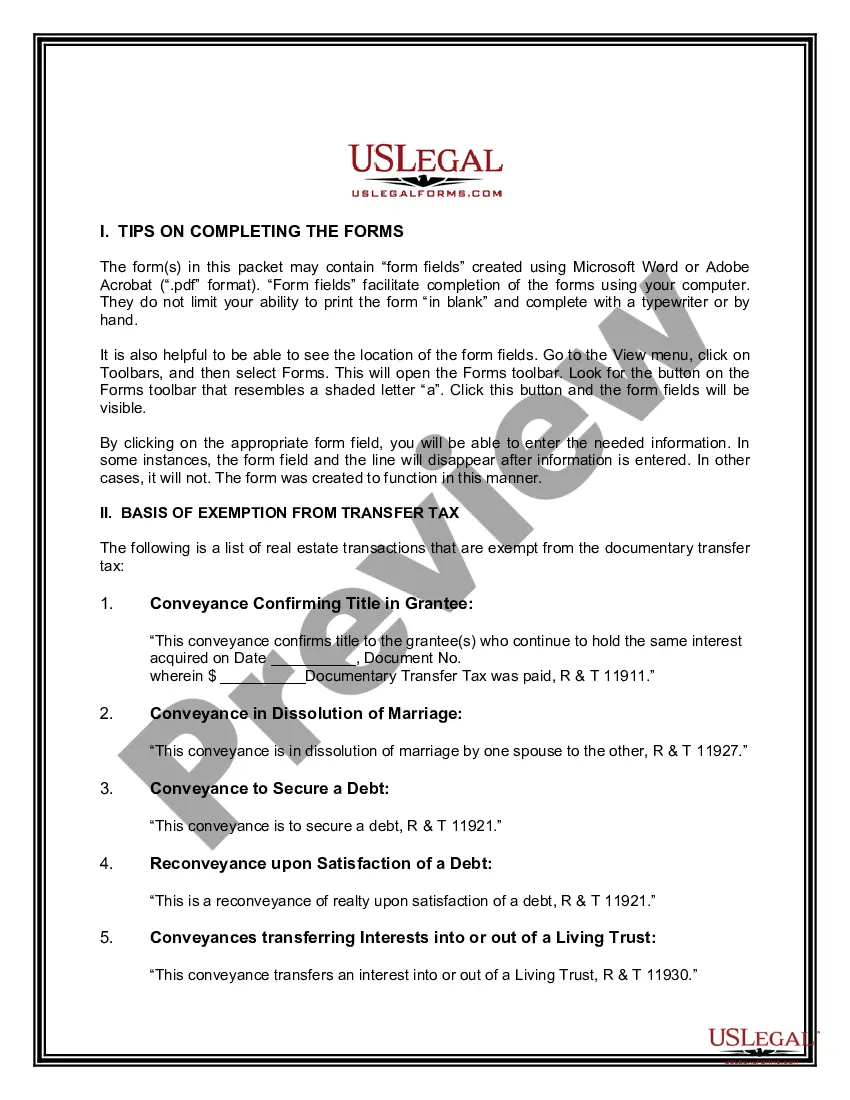
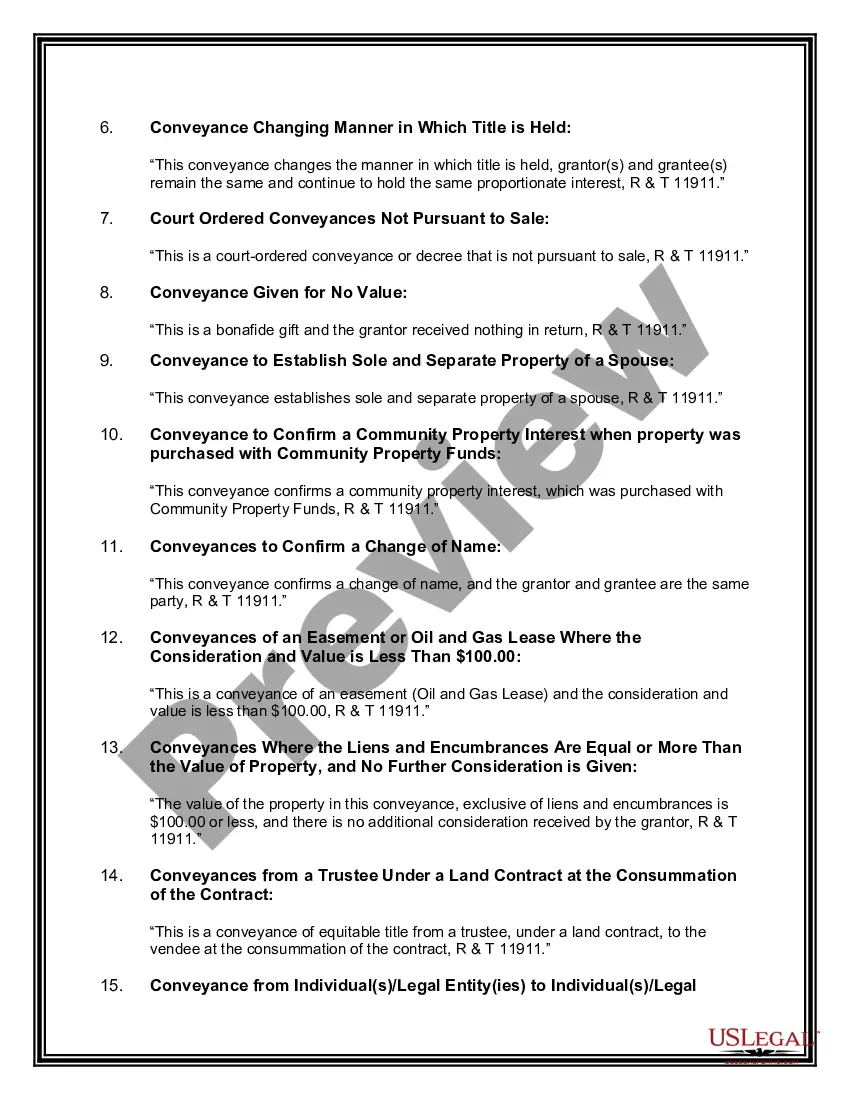
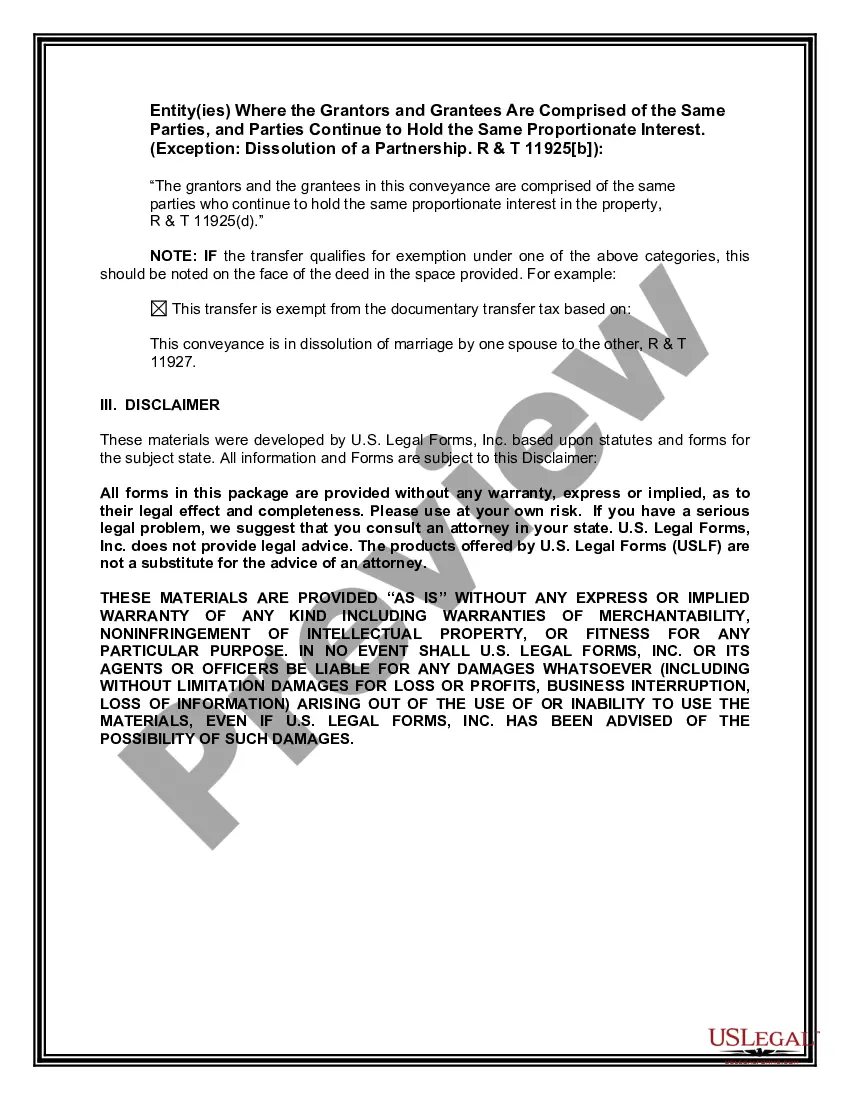
How to fill out California Enhanced Life Estate Deed From Husband And Wife, Or Two Individuals, To A Trust.?
- Log in to your US Legal Forms account if you're a returning user to access your documents by selecting the desired form and clicking 'Download'. Confirm that your subscription is active. If it's not, proceed to renew based on your existing plan.
- For first-time users, begin by exploring the Preview mode to review form descriptions, ensuring it aligns with your specific needs and local laws.
- If you need a different document, utilize the Search functionality to find an alternative template that fits your requirements.
- Once you find the correct form, click on the 'Buy Now' button to select your desired subscription plan. Remember to register an account to unlock full access.
- Complete your purchase by providing payment details via credit card or PayPal.
- After the payment is processed, download the form, saving it to your device. You can always revisit your templates under the 'My Forms' section in your profile.
By following these simple steps, you can efficiently create a life estate trust with a beneficiary that meets your legal and personal needs.
US Legal Forms not only simplifies document creation but also connects you with experts to ensure your forms are completed accurately. Start your estate planning today for peace of mind!
Form popularity
FAQ
Yes, you can incorporate a life estate into a trust. This can provide additional benefits, such as facilitating smoother transitions of property ownership and potentially reducing estate taxes. By forming a life estate trust with a beneficiary, you can manage your property more efficiently and ensure your wishes are respected during and after your lifetime.
The primary purpose of a life estate is to allow someone to live in or use a property for their lifetime while ensuring that the property's ownership passes to another party after their death. This arrangement can simplify estate planning and help avoid probate. By using a life estate trust with a beneficiary, you can effectively secure the property for future generations while retaining enjoyment of the property in the present.
In most cases, the life estate holder is responsible for paying property taxes on the property. This obligation arises because they benefit from using the property during their lifetime. When establishing a life estate trust with a beneficiary, it is important to clarify financial responsibilities to avoid misunderstandings that could arise later.
Selling a house that is in a life estate can be complex. The life estate holder has the right to live in the property for their lifetime, but they cannot sell the house without the consent of the remainderman, the person who receives the property after the life estate ends. As you consider creating a life estate trust with a beneficiary, it’s essential to consult with a legal professional to navigate these rules effectively.
A life estate trust with a beneficiary allows you to transfer your property into the trust while retaining the right to use it during your lifetime. Once you pass away, the property automatically transfers to your named beneficiaries without going through probate. This structure not only simplifies the transfer of assets but also allows you to maintain control and enjoyment of your property until the end of your life.
The main downfall of a living trust is that it does not cover all assets, particularly assets outside of the trust, which may lead to complications for your beneficiaries. Additionally, a life estate trust with a beneficiary may not provide the same level of creditor protection as other estate planning tools. As a result, it's important to regularly review and update your trust to ensure it aligns with your goals and covers all your assets.
One of the biggest mistakes parents make when setting up a trust fund is not clearly defining the terms of the life estate trust with a beneficiary. This can lead to confusion and disputes among heirs after your passing. It's essential to communicate your intentions and choose trustees who are responsible and trustworthy to administer the trust according to your wishes.
The purpose of a life estate trust with a beneficiary is to manage and protect assets during your lifetime while ensuring a smooth transition of those assets to your chosen beneficiaries after your passing. This type of trust allows you to retain control over the assets, giving you peace of mind that your wishes will be honored. Additionally, it can reduce estate taxes and minimize probate costs, making it a smart tool for estate planning.
Lifetime trusts can be inflexible, limiting your capacity to make changes once they are set up. This rigidity can complicate future estate planning decisions. However, establishing a life estate trust with a beneficiary can prevent probate and ensure your property is managed according to your wishes.
Life estates can limit your ability to alter the property or change beneficiaries. Once established, changes typically require consent from all parties involved. Moreover, the life estate trust with a beneficiary might restrict financial options, such as refinancing the property without permission.