Life Estate Trust For Life
Description

Get your form ready online
Our built-in tools help you complete, sign, share, and store your documents in one place.
Make edits, fill in missing information, and update formatting in US Legal Forms—just like you would in MS Word.
Download a copy, print it, send it by email, or mail it via USPS—whatever works best for your next step.
Sign and collect signatures with our SignNow integration. Send to multiple recipients, set reminders, and more. Go Premium to unlock E-Sign.
If this form requires notarization, complete it online through a secure video call—no need to meet a notary in person or wait for an appointment.
We protect your documents and personal data by following strict security and privacy standards.

Make edits, fill in missing information, and update formatting in US Legal Forms—just like you would in MS Word.

Download a copy, print it, send it by email, or mail it via USPS—whatever works best for your next step.

Sign and collect signatures with our SignNow integration. Send to multiple recipients, set reminders, and more. Go Premium to unlock E-Sign.

If this form requires notarization, complete it online through a secure video call—no need to meet a notary in person or wait for an appointment.

We protect your documents and personal data by following strict security and privacy standards.
Looking for another form?

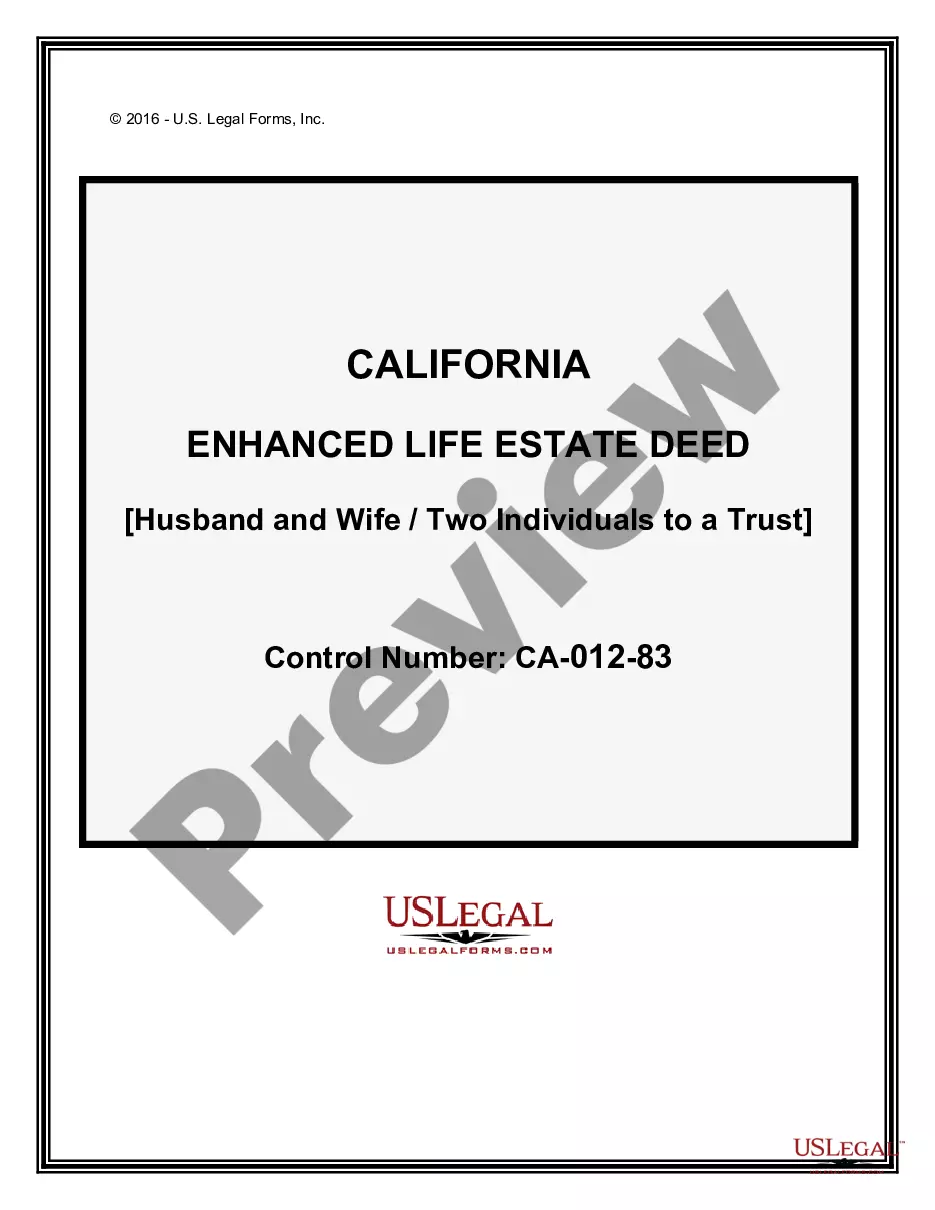
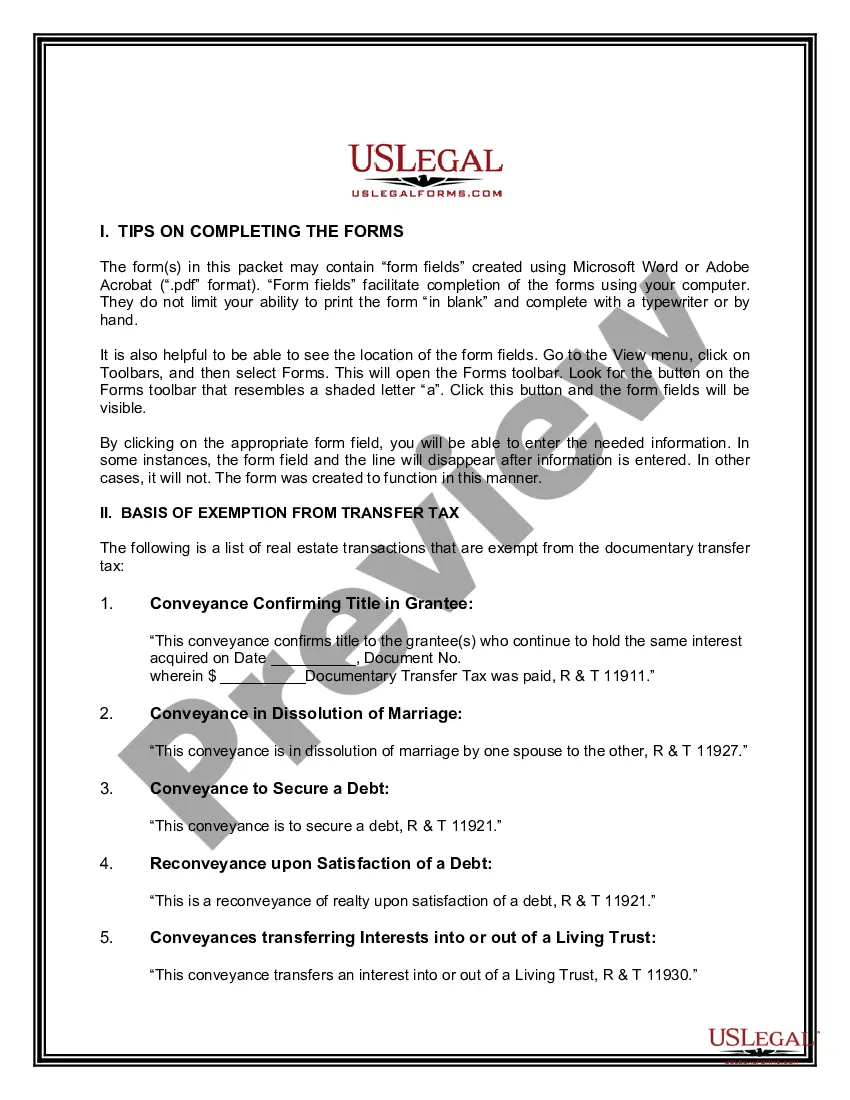
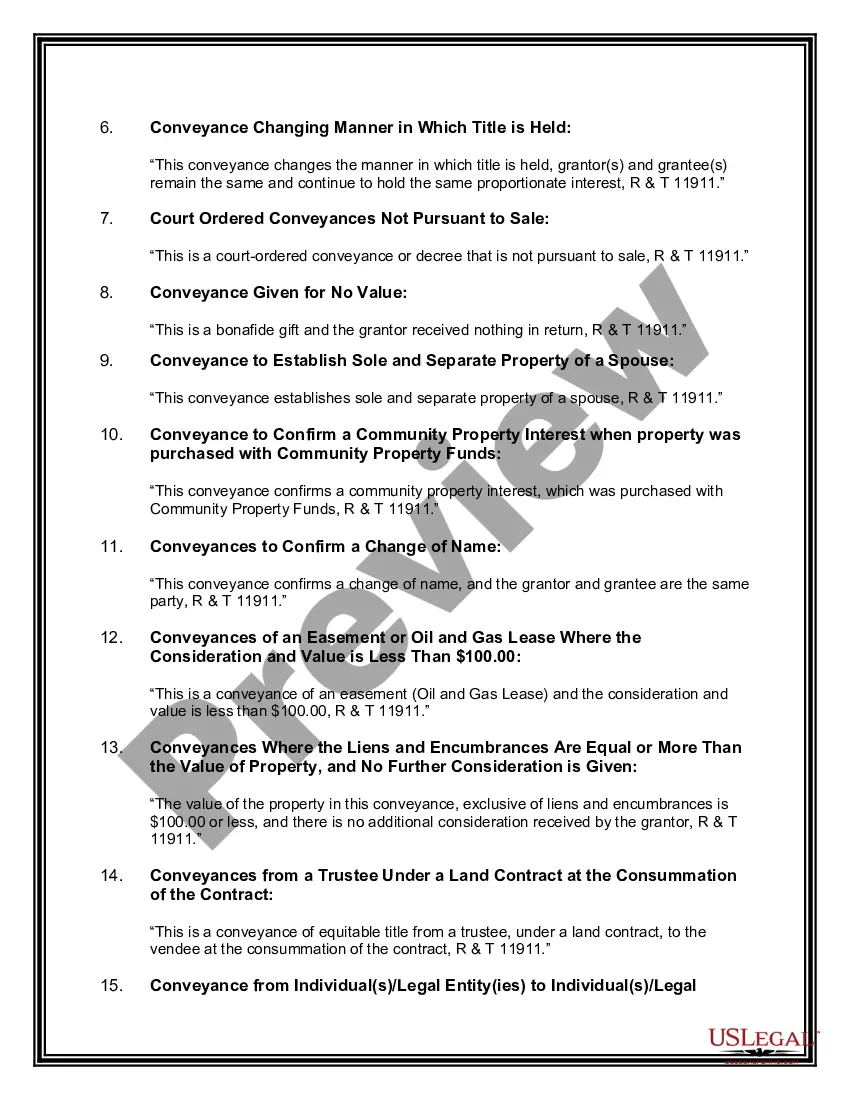
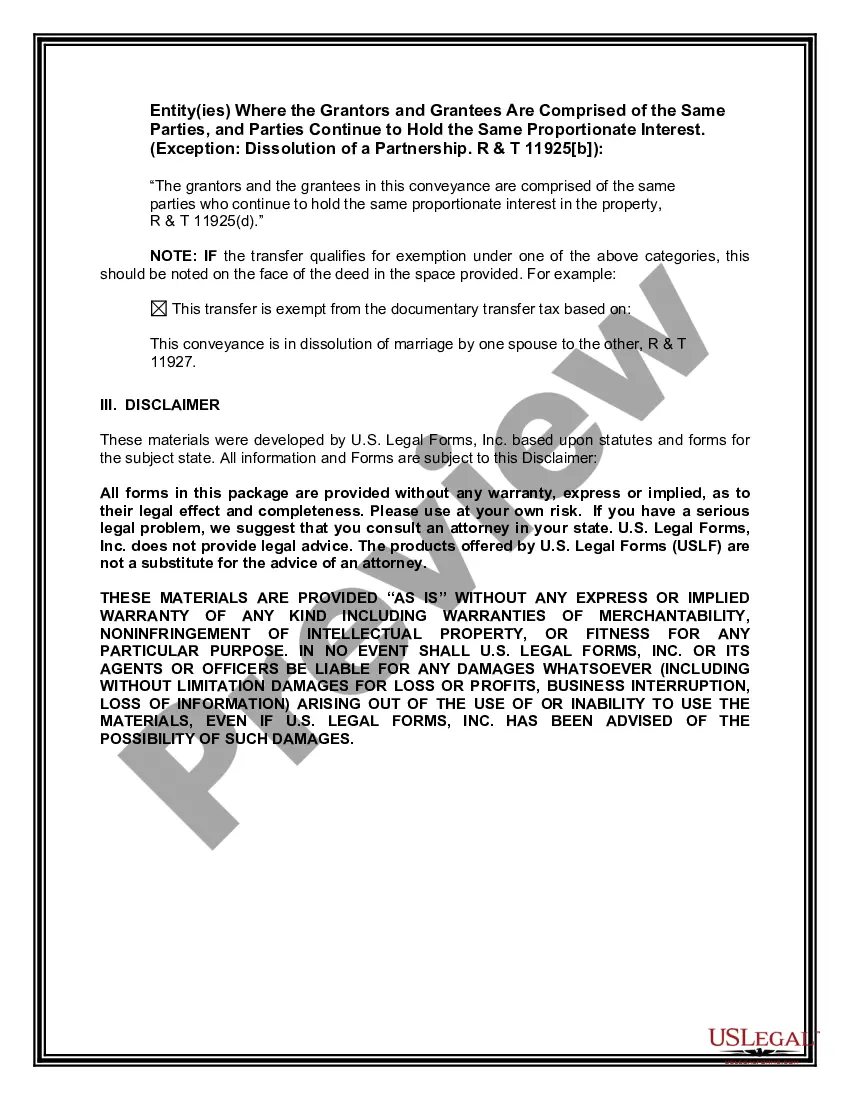
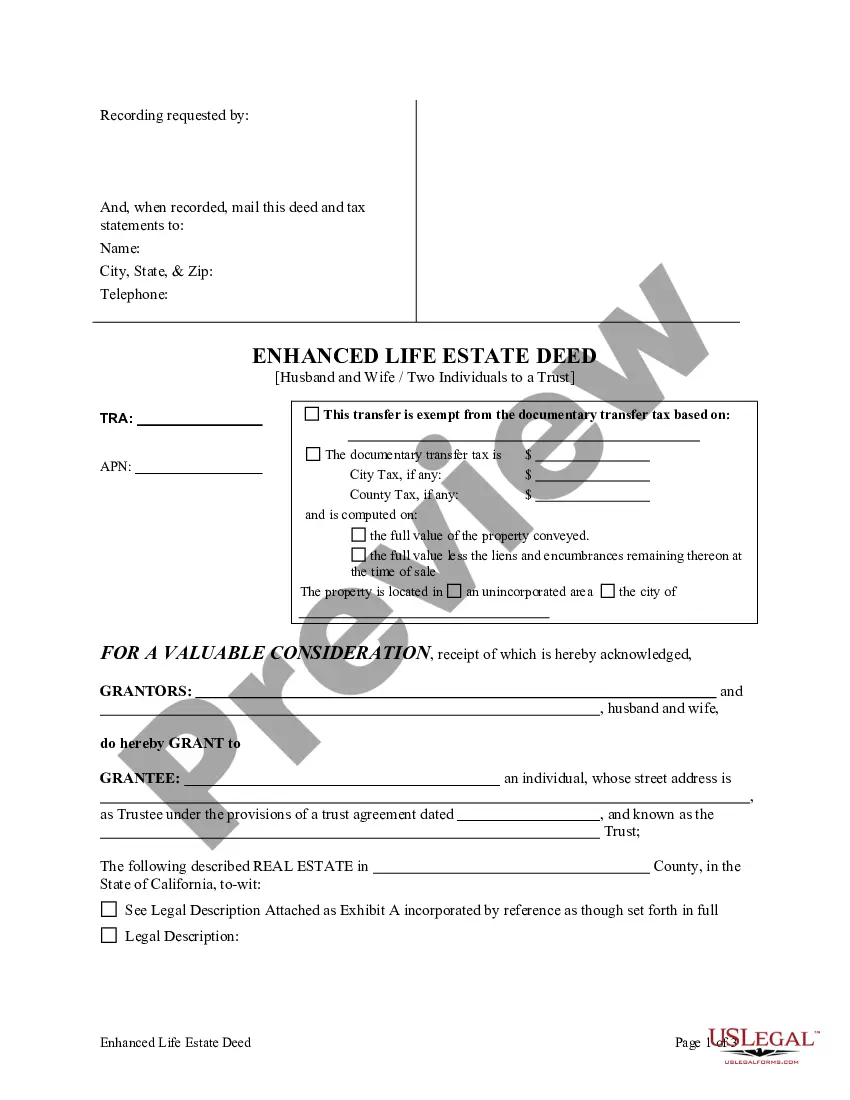
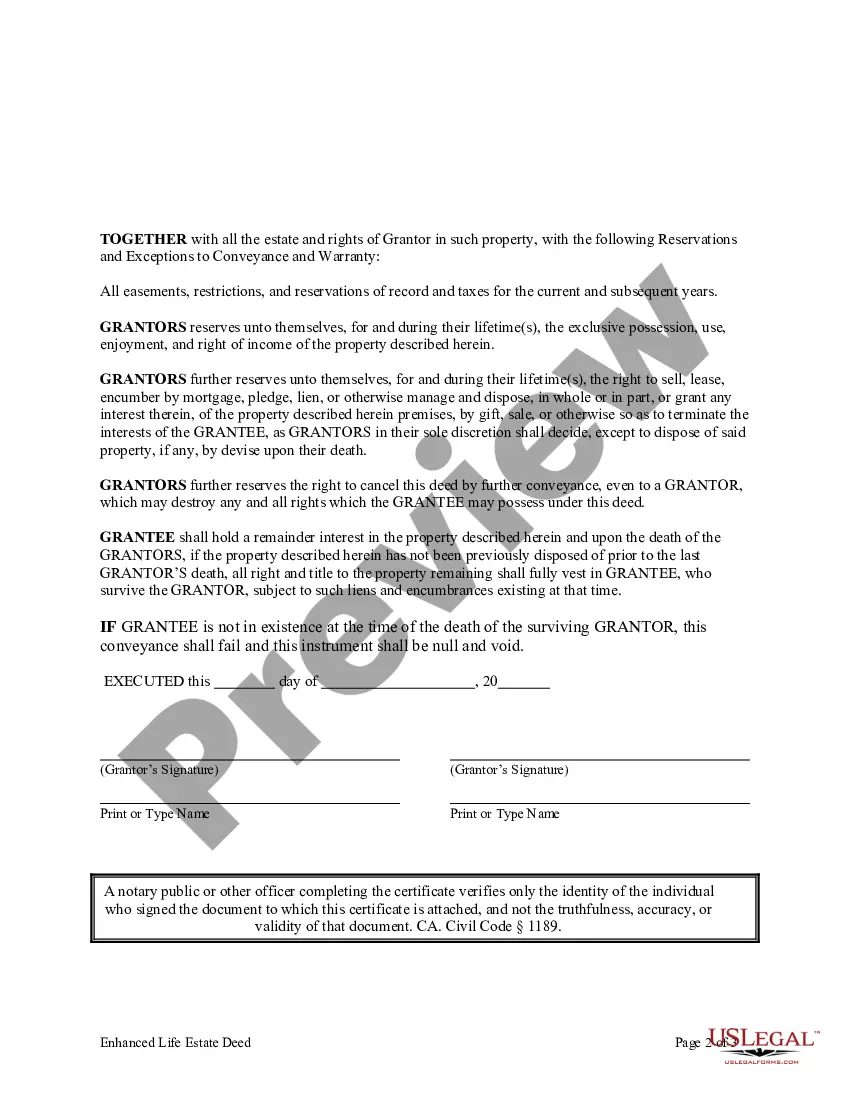
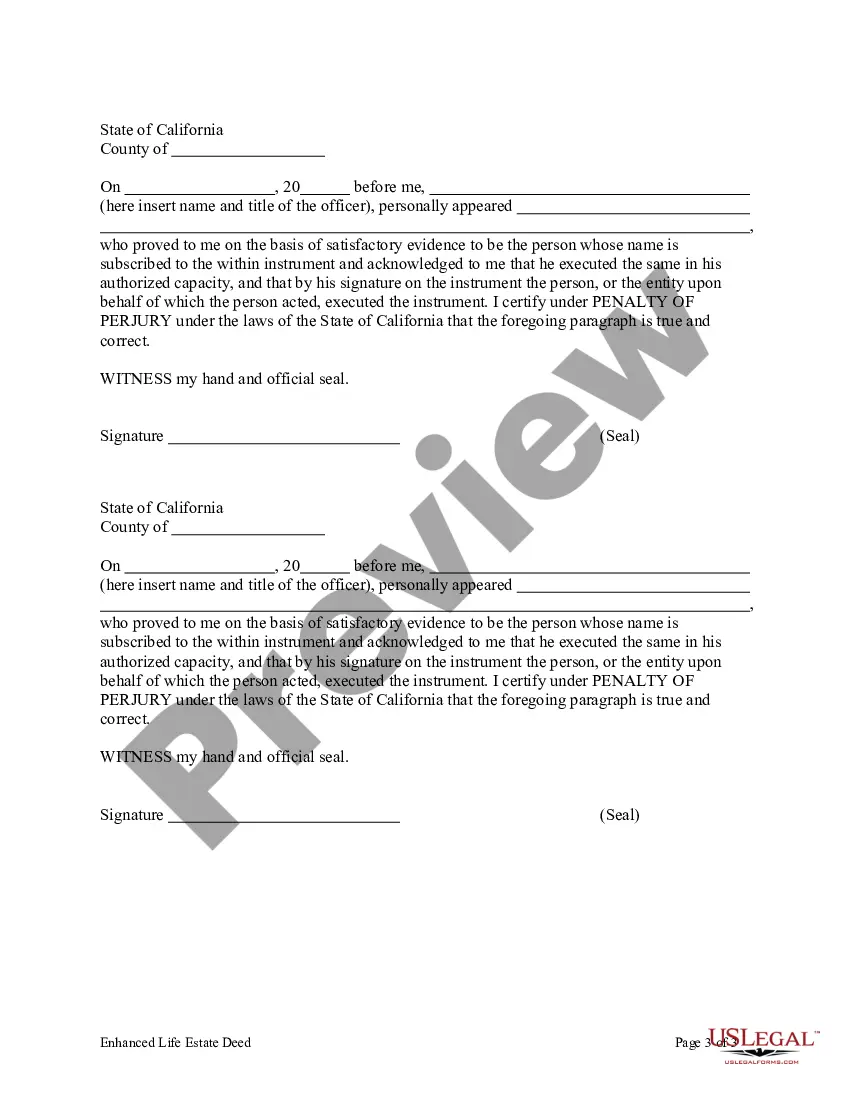
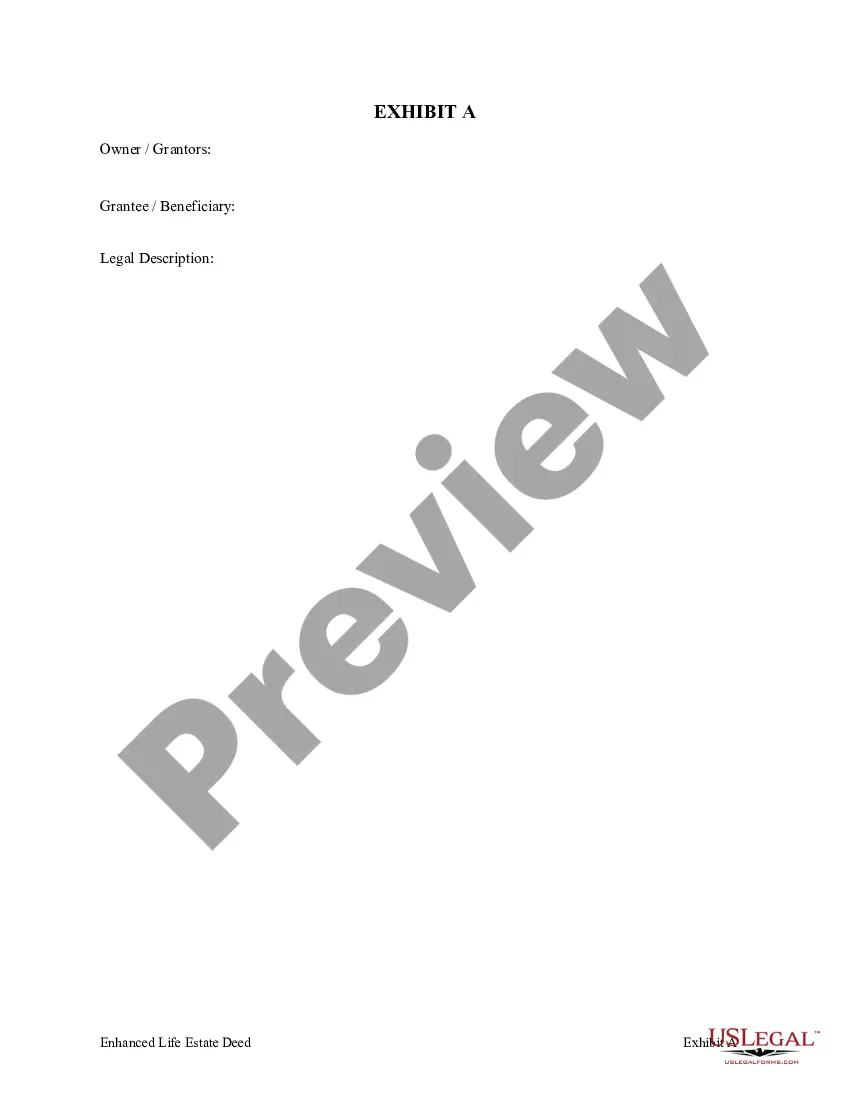
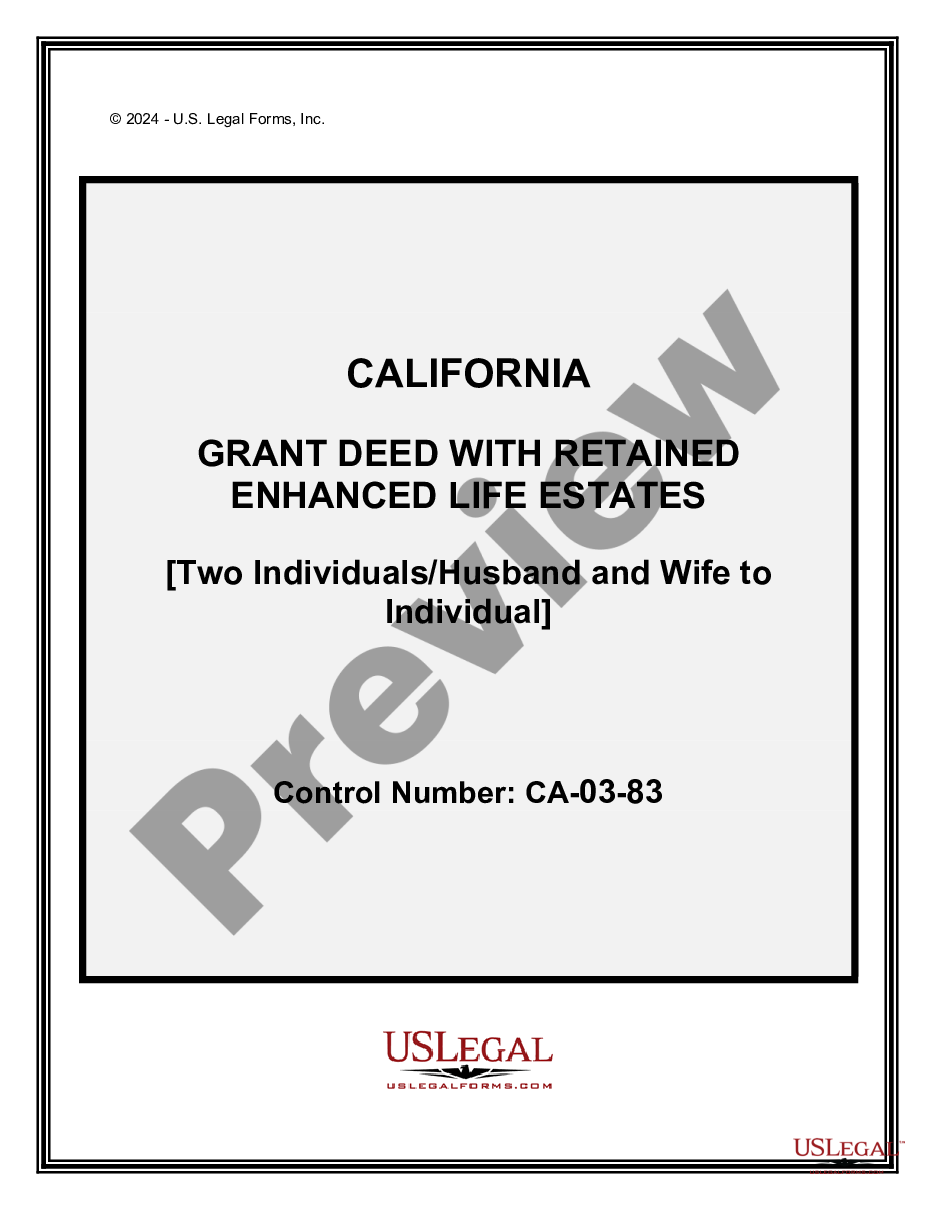
How to fill out California Enhanced Life Estate Deed From Husband And Wife, Or Two Individuals, To A Trust.?
- Log into your existing US Legal Forms account. Ensure your subscription is active; renew if necessary.
- Search for the life estate trust form using the preview mode to confirm it meets your requirements and jurisdiction.
- If you need additional documents, utilize the Search tab to find other relevant templates.
- Select the preferred subscription plan and proceed to purchase the document by clicking on the Buy Now button.
- Provide your payment information through credit card or PayPal to complete your order.
- Download your life estate trust form to your device and access it anytime from the My Forms section in your profile.
Once you complete these steps, you’ll have your life estate trust ready for use, backed by US Legal Forms’ extensive library and expert support.
Start your estate planning journey now by leveraging US Legal Forms to create your life estate trust effortlessly.
Form popularity
FAQ
A life estate grants an individual ownership of property for life, transferring it to a designated person upon their death. In contrast, a life trust generally involves the trustor placing property in a trust, managed by a trustee for the benefit of the beneficiaries. A life estate trust for life can combine both concepts, allowing you to enjoy the benefits of a life estate while leveraging the advantages of a trust to better protect and manage your assets.
Similar to the previous point, a significant downside of a life estate is that it can restrict the life tenant's ability to sell the property without the consent of the remainderman. This limitation can complicate financial decisions later in life. A life estate trust for life may offer more flexibility and adaptability, letting you manage your assets while retaining control over the future.
One downside of a life estate includes the loss of control over the property once the owner passes away. The remainderman automatically receives full ownership, which can create tension if circumstances change. Additionally, the property may still be subject to certain taxes or liens during the owner's lifetime. Exploring a life estate trust for life can help address these concerns through careful planning.
A life estate lasts for the duration of the owner's lifetime. Once the owner passes away, the property typically transfers to the remainderman, who is the designated beneficiary. This setup allows you to maintain control over the property while living, providing peace of mind regarding its future. Many opt for a life estate trust for life to outline their wishes clearly and avoid potential conflicts.
Individuals may seek a life estate for various reasons, including preserving family property and ensuring it passes to heirs without going through probate. This arrangement allows the individual to enjoy the property during their lifetime while securing it for future generations. A life estate trust for life effectively combines estate planning with asset protection, making it an appealing option for many.
Yes, creditors can target a life estate in certain situations. If the individual who holds the life estate owes debts, creditors may pursue claims against the property. However, this can depend on state laws and the nature of the debts. Utilizing a life estate trust for life can help protect your assets, providing a layer of security against creditors.
A life estate can provide some level of protection from nursing home costs, but it depends on various factors. When you establish a life estate trust for life, the property may not be considered a part of your assets for Medicaid eligibility. However, laws vary by state, so it’s essential to consult an expert to understand how your situation may impact protection against nursing home expenses. Always ensure your plan aligns with your long-term care strategy.
A life estate clause often designates an individual to have the right to use property for their lifetime, with the ownership transferring to another party upon their death. For example, in a life estate trust for life, you may leave your home to your children while retaining the right to live there until you pass. This arrangement ensures you continue to enjoy your property while clarifying future ownership. It can provide peace of mind and a smooth transition of assets.
Deciding between an estate and a trust can depend on your specific needs. An estate typically involves the transfer of assets upon death, while a life estate trust for life allows you to retain control over your assets during your lifetime. With a trust, you can manage your assets while benefiting from potential tax advantages and avoiding probate. Evaluating your goals will help you choose the right option.
The main difference between a living trust and a life estate is their purpose and function. A living trust manages assets during your lifetime and allows for distribution after death, while a life estate grants you the right to live in a property but restricts your ability to change its ownership. A life estate trust for life combines aspects of both, providing benefits of control and transferability.