Legal Tax Deductions For Individuals
Description

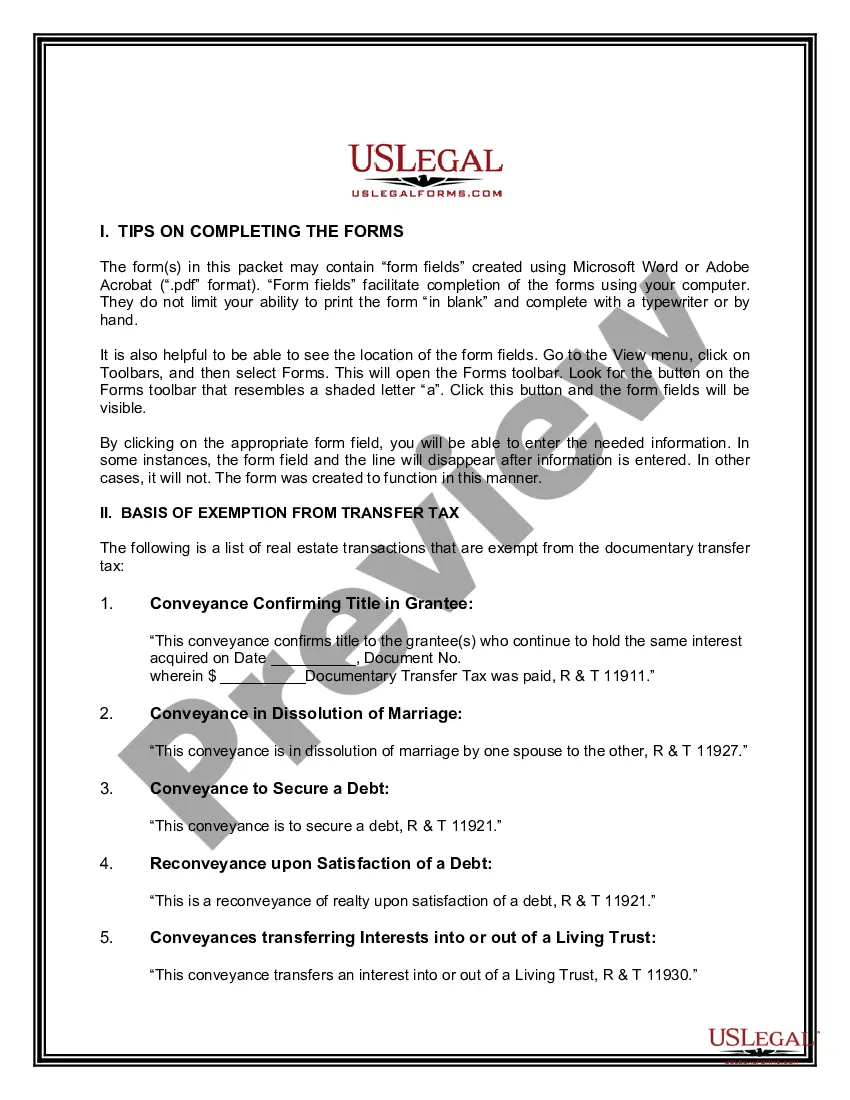
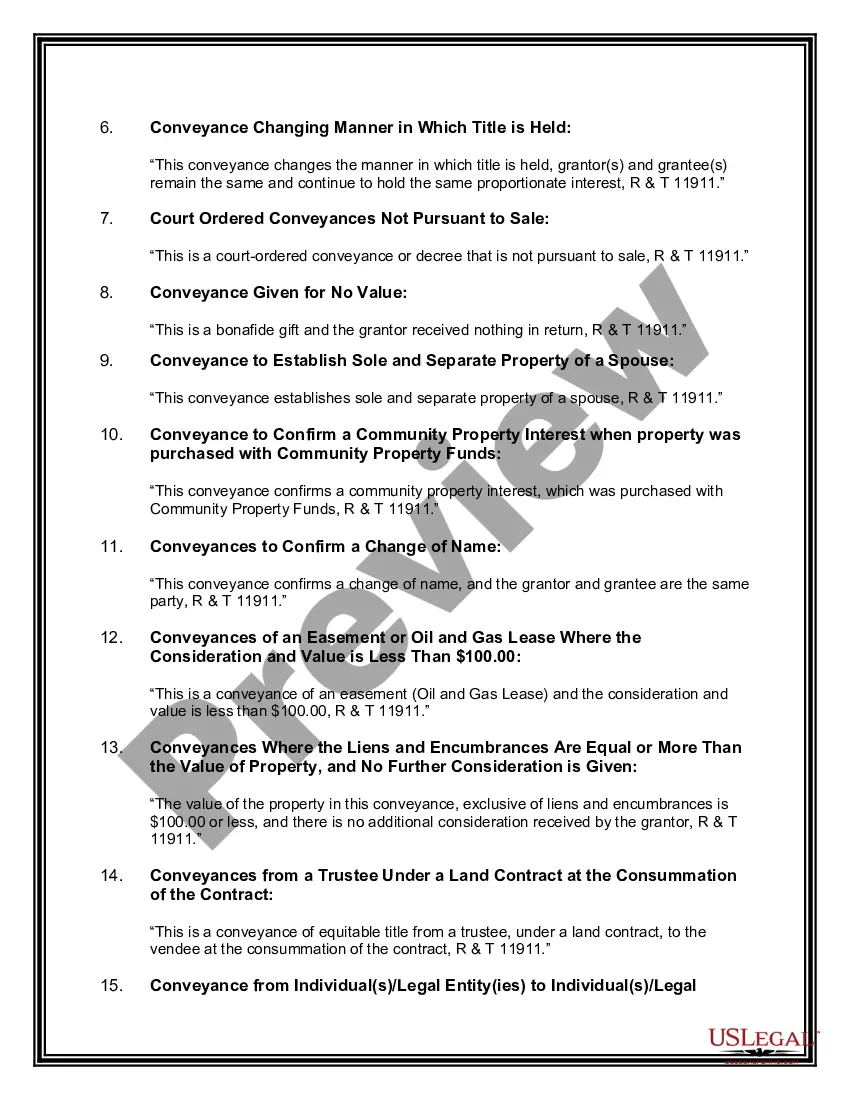
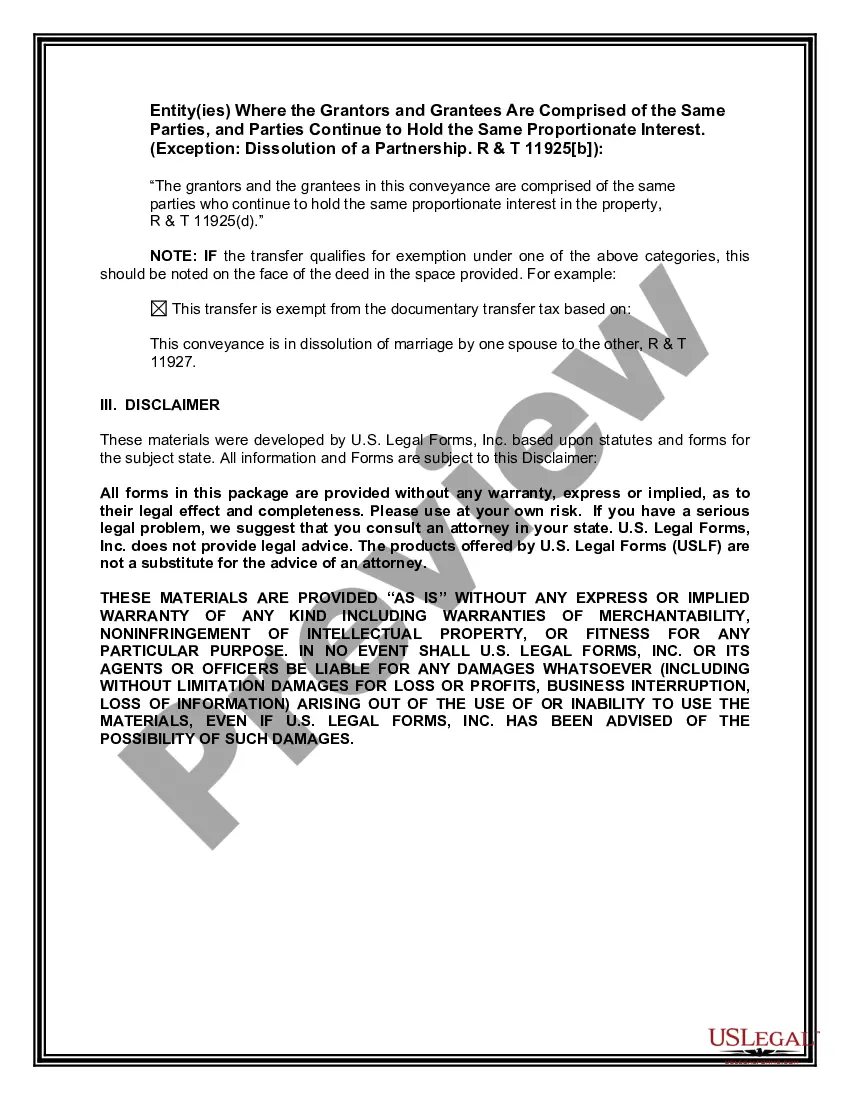

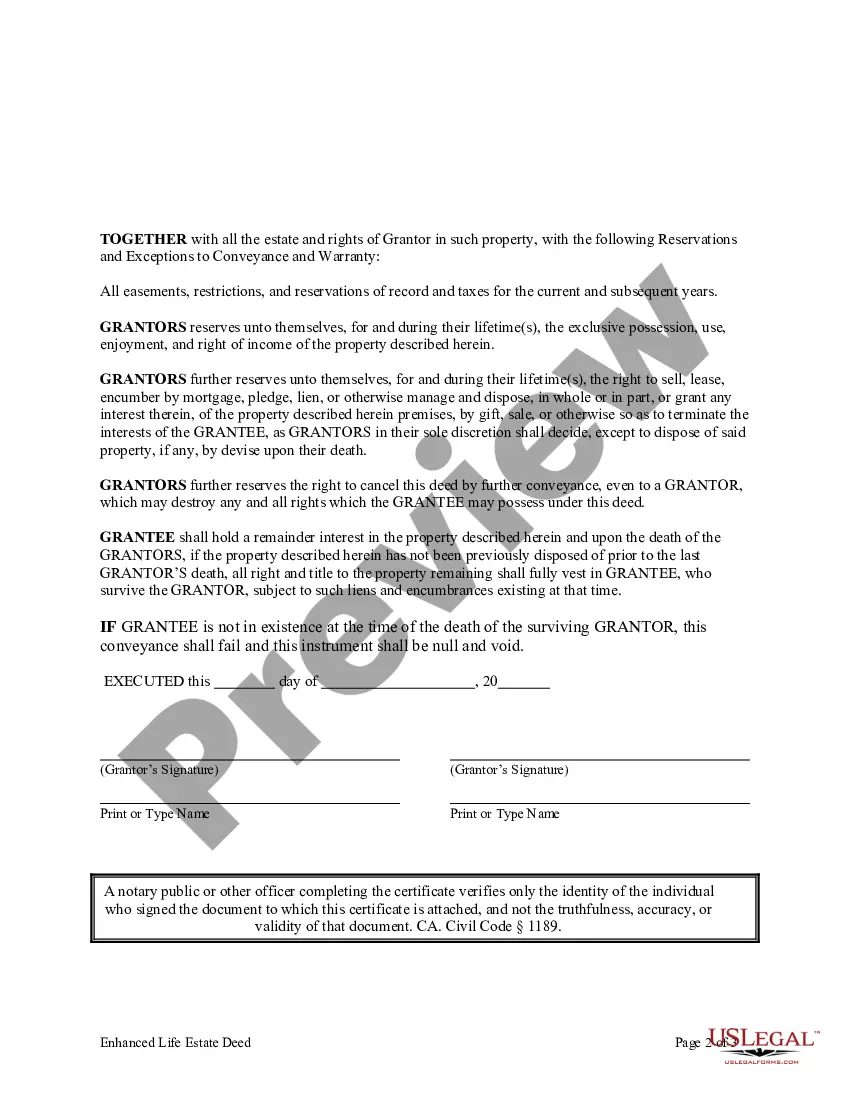



Get your form ready online
Our built-in tools help you complete, sign, share, and store your documents in one place.
Make edits, fill in missing information, and update formatting in US Legal Forms—just like you would in MS Word.
Download a copy, print it, send it by email, or mail it via USPS—whatever works best for your next step.
Sign and collect signatures with our SignNow integration. Send to multiple recipients, set reminders, and more. Go Premium to unlock E-Sign.
If this form requires notarization, complete it online through a secure video call—no need to meet a notary in person or wait for an appointment.
We protect your documents and personal data by following strict security and privacy standards.

Make edits, fill in missing information, and update formatting in US Legal Forms—just like you would in MS Word.

Download a copy, print it, send it by email, or mail it via USPS—whatever works best for your next step.

Sign and collect signatures with our SignNow integration. Send to multiple recipients, set reminders, and more. Go Premium to unlock E-Sign.

If this form requires notarization, complete it online through a secure video call—no need to meet a notary in person or wait for an appointment.

We protect your documents and personal data by following strict security and privacy standards.
Looking for another form?
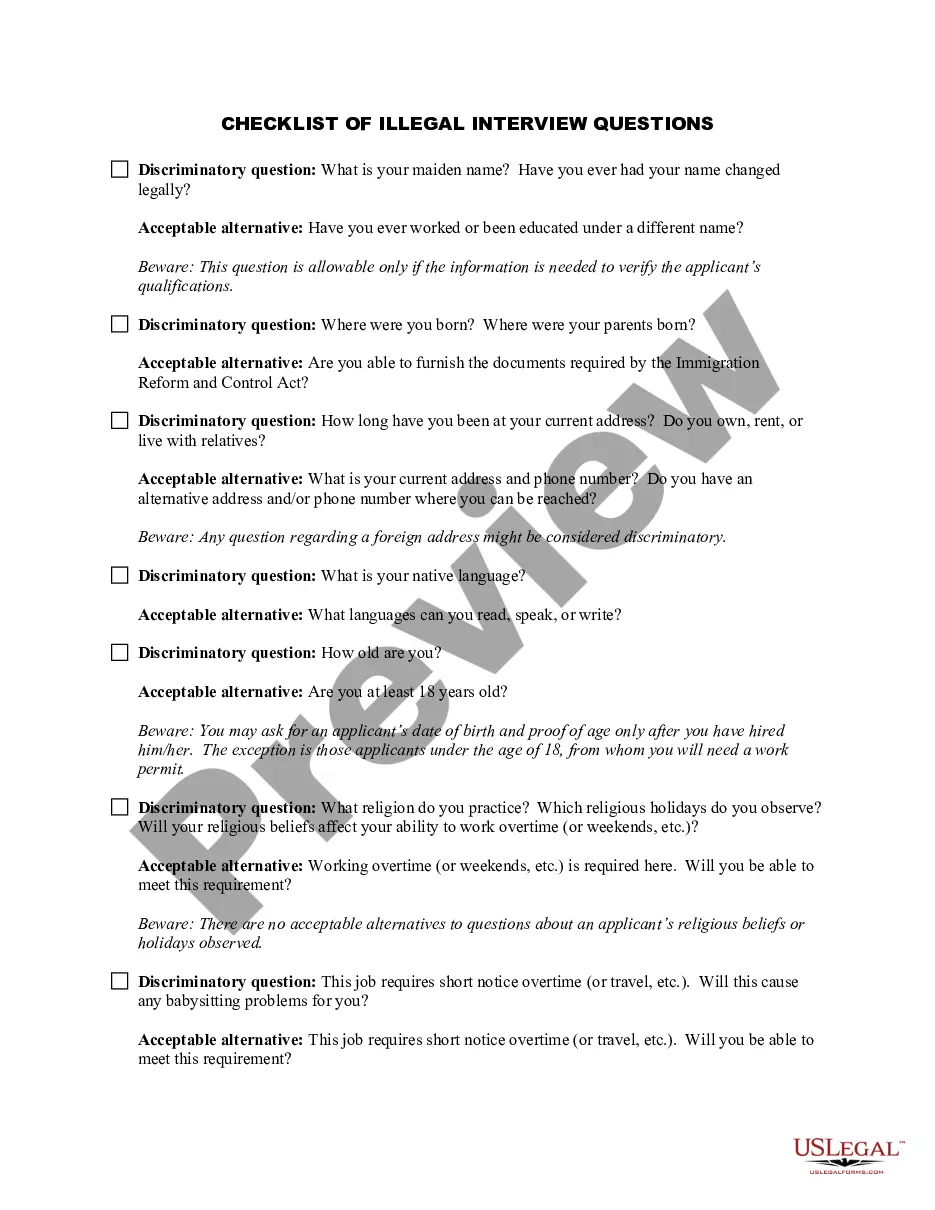



How to fill out California Enhanced Life Estate Deed From Husband And Wife, Or Two Individuals, To A Trust.?
- Begin by logging into your account on the US Legal Forms website. If you're a new user, you can create an account to get started.
- Browse through the extensive library to find the appropriate legal form related to tax deductions. Utilize the Preview mode to ensure it fits your requirements.
- If the document doesn’t perfectly fit your needs, use the search feature to find alternative forms that may suit you better.
- Select your desired form and click on 'Buy Now'. Here you will have the chance to choose from various subscription plans.
- Proceed to make your payment using your credit card or PayPal account to finalize the purchase.
- Download the completed form to your device, ensuring you can easily complete it later or access it anytime via the 'My Forms' section.
After downloading your forms, you can complete them with confidence knowing that US Legal Forms provides extensive resources to help you understand and utilize your legal documents effectively.
Take control of your tax deductions today! Visit US Legal Forms and discover how easy it can be to manage your legal documentation and maximize your deductions.
Form popularity
FAQ
To decide whether to take the standard deduction or itemize, list your deductible expenses and sum them up. If the total exceeds the standard deduction amount for your filing status, you should consider itemizing. Remember, your legal tax deductions for individuals can make a difference, so reviewing your financial records regularly will equip you to choose the best option.
It is generally better to itemize deductions if your total qualifying expenses significantly exceed the standard deduction for your filing status. For instance, if you have substantial medical expenses, high property taxes, or major charitable donations, itemizing may lead to greater tax savings. Evaluating your legal tax deductions for individuals each year allows you to make informed decisions about whether to itemize or take the standard deduction.
One disadvantage of itemizing your deductions is the complexity involved in gathering and documenting all necessary records, which can be time-consuming. Additionally, itemizing may lead to a higher chance of an audit if you claim large deductions. Therefore, if your legal tax deductions for individuals are not significantly higher than the standard deduction, it may be wiser to opt for the simpler route.
You qualify to itemize your deductions if you have deductible expenses that exceed the standard deduction amount available for your filing status. Common expenses include mortgage interest, property taxes, medical expenses, and charitable donations, which all contribute to your legal tax deductions for individuals. If you believe your qualifying expenses are substantial, it may be beneficial to itemize instead of taking the standard deduction.
You can claim a tax deduction on personal contributions by keeping detailed records of your donations, including receipts and acknowledgment letters from charitable organizations. When filing your tax return, list these contributions as itemized deductions to maximize your legal tax deductions for individuals. Using tax software or consulting with a tax professional can help ensure you claim these deductions accurately.
To determine whether to itemize or take the standard deduction, start by comparing your deductible expenses to the standard deduction amount for your filing status. If your legal tax deductions for individuals, like mortgage interest, medical expenses, and charitable contributions, exceed the standard deduction, itemizing may benefit you. Additionally, consider your financial situation and any changes in tax laws that could affect your decision.
To get a bigger tax refund, consider claiming deductions for expenses such as charitable contributions, medical bills, and work-related costs. Legal tax deductions for individuals can significantly impact your overall tax liability, enhancing your refund. Using tools like US Legal Forms can assist you in identifying additional deductions you might overlook, ultimately maximizing your refund.
Yes, you may be able to deduct certain legal expenses on your taxes, particularly if they relate to your business or income-producing activities. For example, if you incurred legal fees while protecting your business interests, those costs may qualify as legal tax deductions for individuals. Always consult with a tax professional or use platforms like US Legal Forms for detailed guidance on this matter.
To claim the maximum tax return, start by thoroughly reviewing all potential legal tax deductions for individuals. Common deductions include contributions to retirement accounts and expenses for work-related supplies. Tools like US Legal Forms can simplify your tax preparation process, helping you gather all necessary documentation and maximizing your eligible returns.
To receive a bigger tax refund, focus on maximizing your legal tax deductions for individuals. This includes expenses related to education, mortgage interest, and medical costs. Using tax software, like US Legal Forms, can help you identify eligible deductions and credits that you may not realize you qualify for. Ultimately, the more deductions you claim, the larger your refund can be.