Legal Tax Classification For Llc
Description
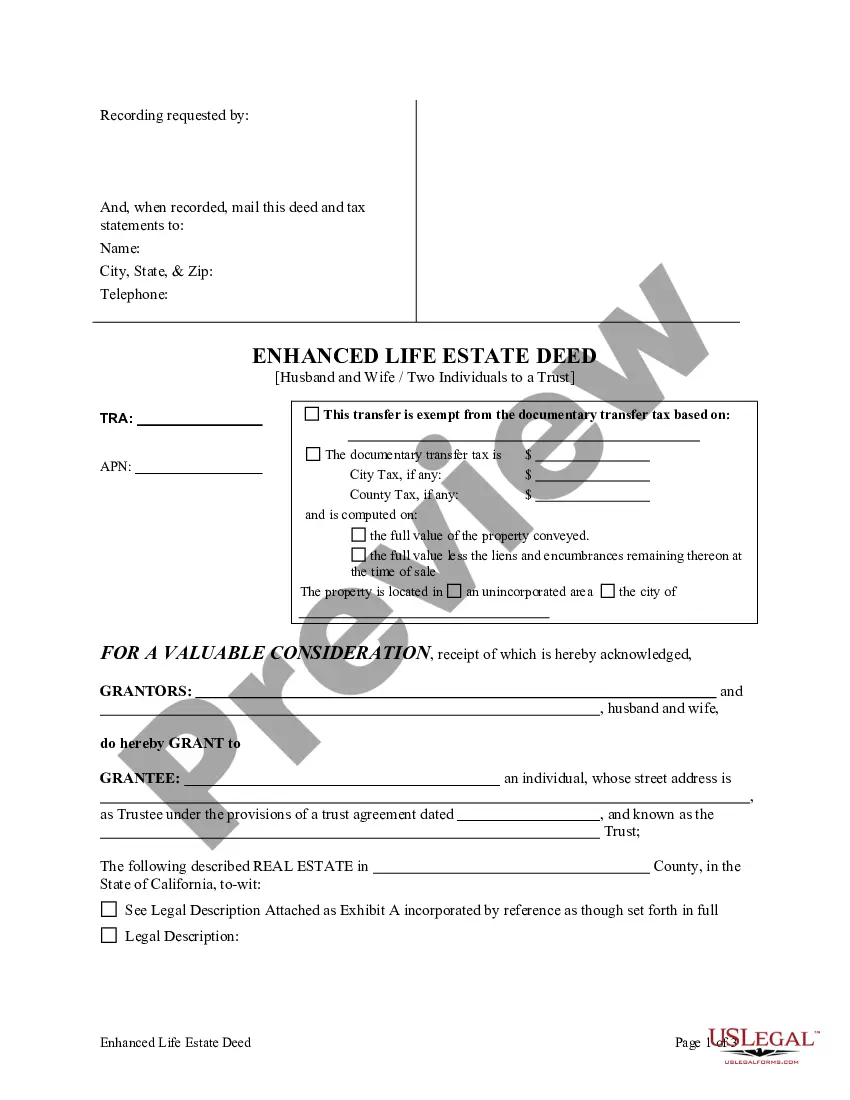
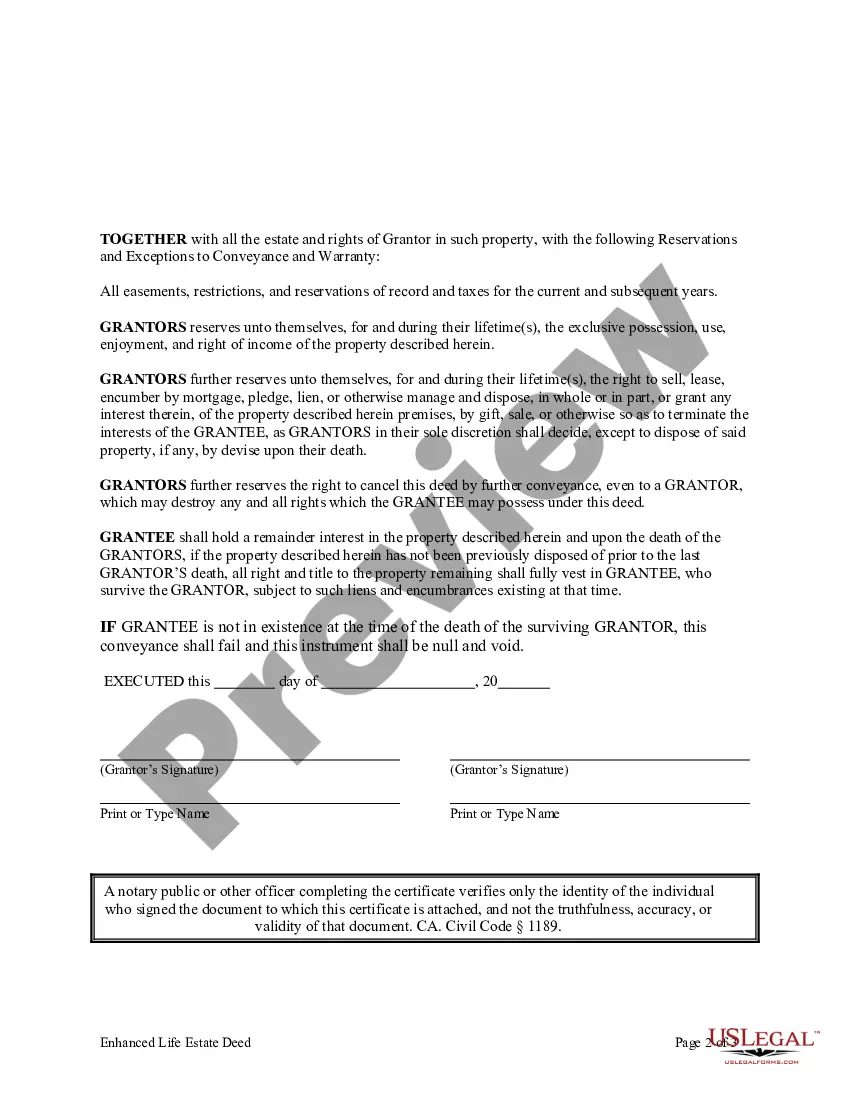
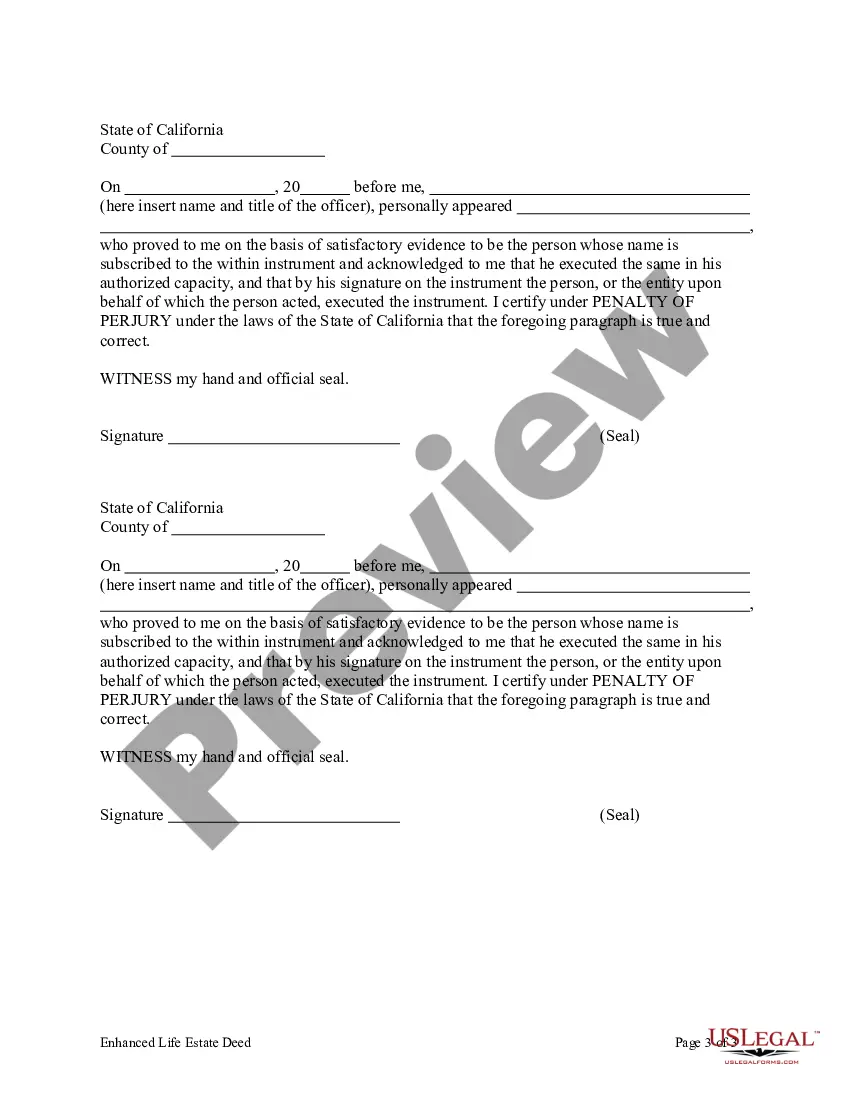



Get your form ready online
Our built-in tools help you complete, sign, share, and store your documents in one place.
Make edits, fill in missing information, and update formatting in US Legal Forms—just like you would in MS Word.
Download a copy, print it, send it by email, or mail it via USPS—whatever works best for your next step.
Sign and collect signatures with our SignNow integration. Send to multiple recipients, set reminders, and more. Go Premium to unlock E-Sign.
If this form requires notarization, complete it online through a secure video call—no need to meet a notary in person or wait for an appointment.
We protect your documents and personal data by following strict security and privacy standards.

Make edits, fill in missing information, and update formatting in US Legal Forms—just like you would in MS Word.

Download a copy, print it, send it by email, or mail it via USPS—whatever works best for your next step.

Sign and collect signatures with our SignNow integration. Send to multiple recipients, set reminders, and more. Go Premium to unlock E-Sign.

If this form requires notarization, complete it online through a secure video call—no need to meet a notary in person or wait for an appointment.

We protect your documents and personal data by following strict security and privacy standards.
Looking for another form?

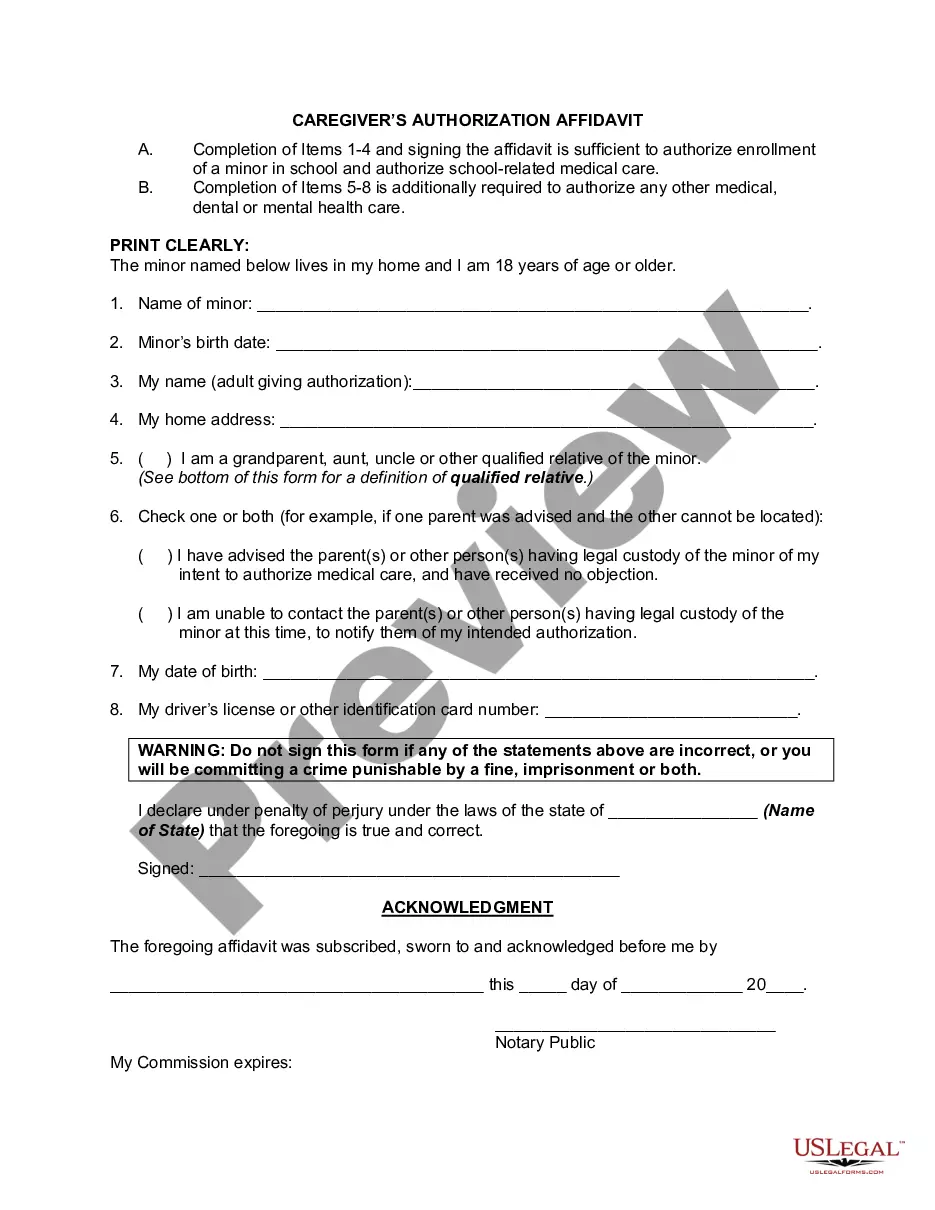




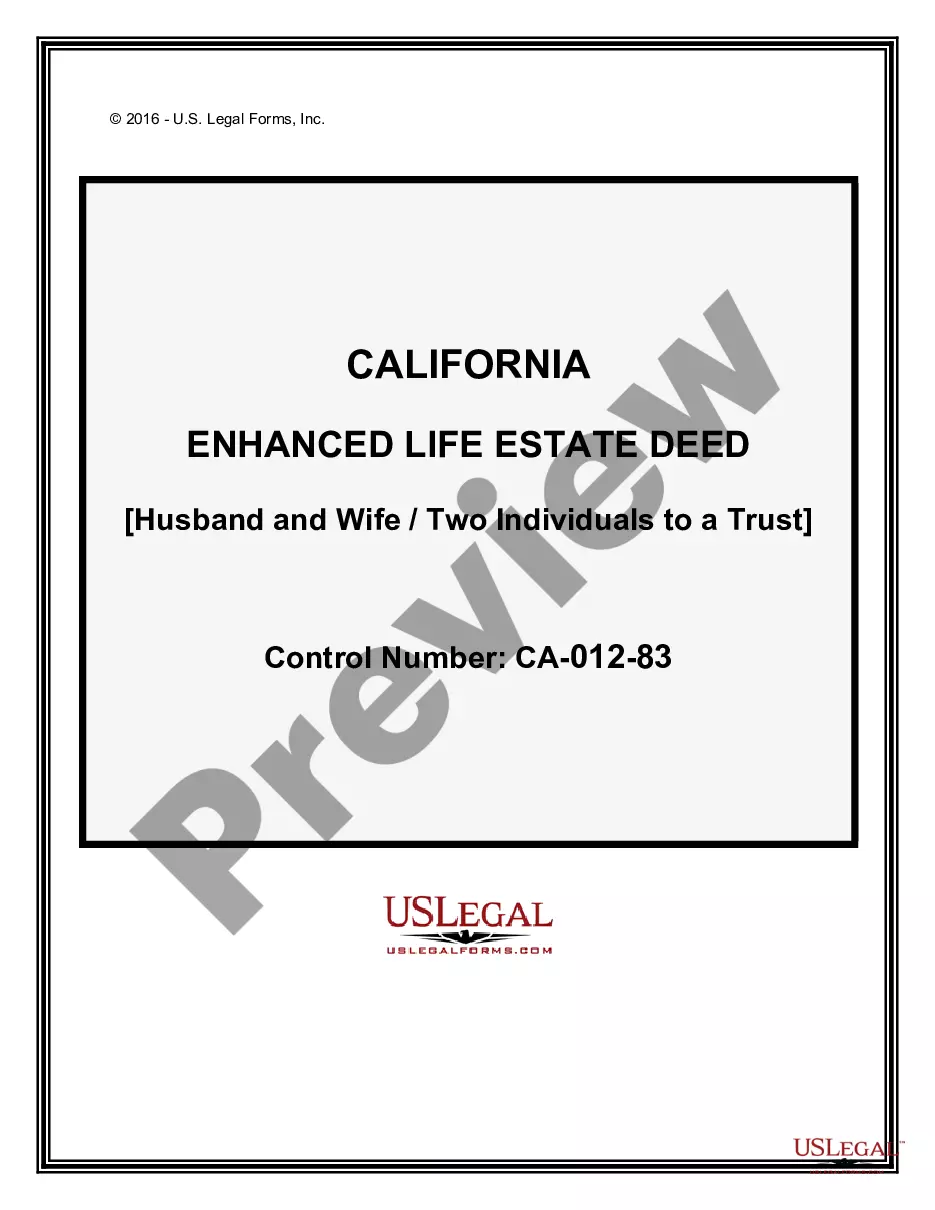
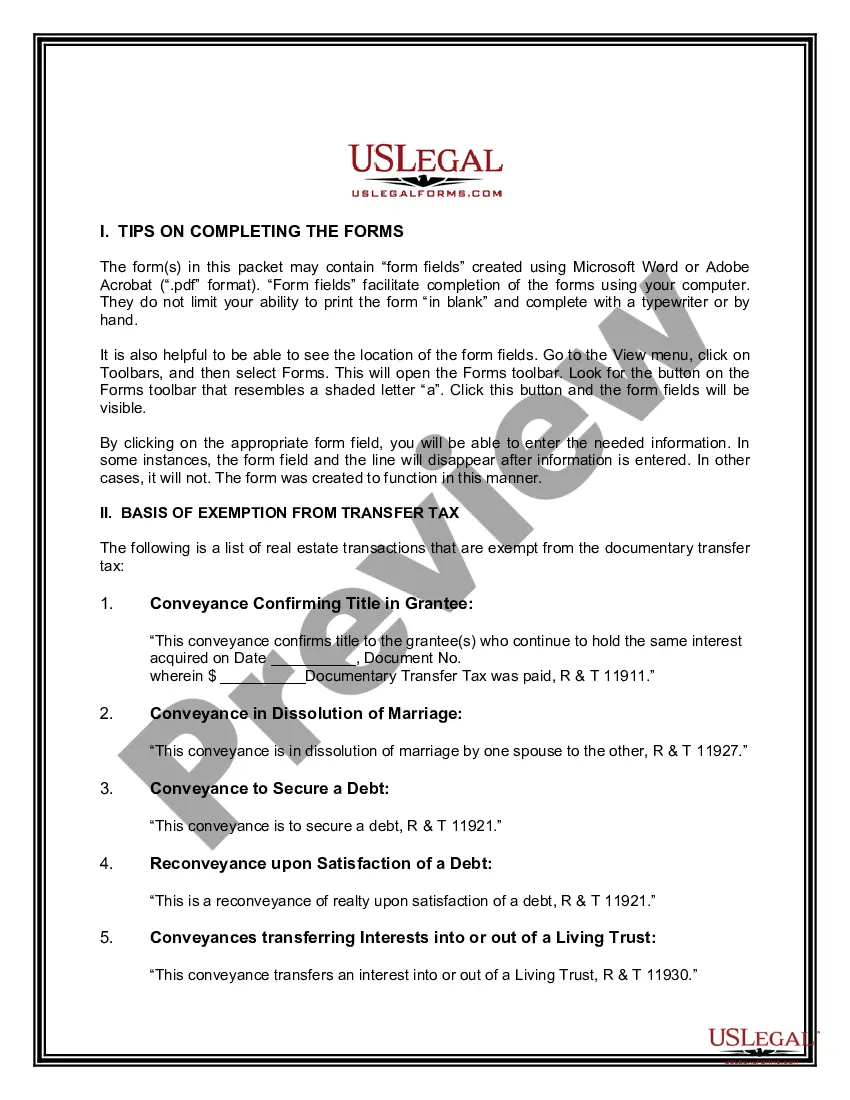
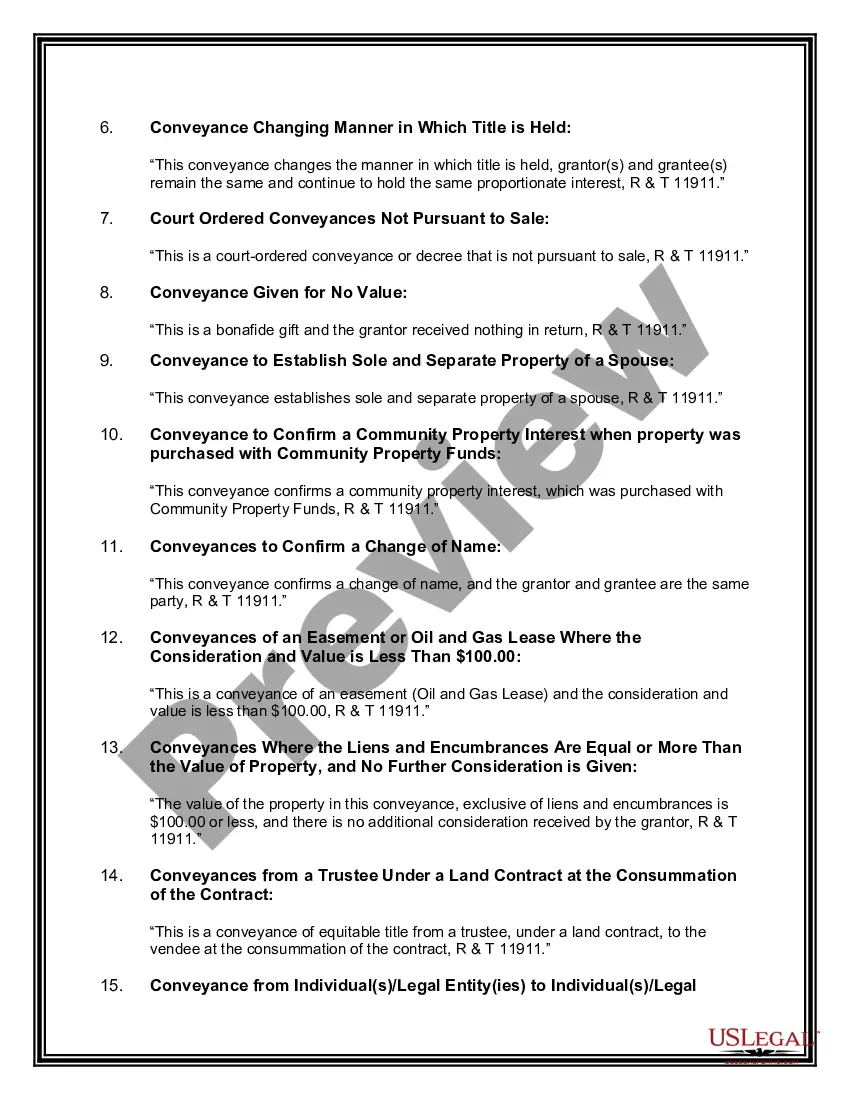
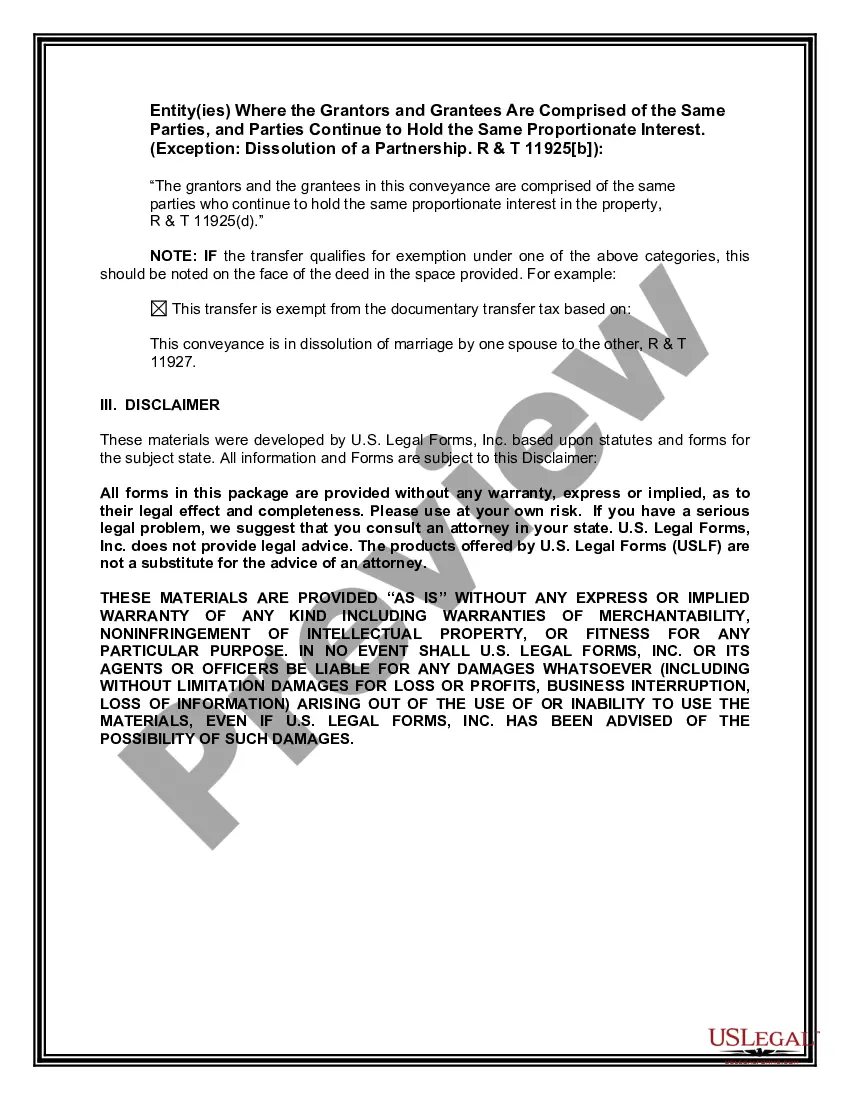
How to fill out California Enhanced Life Estate Deed From Husband And Wife, Or Two Individuals, To A Trust.?
- If you are a returning user, log in to your account and ensure your subscription is active. Download your required form template by clicking the Download button.
- If this is your first visit, start by exploring our comprehensive library. Check the form preview and description to confirm it meets your legal requirements and complies with your jurisdiction.
- If the template seems inadequate, use the Search tab to find alternative forms. Once you find the right template, proceed to buy it.
- Click on the Buy Now button, select your preferred subscription plan, and create an account to unlock unlimited access to our resources.
- Complete your purchase by entering your credit card details or PayPal information to secure your subscription.
- Finally, download the template to your device, and you can access it anytime in the My Forms section of your profile.
US Legal Forms not only streamlines the document retrieval process but also guarantees that you receive quality resources tailored to your needs. With over 85,000 editable legal forms, you are equipped to handle any situation confidently.
In conclusion, understanding the legal tax classification for your LLC doesn't have to be complicated. Start utilizing US Legal Forms today to access precisely the documentation you need. Ready to create your legal forms? Visit our website and get started now!
Form popularity
FAQ
The best tax classification for an LLC varies based on individual circumstances and business strategy. Most small business owners benefit from choosing pass-through taxation, which allows profits to be taxed at personal income rates. Alternatively, electing C corporation status might be beneficial for those expecting high profits and looking to reinvest. Using uslegalforms can help you clarify these options and choose the right legal tax classification for your LLC.
The best classification for an LLC often depends on the specific goals and operations of the business. Many LLCs choose to be taxed as S corporations or partnerships to take advantage of pass-through taxation. However, factors like the number of owners and income expectations may influence this decision. Evaluating these aspects carefully can ensure that you select the most advantageous legal tax classification for your LLC.
If you own an LLC, you are typically referred to as a member. Unlike sole proprietorships where the owner is called a sole proprietor, LLC owners enjoy limited liability protection, which separates personal and business assets. Understanding your role as a member in relation to your LLC's legal tax classification can help guide your decisions and responsibilities. You can consult resources from uslegalforms for more comprehensive guidance.
Your LLC is not automatically classified as either an S Corp or a C Corp; those are tax classifications that require an election with the IRS. By default, single-member LLCs are treated as sole proprietorships, while multi-member LLCs are treated as partnerships. You can elect S corporation status for certain tax benefits. The legal tax classification for your LLC depends on your specific business situation, and understanding these options can guide your decision.
An LLC is generally considered a private entity. It does not sell shares to the public and is not required to disclose as much information as public companies. This privacy can be an advantage for business owners looking to keep their financial matters discreet. Nevertheless, the legal tax classification for your LLC affects its operational structure, so understand how it aligns with your privacy needs.
An LLC, or Limited Liability Company, is typically classified as a pass-through entity, meaning its profits and losses pass directly to the owners' personal tax returns. However, an LLC can elect to be taxed as a corporation, either C or S, depending on its structure and needs. The choice of legal tax classification for your LLC can significantly impact your tax strategy. You should evaluate your options based on your business goals.
To determine your LLC's classification, you can check the official documents filed with your state, such as your Articles of Organization. Additionally, the IRS provides guidelines on how LLCs are categorized for tax purposes. Understanding the legal tax classification for your LLC is key, as it influences your tax obligations and business structure. You may also consider consulting a tax professional for personalized advice.
To determine if your LLC is classified as an S corporation, C corporation, or partnership, you should reference your tax election documents and IRS filings. An LLC can default to a partnership for multiple members or be taxed as an S or C corporation based on your election. It's important to accurately understand your classification for tax implications. Platforms like US Legal Forms offer tools to help clarify your LLC's legal tax classification.
Yes, you can change the tax classification of your LLC at any time, provided you follow the proper procedures. To change, you will need to file the necessary forms with the IRS, such as Form 8832 for a classification switch. This flexibility allows you to adapt to changing financial circumstances and goals. Knowing your options for legal tax classification for your LLC can help you make the best choice for your situation.
To determine if your LLC is classified as an S corporation or C corporation, you should review the tax filings you submitted to the IRS. If you have filed Form 2553, your LLC may be classified as an S corporation; otherwise, it is likely a C corporation. Understanding the legal tax classification for LLC is crucial since it affects your taxation and liability. Utilizing platforms like US Legal Forms can streamline your classification process.