Business Incorporate For Businesses
Description
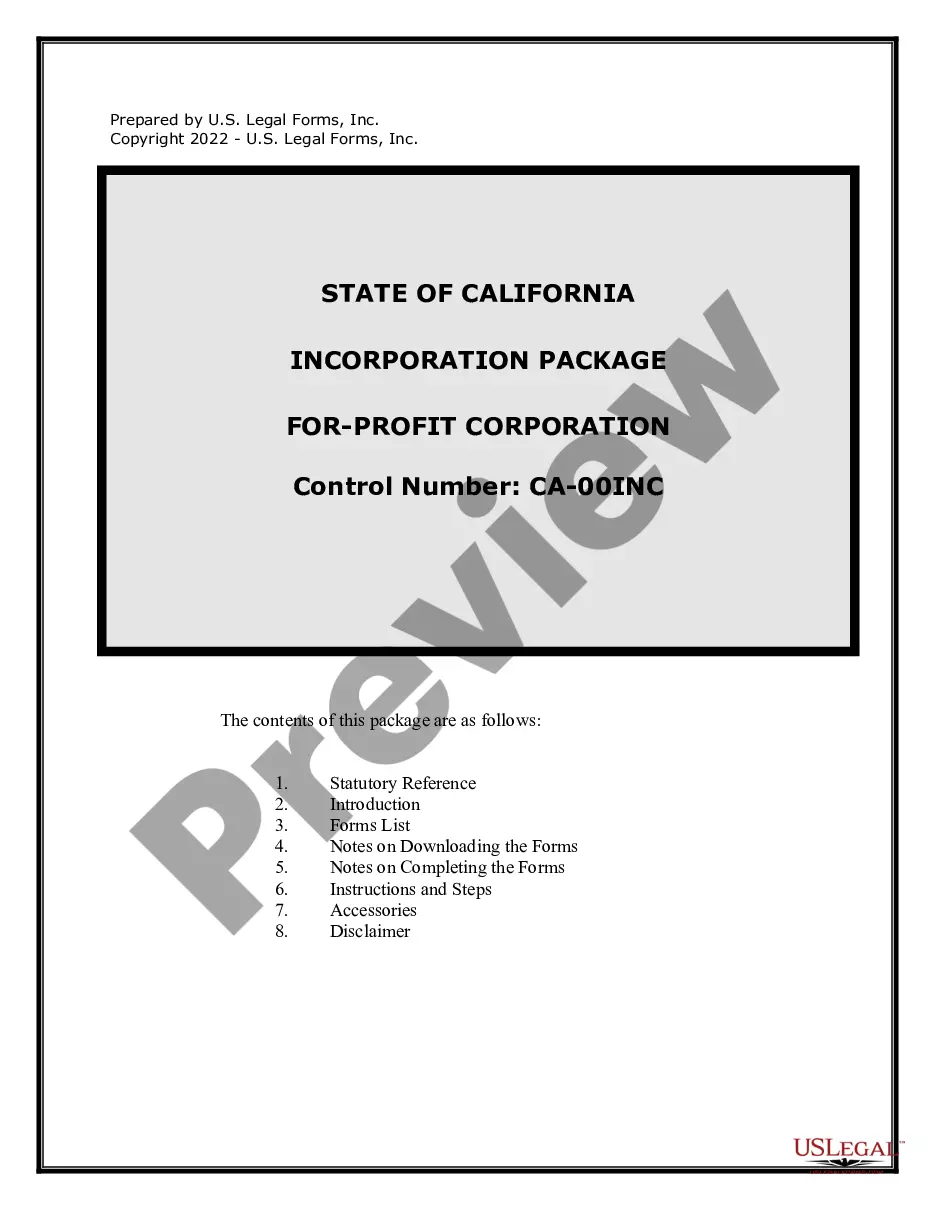
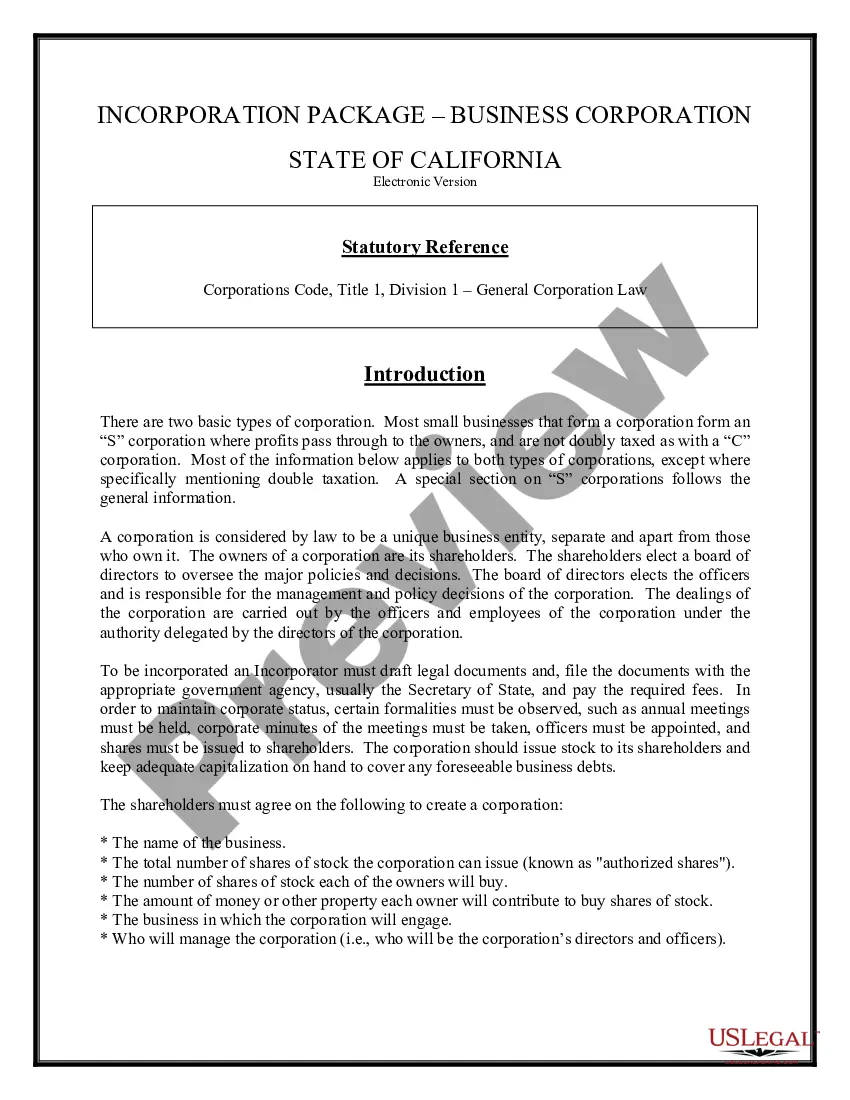
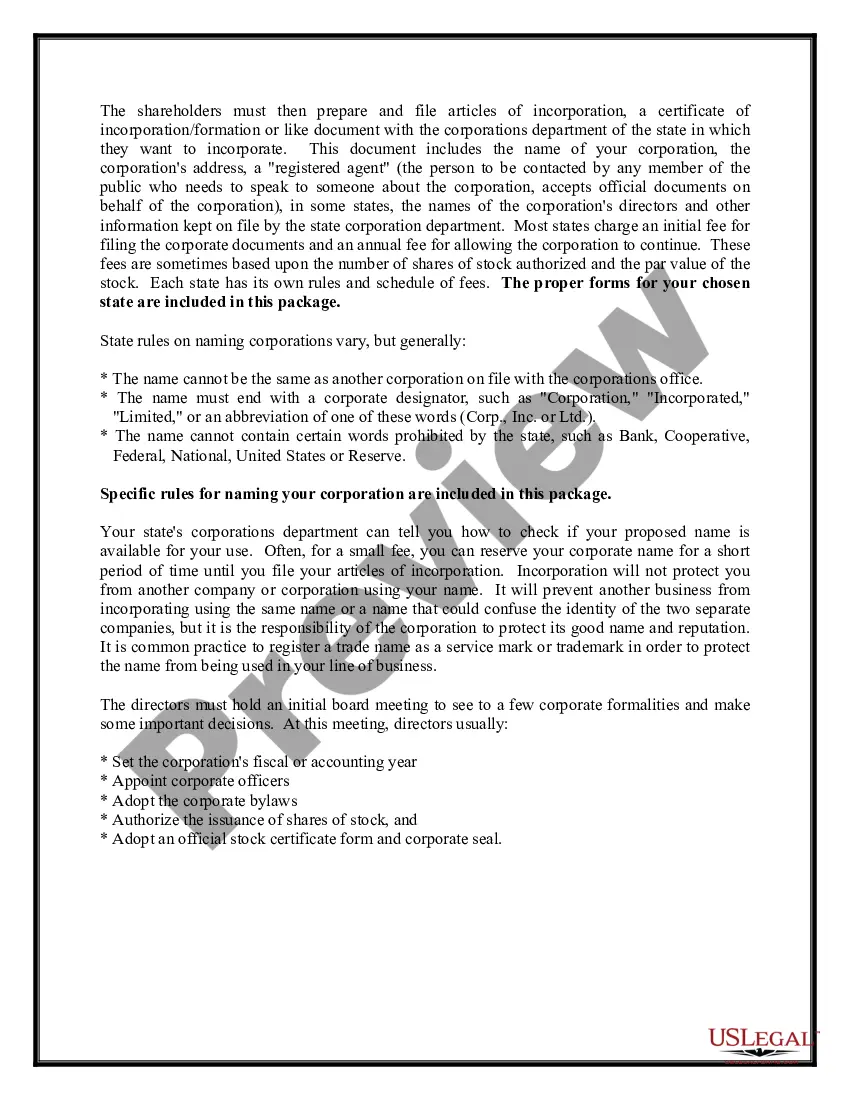
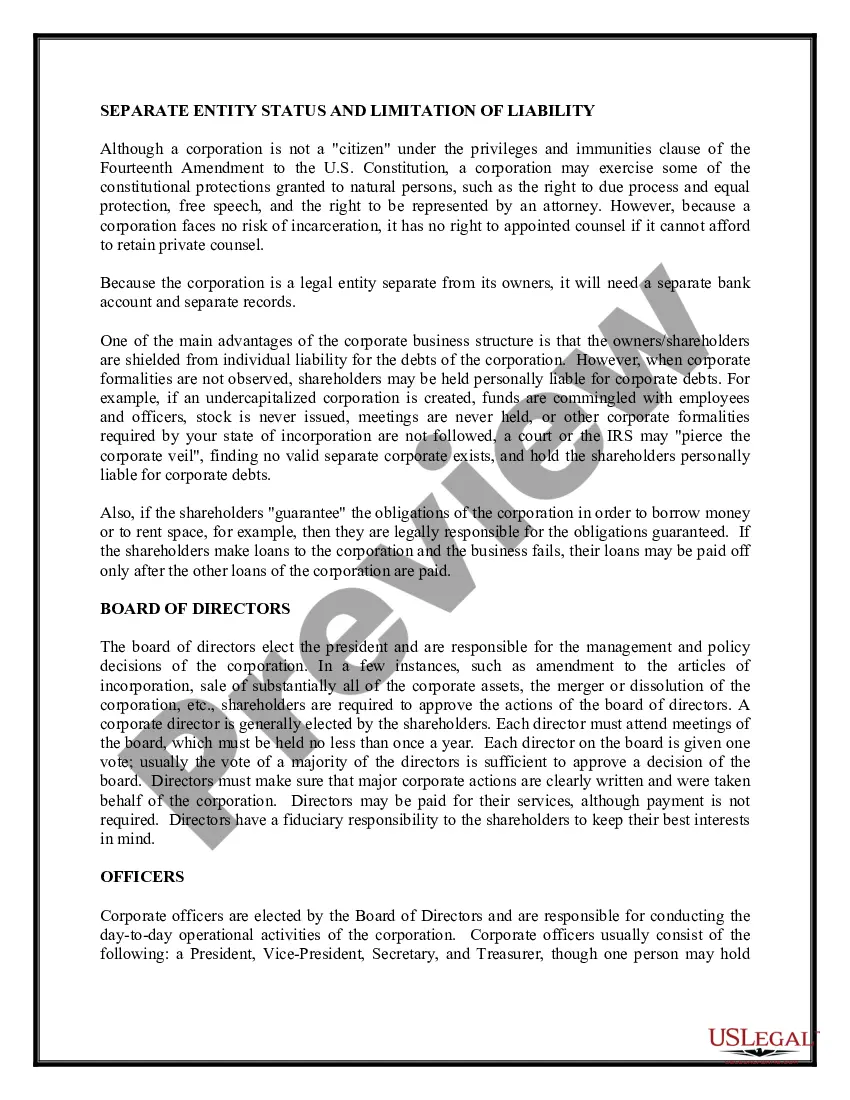
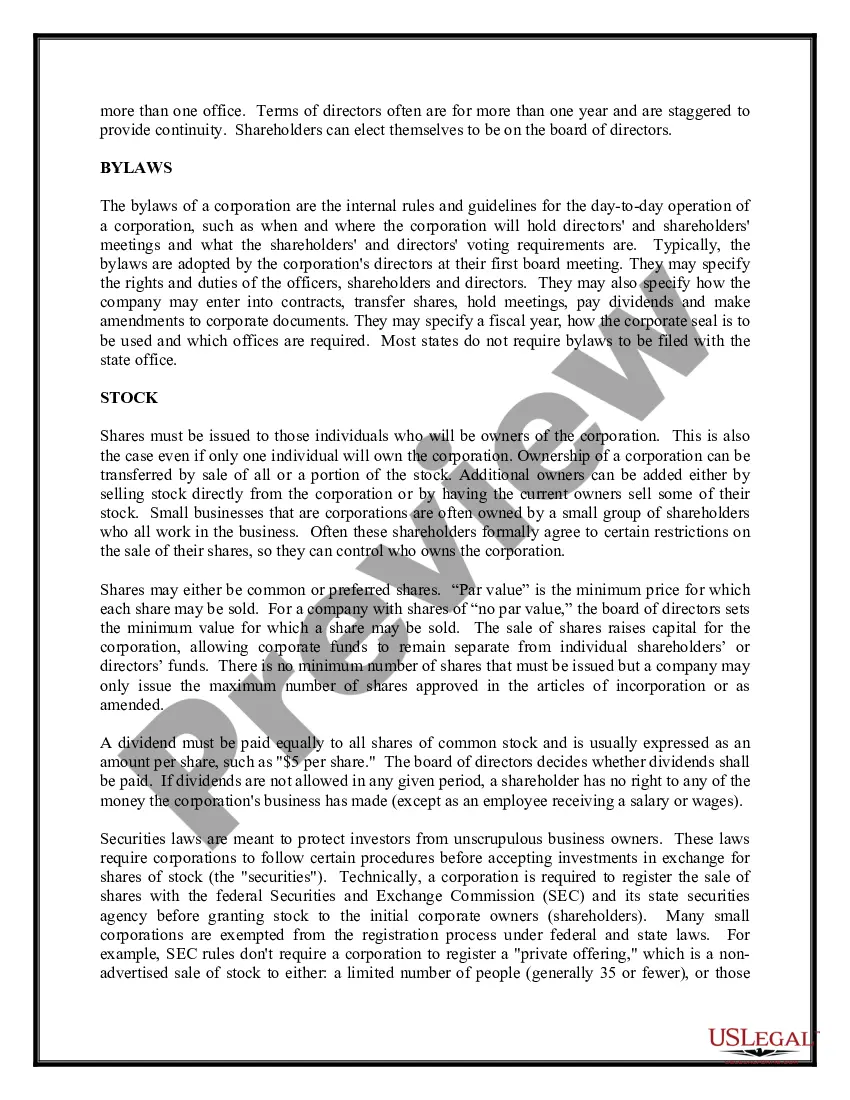
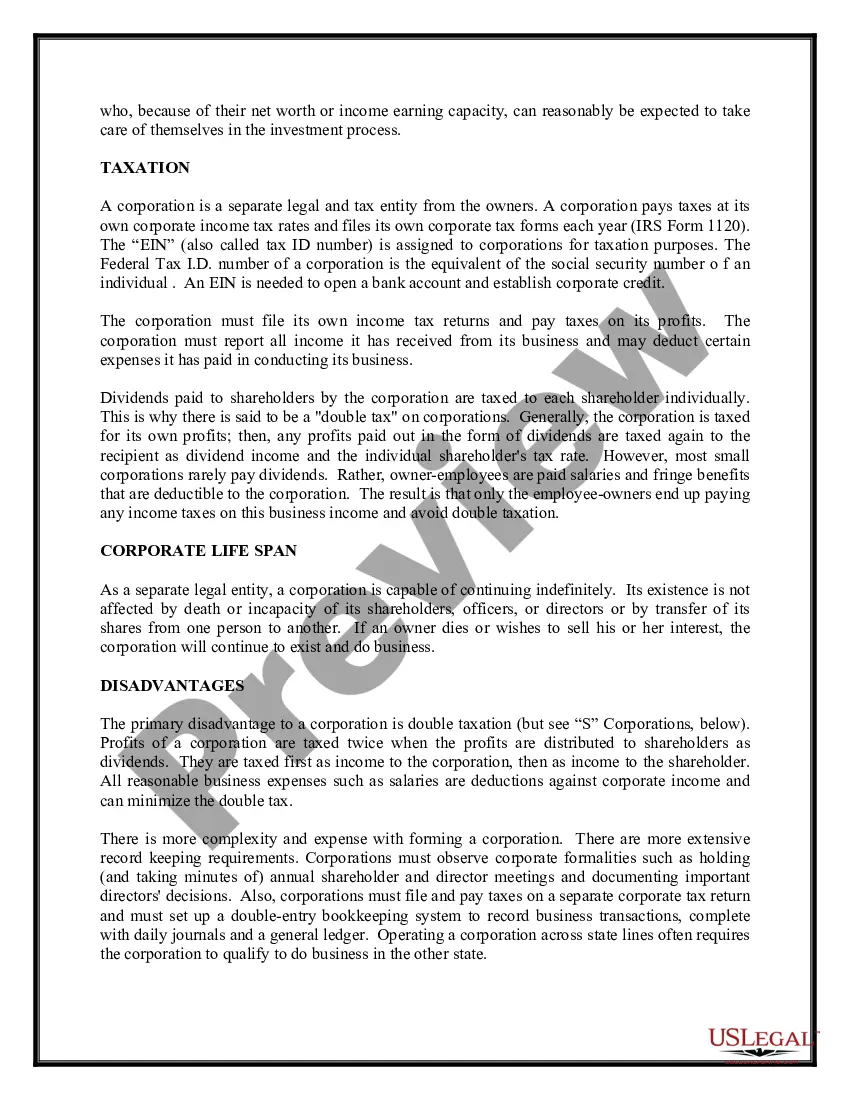
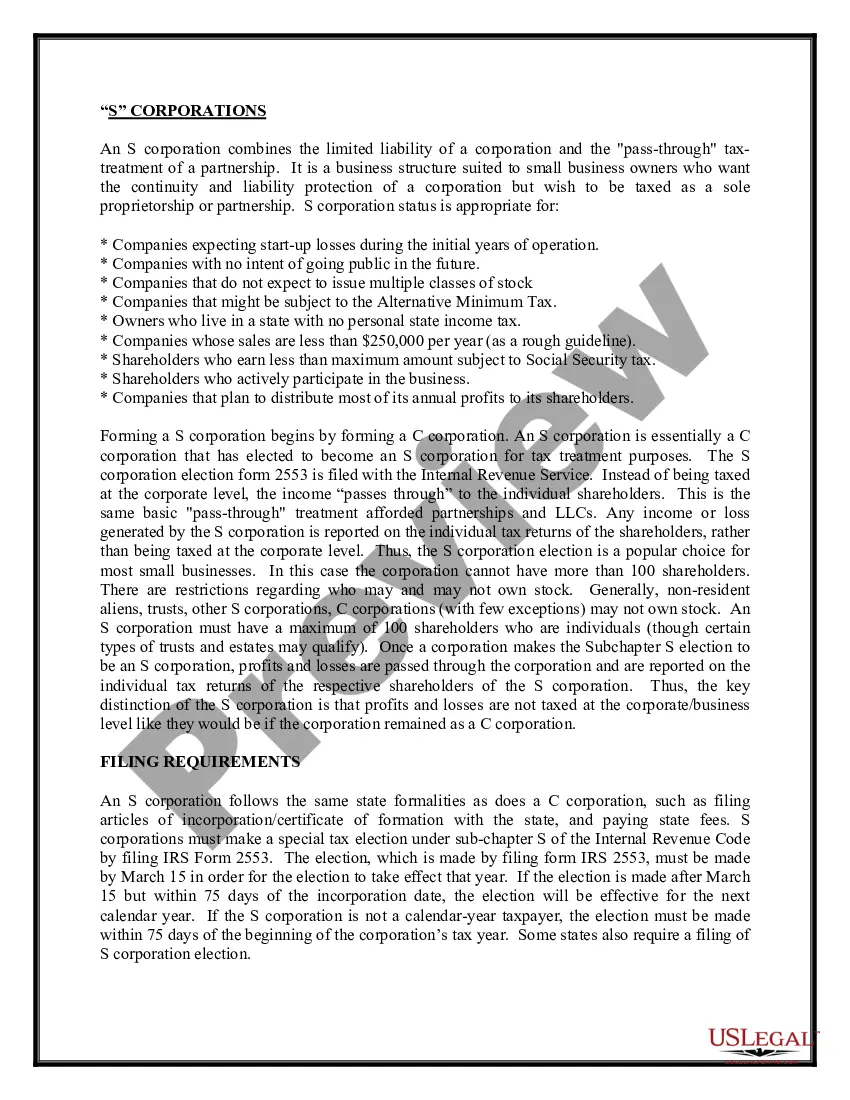
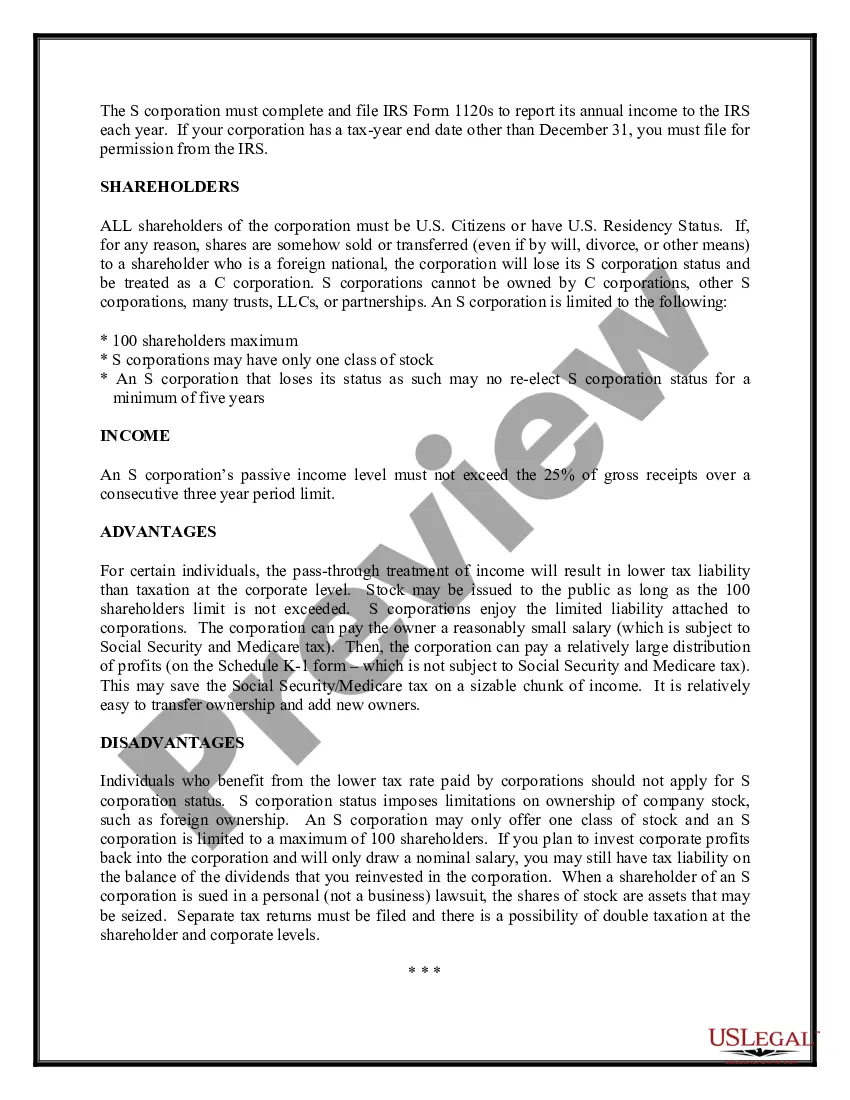


Get your form ready online
Our built-in tools help you complete, sign, share, and store your documents in one place.
Make edits, fill in missing information, and update formatting in US Legal Forms—just like you would in MS Word.
Download a copy, print it, send it by email, or mail it via USPS—whatever works best for your next step.
Sign and collect signatures with our SignNow integration. Send to multiple recipients, set reminders, and more. Go Premium to unlock E-Sign.
If this form requires notarization, complete it online through a secure video call—no need to meet a notary in person or wait for an appointment.
We protect your documents and personal data by following strict security and privacy standards.

Make edits, fill in missing information, and update formatting in US Legal Forms—just like you would in MS Word.

Download a copy, print it, send it by email, or mail it via USPS—whatever works best for your next step.

Sign and collect signatures with our SignNow integration. Send to multiple recipients, set reminders, and more. Go Premium to unlock E-Sign.

If this form requires notarization, complete it online through a secure video call—no need to meet a notary in person or wait for an appointment.

We protect your documents and personal data by following strict security and privacy standards.
Looking for another form?


How to fill out California Business Incorporation Package To Incorporate Corporation?
- Log in to your US Legal Forms account or create a new one if you're a first-time user.
- Browse the incorporation document options available, and review the preview mode to confirm that the form meets your state's requirements.
- Utilize the Search tab if you need to find a specific form. Ensure the template you choose aligns with your business type.
- Select the appropriate subscription plan that fits your needs and click on the Buy Now button.
- Complete your purchase by entering your payment information, utilizing either a credit card or PayPal.
- Download your chosen form to your device. Access it anytime through the My Forms section of your account.
By following these steps, you ensure that your incorporation process runs smoothly and efficiently. US Legal Forms not only provides superior document selection but also includes expert assistance if needed.
Start your business journey today! Explore our extensive resources and empower your business to thrive.
Form popularity
FAQ
To successfully incorporate a business, you typically need to file articles of incorporation with your state government. This process involves choosing a business name, appointing directors, and paying the required fees. For a seamless experience, consider using uslegalforms, which simplifies the steps and helps ensure all legal requirements are met to incorporate your business.
Whether to choose an LLC or incorporation ultimately hinges on how you envision your business evolving. An LLC provides operational flexibility and may suit smaller enterprises, while incorporation can support larger organizations with defined formalities. Evaluate your business plans and consult legal advice to determine the best way to incorporate your business.
One significant disadvantage of an LLC is that it may face limited growth potential compared to a corporation. Investors often prefer corporations for their structure and ability to issue stock, which can hinder an LLC's fundraising opportunities. Additionally, some states impose higher taxes on LLCs, potentially affecting profitability as you seek to incorporate your business.
Many entrepreneurs prefer an LLC because it combines the benefits of partnership and corporation. With an LLC, owners enjoy limited liability while maintaining flexibility in management and fewer ongoing compliance requirements. This can simplify operations and reduce administrative costs, making it an appealing option for those considering how to incorporate their business.
Choosing between incorporation and an LLC depends on your specific business needs. Incorporating offers benefits like easier access to capital and a more established business structure. However, an LLC may provide flexibility in management and fewer formalities, making it a popular choice for small businesses. Consider your long-term goals when deciding how to best incorporate your business.
To express that your business is incorporated, you can use 'Incorporated' or the abbreviation 'Inc.' after your business name. For example, if your business name is 'Green Solutions', it is properly written as 'Green Solutions Incorporated' or 'Green Solutions Inc.' This formal designation signifies that you have completed the necessary legal requirements to business incorporate for businesses, enhancing your reputation among customers and clients.
Choosing between an LLC and an incorporated structure depends on your business goals and needs. An LLC, or Limited Liability Company, offers flexibility and simple management, while an incorporation provides a more formal structure and can attract investors. When you decide to business incorporate for businesses, you select the structure that best suits your objectives while ensuring legal protections for your personal assets. Understanding these differences helps in making the right choice.
To incorporate your business, you should first choose a unique name that complies with state regulations. Next, prepare and file the Articles of Incorporation with your state government, along with the necessary fees. Additionally, you will need to create corporate bylaws and hold an organizational meeting to finalize your structure. By following these steps, you enable your business to successfully business incorporate for businesses, meeting legal requirements and establishing your company.
You can write 'Inc.' as an abbreviation for 'Incorporated' following your business name. For instance, if your business name is 'Tech Innovations', you would write it as 'Tech Innovations Inc.' This designation indicates that your business is legally incorporated, which is essential for protecting your personal assets. When considering how to business incorporate for businesses, remember that the abbreviation enhances your company's credibility.
When a business incorporates, it becomes a separate legal entity distinct from its owners. This means that the business can own assets, incur liabilities, and enter contracts independently. Incorporating offers benefits such as limited liability, which protects personal assets from business debts. By understanding the process of how to incorporate for businesses, you can establish a solid foundation for growth and credibility in your industry.