Roofing Contract Sample With Insurance
Description
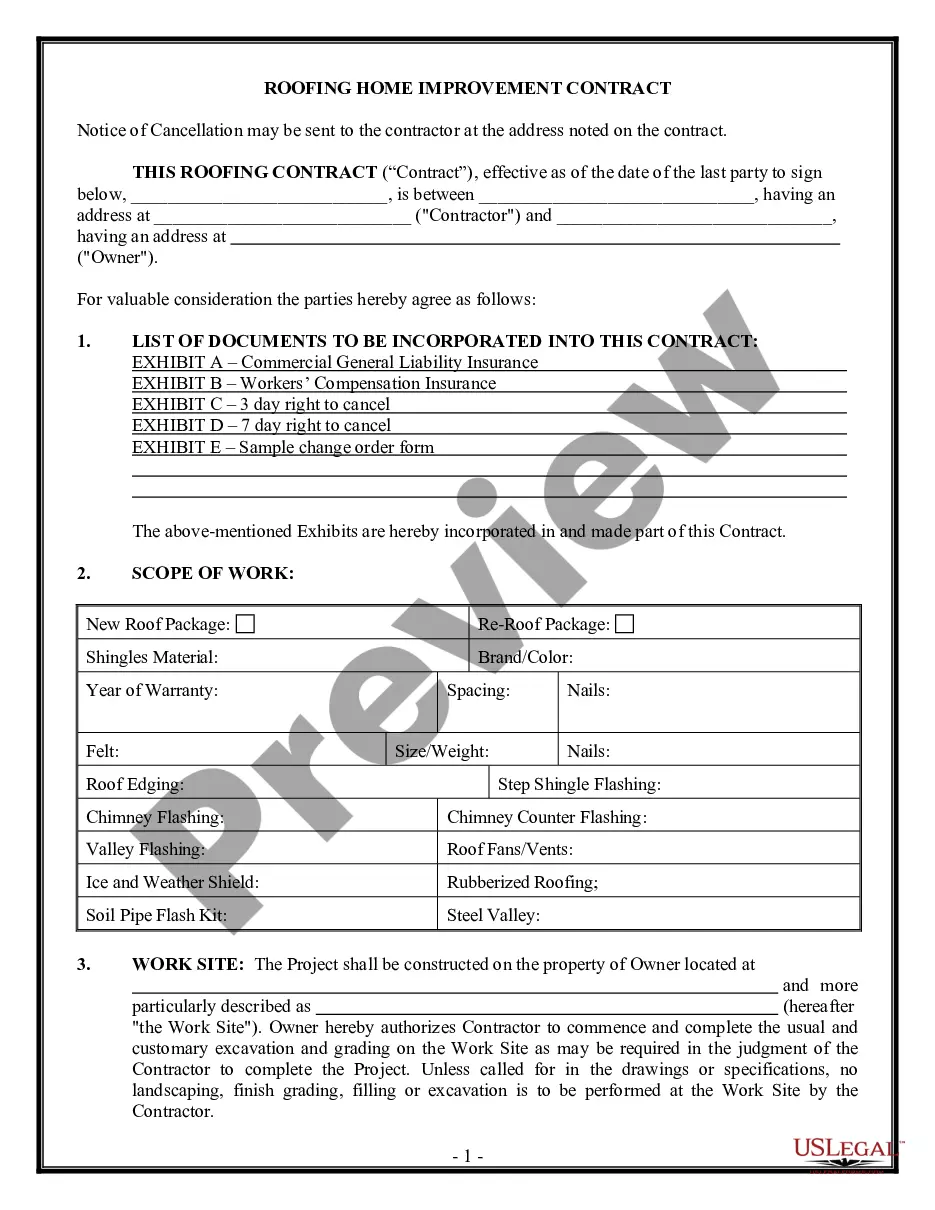
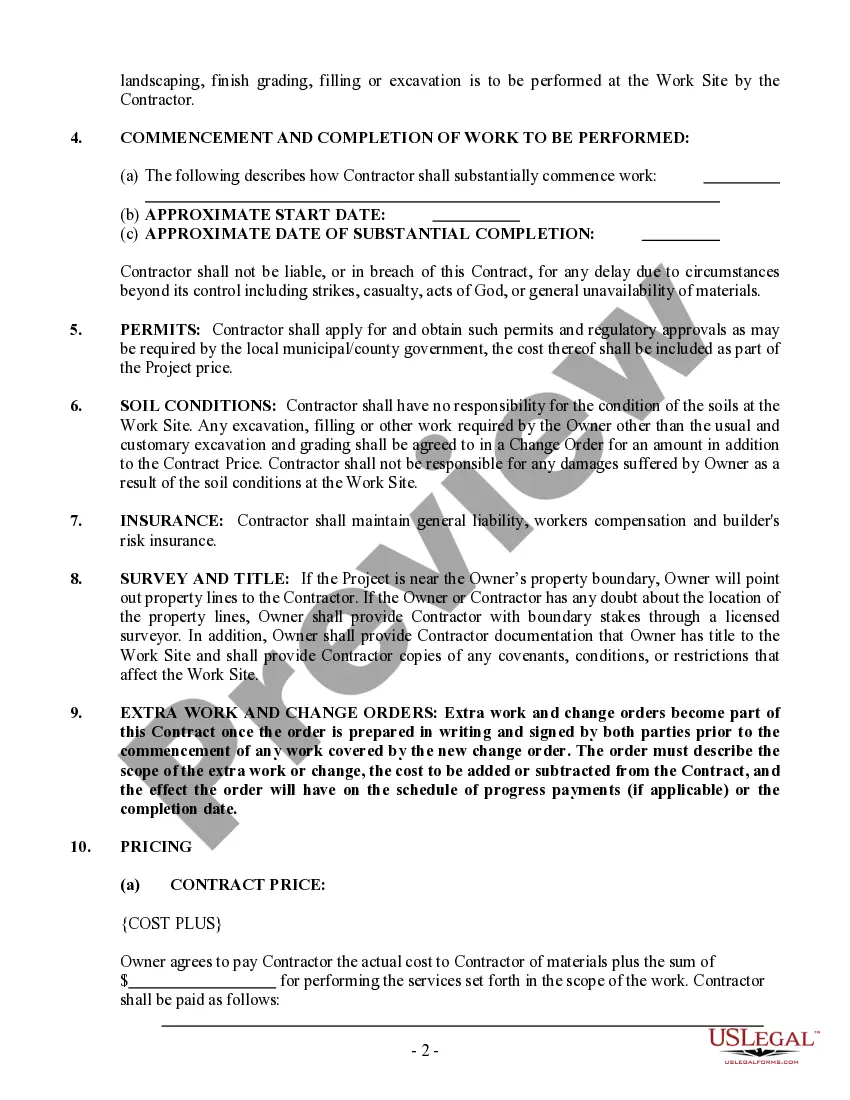
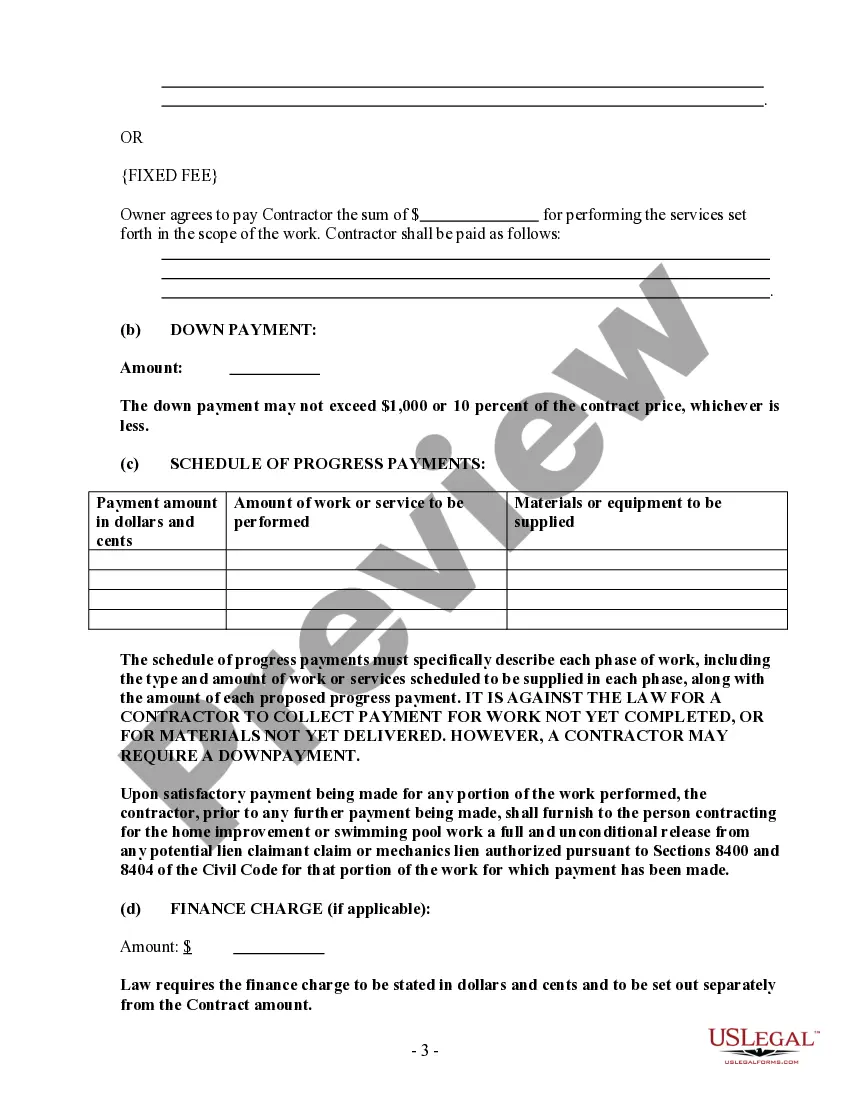
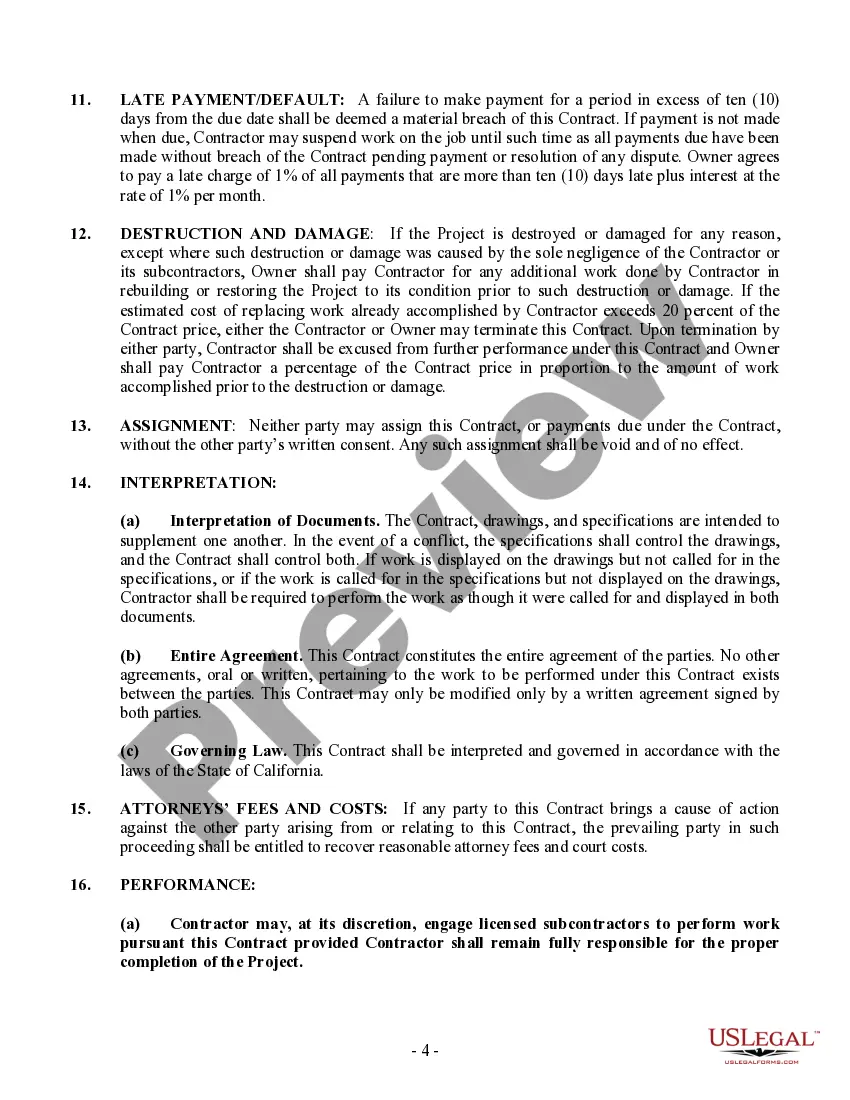
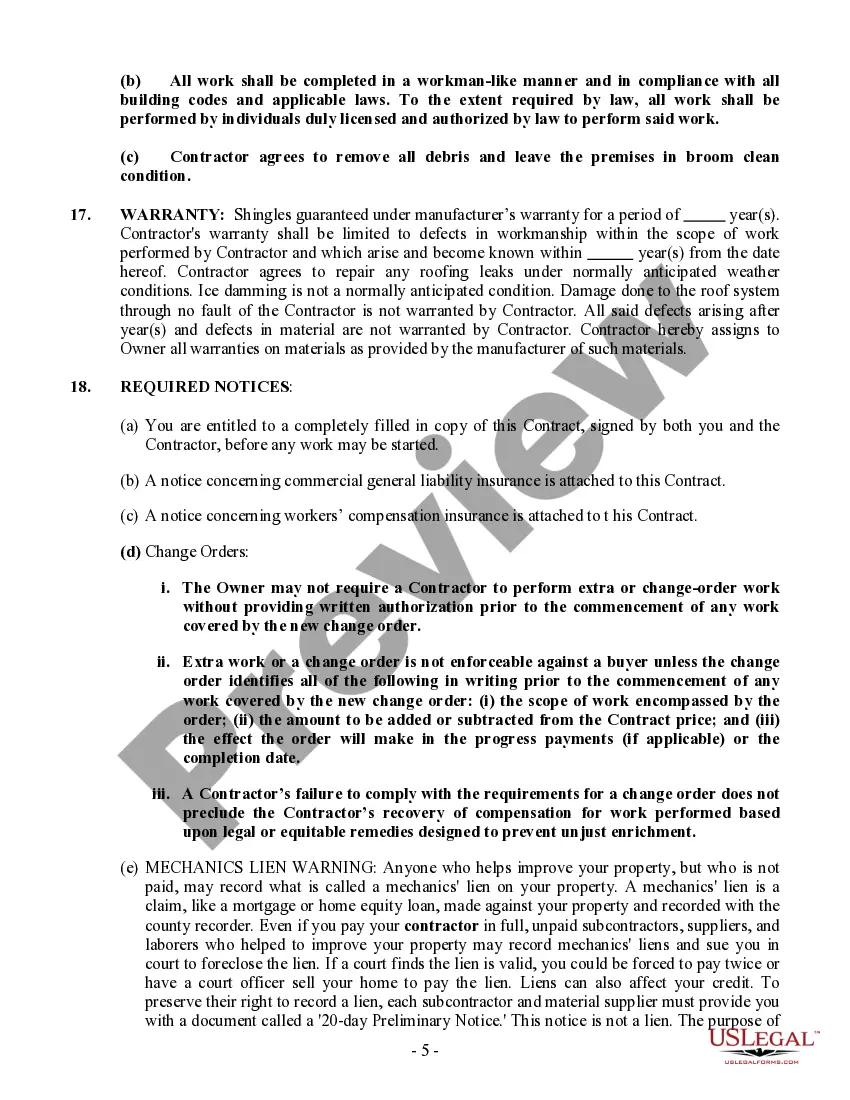
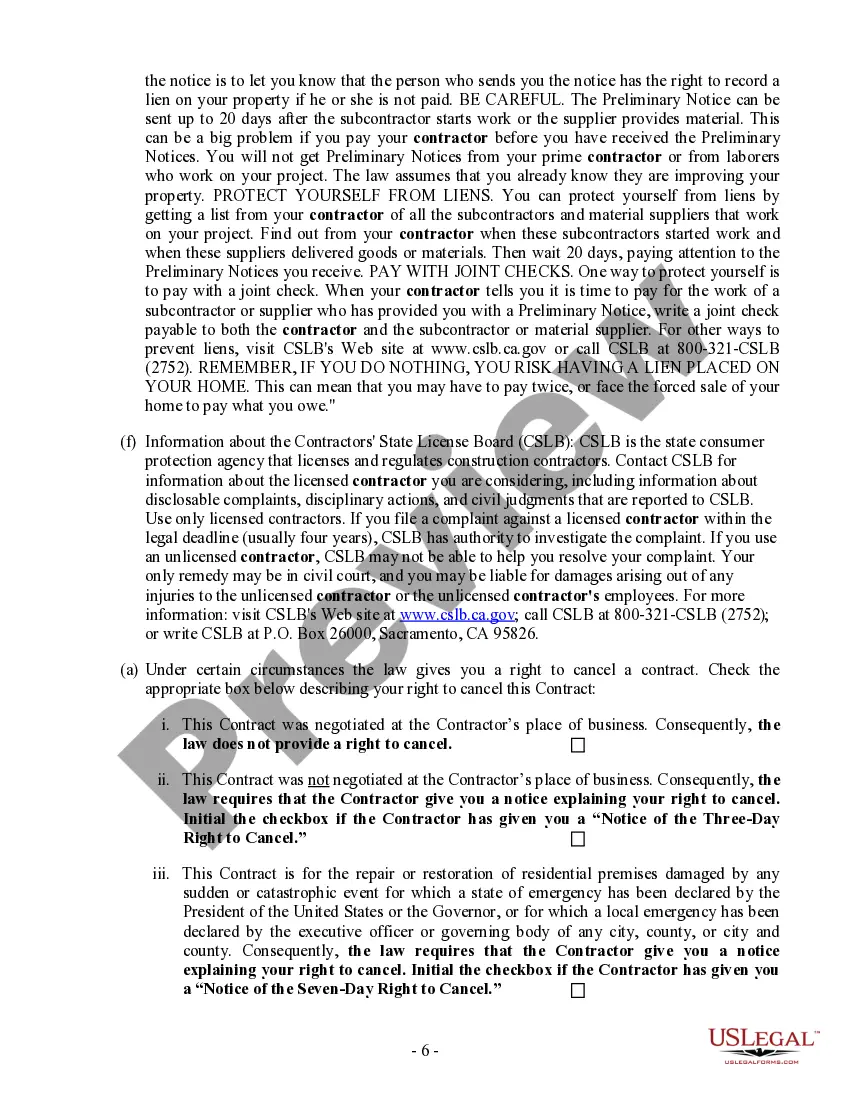
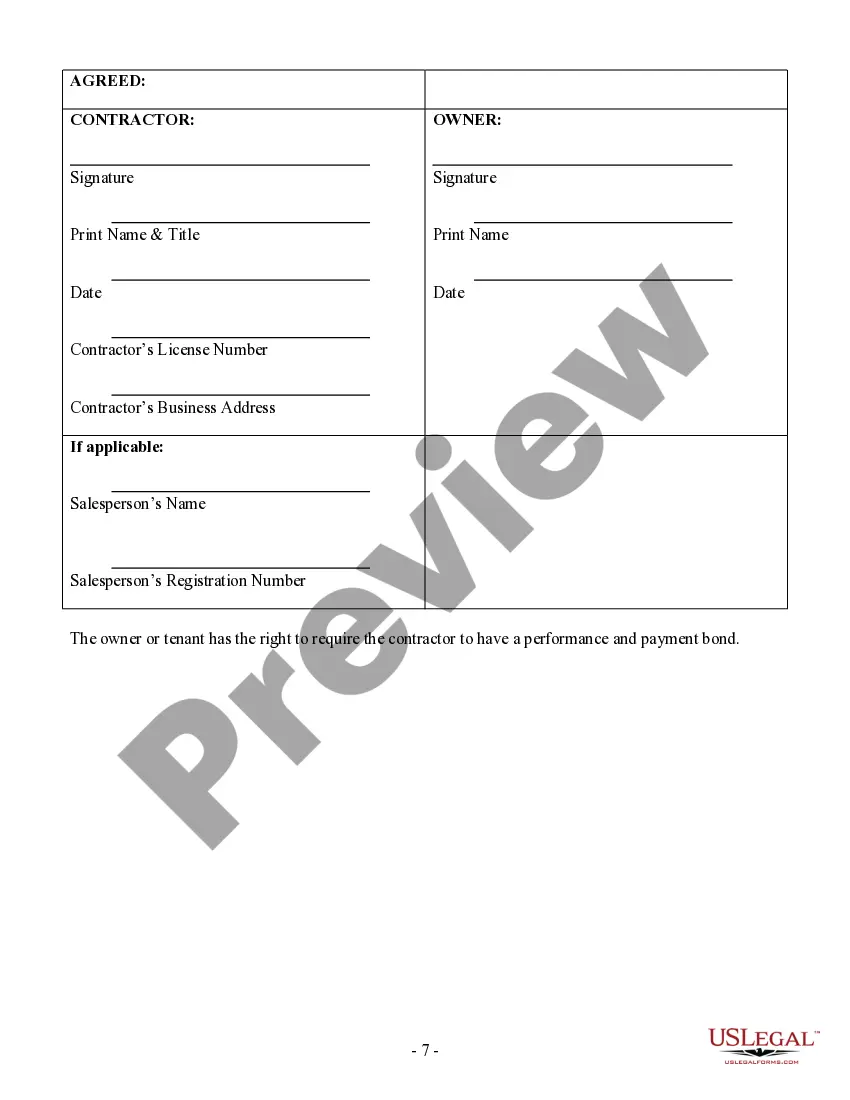
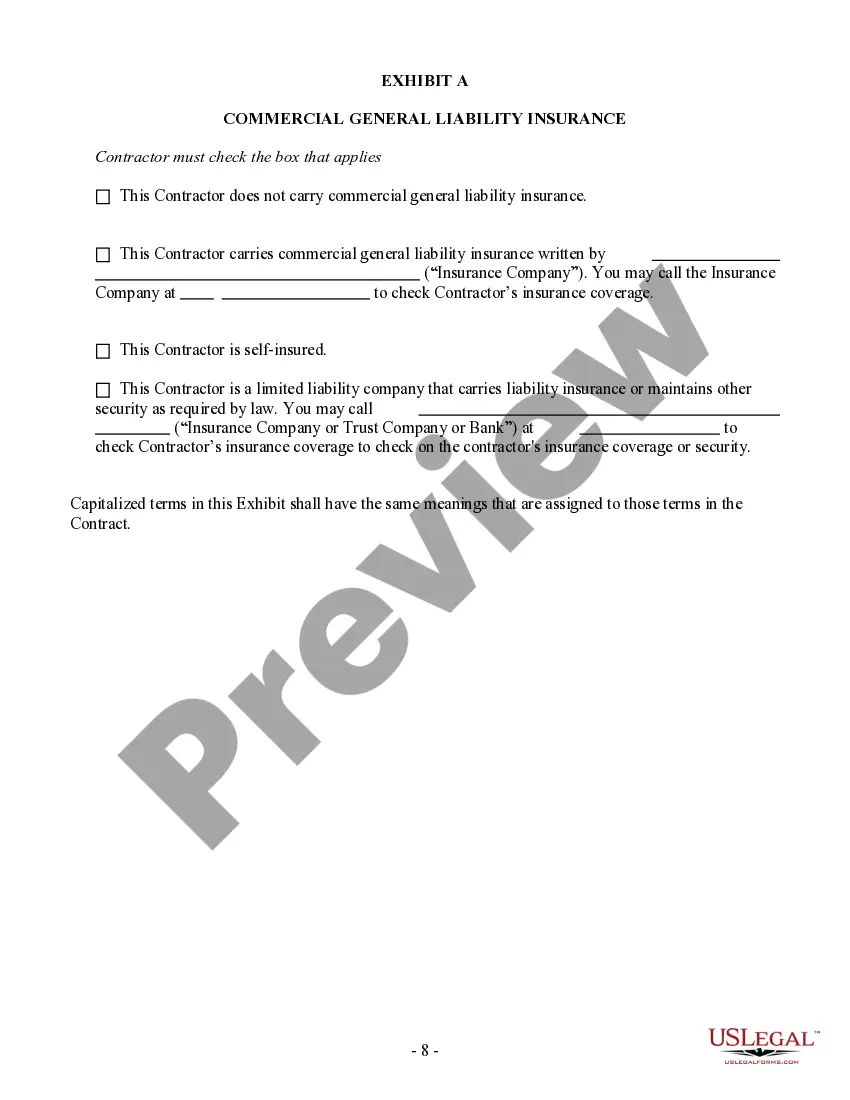

Get your form ready online
Our built-in tools help you complete, sign, share, and store your documents in one place.
Make edits, fill in missing information, and update formatting in US Legal Forms—just like you would in MS Word.
Download a copy, print it, send it by email, or mail it via USPS—whatever works best for your next step.
Sign and collect signatures with our SignNow integration. Send to multiple recipients, set reminders, and more. Go Premium to unlock E-Sign.
If this form requires notarization, complete it online through a secure video call—no need to meet a notary in person or wait for an appointment.
We protect your documents and personal data by following strict security and privacy standards.

Make edits, fill in missing information, and update formatting in US Legal Forms—just like you would in MS Word.

Download a copy, print it, send it by email, or mail it via USPS—whatever works best for your next step.

Sign and collect signatures with our SignNow integration. Send to multiple recipients, set reminders, and more. Go Premium to unlock E-Sign.

If this form requires notarization, complete it online through a secure video call—no need to meet a notary in person or wait for an appointment.

We protect your documents and personal data by following strict security and privacy standards.
Looking for another form?

How to fill out California Roofing Contract For Contractor?
Managing legal documents can be exasperating, even for seasoned professionals.
When you seek a Roofing Contract Sample With Insurance and lack the time to thoroughly search for the correct and current version, the process can be stressful.
Benefit from a valuable collection of articles, guides, and resources relevant to your situation and requirements.
Conserve time and effort in locating the documents you require, and utilize US Legal Forms’ sophisticated search and Review feature to find and download Roofing Contract Sample With Insurance.
Ensure that the template is recognized in your state or county. Choose Buy Now when you're prepared. Select a subscription plan that suits you. Pick the format you prefer, and Download, fill out, sign, print, and send your document. Take advantage of the US Legal Forms web catalog, supported by 25 years of expertise and reliability. Streamline your everyday document management with a smooth and user-friendly process today.
- If you have a subscription, Log In to your US Legal Forms account, search for the document, and download it.
- Visit the My documents section to check the documents you've previously downloaded and manage your folders.
- If it’s your first experience with US Legal Forms, create an account for unlimited access to all platform benefits.
- Here are the steps to follow after obtaining the document you need.
- Confirm that this is the correct form by previewing it and reviewing its details.
- Access state- or county-specific legal and business documents.
- US Legal Forms caters to all your requirements, from personal to commercial paperwork, in a single location.
- Employ cutting-edge tools to fill out and manage your Roofing Contract Sample With Insurance.
Form popularity
FAQ
Hidden Defects?Toxic Chemicals in Products: Materials such as lead in paint, asbestos in insulation, DDT sprayed on crops have all been the subject of litigation. If you have been poisoned or otherwise injured by toxic ingredients that are in a product, you can recover damages.
Product liability is a doctrine that gives plaintiffs a cause of action if they encounter a defective consumer item. This doctrine can fall under negligence, but it is generally associated with strict liability, meaning that defendants can be held liable regardless of their intent or knowledge.
Strict Liability (NY PJI 0) The strict liability theory states that if a manufacturer, distributor, retailer or other party sells a defective product, they are responsible if a person is injured by that product.
So, for example, if your vehicle veered off the roadway because of a faulty steering, you would have a product liability claim only if you can show evidence that your accident and resulting injuries were caused by the steering defect, not because of a mistake you made.
Product liability refers to when you're trying to hold a manufacturer liable for an injury you sustained while using their product. Unlike in strict liability cases, you have to be able to show some sort of negligence from the part of the Defendant (the entity getting sued).
The statute of limitations on most product liability claims in New York State is three years after the date the injury occurred, or the date of injury discovery (if different).
The law on strict products liability in New York is that a manufacturer, wholesaler, distributor, or retailer who sells a product in a defective condition is liable for injury which results from the use of the product.
The law on strict products liability in New York is that a manufacturer, wholesaler, distributor, or retailer who sells a product in a defective condition is liable for injury which results from the use of the product.
Essentially, with product liability claims you must prove that your injuries were a result of a defect, carelessness from another party, or negligence. With strict liability cases, you must prove that you used your product as intended.
In order to succeed on a claim for strict product liability, a plaintiff must show that: (1) the product was defective (2) when it left the defendant's hand, and that (3) the defect caused the plaintiff's injury.