Power Attorney For Bank Account
Description
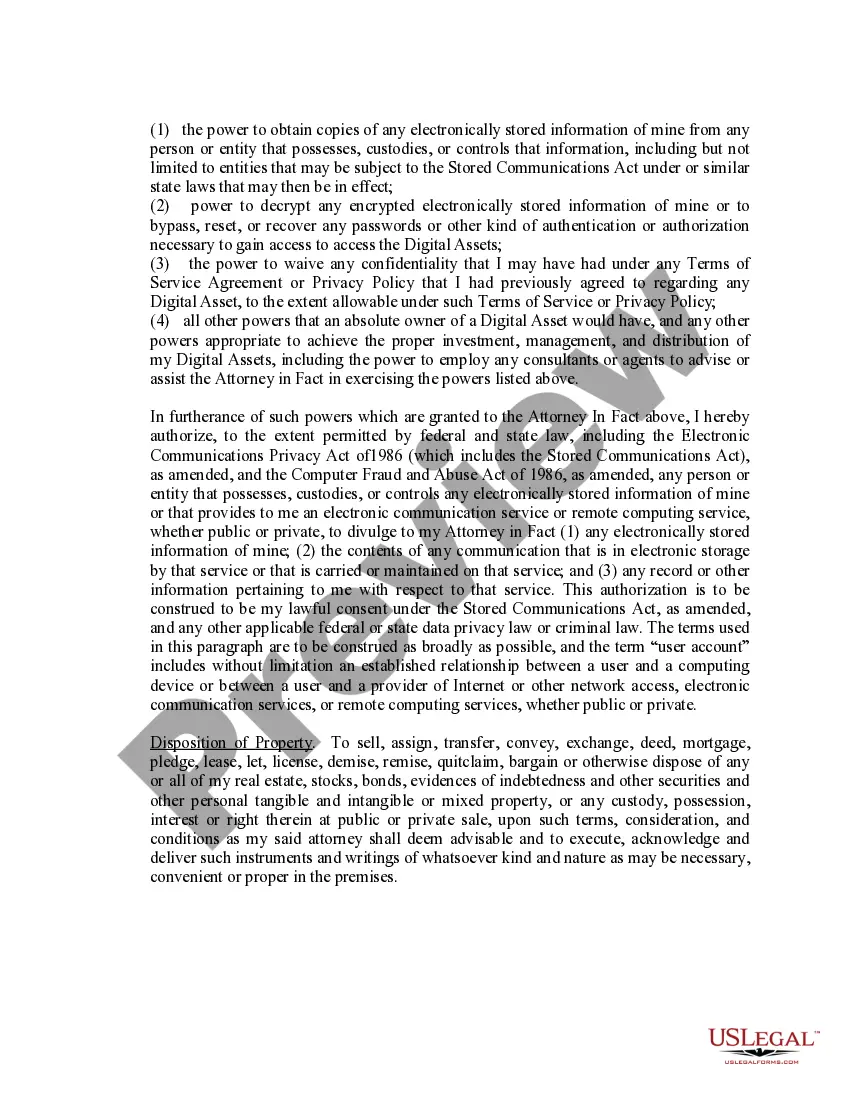
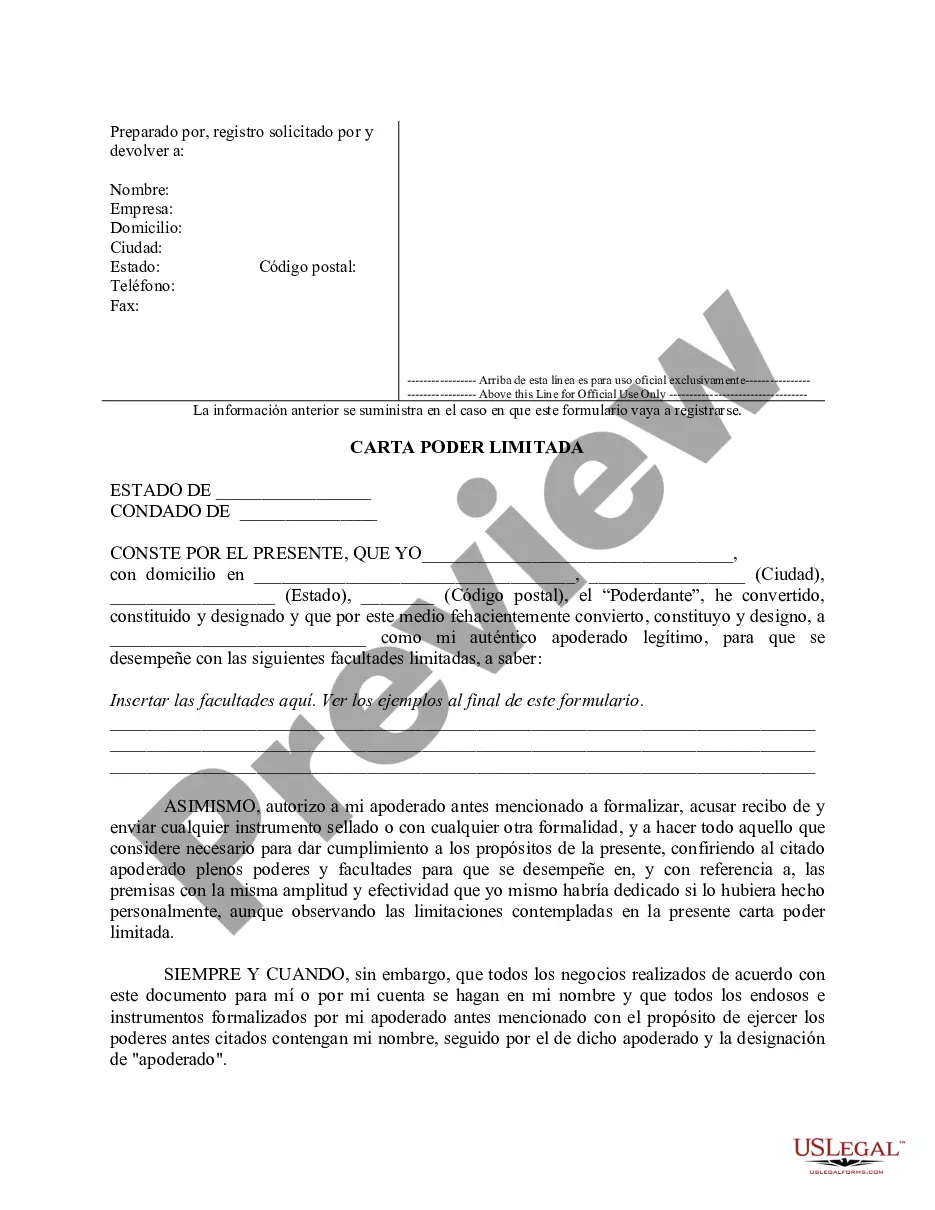
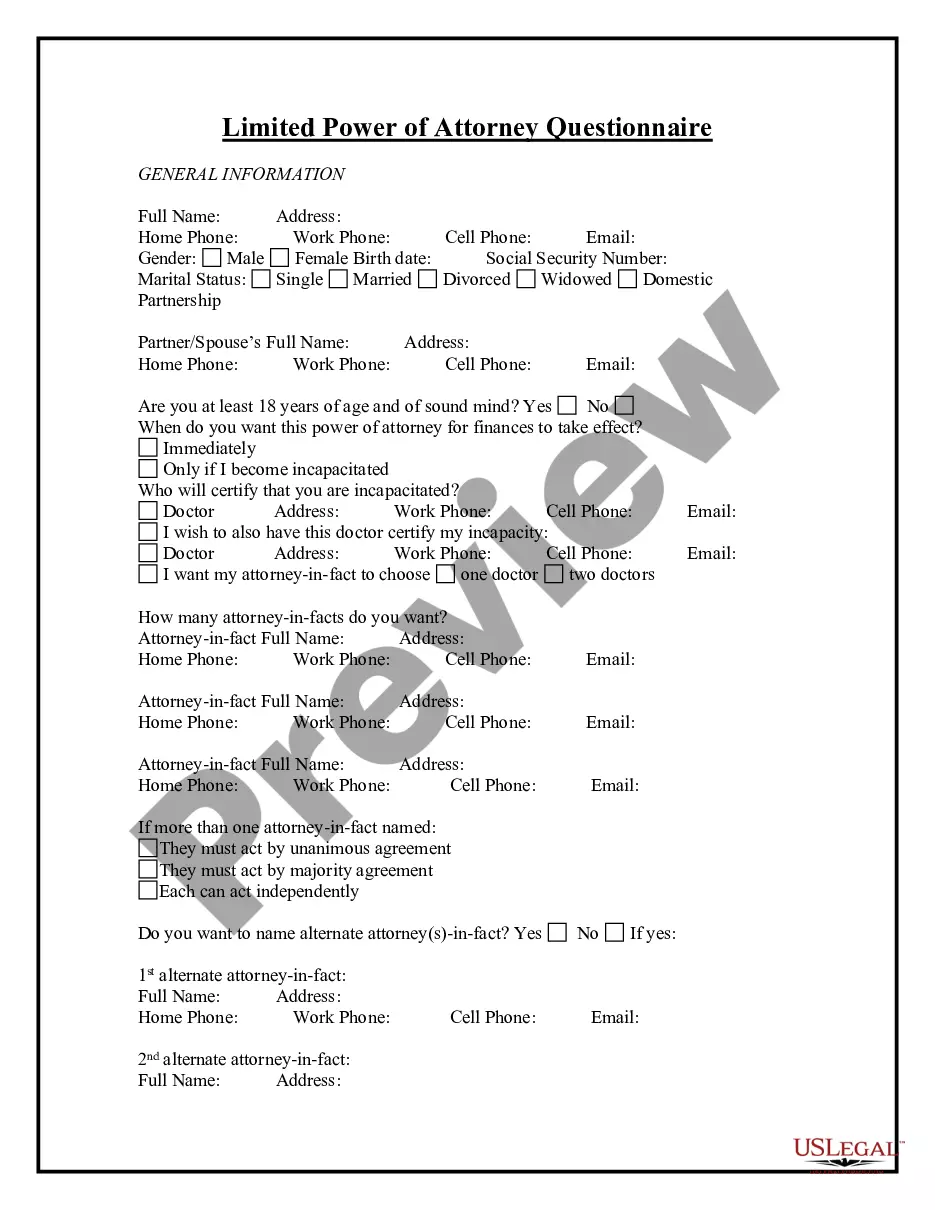
Get your form ready online
Our built-in tools help you complete, sign, share, and store your documents in one place.
Make edits, fill in missing information, and update formatting in US Legal Forms—just like you would in MS Word.
Download a copy, print it, send it by email, or mail it via USPS—whatever works best for your next step.
Sign and collect signatures with our SignNow integration. Send to multiple recipients, set reminders, and more. Go Premium to unlock E-Sign.
If this form requires notarization, complete it online through a secure video call—no need to meet a notary in person or wait for an appointment.
We protect your documents and personal data by following strict security and privacy standards.

Make edits, fill in missing information, and update formatting in US Legal Forms—just like you would in MS Word.

Download a copy, print it, send it by email, or mail it via USPS—whatever works best for your next step.

Sign and collect signatures with our SignNow integration. Send to multiple recipients, set reminders, and more. Go Premium to unlock E-Sign.

If this form requires notarization, complete it online through a secure video call—no need to meet a notary in person or wait for an appointment.

We protect your documents and personal data by following strict security and privacy standards.
Looking for another form?
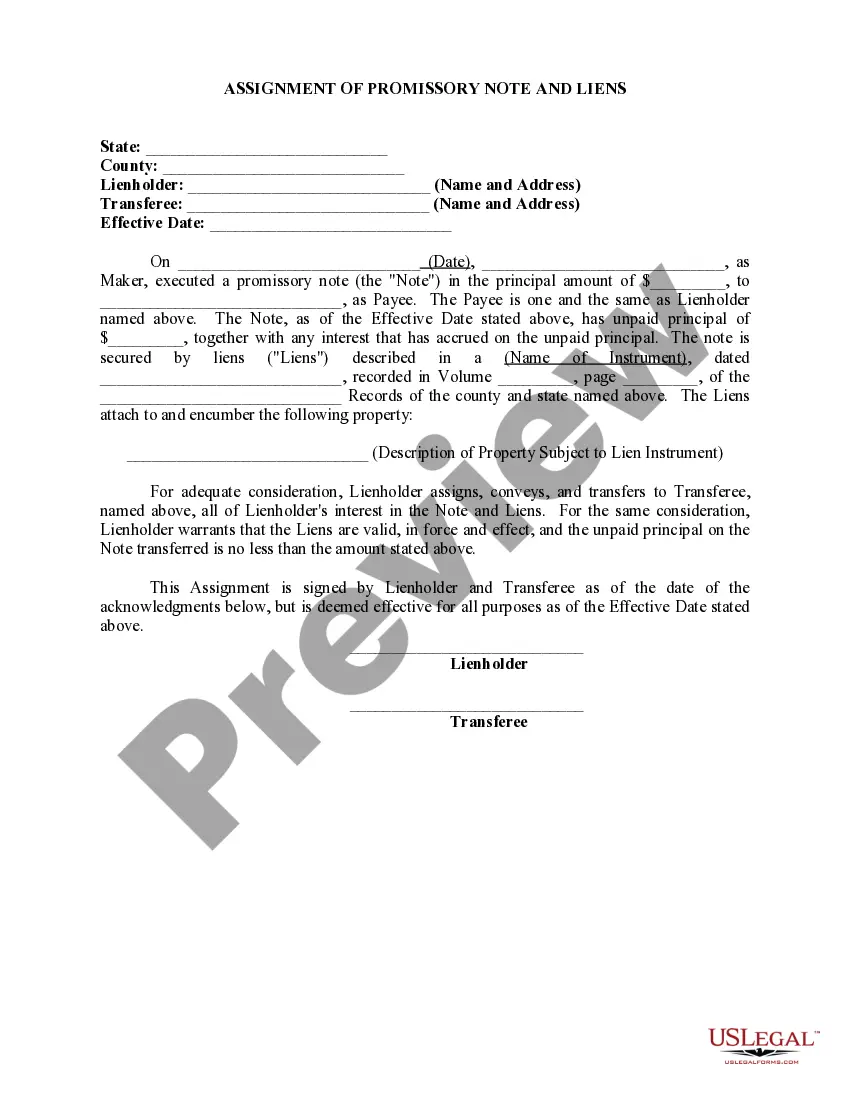
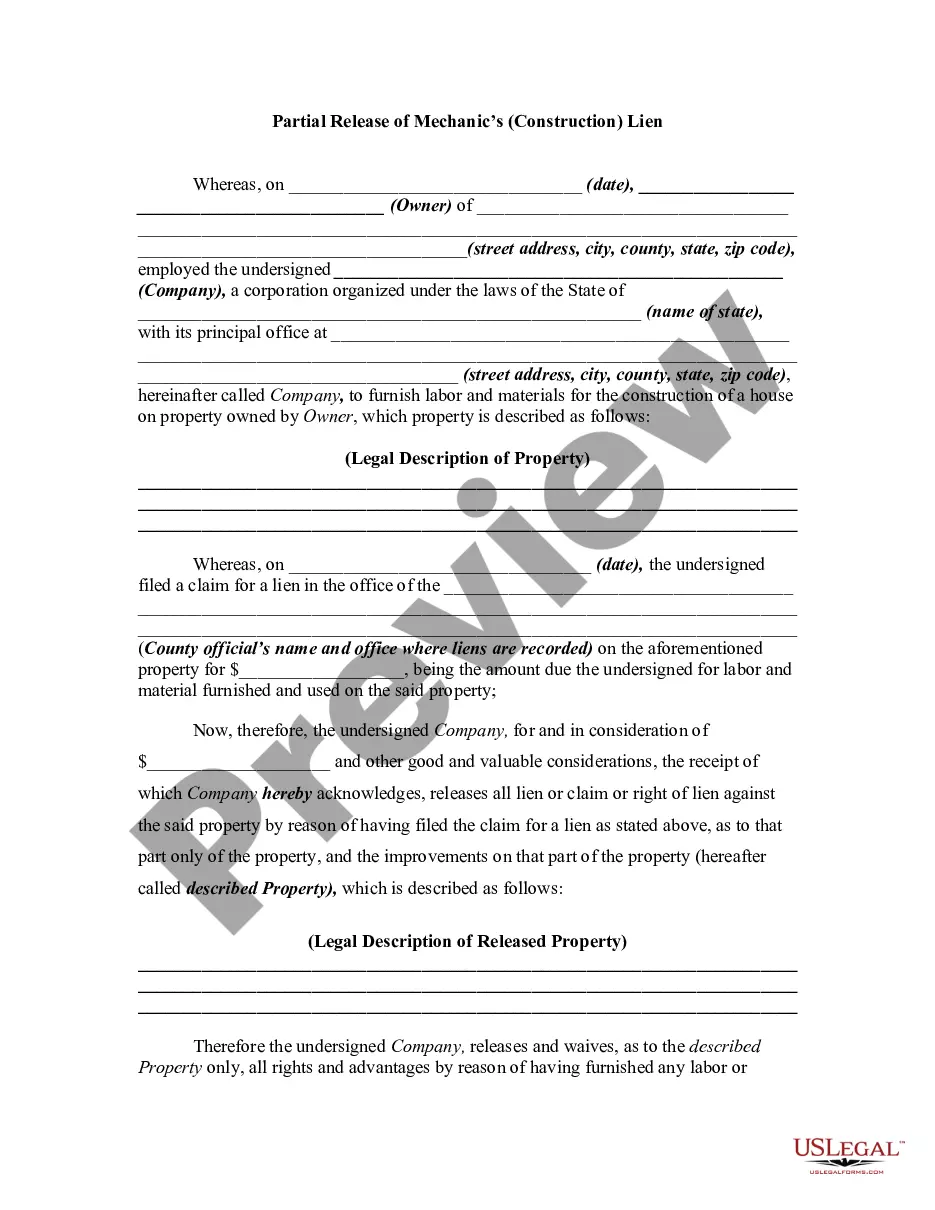
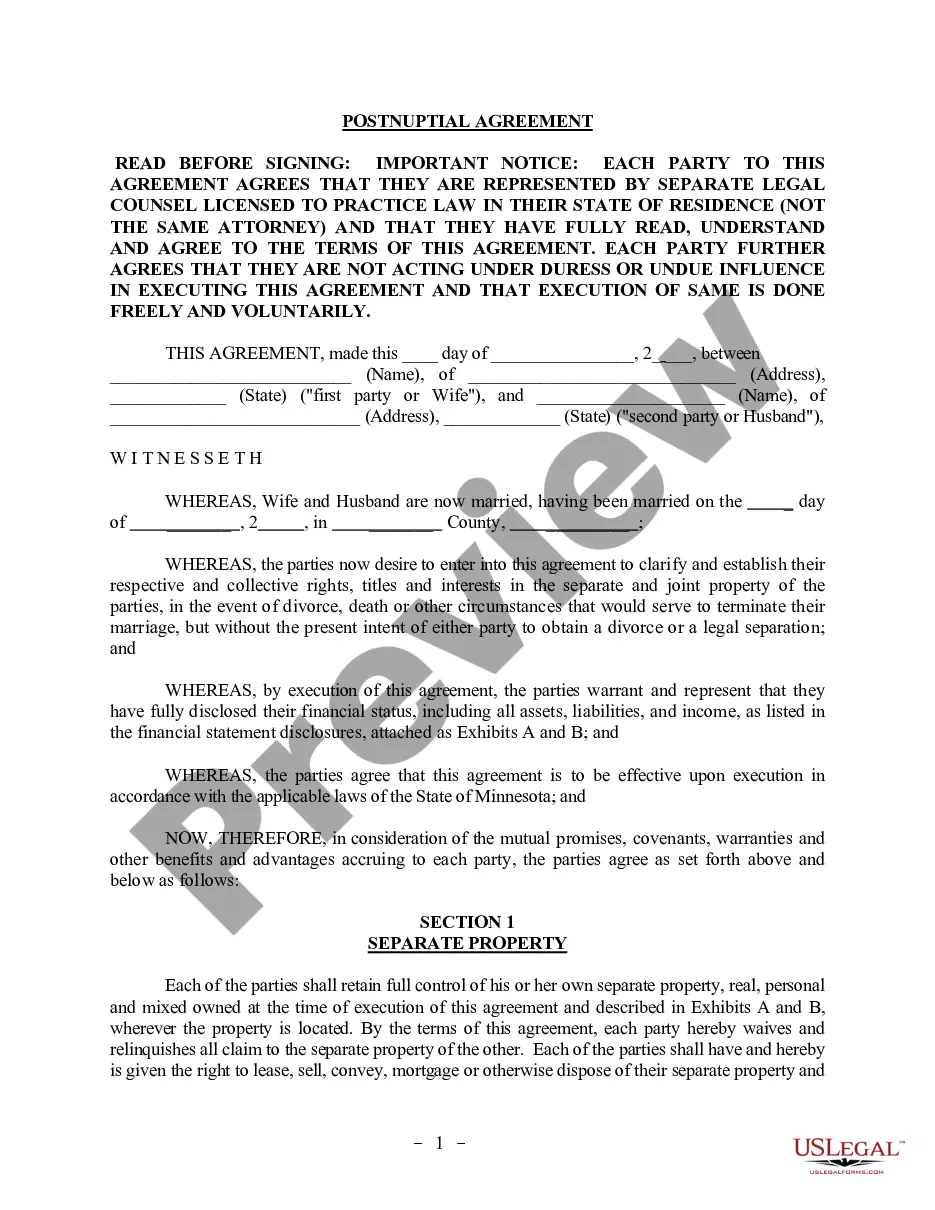
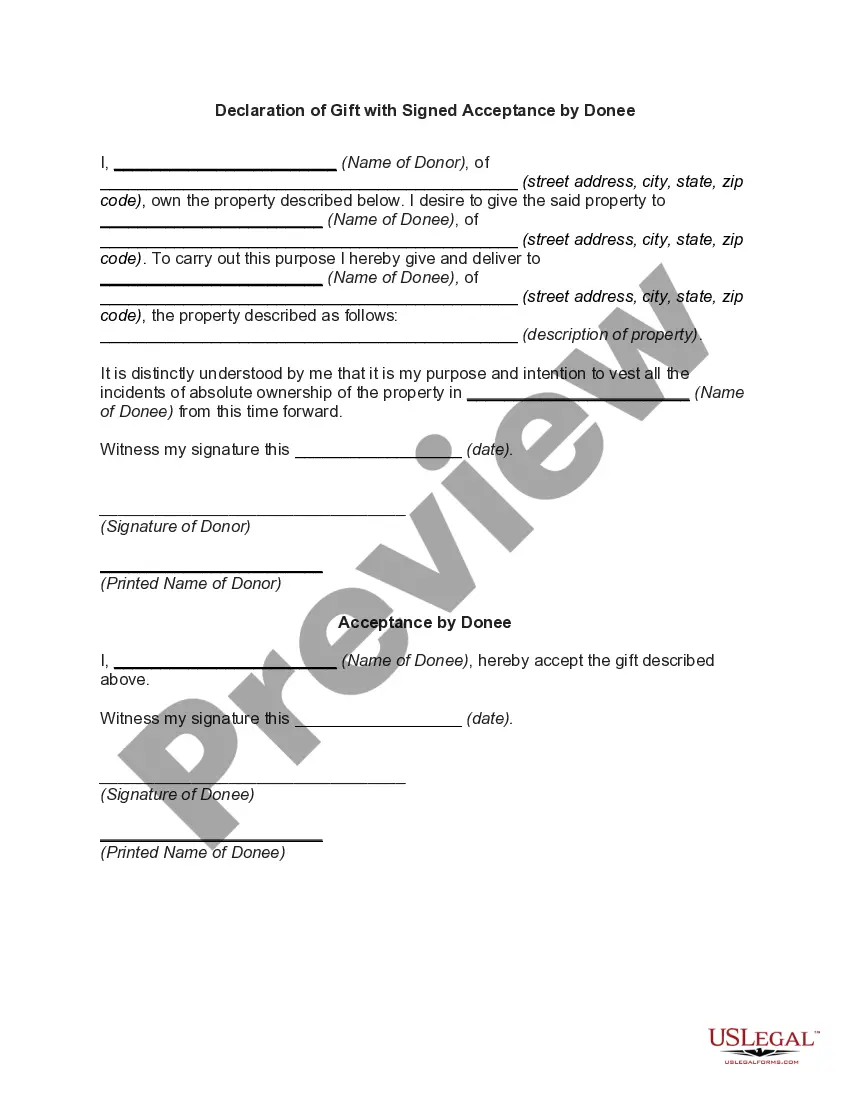
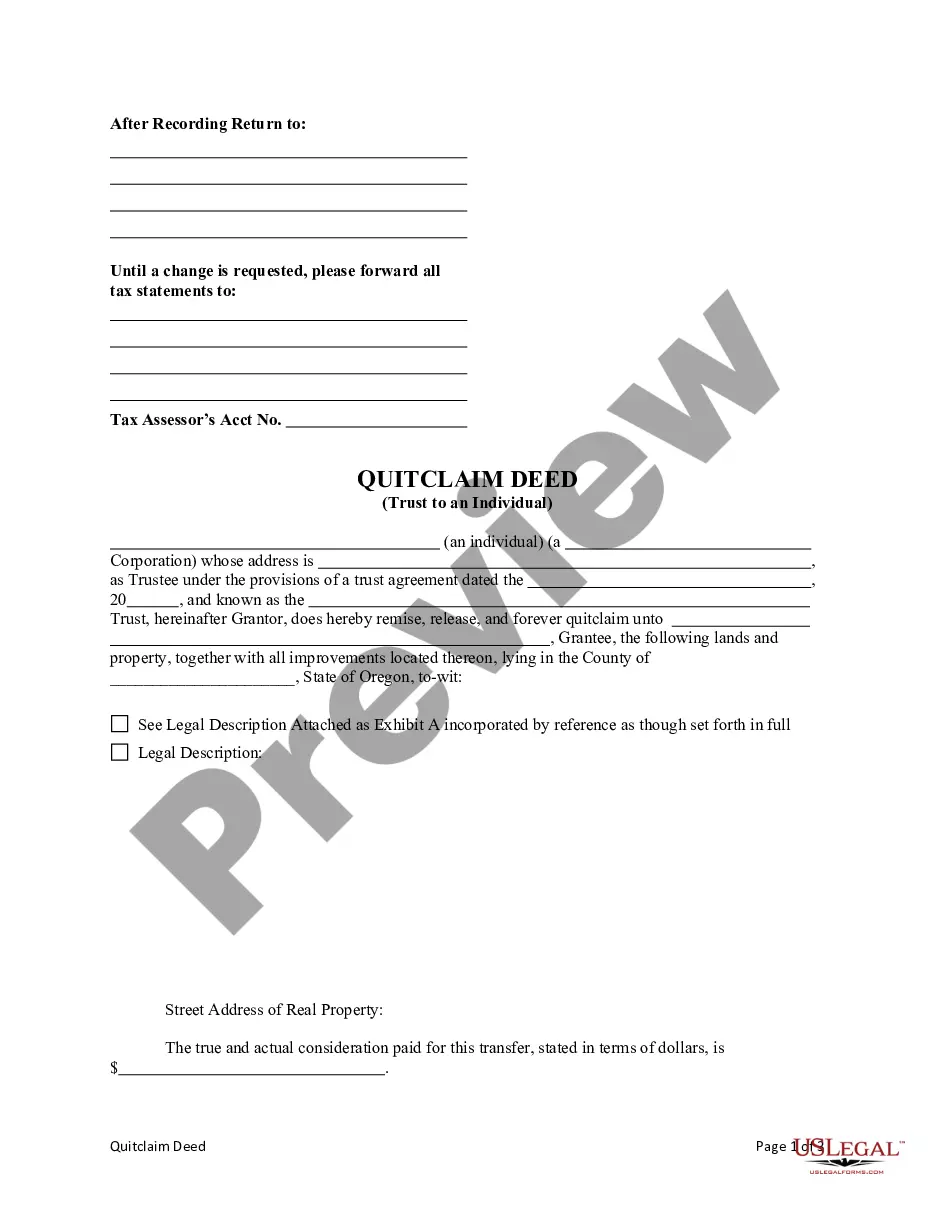
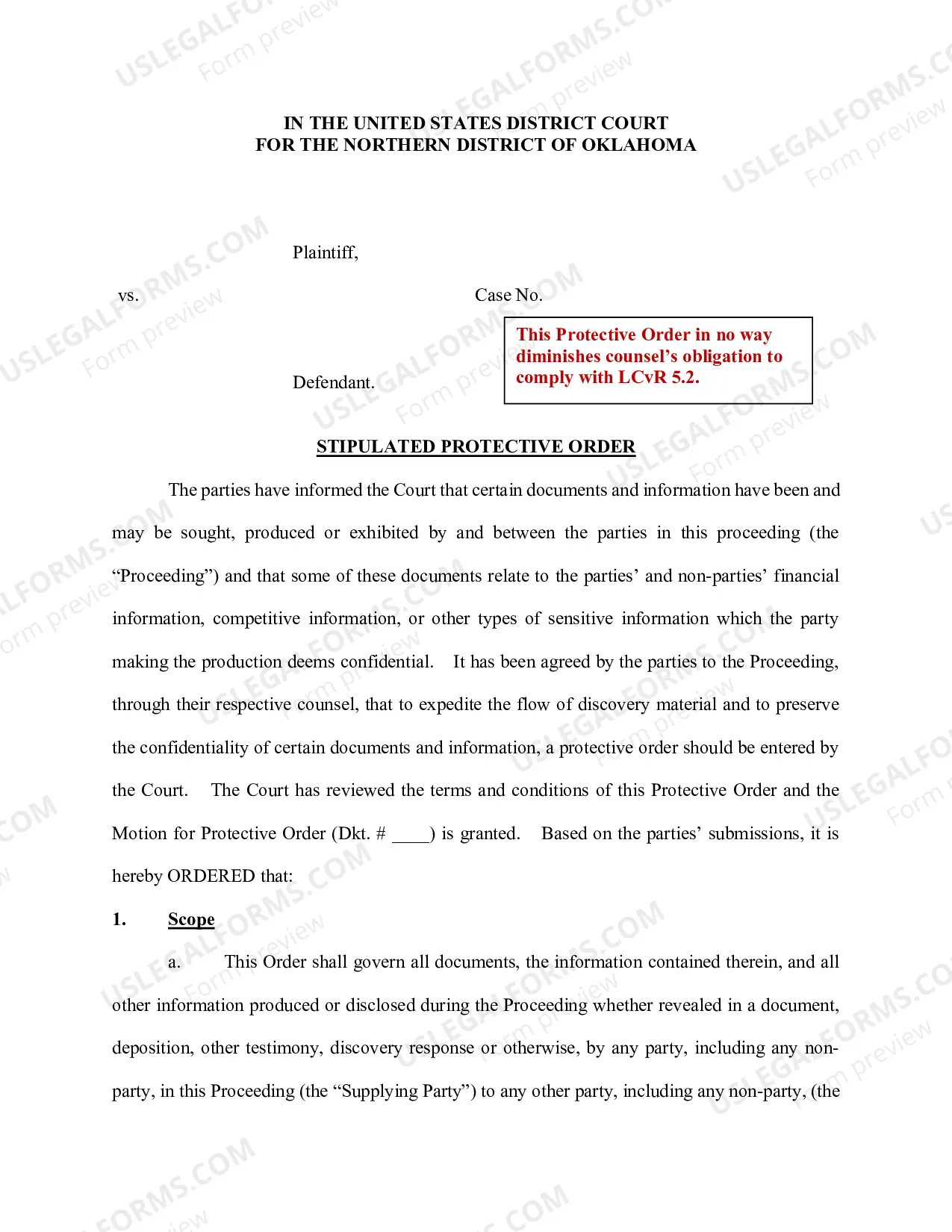
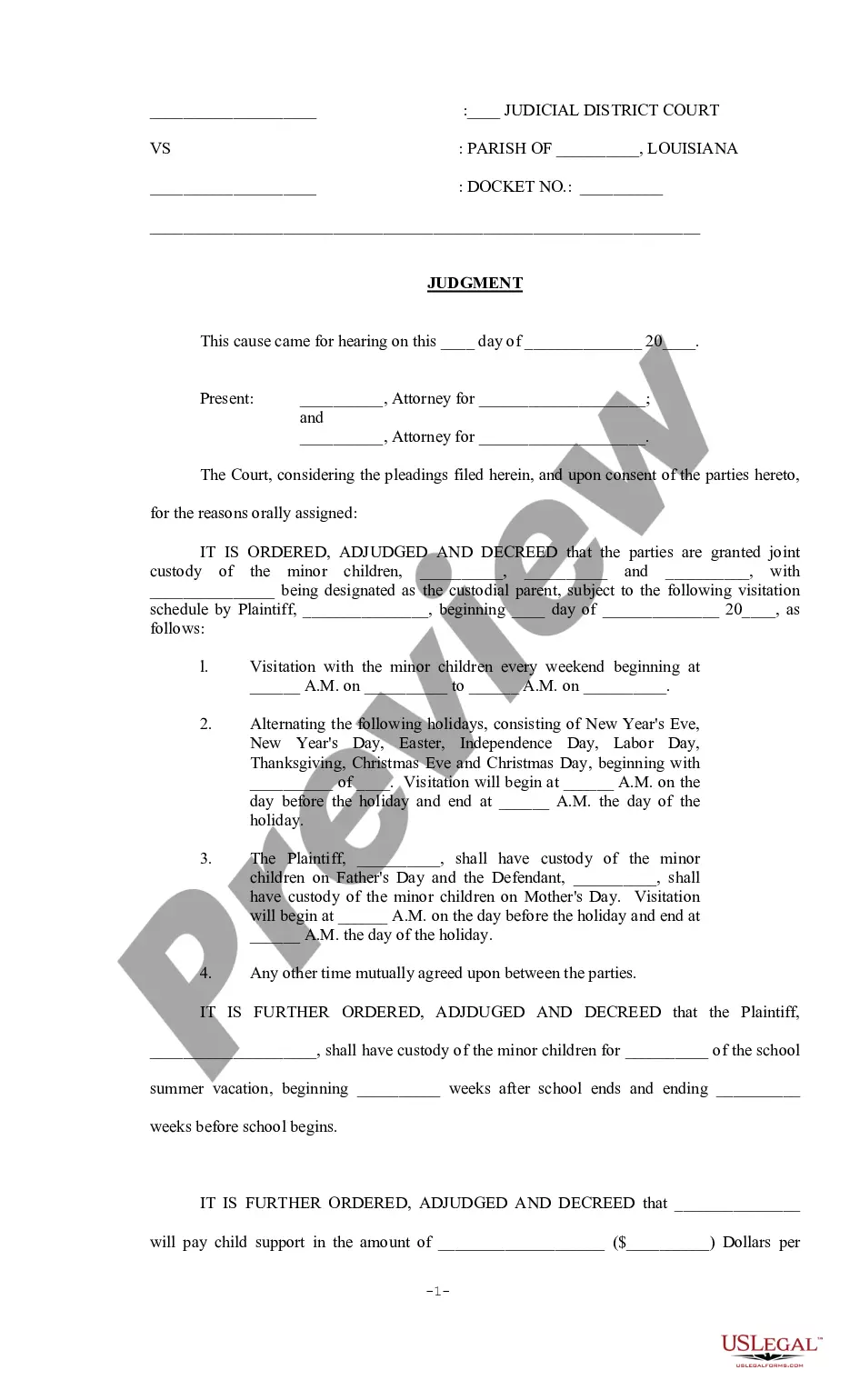

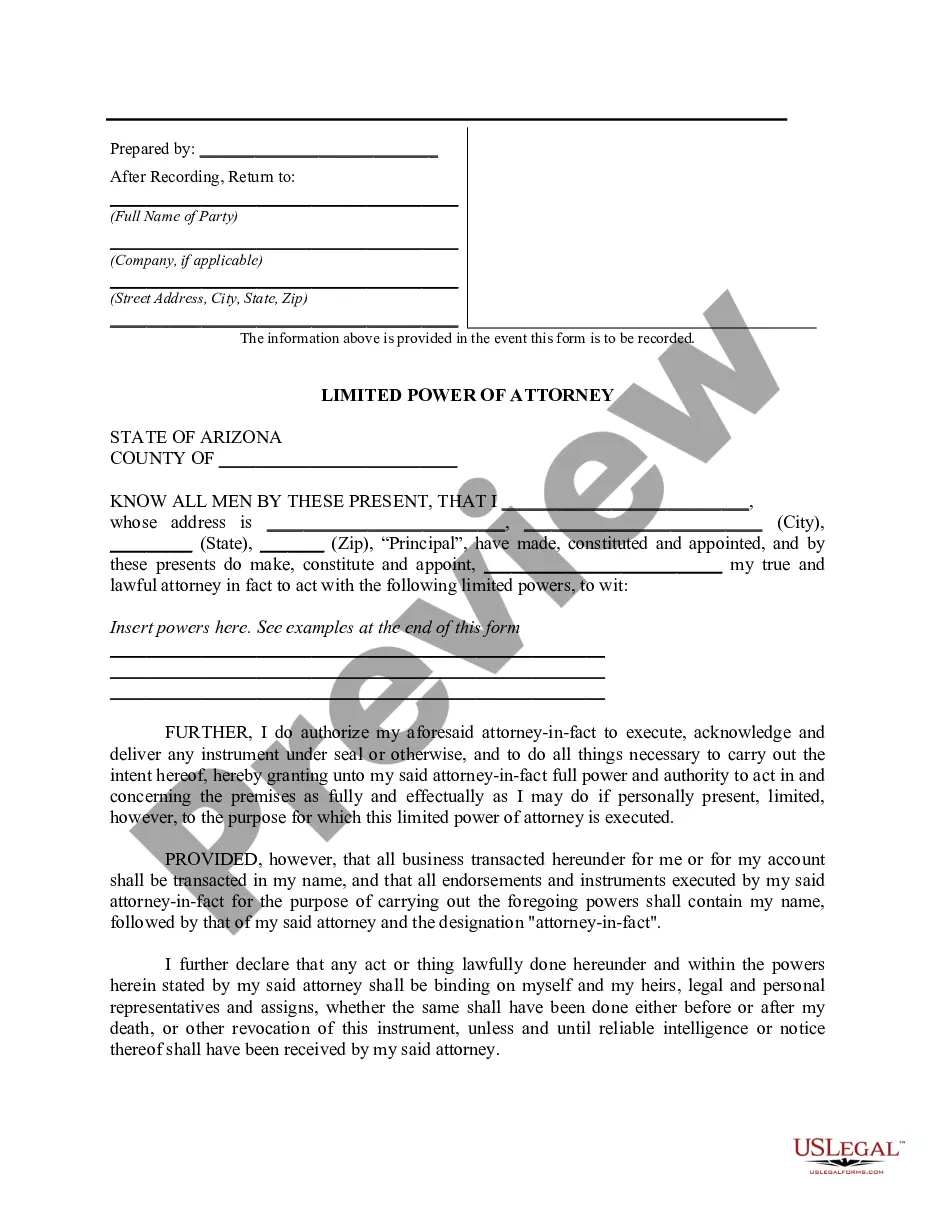
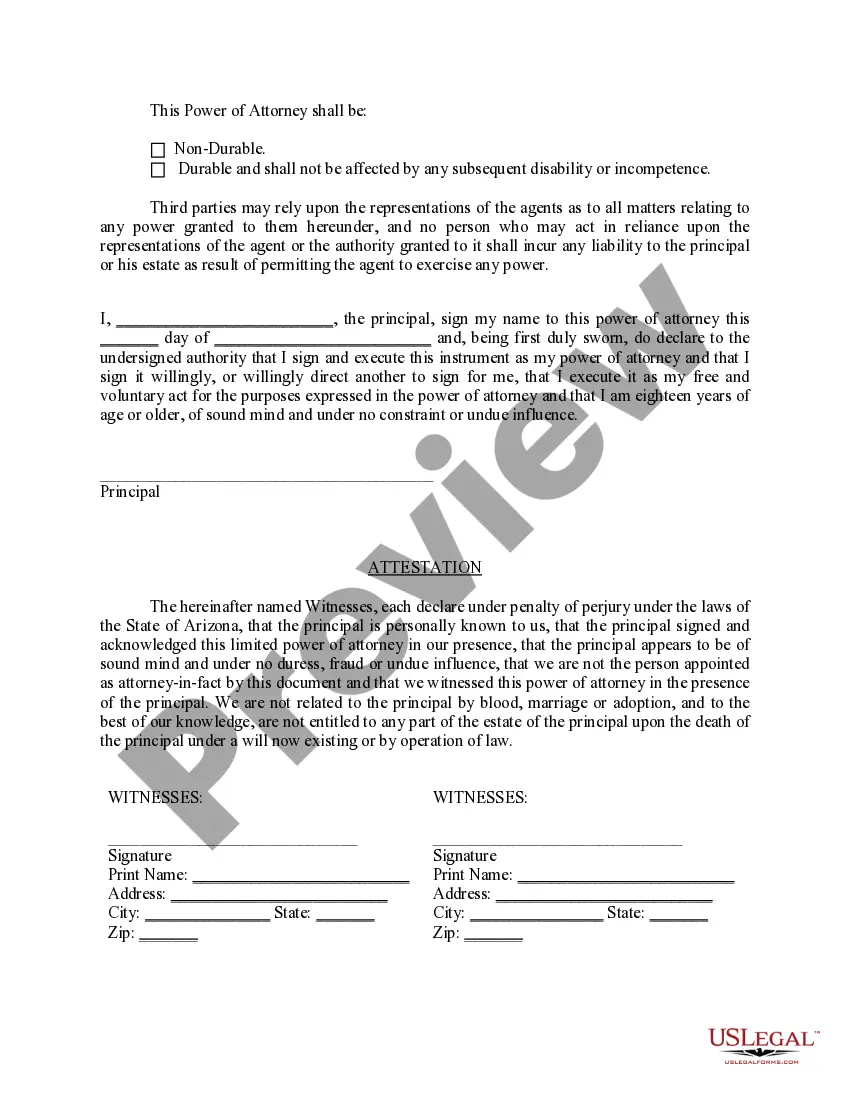
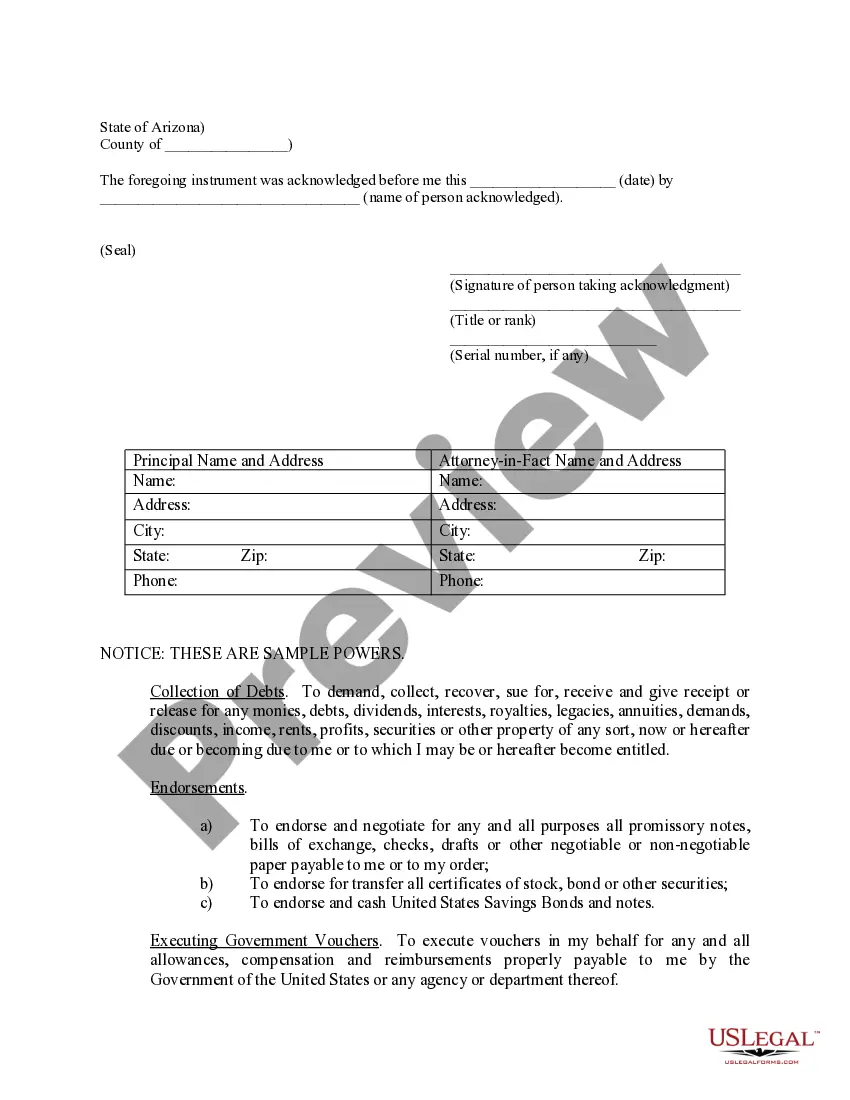
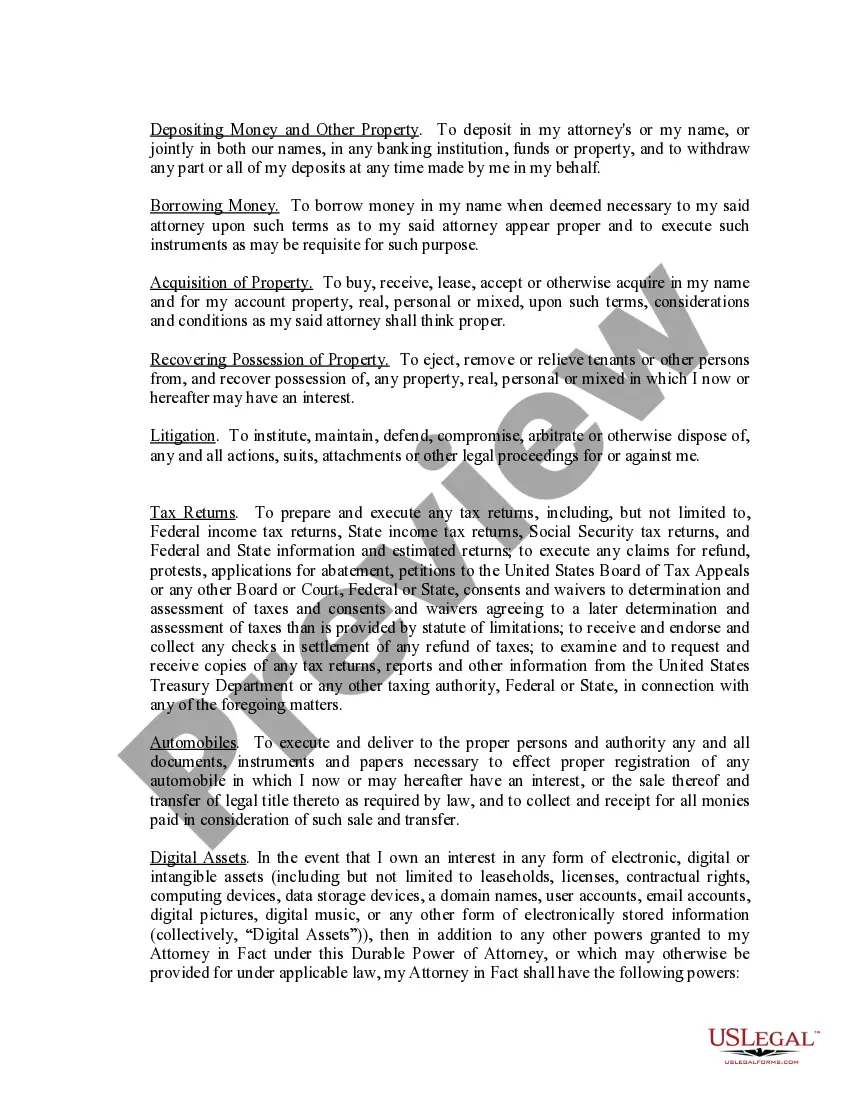
How to fill out Arizona Limited Power Of Attorney Where You Specify Powers With Sample Powers Included?
- If you are an existing member, log in to your account and download the necessary power of attorney form by clicking the Download button. Ensure your subscription is current or renew it if needed.
- For new users, start by checking the form descriptions and previews available on our site to find the power of attorney for bank account that suits your needs.
- If the initial option doesn't meet your criteria, utilize the Search function to find the specific template that aligns with your requirements.
- Once you've found the correct document, click on the Buy Now button and select a subscription plan that works for you. An account registration is mandatory to gain access to our extensive library.
- Complete your purchase by entering your credit card details or using your PayPal account for the subscription fee.
- Download your chosen template onto your device and access it anytime via the My Forms section of your profile.
Using US Legal Forms, individuals and attorneys can quickly and effectively execute their legal documents. With an extensive library of over 85,000 forms, you can easily find and customize what you need.
Take action today and simplify your legal document workflow with US Legal Forms!
Form popularity
FAQ
To obtain a power of attorney for a bank account, you need to create a legal document that designates someone to manage the account on your behalf. You can use platforms like uslegalforms to guide you through the process, ensuring that the document meets all necessary legal requirements. Once completed, you will typically need to have the document notarized, and then present it to your bank.
Being on your elderly parents' bank account can provide convenience, but it also comes with responsibilities. A power of attorney for bank account might be a better option, as it allows you to manage their finances without sharing ownership. This approach can protect both you and your parents financially. Consult with them to discuss the best solution for their needs.
Yes, you can grant someone permission to access your bank account through a power of attorney for bank account. This legal document allows you to designate a trusted individual to handle your financial transactions. It is crucial to choose someone responsible and trustworthy. You can create this document easily through platforms like uslegalforms, ensuring it meets your state's requirements.
Deciding between a power of attorney (POA) and a joint bank account depends on your specific needs. A POA allows you to appoint someone to manage your bank account without giving them ownership. This option can offer more control and help you maintain privacy. Consider your financial goals and consult with a legal expert to make the best decision for your situation.
Yes, a power of attorney can be added to a bank account, allowing a designated person to manage your finances on your behalf. This process requires presenting the power of attorney document to your bank, where they will verify its legality. It's essential to ensure that the document explicitly outlines the powers granted to the agent. Using platforms like USLegalForms can help you draft this important document effectively, ensuring that your power attorney for bank account is valid and ready for use.
Activating a power of attorney for finances typically involves presenting your valid document to the relevant financial institutions. Each bank or financial institution may have its own procedures for activating POA, so it is best to contact them directly. You may need to provide identification and any custodial documents. Utilizing a resource like USLegalForms can help ensure you have the correct forms and processes in place for your power attorney for bank account.
To add someone to your bank account, you must visit your bank and request the necessary forms. You typically need to provide personal information about the new account holder, such as their identification and contact details. It is important to discuss how the addition affects your account management and any potential fees. If you have a power attorney for bank account, this can also influence the process as it may grant the added person specific rights.
To add a power of attorney (POA) to your bank account, start by contacting your bank to inquire about their specific requirements. Generally, you will need to provide a copy of the power of attorney document. This document should clearly state that you are authorizing someone to manage your bank account affairs on your behalf. Using the USLegalForms platform can simplify this process by providing you with templates and guidance for creating a legally valid power attorney for bank account.
The time it takes for a bank to approve a power of attorney can vary significantly. Typically, banks will review the document for validity and completeness, which may take a few days to a couple of weeks. If there are any questions or concerns about the power attorney for bank account, it may prolong the approval process. To speed up this procedure, ensure that your POA is accurate and follows the bank's outlined requirements.
To write a power of attorney letter for a bank, clearly state your intent, including your name and the name of the agent authorized to act on your behalf. Specify the powers you are granting, focusing on the management of your bank account, to avoid any confusion. Closely follow state requirements to ensure the letter meets legal standards. For ease and compliance, you can utilize templates from US Legal Forms to guide you through the process.