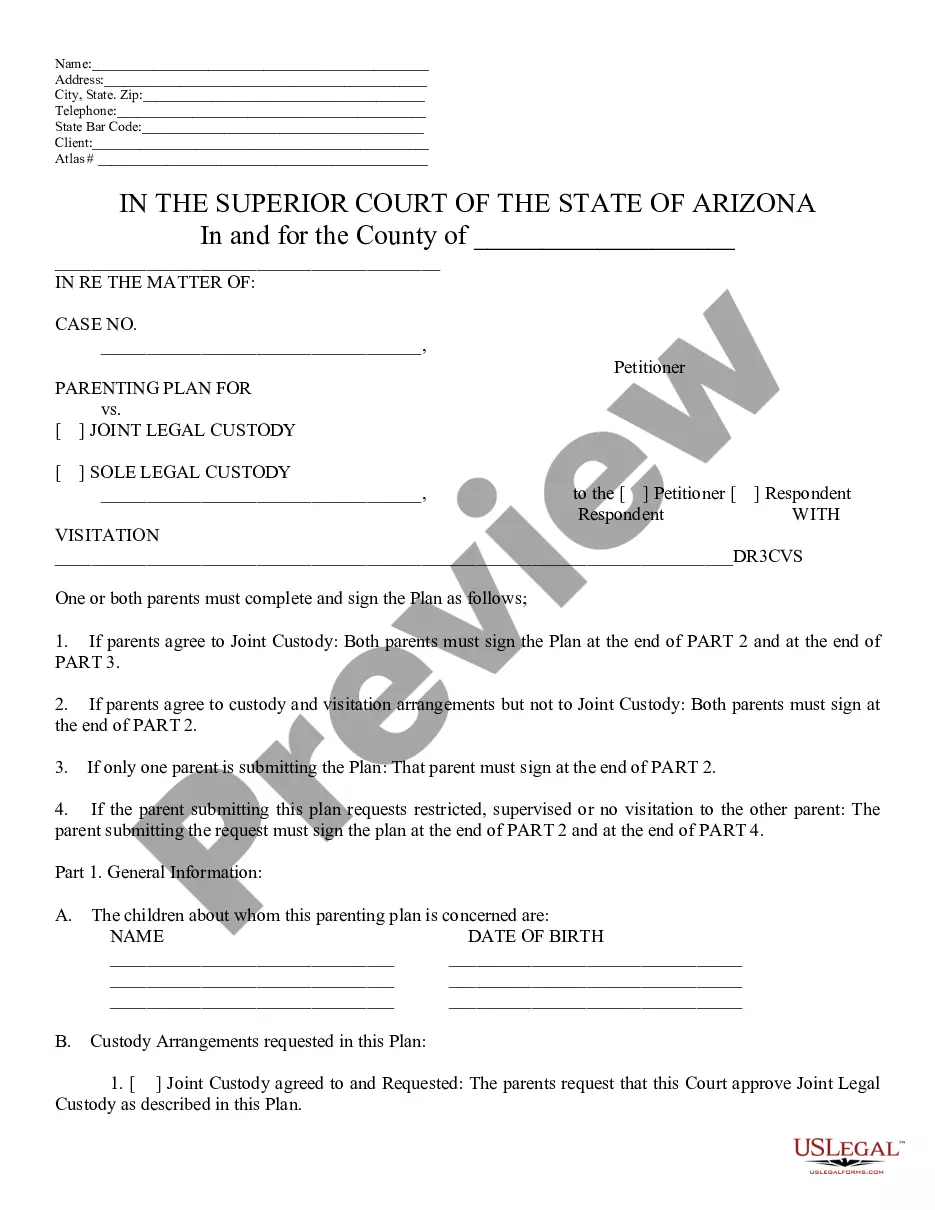
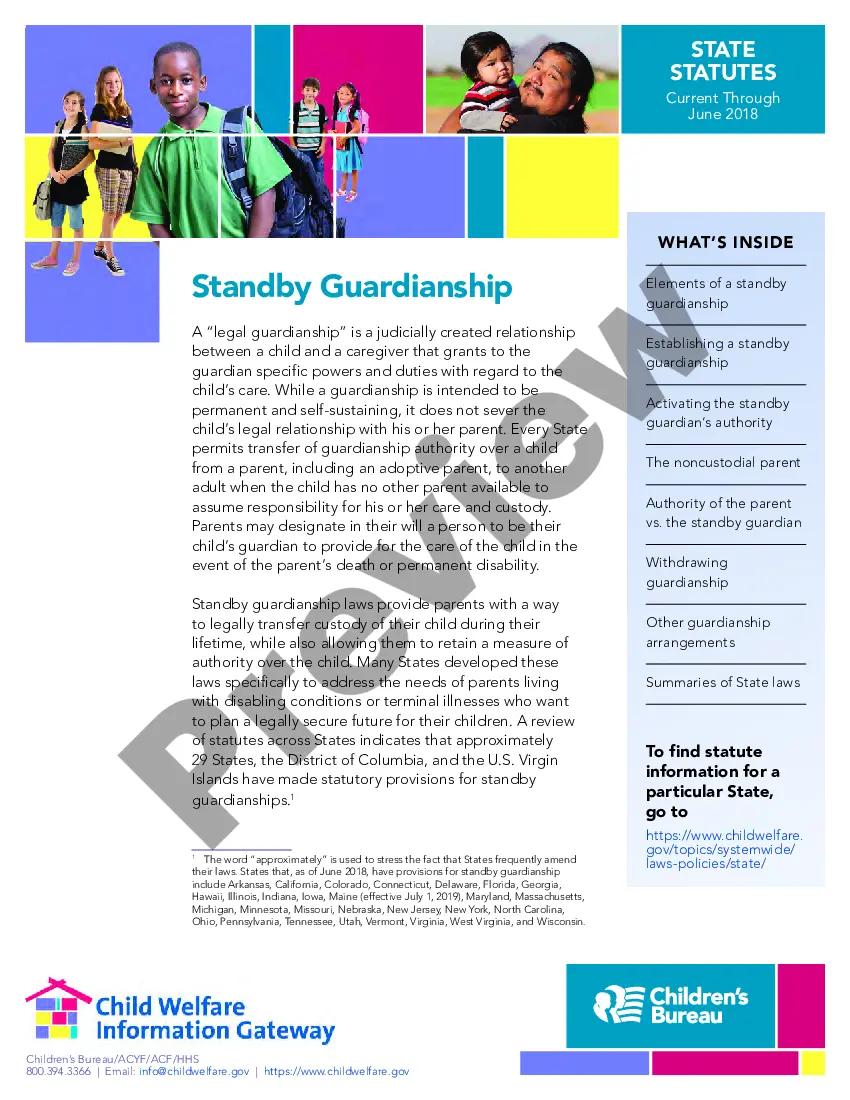
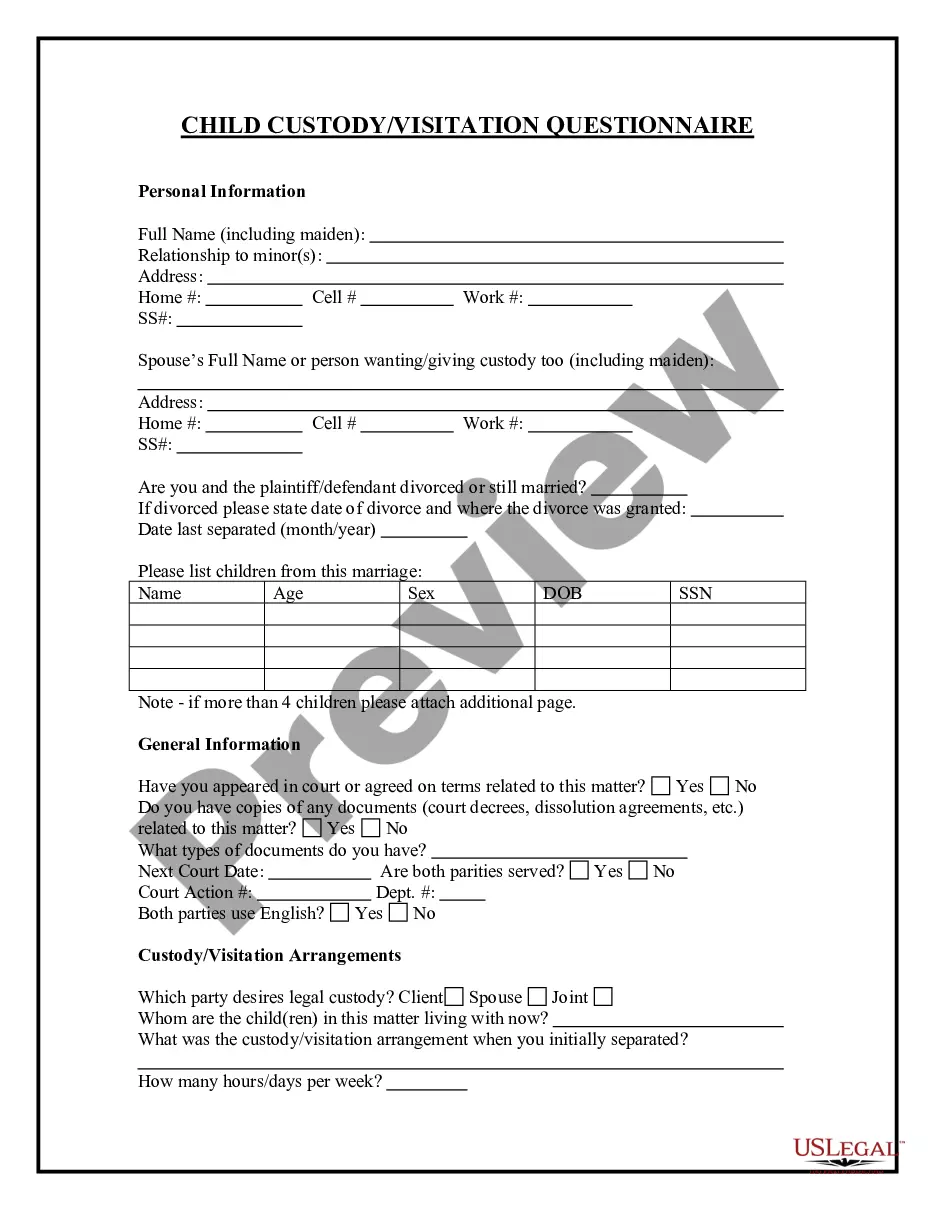
Parenting Plan Agreement For Divorce
Description
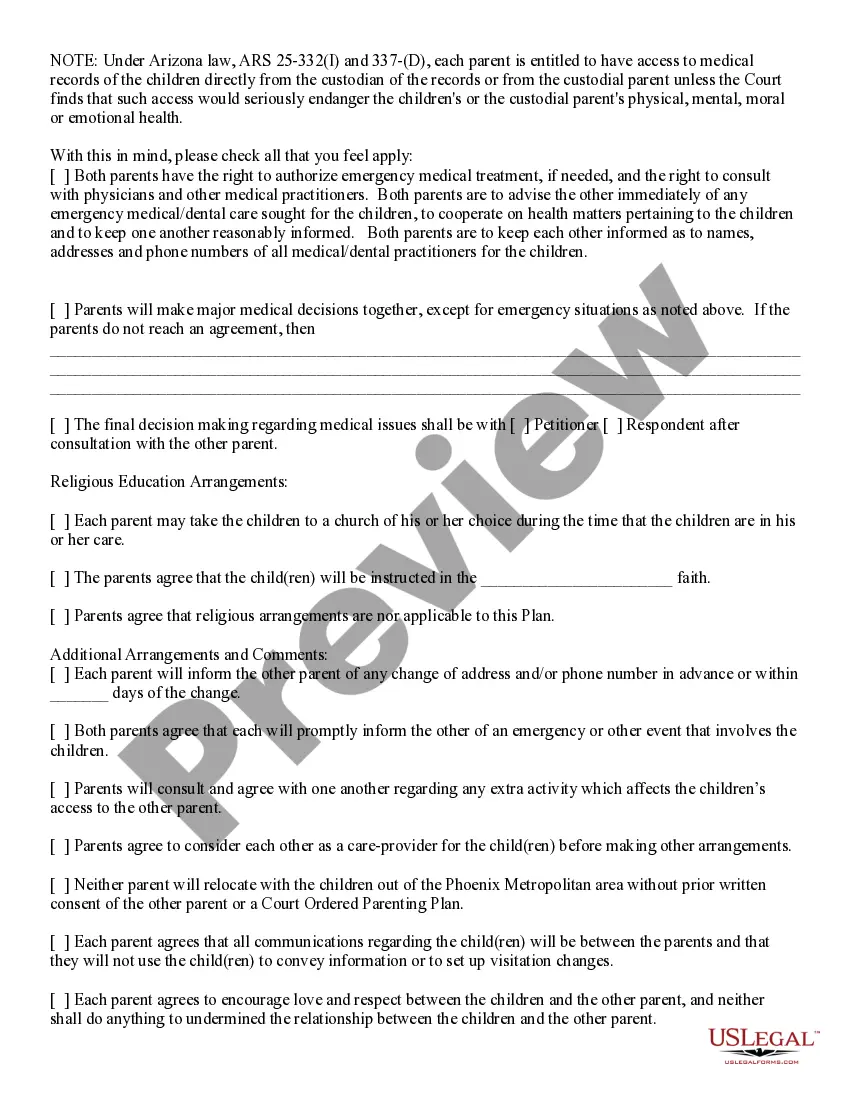
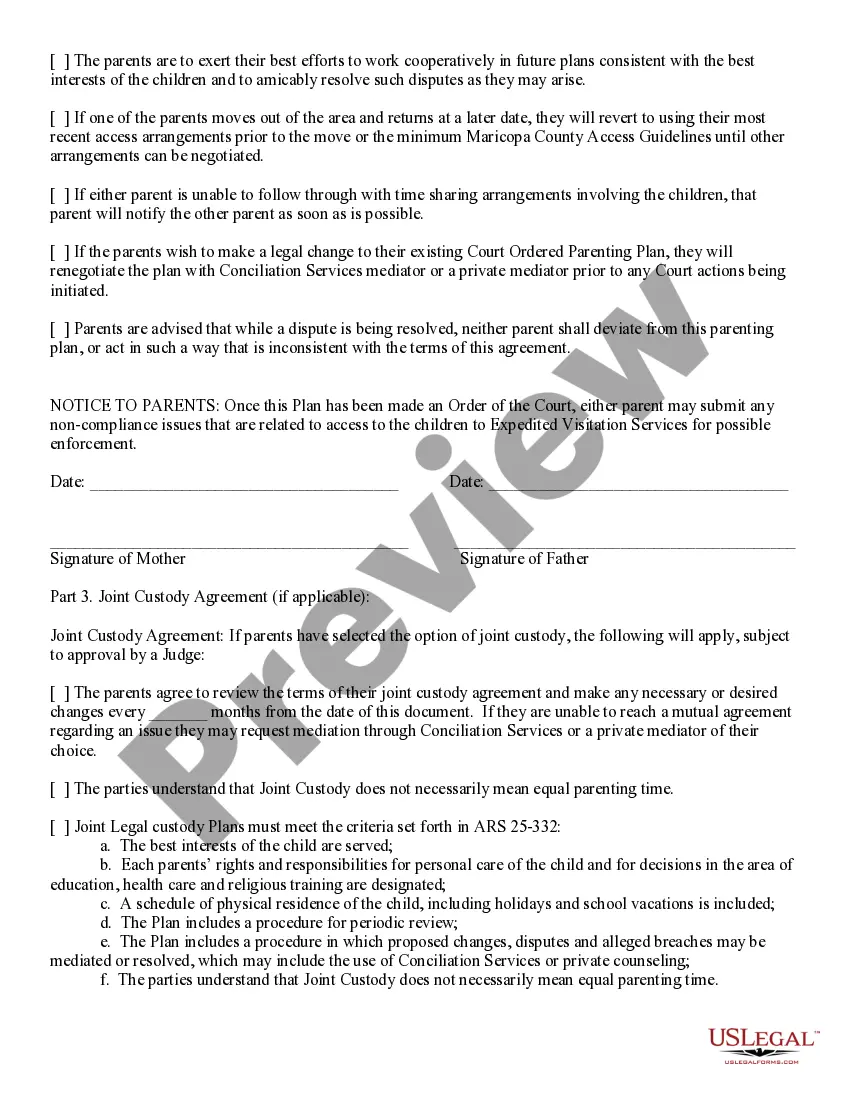
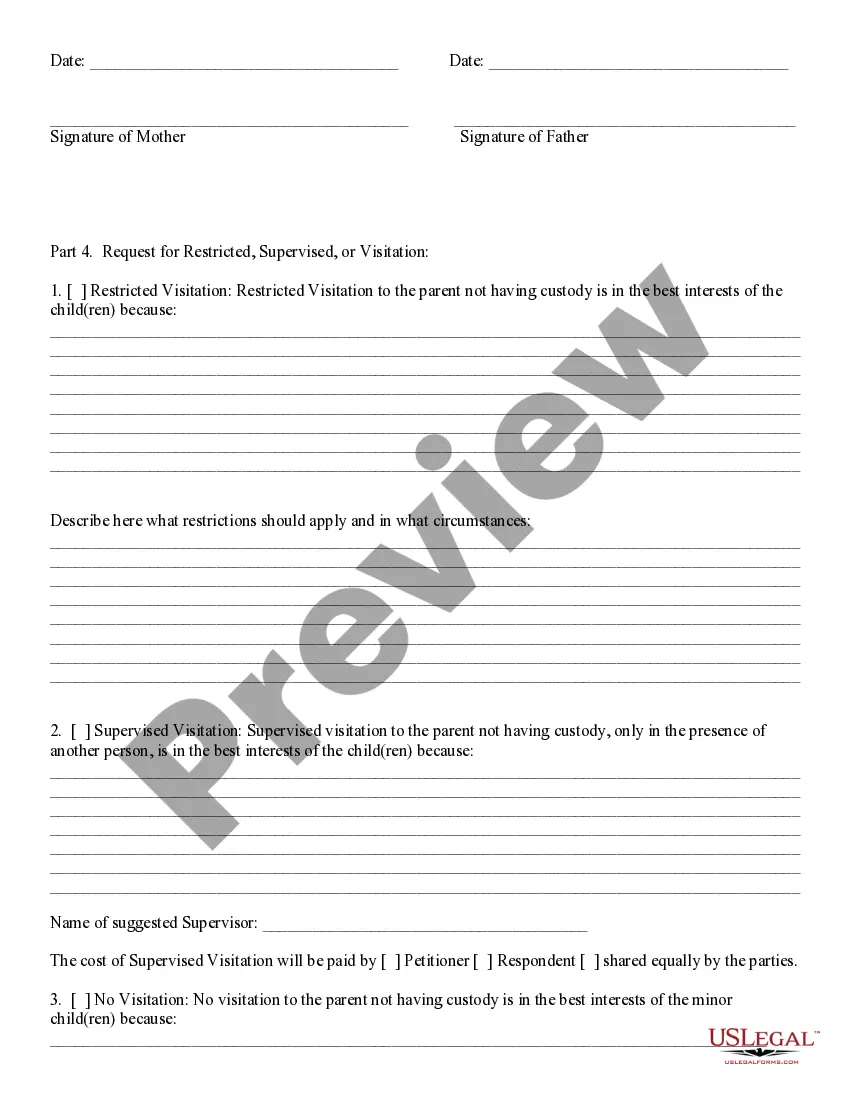
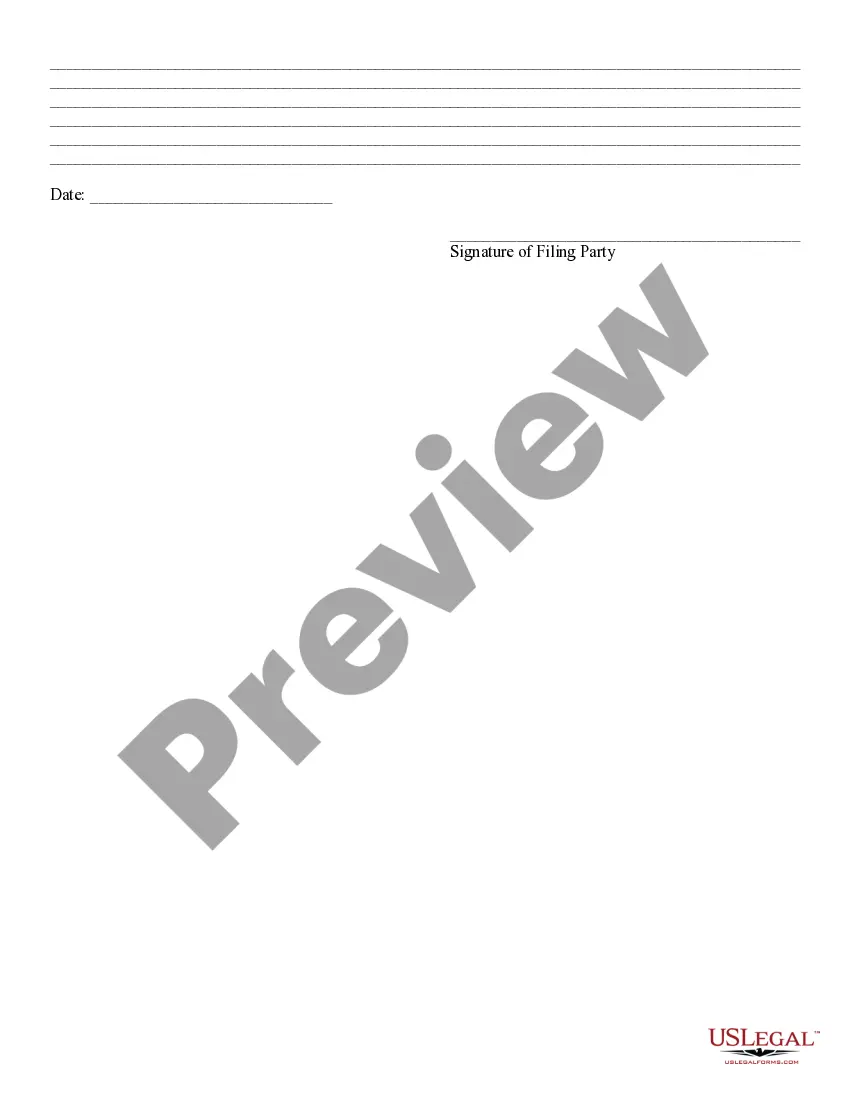
Get your form ready online
Our built-in tools help you complete, sign, share, and store your documents in one place.
Make edits, fill in missing information, and update formatting in US Legal Forms—just like you would in MS Word.
Download a copy, print it, send it by email, or mail it via USPS—whatever works best for your next step.
Sign and collect signatures with our SignNow integration. Send to multiple recipients, set reminders, and more. Go Premium to unlock E-Sign.
If this form requires notarization, complete it online through a secure video call—no need to meet a notary in person or wait for an appointment.
We protect your documents and personal data by following strict security and privacy standards.

Make edits, fill in missing information, and update formatting in US Legal Forms—just like you would in MS Word.

Download a copy, print it, send it by email, or mail it via USPS—whatever works best for your next step.

Sign and collect signatures with our SignNow integration. Send to multiple recipients, set reminders, and more. Go Premium to unlock E-Sign.

If this form requires notarization, complete it online through a secure video call—no need to meet a notary in person or wait for an appointment.

We protect your documents and personal data by following strict security and privacy standards.
Looking for another form?



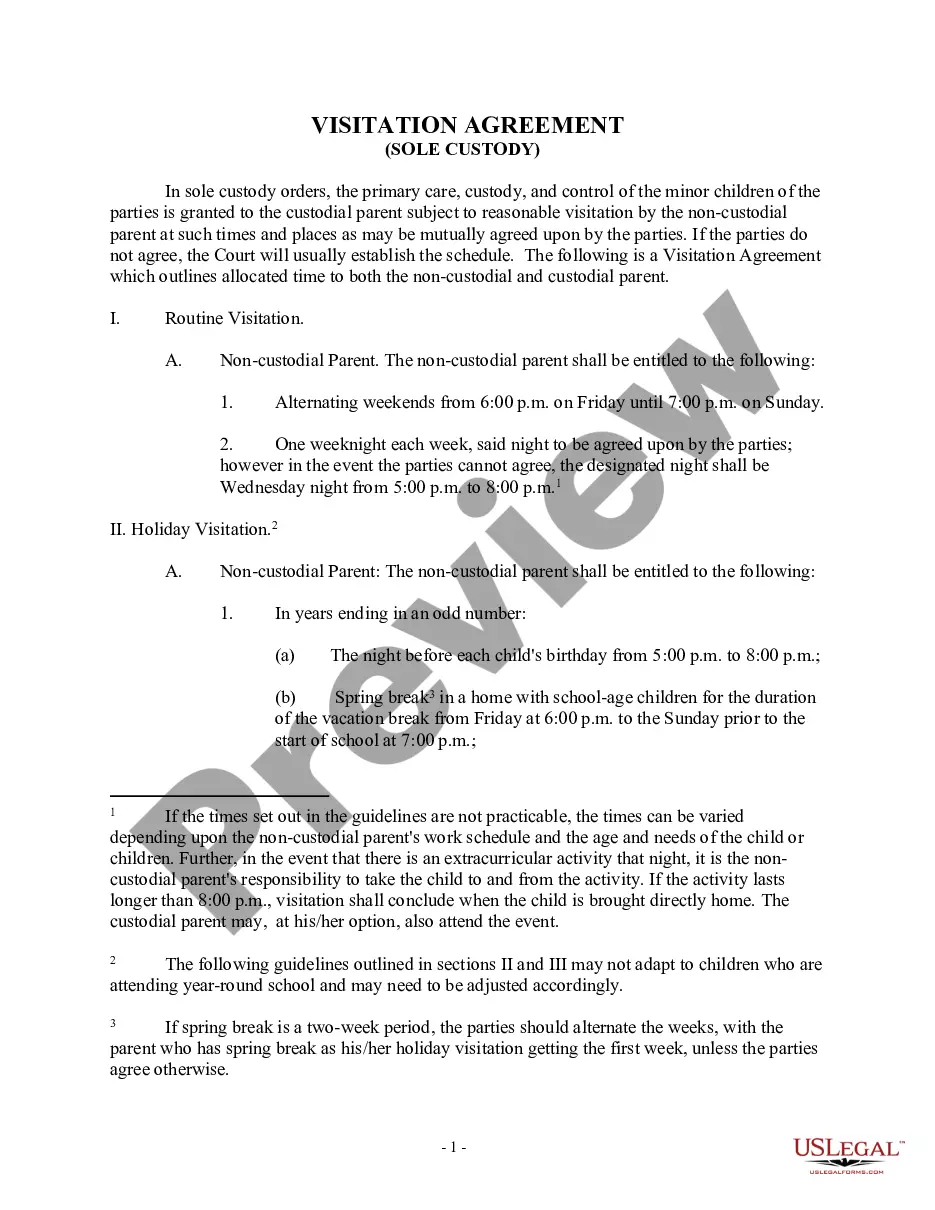




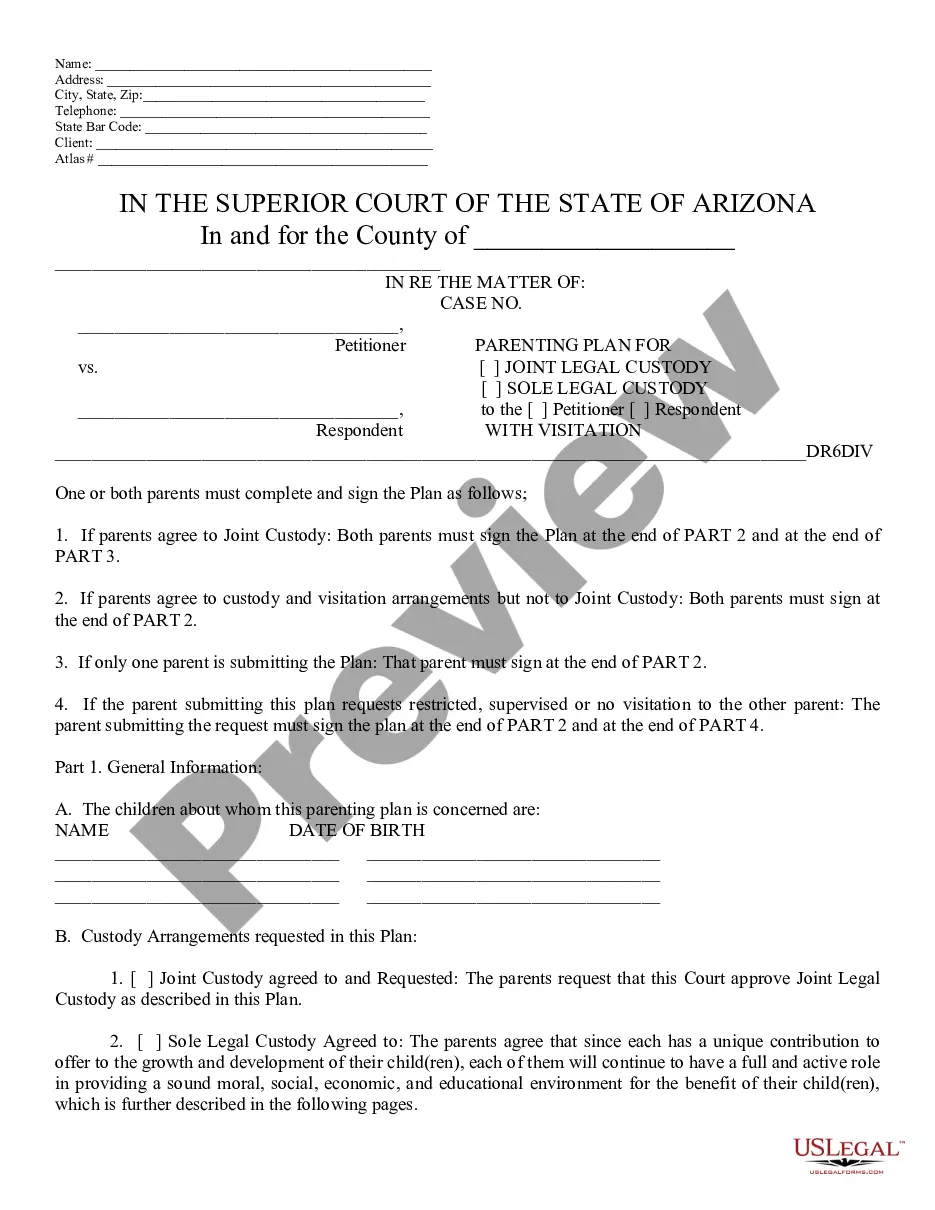
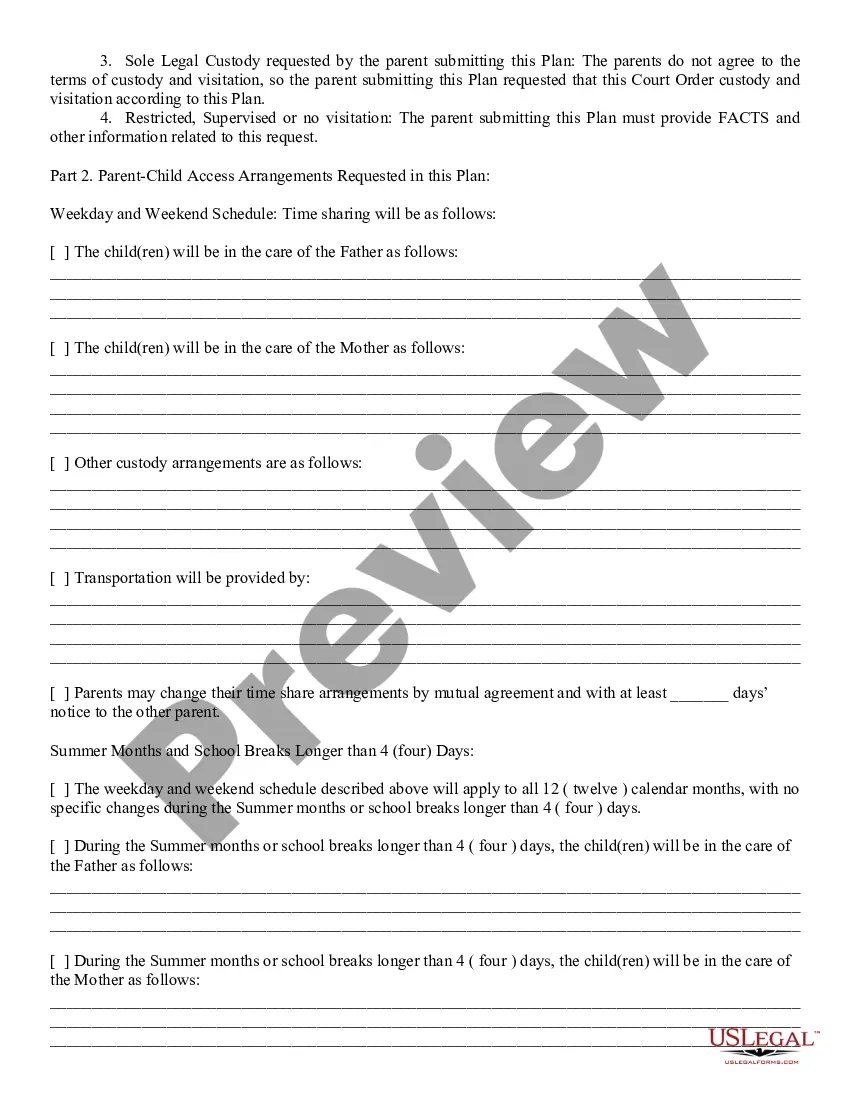
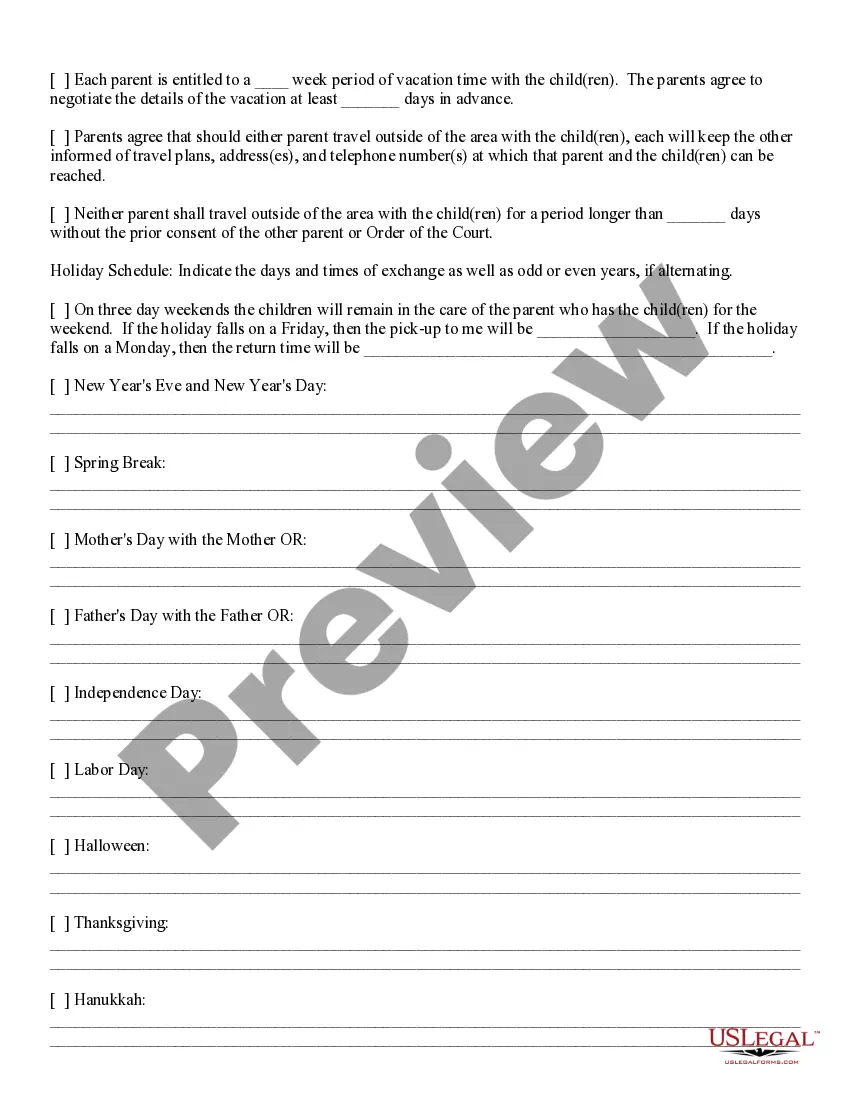
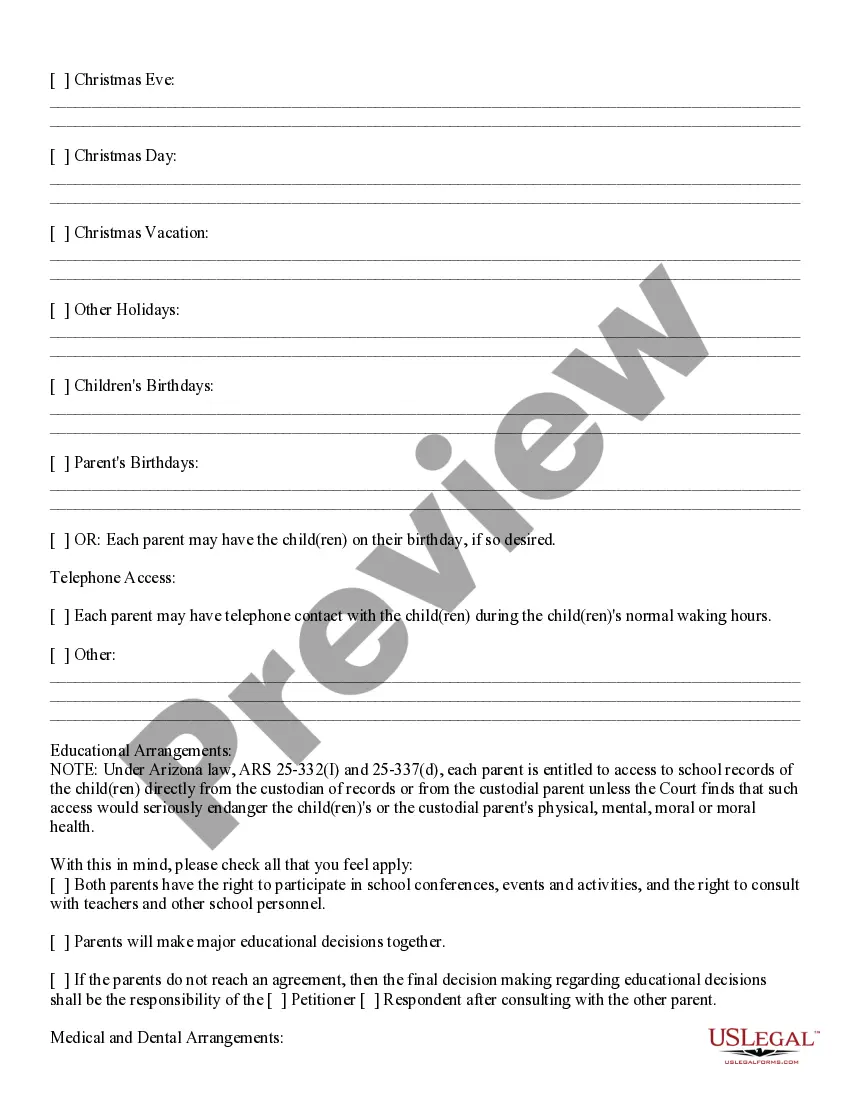
How to fill out Arizona Parenting Plan And Guidelines?
The Parenting Plan Agreement For Divorce you see on this page is a reusable legal template drafted by professional lawyers in accordance with federal and regional regulations. For more than 25 years, US Legal Forms has provided people, businesses, and legal professionals with more than 85,000 verified, state-specific forms for any business and personal situation. It’s the quickest, easiest and most reliable way to obtain the paperwork you need, as the service guarantees bank-level data security and anti-malware protection.
Obtaining this Parenting Plan Agreement For Divorce will take you just a few simple steps:
- Browse for the document you need and review it. Look through the sample you searched and preview it or review the form description to verify it suits your needs. If it does not, make use of the search option to get the appropriate one. Click Buy Now once you have found the template you need.
- Sign up and log in. Choose the pricing plan that suits you and create an account. Use PayPal or a credit card to make a prompt payment. If you already have an account, log in and check your subscription to proceed.
- Get the fillable template. Pick the format you want for your Parenting Plan Agreement For Divorce (PDF, DOCX, RTF) and save the sample on your device.
- Complete and sign the document. Print out the template to complete it by hand. Alternatively, use an online multi-functional PDF editor to rapidly and precisely fill out and sign your form with a valid.
- Download your paperwork one more time. Use the same document again anytime needed. Open the My Forms tab in your profile to redownload any earlier saved forms.
Sign up for US Legal Forms to have verified legal templates for all of life’s circumstances at your disposal.
Form popularity
FAQ
Coparenting is when parents who have separated or divorced continue to work together to raise their child or children. This may require a lot of communication, teamwork, and problem solving, but is worth it if it means increased stability for the child or children.
Here are five ways to help develop a workable co-parenting relationship: Practice effective communication skills. ... Control your emotions. ... Schedule a regular co-parenting phone call to discuss the coparenting issues described above. ... Treat your co-parenting partner with respect. ... Maintain appropriate boundaries.
For example, some families may choose to alternate custody every two weeks. Also, some co-parents add a midweek overnight to a 4-3 schedule. The most common co-parenting 50/50 plans include 2-2-3, 3-4-4-3, 2-2-5-5, and alternating weeks.
Close to 80 percent of children under the age of 12 were placed in their mothers' custody in cases where a court order existed. Almost 7 percent were placed in their fathers' custody, and for 13 percent of children, a shared custody arrangement was established.
Ing to a report from the Washington State Center for Court Research, the most commonly reported balance of parenting time was 50/50 between mother and father, with nearly 21 percent of cases.