Transfer-on-death Deed
Description



Get your form ready online
Our built-in tools help you complete, sign, share, and store your documents in one place.
Make edits, fill in missing information, and update formatting in US Legal Forms—just like you would in MS Word.
Download a copy, print it, send it by email, or mail it via USPS—whatever works best for your next step.
Sign and collect signatures with our SignNow integration. Send to multiple recipients, set reminders, and more. Go Premium to unlock E-Sign.
If this form requires notarization, complete it online through a secure video call—no need to meet a notary in person or wait for an appointment.
We protect your documents and personal data by following strict security and privacy standards.

Make edits, fill in missing information, and update formatting in US Legal Forms—just like you would in MS Word.

Download a copy, print it, send it by email, or mail it via USPS—whatever works best for your next step.

Sign and collect signatures with our SignNow integration. Send to multiple recipients, set reminders, and more. Go Premium to unlock E-Sign.

If this form requires notarization, complete it online through a secure video call—no need to meet a notary in person or wait for an appointment.

We protect your documents and personal data by following strict security and privacy standards.
Looking for another form?


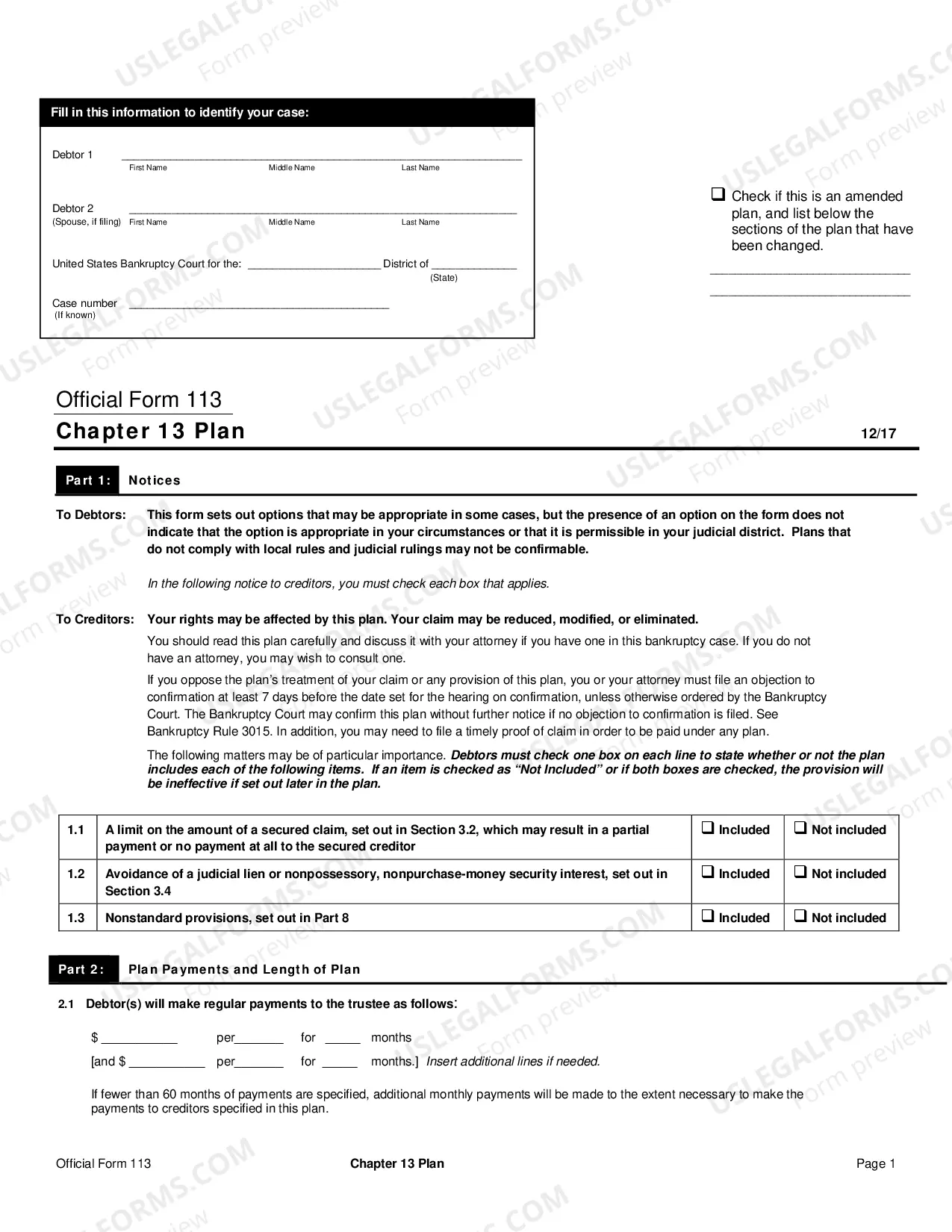

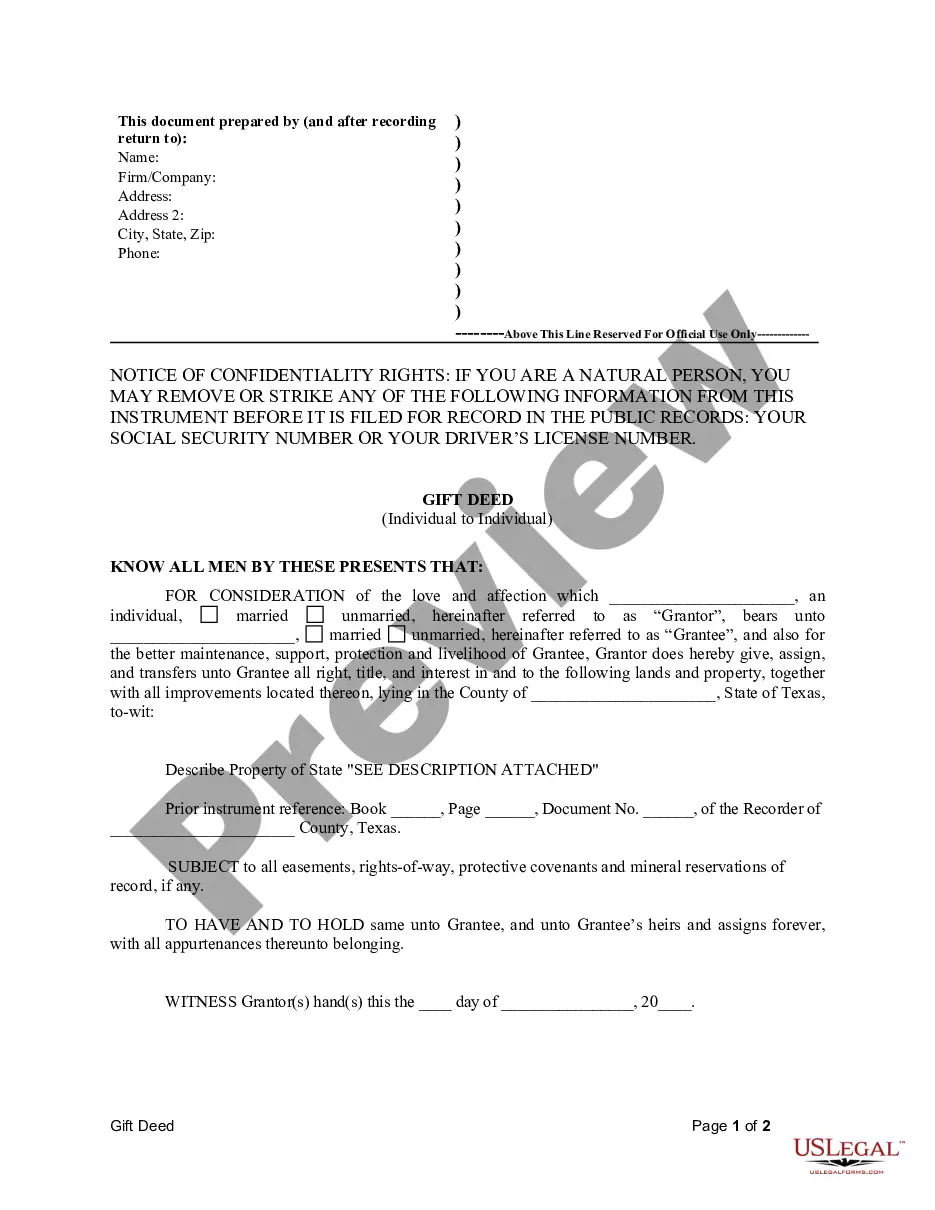




How to fill out Arizona Transfer On Death Or TOD - Beneficiary Deed - Individual Grantor To Three Individuals?
- Start by creating an account on US Legal Forms if you’re a new user. For returning users, simply log in.
- Browse the extensive library and utilize the Preview mode to select a transfer-on-death deed that aligns with your local laws.
- In the case of discrepancies, use the Search tab to find alternative documents that better suit your requirements.
- Once you find the appropriate template, click on 'Buy Now' and select a suitable subscription plan.
- Complete your purchase by entering your payment details or using your PayPal account.
- After your payment is processed, download the deed directly to your device and access it any time through the 'My Forms' section of your account.
US Legal Forms provides a robust collection of over 85,000 legal documents, ensuring you have the resources necessary for effective legal management.
Don’t hesitate—get your transfer-on-death deed today and take control of your estate planning!
Form popularity
FAQ
Writing a transfer-on-death deed involves several straightforward steps. First, you must clearly identify the property and the beneficiaries you wish to name. Then, you will complete the deed form, ensuring it meets your state’s legal requirements. Finally, you should sign and notarize the deed before filing it with your local land records office to ensure it is valid and enforceable.
A transfer-on-death deed can be a beneficial tool for many individuals. It allows you to transfer property directly to your beneficiaries without going through probate, simplifying the process after your passing. Moreover, this deed retains full control of the property until your death, giving you peace of mind. Overall, if you want an efficient way to pass your property, considering a transfer-on-death deed might be wise.
A transfer-on-death deed does not inherently avoid capital gains tax for the beneficiaries. When the property owner passes away, the beneficiaries may need to address capital gains tax if the property has appreciated in value. Consulting a tax advisor is crucial to understanding the implications of a transfer-on-death deed on capital gains tax in your specific situation.
The transfer-on-death deed is often regarded as one of the best ways to leave property upon death. This method allows for a seamless transfer to your beneficiaries without going through probate, which can be time-consuming and costly. To ensure it works effectively, consider using a platform like US Legal Forms to find the necessary documents and guidance.
Currently, many states across the U.S. recognize the transfer-on-death deed, including Texas, California, and Arizona, among others. Each state may have its unique requirements and forms, so it's wise to check local regulations. Understanding these differences can help you utilize this deed effectively, ensuring a smooth transition for your assets.
Yes, a transfer-on-death deed typically helps avoid inheritance tax because it allows property to pass directly to your beneficiary outside of the probate process. However, it’s crucial to consult a tax professional as laws may differ by state. By utilizing the transfer-on-death deed, you can streamline the transfer and potentially minimize the tax burden on your heirs.
Some consider the transfer-on-death deed unfavorable because it does not provide asset protection for the property owner. If the property owner has significant debts, creditors can make claims against the property even after the deed is in place. Furthermore, if family dynamics are complex, this approach may lead to disputes among heirs if not clearly defined.
In Texas, the transfer-on-death deed must be executed in writing, signed, and acknowledged by the owner. The deed then needs to be recorded in the county where the property is located. It's essential to note that the transfer-on-death deed only works for real property and becomes effective at the owner's death, ensuring a seamless transition for beneficiaries.
While the transfer-on-death deed offers several benefits, it also has disadvantages. One concern is that it does not protect the property from creditors, which might affect your beneficiary. Additionally, if you do not follow the proper process for creating or revoking the deed, it can lead to disputes among heirs, creating confusion at a difficult time.
When considering the transfer-on-death deed versus naming a beneficiary, it’s important to evaluate your situation. A transfer-on-death deed allows you to keep control of your property during your lifetime, while ensuring it passes directly to your designated beneficiary after your death. This method can simplify the process and avoid probate, making it a favorable choice for many.