Payable-on-death Beneficiary For Bank Accounts
Description
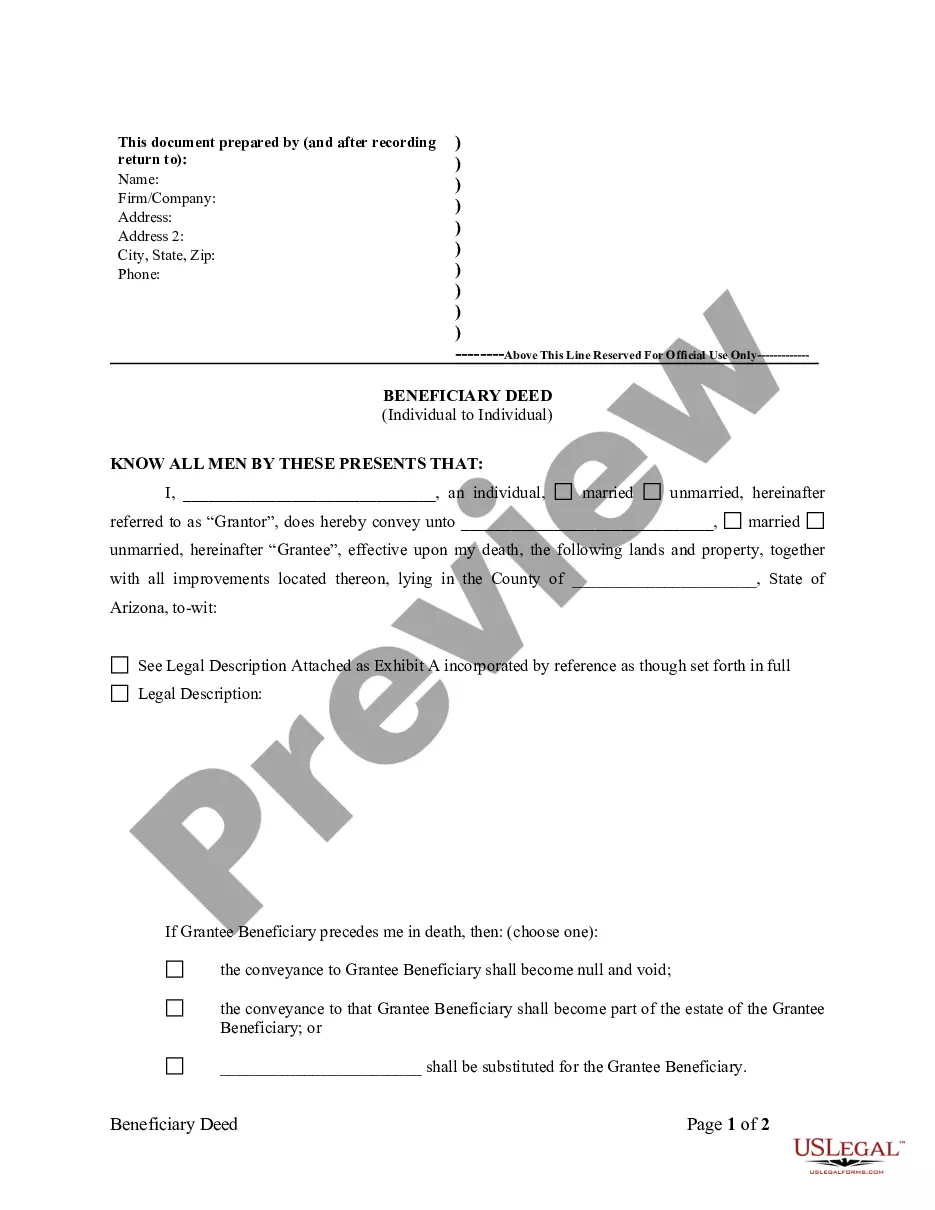


Get your form ready online
Our built-in tools help you complete, sign, share, and store your documents in one place.
Make edits, fill in missing information, and update formatting in US Legal Forms—just like you would in MS Word.
Download a copy, print it, send it by email, or mail it via USPS—whatever works best for your next step.
Sign and collect signatures with our SignNow integration. Send to multiple recipients, set reminders, and more. Go Premium to unlock E-Sign.
If this form requires notarization, complete it online through a secure video call—no need to meet a notary in person or wait for an appointment.
We protect your documents and personal data by following strict security and privacy standards.

Make edits, fill in missing information, and update formatting in US Legal Forms—just like you would in MS Word.

Download a copy, print it, send it by email, or mail it via USPS—whatever works best for your next step.

Sign and collect signatures with our SignNow integration. Send to multiple recipients, set reminders, and more. Go Premium to unlock E-Sign.

If this form requires notarization, complete it online through a secure video call—no need to meet a notary in person or wait for an appointment.

We protect your documents and personal data by following strict security and privacy standards.
Looking for another form?
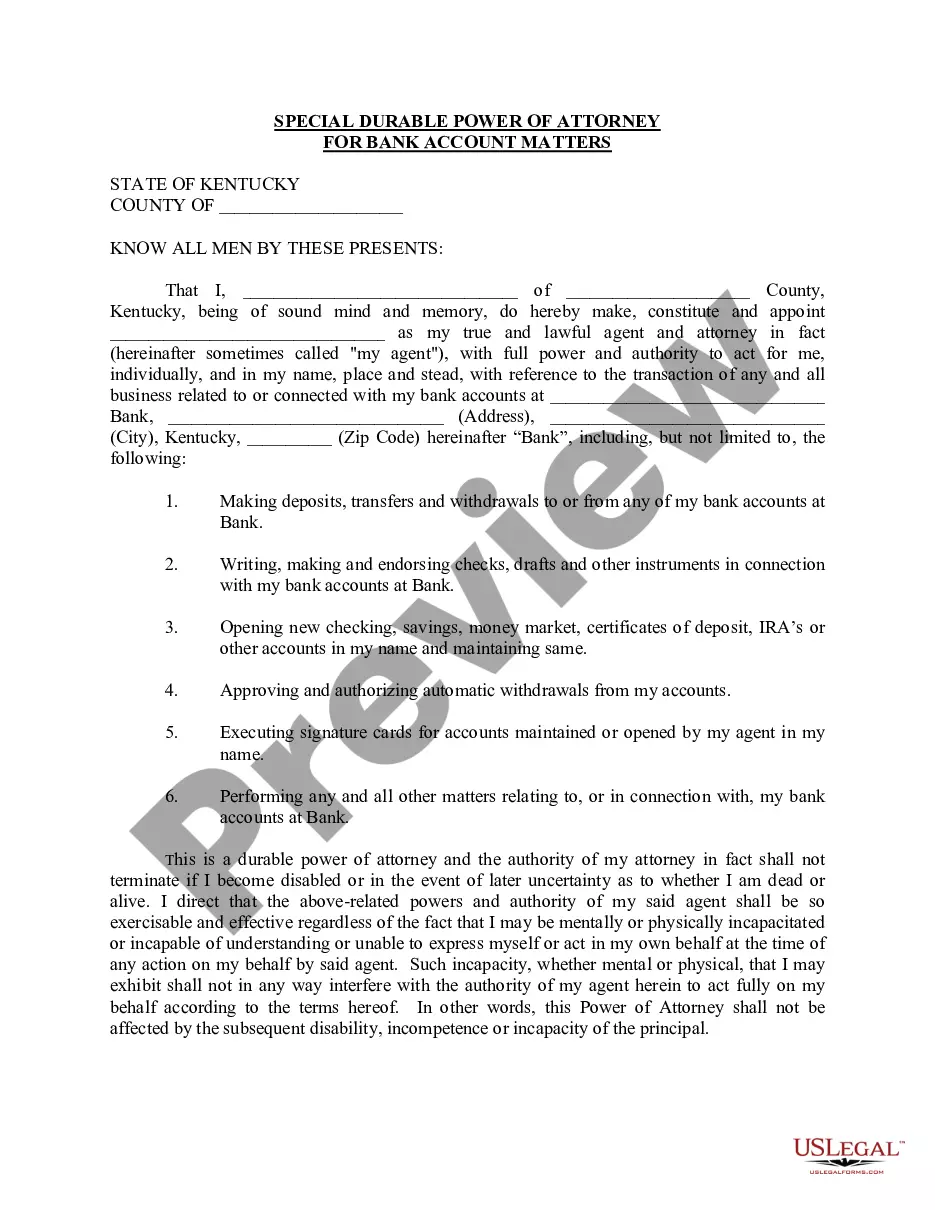
How to fill out Arizona Beneficiary Deed For Individual To Individual?
Legal management can be daunting, even for the most proficient professionals.
If you are searching for a Payable-on-death Beneficiary For Bank Accounts but lack the time to invest in finding the suitable and current version, the processes can be overwhelming.
US Legal Forms meets all your needs, whether for personal or business documentation, all in one location.
Utilize cutting-edge tools to complete and manage your Payable-on-death Beneficiary For Bank Accounts.
After downloading the necessary form, follow these steps: Verify that it is the correct form by previewing it and reviewing its details.
- Explore a resource library of articles, guides, and materials relevant to your situation and needs.
- Save time and energy seeking the documents you need by leveraging US Legal Forms’ advanced search and Preview feature to locate your Payable-on-death Beneficiary For Bank Accounts.
- If you have a subscription, Log In to your US Legal Forms account, find the form, and download it.
- Check the My documents tab to review the documents you have previously saved and manage your folders as needed.
- If this is your first time with US Legal Forms, create an account for unlimited access to all benefits of the library.
- A comprehensive online form repository can revolutionize the way anyone navigates these circumstances effectively.
- US Legal Forms is an industry pioneer in digital legal documents, boasting over 85,000 state-specific legal forms available at your convenience.
- With US Legal Forms, you can access tailored state or county-specific legal and business documents.
Form popularity
FAQ
There are various components to the titling of assets: One is using a transfer on death (TOD) designation, generally used for investment accounts, or a payable on death (POD) designation, used for bank accounts, which act as beneficiary designations, stating to whom account assets are to pass when the owner dies.
Setting up a payable-on-death account could make sense if you want to make sure your beneficiaries have a source of ready cash when you pass away. But you may still need a living trust if you have other assets you want to transfer, such as real estate, vehicles, investments or business assets.
Go to your bank and tell them that you want to make your bank account payable on death. Your bank will ask you to name a beneficiary or beneficiaries (the person or people you want the money to go to) and to sign your name to confirm that this is what you want to do.
A Payable on Death (POD) beneficiary is an individual, group of individuals, non-profit, company, organization or trust, other than the owner or co-owner, designated by the owner(s) of the account to receive the balance of funds when the last owner on the account passes away.
The account holder needs only to notify the bank of who the beneficiary should be. The bank, on its end, will give the owner of the account a beneficiary designation form called a Totten trust to fill out. The completed form gives the bank authorization to convert the account to a POD.