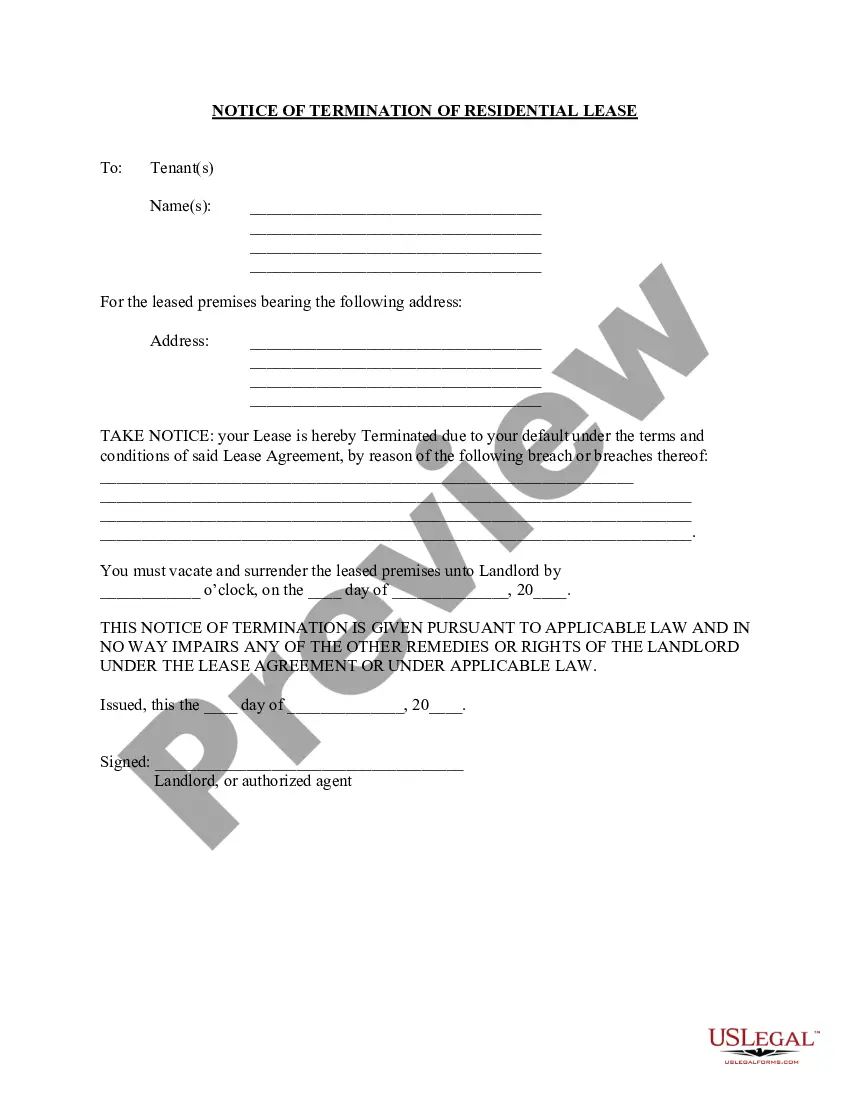
Notice From Landlord To Tenant
Description

Get your form ready online
Our built-in tools help you complete, sign, share, and store your documents in one place.
Make edits, fill in missing information, and update formatting in US Legal Forms—just like you would in MS Word.
Download a copy, print it, send it by email, or mail it via USPS—whatever works best for your next step.
Sign and collect signatures with our SignNow integration. Send to multiple recipients, set reminders, and more. Go Premium to unlock E-Sign.
If this form requires notarization, complete it online through a secure video call—no need to meet a notary in person or wait for an appointment.
We protect your documents and personal data by following strict security and privacy standards.

Make edits, fill in missing information, and update formatting in US Legal Forms—just like you would in MS Word.

Download a copy, print it, send it by email, or mail it via USPS—whatever works best for your next step.

Sign and collect signatures with our SignNow integration. Send to multiple recipients, set reminders, and more. Go Premium to unlock E-Sign.

If this form requires notarization, complete it online through a secure video call—no need to meet a notary in person or wait for an appointment.

We protect your documents and personal data by following strict security and privacy standards.
Looking for another form?
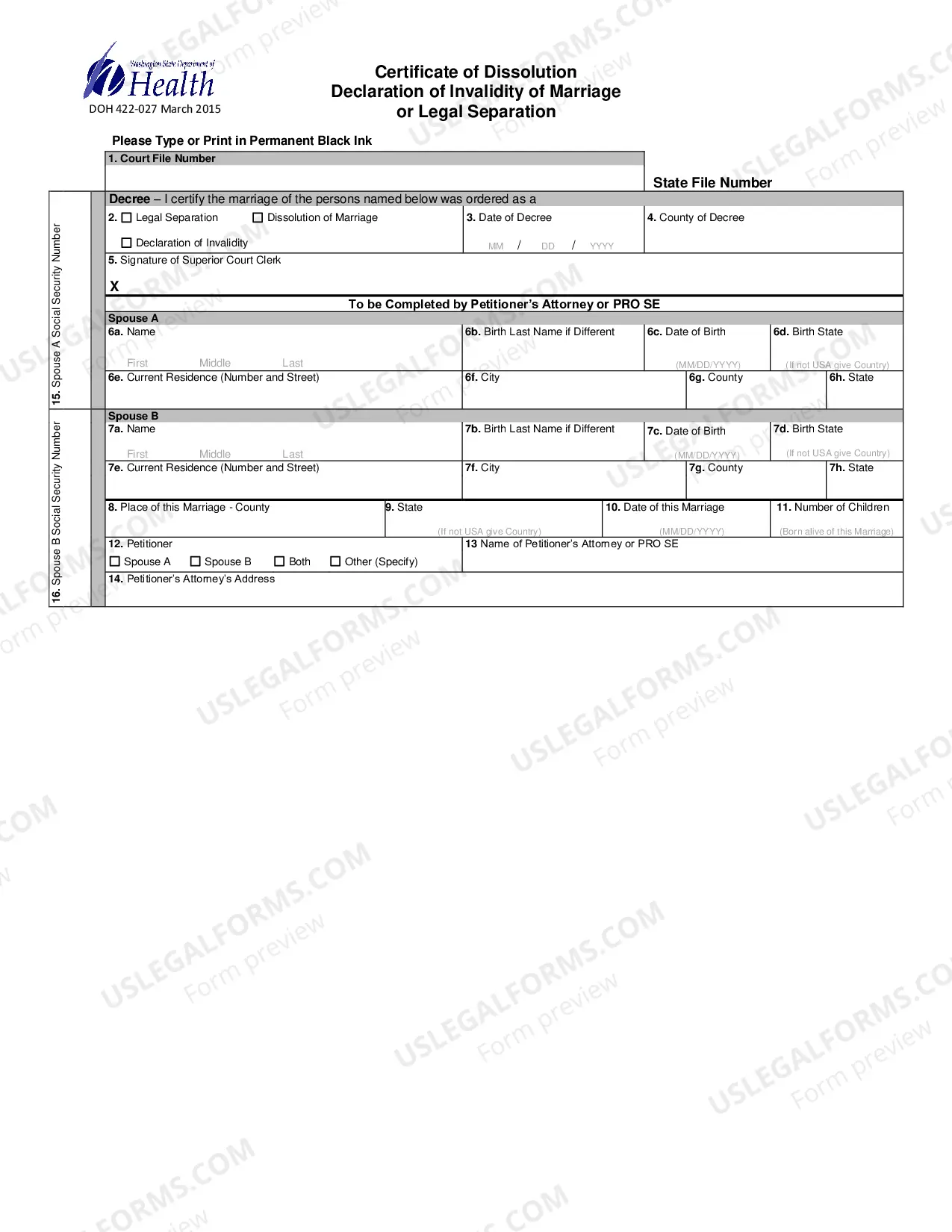

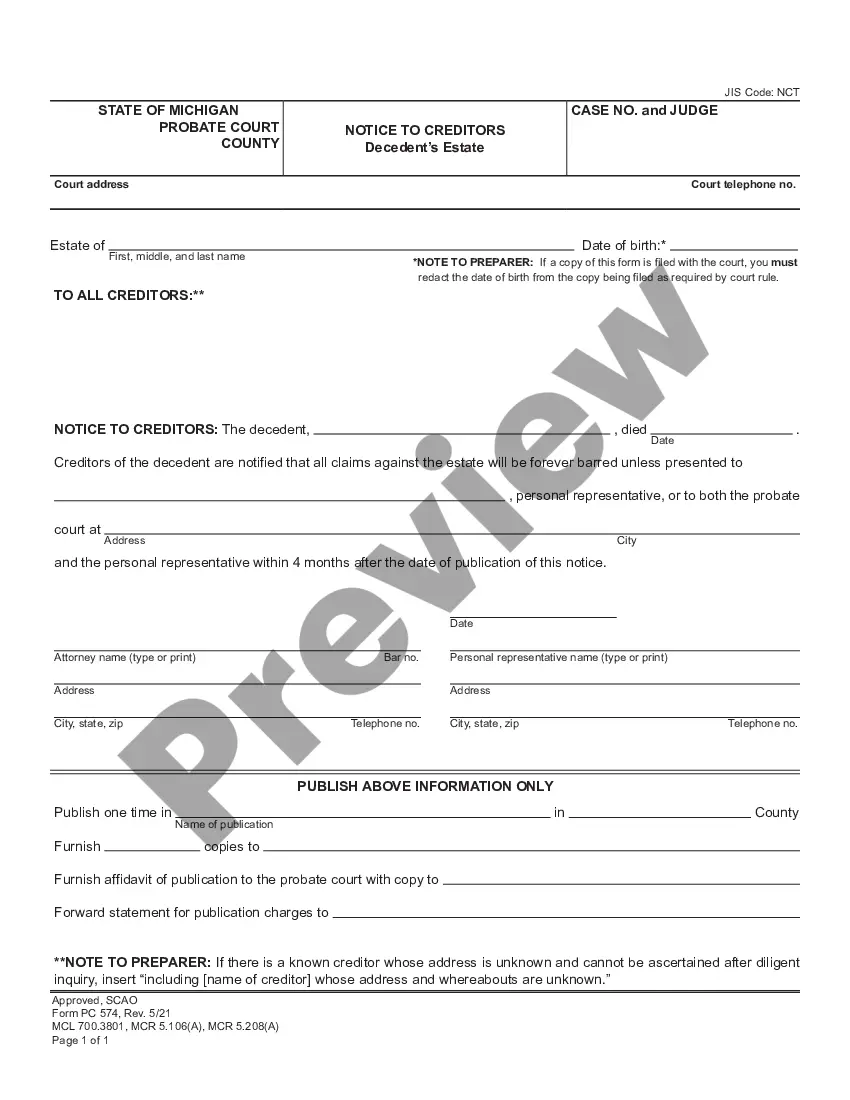
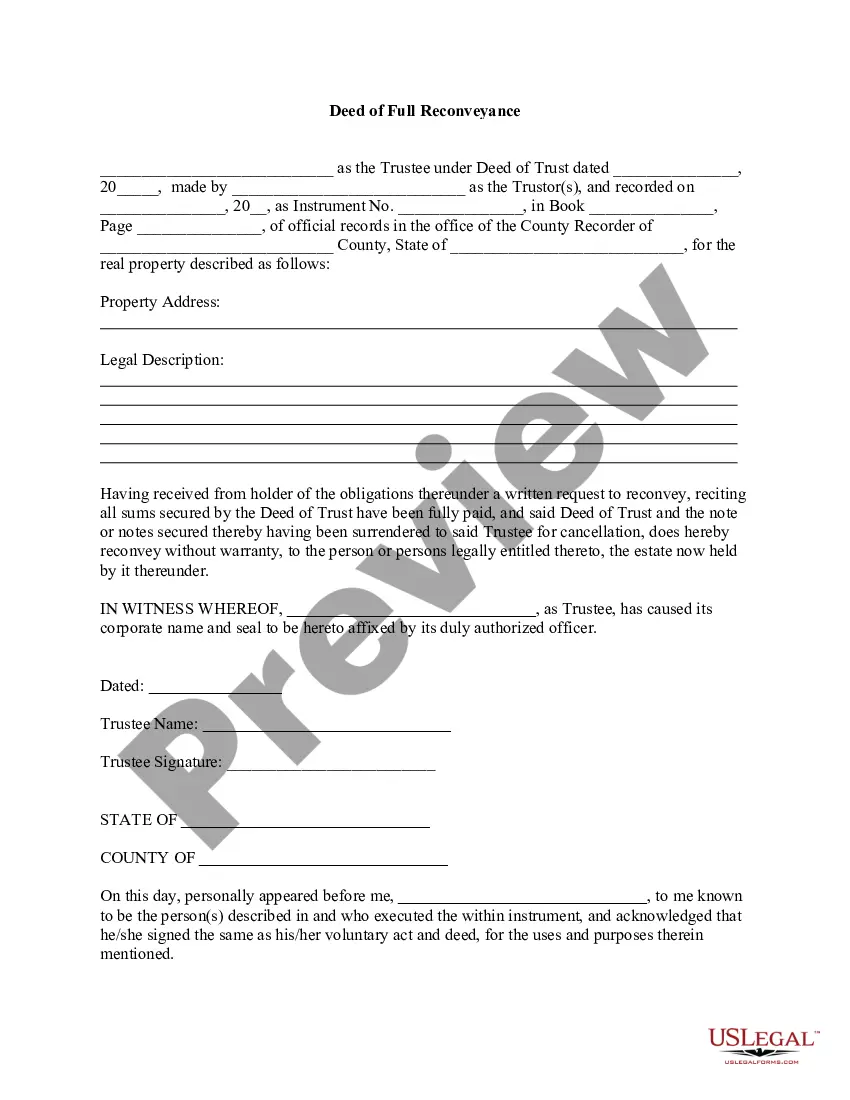
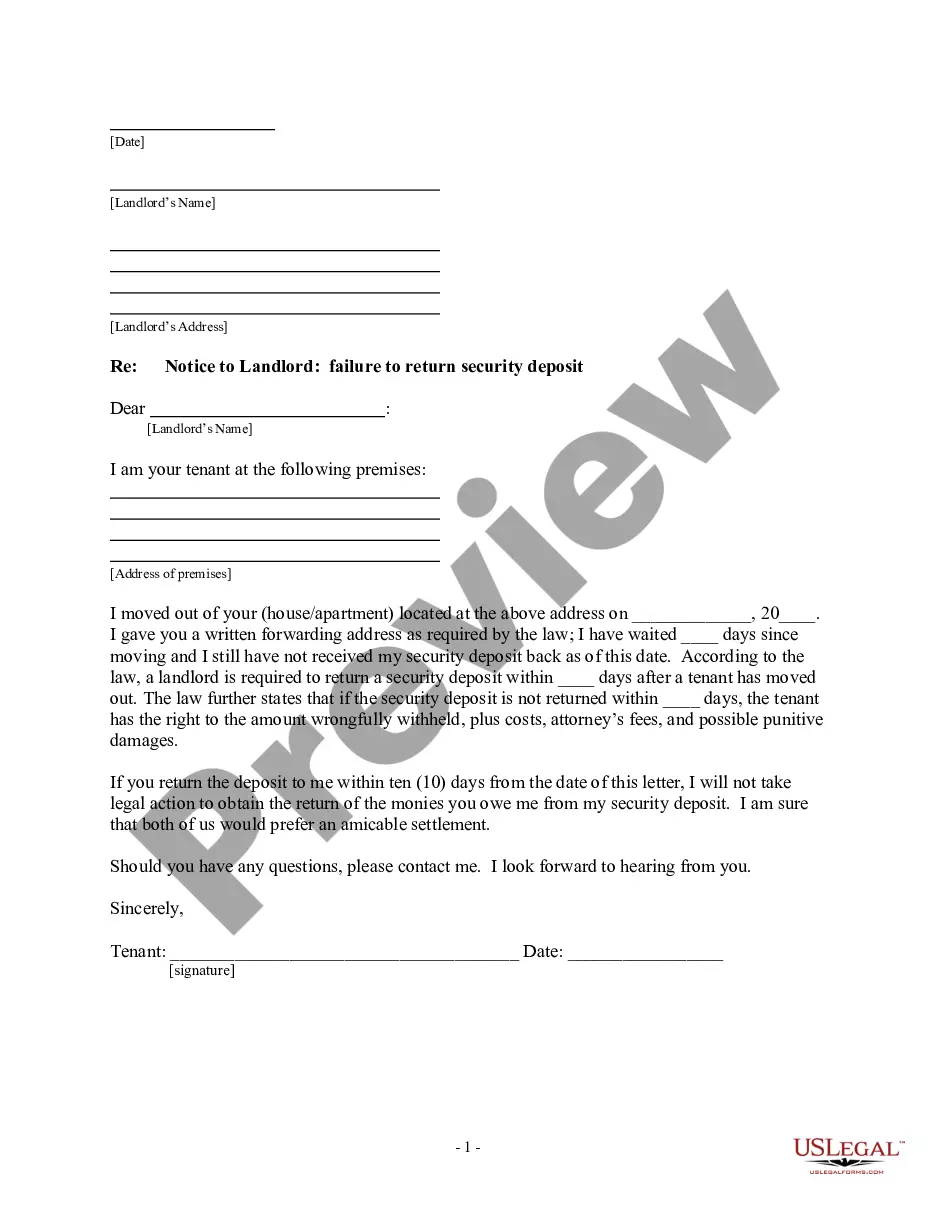
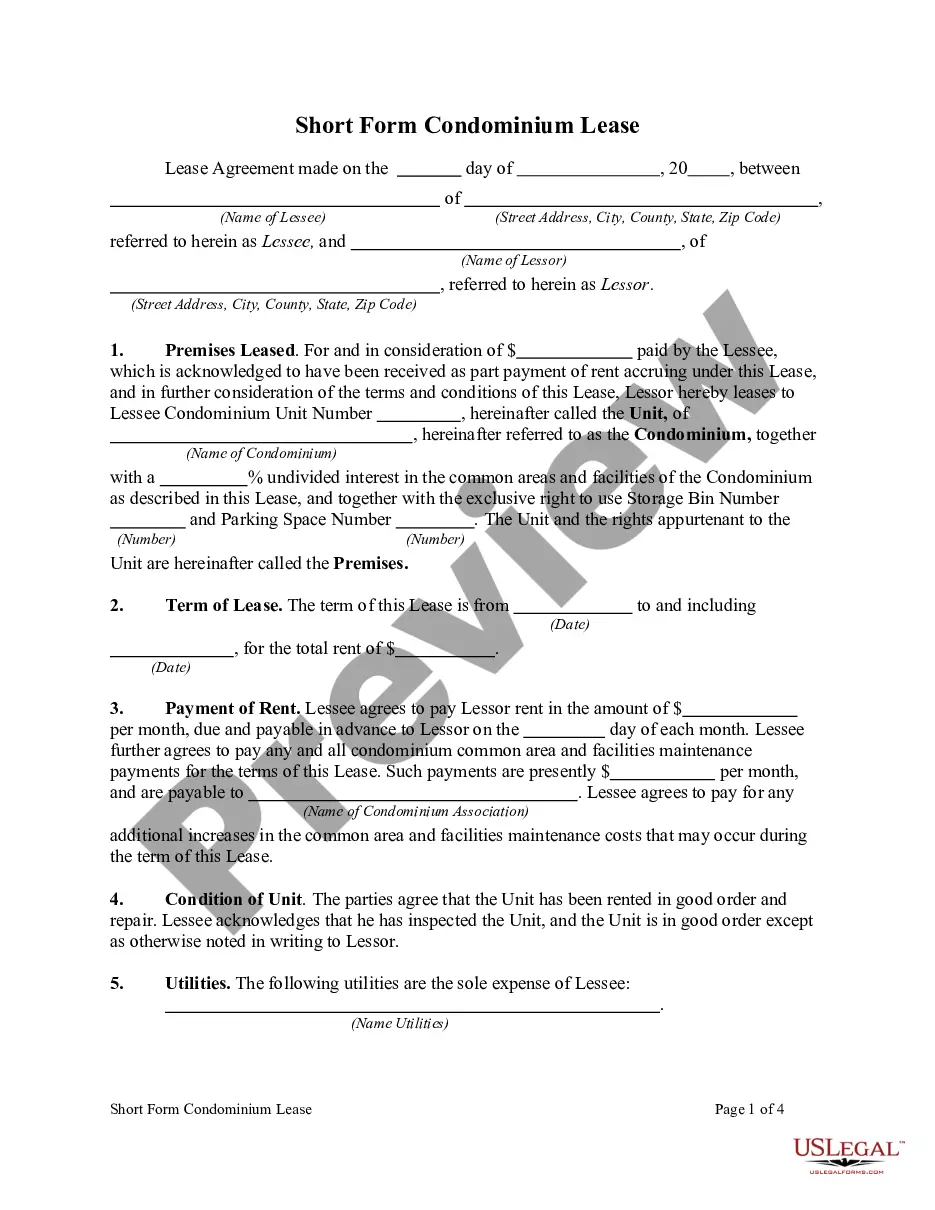
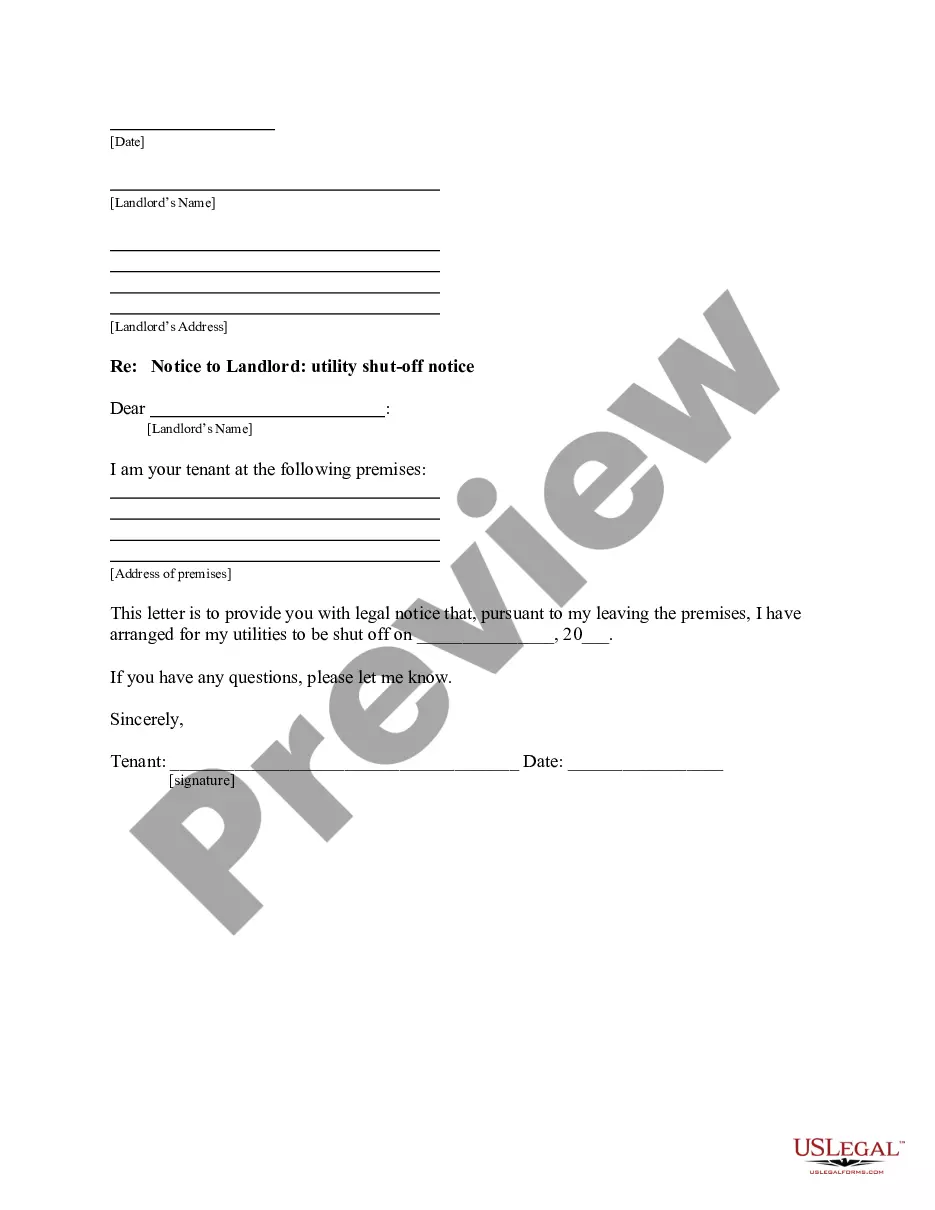
How to fill out Arkansas Letter From Tenant To Landlord - Utility Shut Off Notice To Landlord Due To Tenant Vacating Premises?
- If you have an existing account, log in and access your dashboard to download the required form template.
- Confirm your subscription is active. If it has lapsed, renew it according to your chosen payment plan.
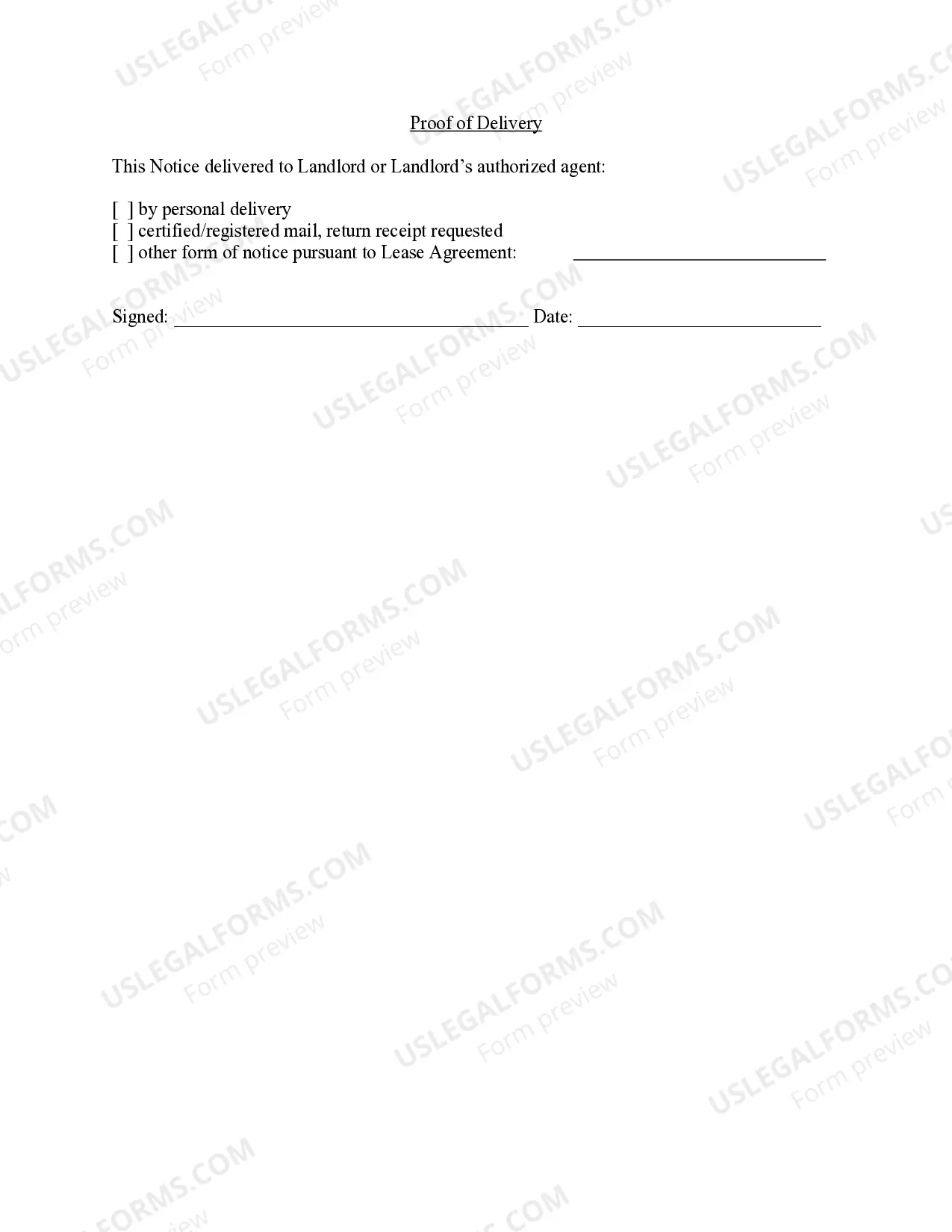
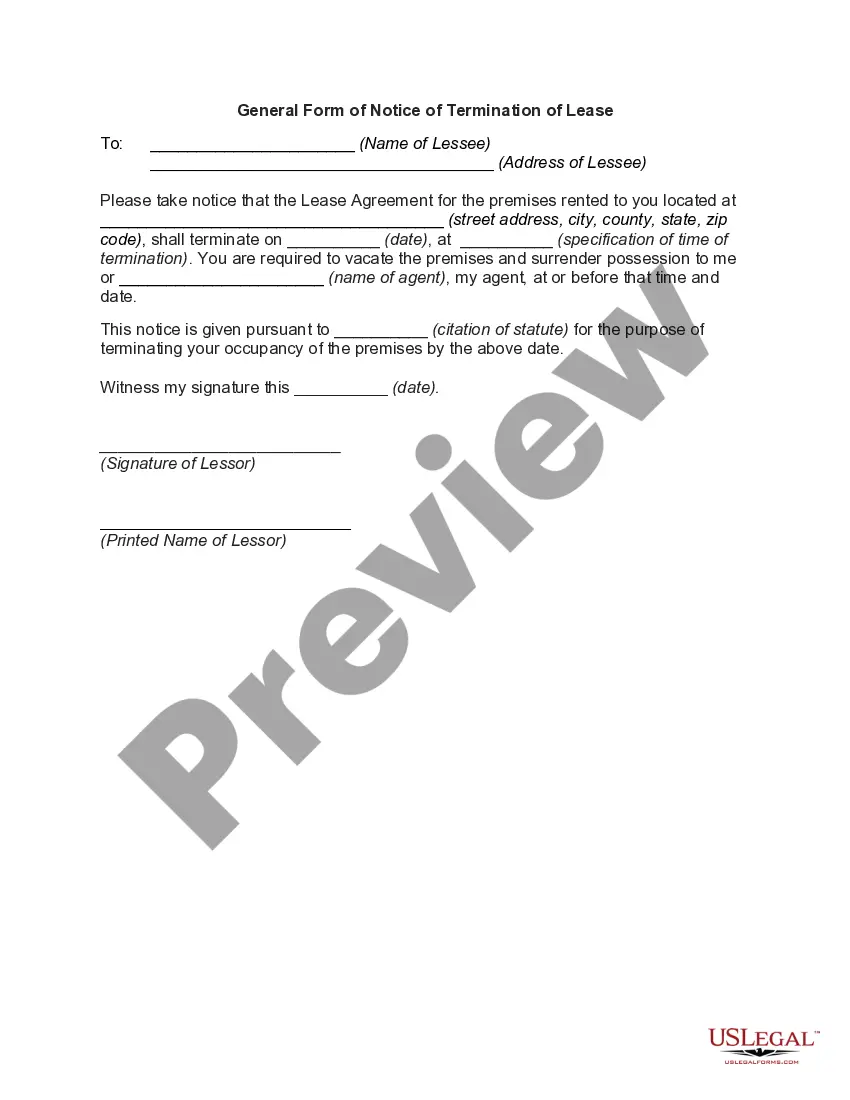
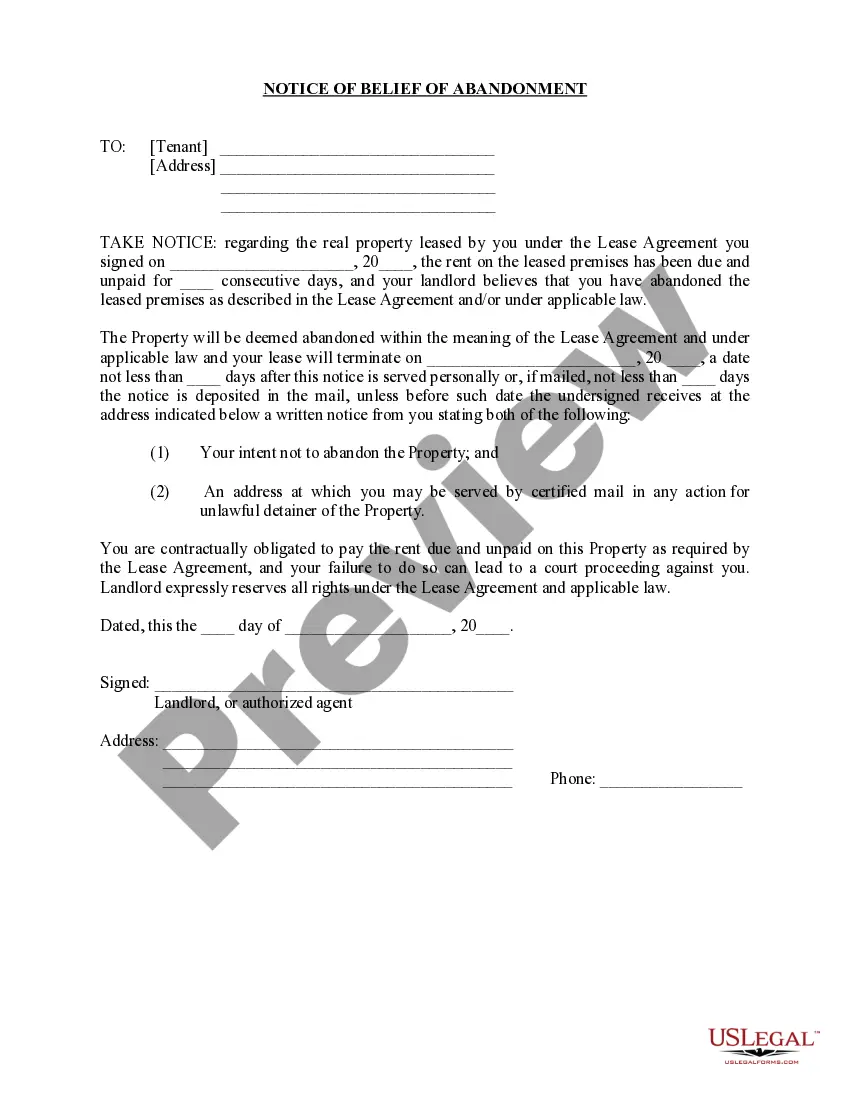
- For first-time users, begin by reviewing the form preview to select the correct notice that meets your specific needs.
- Utilize the Search tab if you need to find additional documents that may be more suited to your situation.
- Once you find the correct form, click the Buy Now button and select your preferred subscription plan. Create an account to unlock access to the full library.
- Complete your payment using a credit card or PayPal to finalize your subscription and gain access.
- Download the completed form onto your device for easy completion and future reference under the My Forms section of your profile.
Using US Legal Forms offers several advantages, including a vast collection of over 85,000 legal forms that are easy to fill and modify. Users also benefit from access to premium experts who can assist in ensuring that all documents are accurate and legally sound.
In conclusion, utilizing US Legal Forms streamlines the process of sending a notice from landlord to tenant. Take advantage of this robust resource to ensure your legal documents are correct. Start your journey today by visiting US Legal Forms!
Form popularity
FAQ
To politely ask a tenant to move out, begin with a respectful tone and express your appreciation for their tenancy. Clearly explain the reasons for your request, whether it’s due to property renovations or personal reasons. Ending with a cordial reminder about their lease notice period can help maintain a good relationship. For crafting such communication effectively, consider utilizing templates from US Legal Forms.
To write a letter to your landlord announcing your move-out, start with your and your landlord's contact information. Clearly state your intention to vacate the property and include your moving date. This letter acts as a formal notice from landlord to tenant, fulfilling your obligations under the lease. You can find helpful templates on US Legal Forms to make this task simpler.
An example letter for a tenant to move out should include your address, the landlord's address, and a clear statement of your intent to vacate. Mention the date you plan to leave, and reference any applicable lease terms. This letter constitutes an official notice from tenant to landlord, guiding the rental process smoothly when you choose to depart. For more precise templates, visit US Legal Forms.
In New Jersey, notice from landlord to tenant typically depends on the reason for eviction. Generally, landlords must provide at least 30 days' notice for lease violations or tenant non-payment. However, for certain situations, the notice period may extend to up to 90 days. Understanding the specifics can save you time and trouble, so consider seeking guidance from resources like US Legal Forms.
To write a letter to your landlord about vacating, start by clearly stating your intention to move out. Include the date you plan to leave, ensuring it aligns with any notice period required by your lease. Remember to mention that this letter serves as a formal notice from tenant to landlord. Using a template from US Legal Forms can help you ensure all necessary information is included.
To write a letter from landlord to tenant, include key components like your contact information, the tenant's name, and the date. State the purpose directly, ensuring the letter serves its function, whether it's a notice, a policy update, or a general communication. A well-structured notice from landlord to tenant, combined with respectful language, strengthens relationships and fosters trust. Always offer to discuss any questions or concerns the tenant may have.
When writing a letter for your tenant, focus on a professional tone and clear content. Begin with your name, contact details, and the tenant’s information at the top. Clearly state the purpose of the letter, whether it’s a reminder, notice from landlord to tenant, or information about their lease. Ending with an offer for assistance or clarification shows good faith and encourages open communication.
Writing a quick notice for a tenant requires clarity and conciseness. Start with the date, followed by a straightforward message that outlines the purpose, such as rent reminders or lease violations. Ensure the notice from landlord to tenant includes essential details like deadlines and actions required. This helps establish a clear understanding between you and your tenant.
To politely tell a tenant to move out, begin by expressing appreciation for their tenancy. Use a clear and respectful notice from landlord to tenant, stating the reason for the request and including necessary timelines. It's crucial to provide support and potential resources to help them during this transition. A kind and respectful approach often leads to a smoother departure.
The new tenant law in Connecticut provides enhanced protections for renters and clarifies rental agreements. It emphasizes the importance of written notices from landlord to tenant regarding lease terms and eviction processes. Landlords must also follow specific protocols when serving notices, ensuring tenants are aware of their rights and responsibilities. This law fosters a more transparent rental process.