Residential Leasing And Property Management
Description
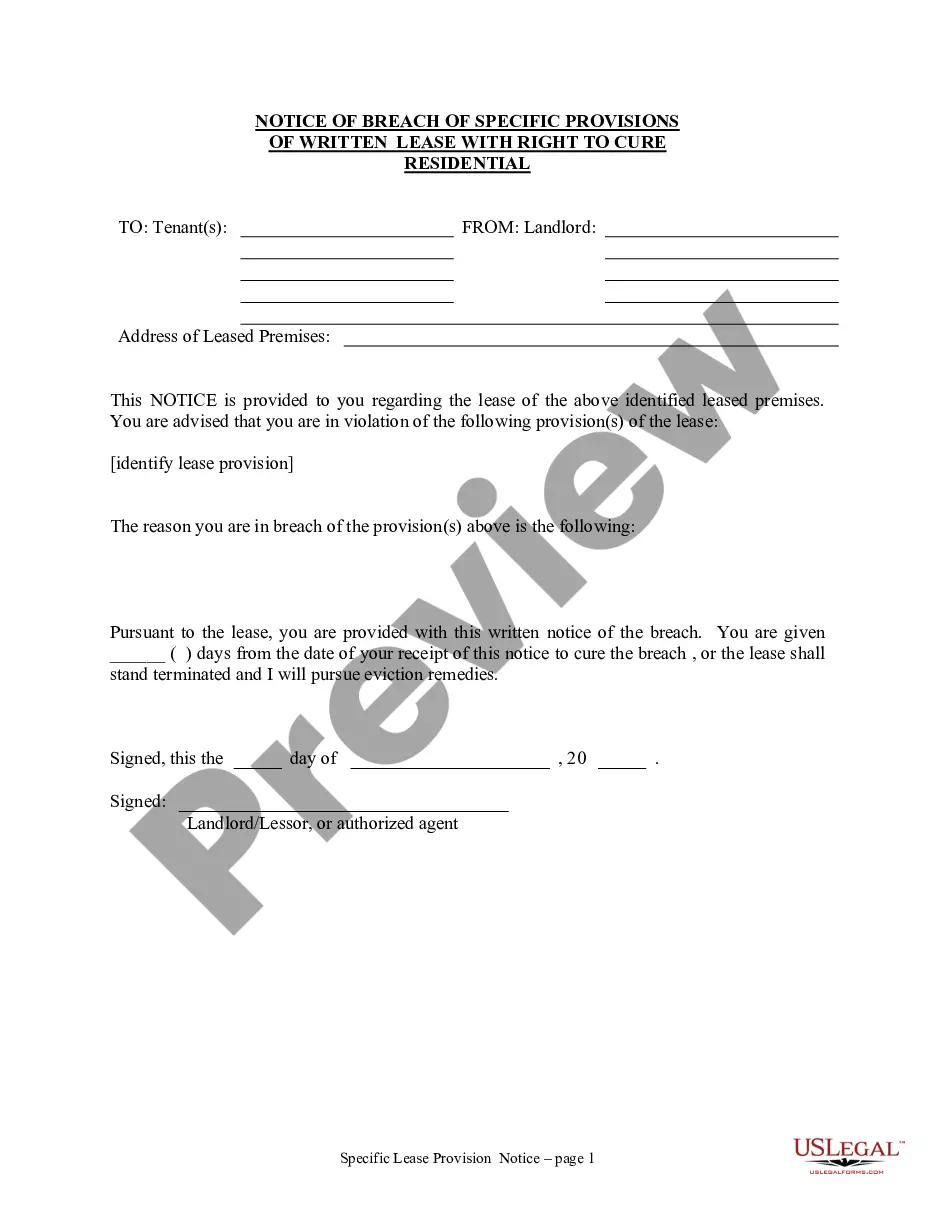
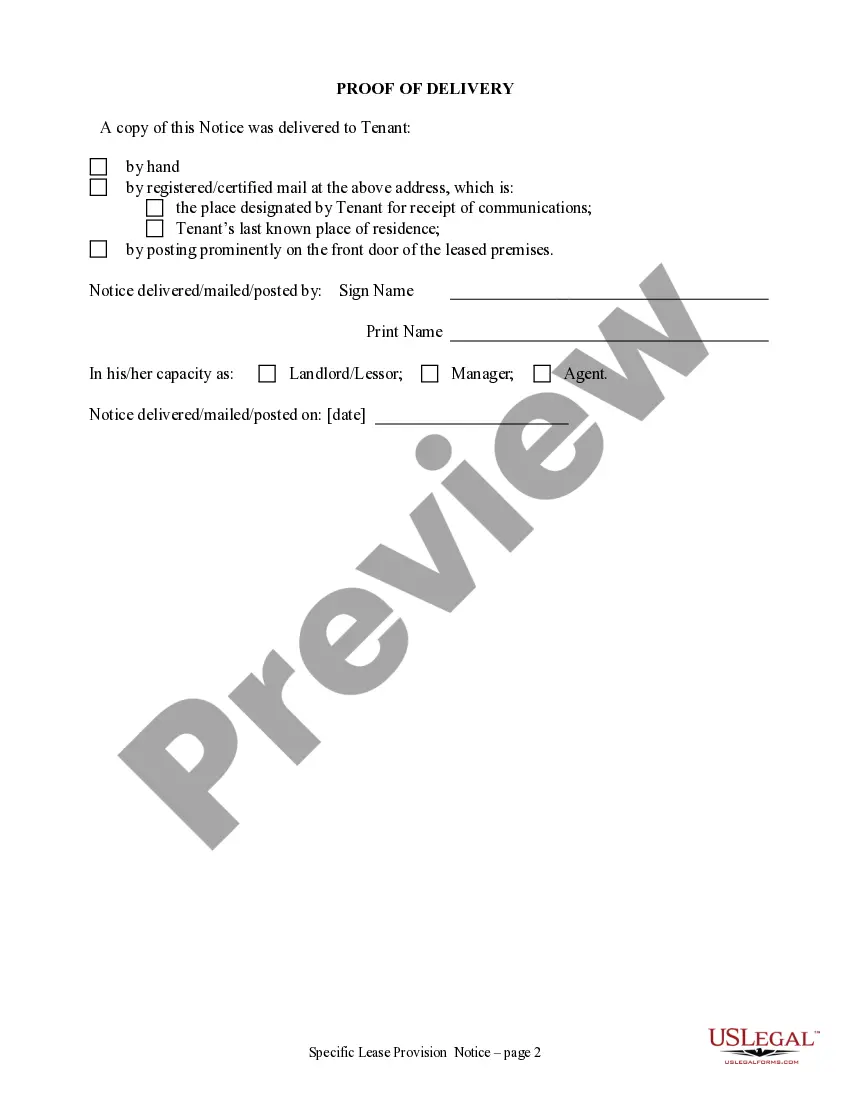


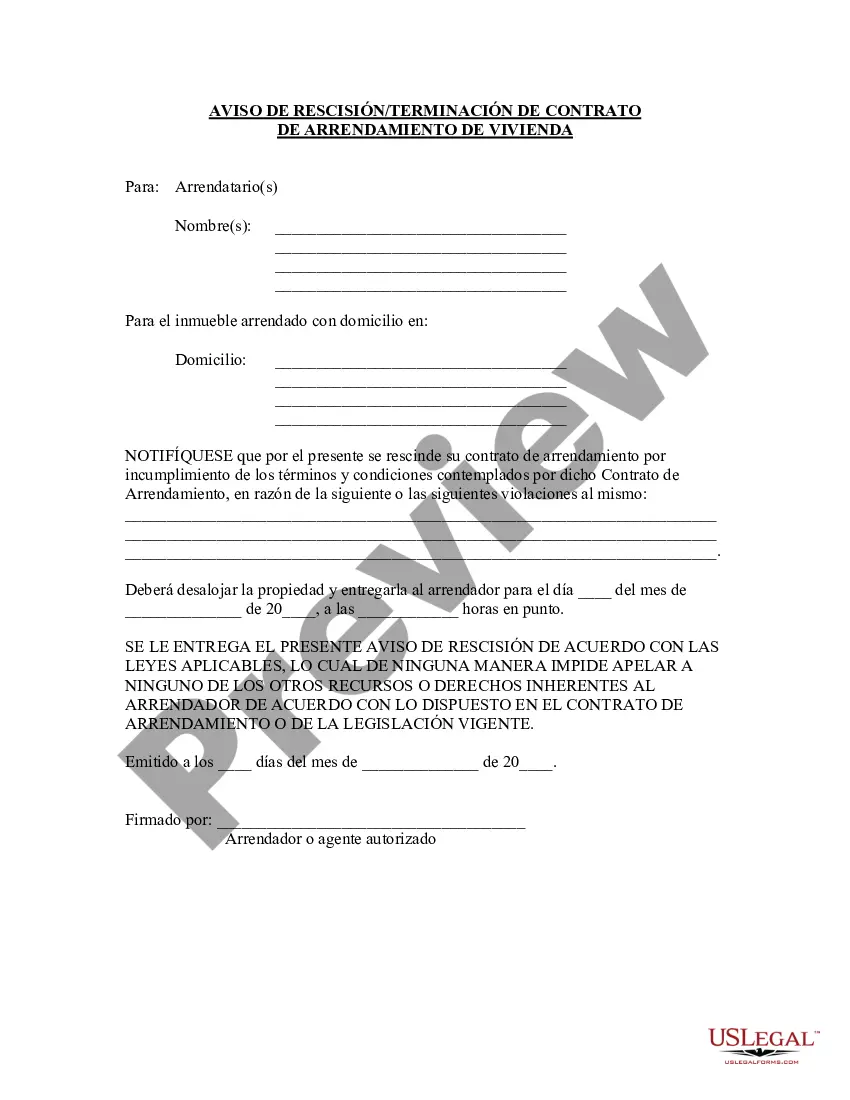
Get your form ready online
Our built-in tools help you complete, sign, share, and store your documents in one place.
Make edits, fill in missing information, and update formatting in US Legal Forms—just like you would in MS Word.
Download a copy, print it, send it by email, or mail it via USPS—whatever works best for your next step.
Sign and collect signatures with our SignNow integration. Send to multiple recipients, set reminders, and more. Go Premium to unlock E-Sign.
If this form requires notarization, complete it online through a secure video call—no need to meet a notary in person or wait for an appointment.
We protect your documents and personal data by following strict security and privacy standards.

Make edits, fill in missing information, and update formatting in US Legal Forms—just like you would in MS Word.

Download a copy, print it, send it by email, or mail it via USPS—whatever works best for your next step.

Sign and collect signatures with our SignNow integration. Send to multiple recipients, set reminders, and more. Go Premium to unlock E-Sign.

If this form requires notarization, complete it online through a secure video call—no need to meet a notary in person or wait for an appointment.

We protect your documents and personal data by following strict security and privacy standards.
Looking for another form?


How to fill out Alabama Notice Of Breach Of Written Lease For Violating Specific Provisions Of Lease With Right To Cure For Residential Property From Landlord To Tenant?
- Log into your account if you’re an existing user and check if your subscription is still active. If it has expired, consider renewing based on your chosen plan.
- For new users, start by browsing the preview mode and descriptions of the forms. Make sure the document you select aligns with your requirements and adheres to local jurisdiction standards.
- If necessary, use the search functionality to find alternative templates. Confirm that the chosen document meets your specifications before proceeding.
- Proceed to purchase the document by clicking the 'Buy Now' button. Select a subscription plan that suits your needs and create an account for access.
- Complete your transaction by entering your payment details, either via credit card or your PayPal account.
- Finally, download your completed form to your device. You can access it anytime from the 'My Forms' section of your account.
US Legal Forms empowers individuals and attorneys to quickly execute legal documents, ensuring ease of access and completion. With a collection of over 85,000 fillable templates, you can easily find what you need.
Start streamlining your residential leasing and property management needs today with US Legal Forms. Simplify the legal process and ensure accuracy in your documents!
Form popularity
FAQ
A property manager's primary responsibility to the owner is to protect their investment. This includes ensuring the property is well-maintained, keeping tenants satisfied, and maximizing rental income. In the context of residential leasing and property management, effective communication with the owner about the property's status and handling any issues promptly is crucial. Utilizing platforms like USLegalForms can streamline these processes, helping owners manage their properties efficiently.
Leasing refers to the process of renting a property, while property management involves overseeing the entire rental process, ensuring the property runs smoothly. In residential leasing and property management, leasing focuses on the agreements made between landlords and tenants. Property management encompasses maintenance, tenant relations, and financial operations to ensure a successful rental experience.
In the realm of residential leasing and property management, four primary types exist: residential, commercial, industrial, and mixed-use. Each type caters to different needs and responsibilities. Residential property management focuses on renting apartments, rental homes, and other residential buildings. It involves tenant screening, property maintenance, and managing leases.
To secure property management deals, build a strong network within your local real estate community. Show potential clients your expertise in residential leasing and property management by offering valuable insights and services. Additionally, utilizing online platforms, such as U.S. Legal Forms, can help streamline the legal aspects of property management and make your offerings more appealing to property owners.
Lease management refers to the process of overseeing lease agreements and tenant relationships. It includes tracking lease terms, ensuring compliance with agreements, and managing renewals or terminations. Effective lease management is crucial in residential leasing and property management, as it helps maintain occupancy rates and enhances tenant satisfaction. A robust lease management system can simplify these tasks significantly.
The primary difference lies in their areas of focus. A leasing manager concentrates on securing renters through leases while handling marketing and rental applications. In contrast, a property manager oversees the broader aspects of residential leasing and property management, including maintenance, financial management, and tenant relations. Both roles are vital, but they address different needs within property management.
Yes, leasing is an essential component of property management. It involves finding and securing tenants for rental properties, a crucial task for any property manager. By managing the leasing process, property managers ensure properties remain occupied, which directly impacts the financial success of residential leasing and property management. Therefore, effective leasing practices can lead to higher tenant satisfaction and lower vacancy rates.
To become a property manager in Michigan, you typically need a real estate license. This requires completing pre-licensing education, passing a state exam, and fulfilling ongoing education requirements. Additionally, having experience in residential leasing and property management can greatly enhance your effectiveness in the role. Many successful property managers also understand local real estate laws and have strong communication skills.
Property managers can be held responsible for the actions of tenants under certain circumstances. They have a duty to properly vet tenants and ensure that they comply with lease agreements. For effective residential leasing and property management, a thorough tenant screening process is essential to reduce risks related to bad tenants.
To obtain a property management certificate in California, you typically need to complete a series of courses covering relevant laws, ethics, and best practices. Many community colleges and online platforms offer these programs. Once completed, you'll have the expertise necessary for residential leasing and property management.