Alaska Registered Agent For Nonprofit
Description
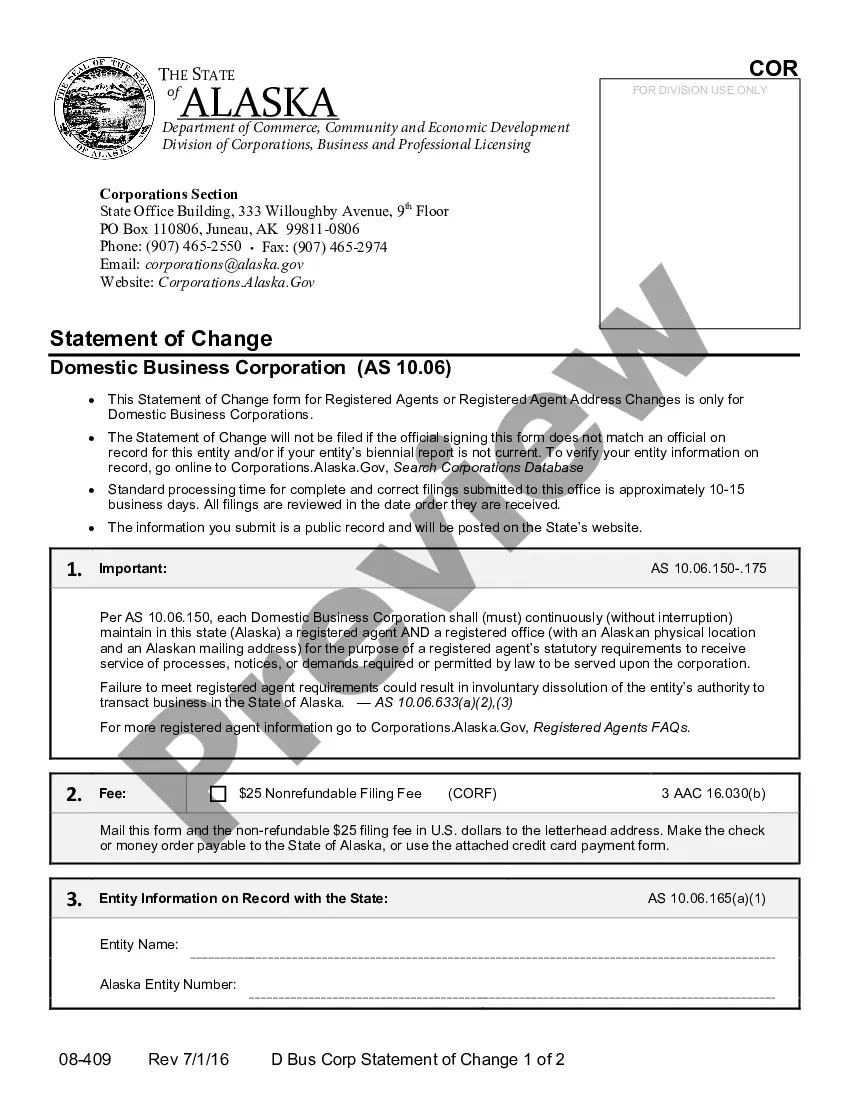
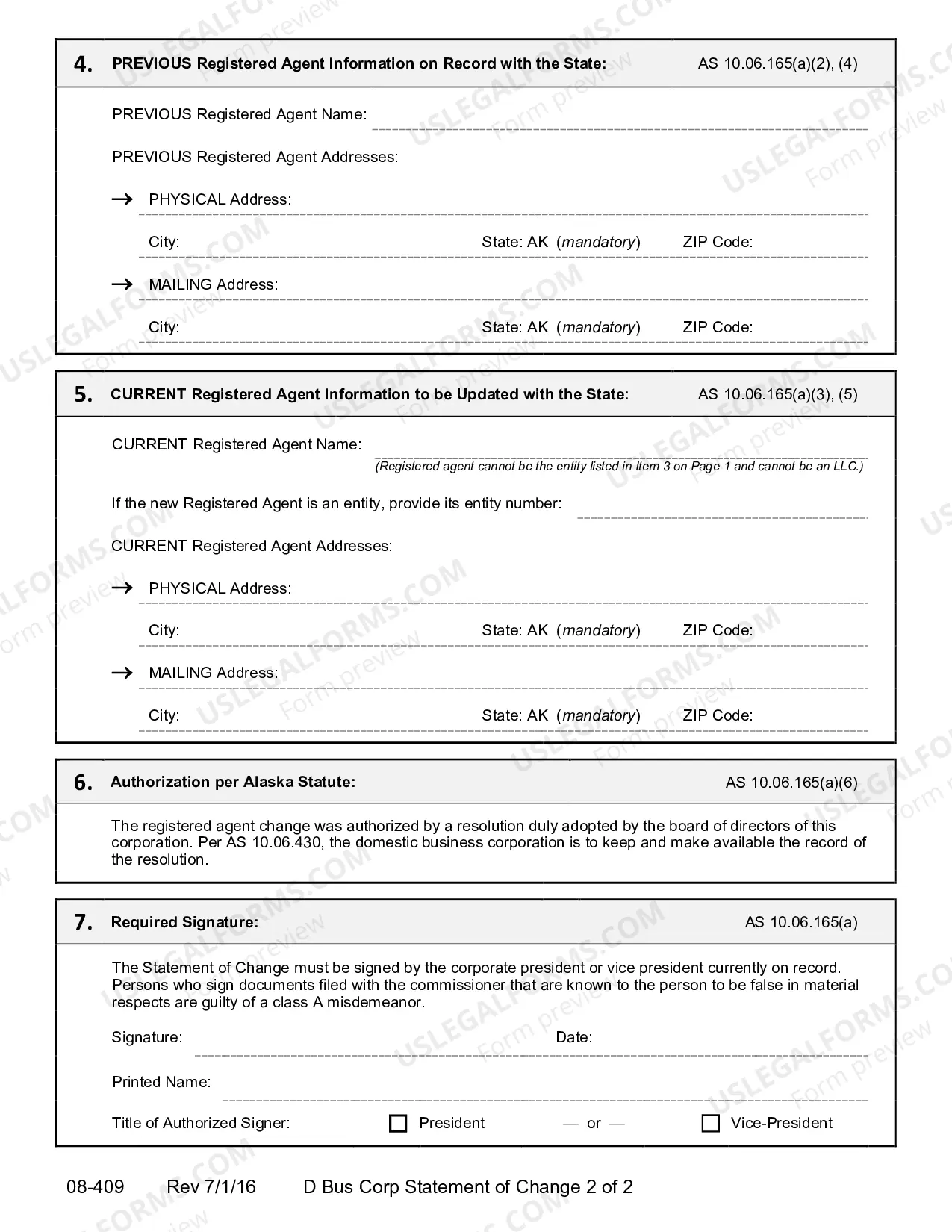
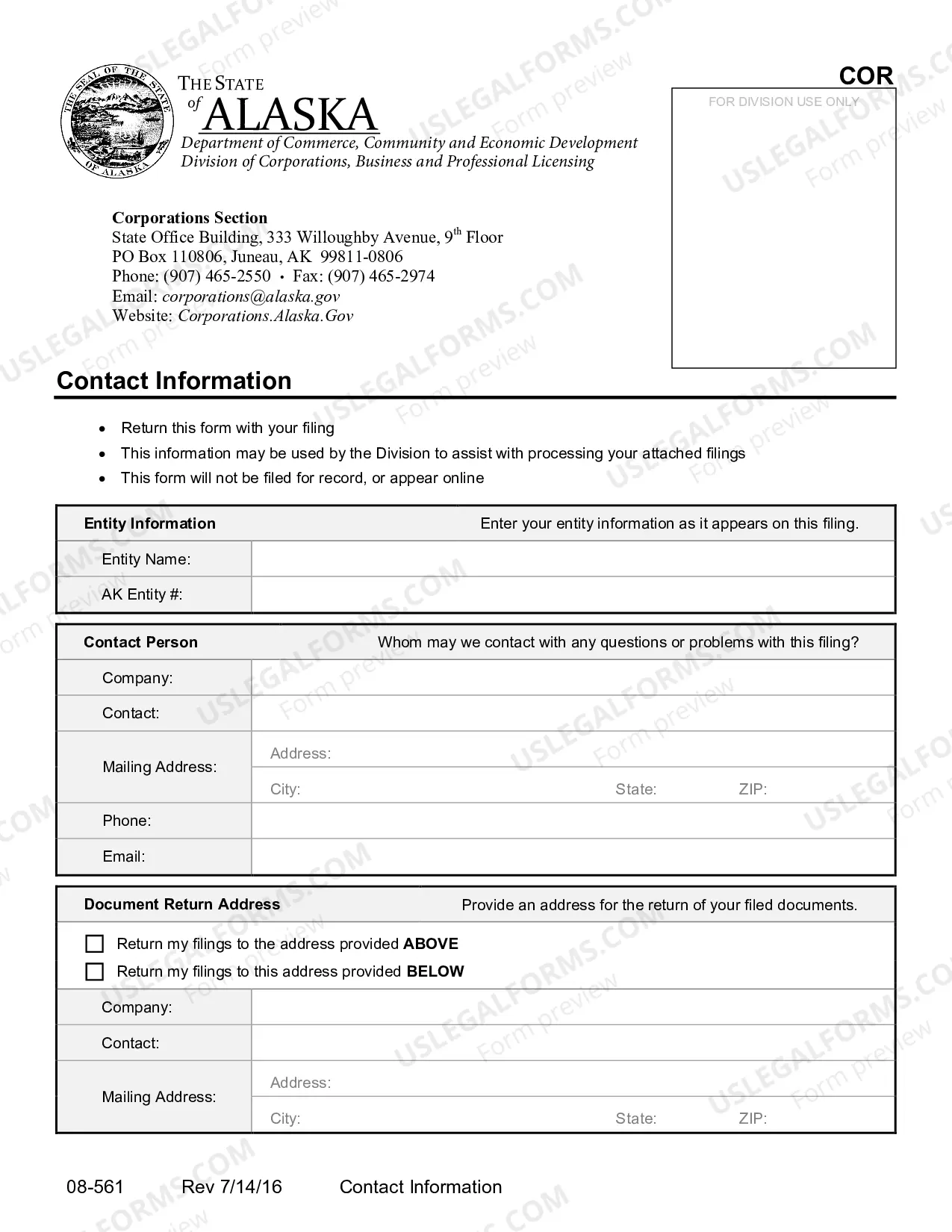
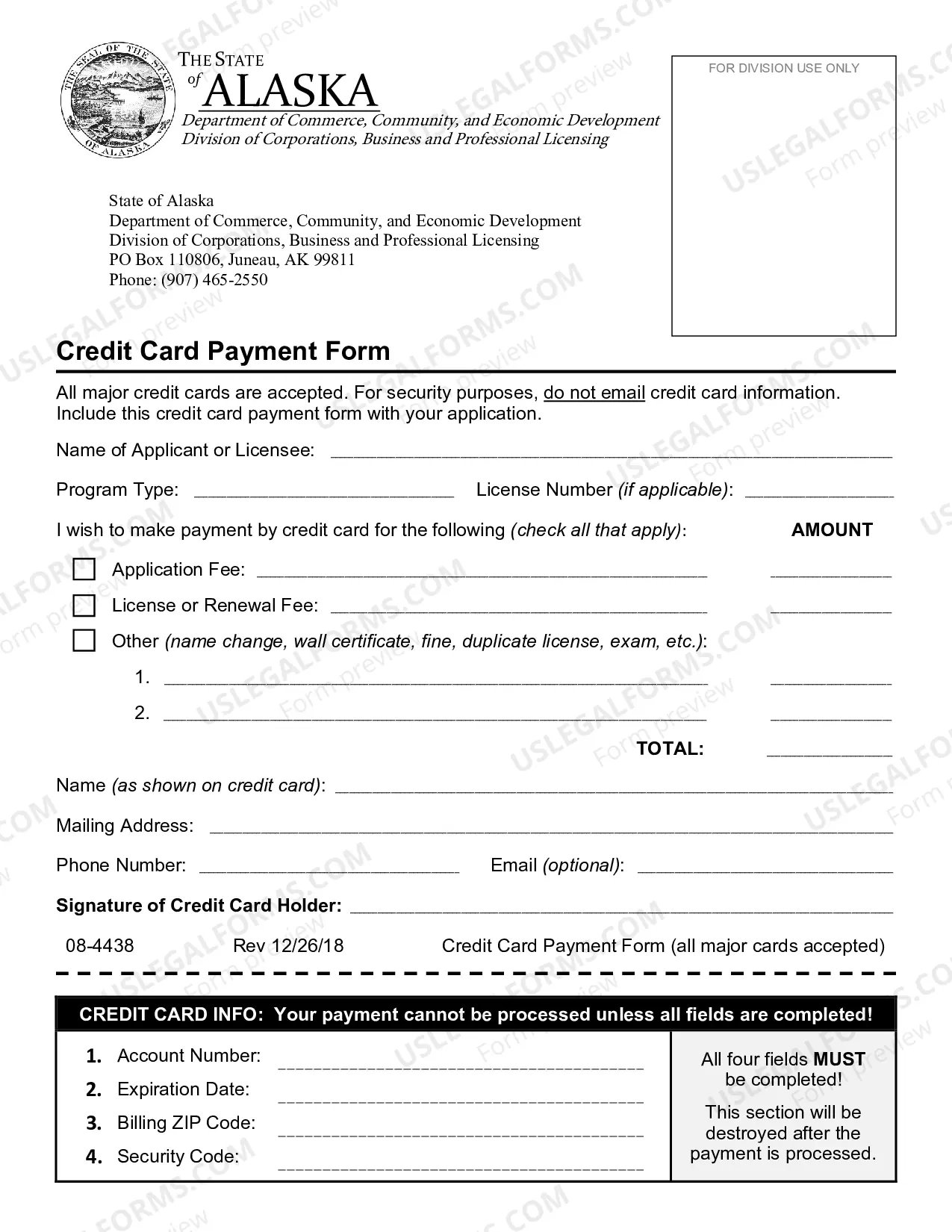
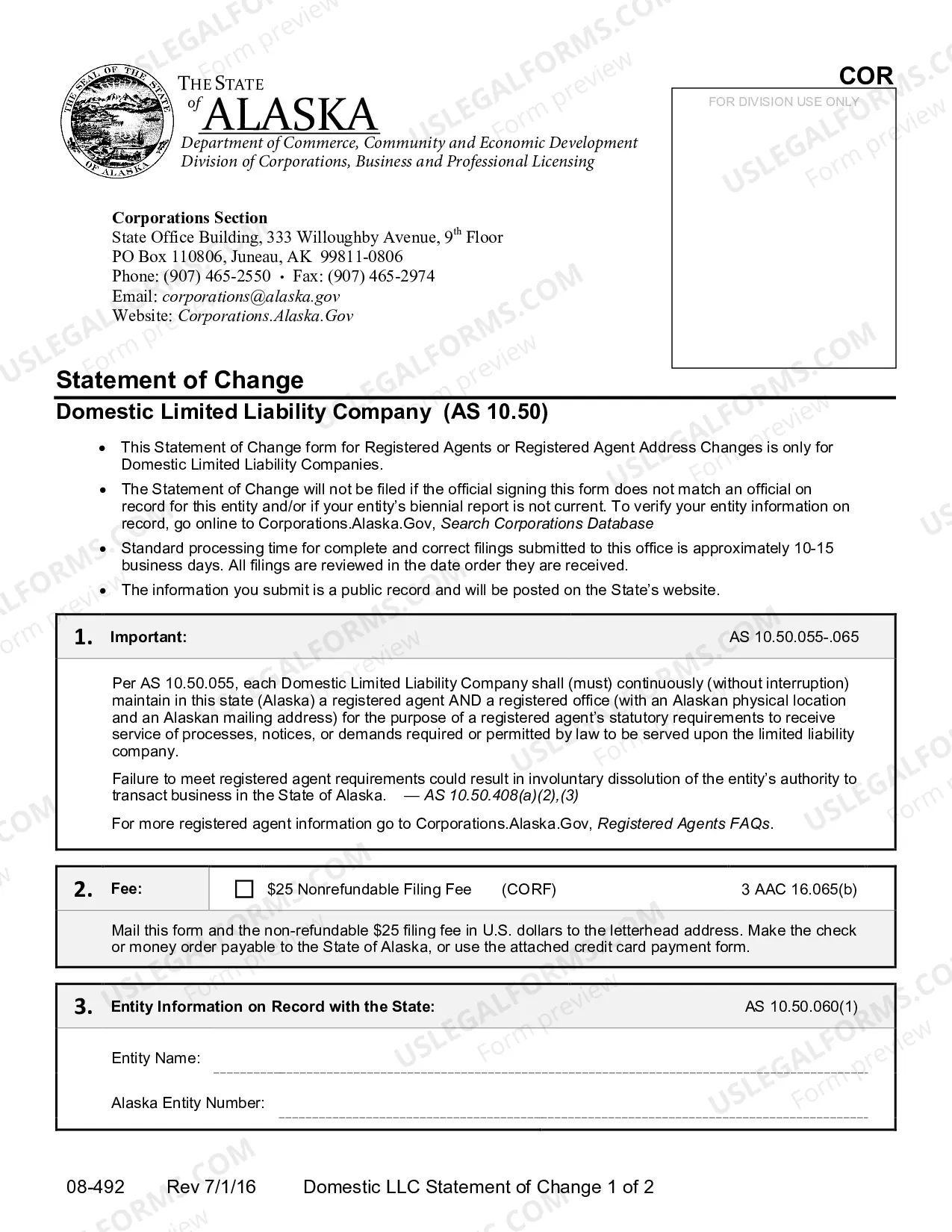
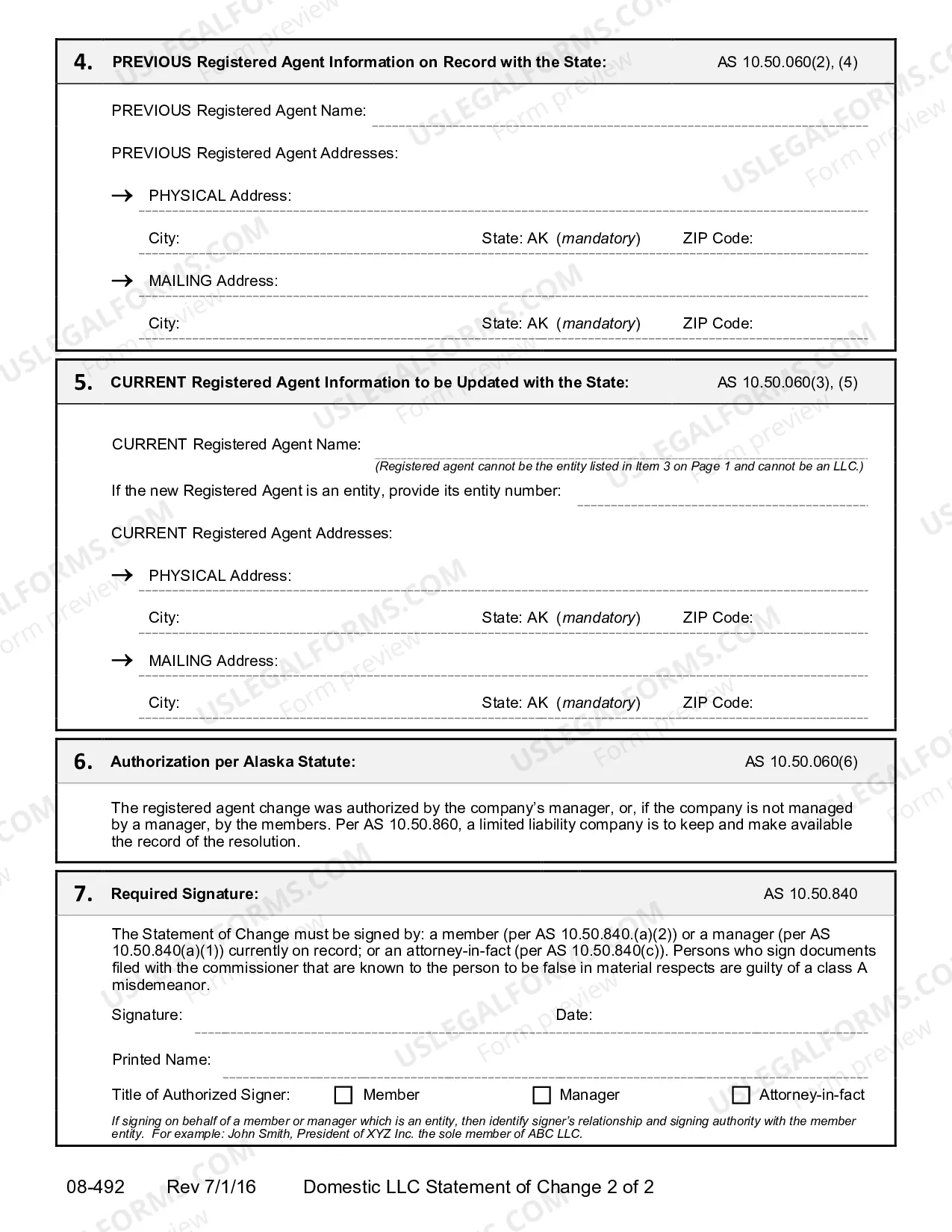
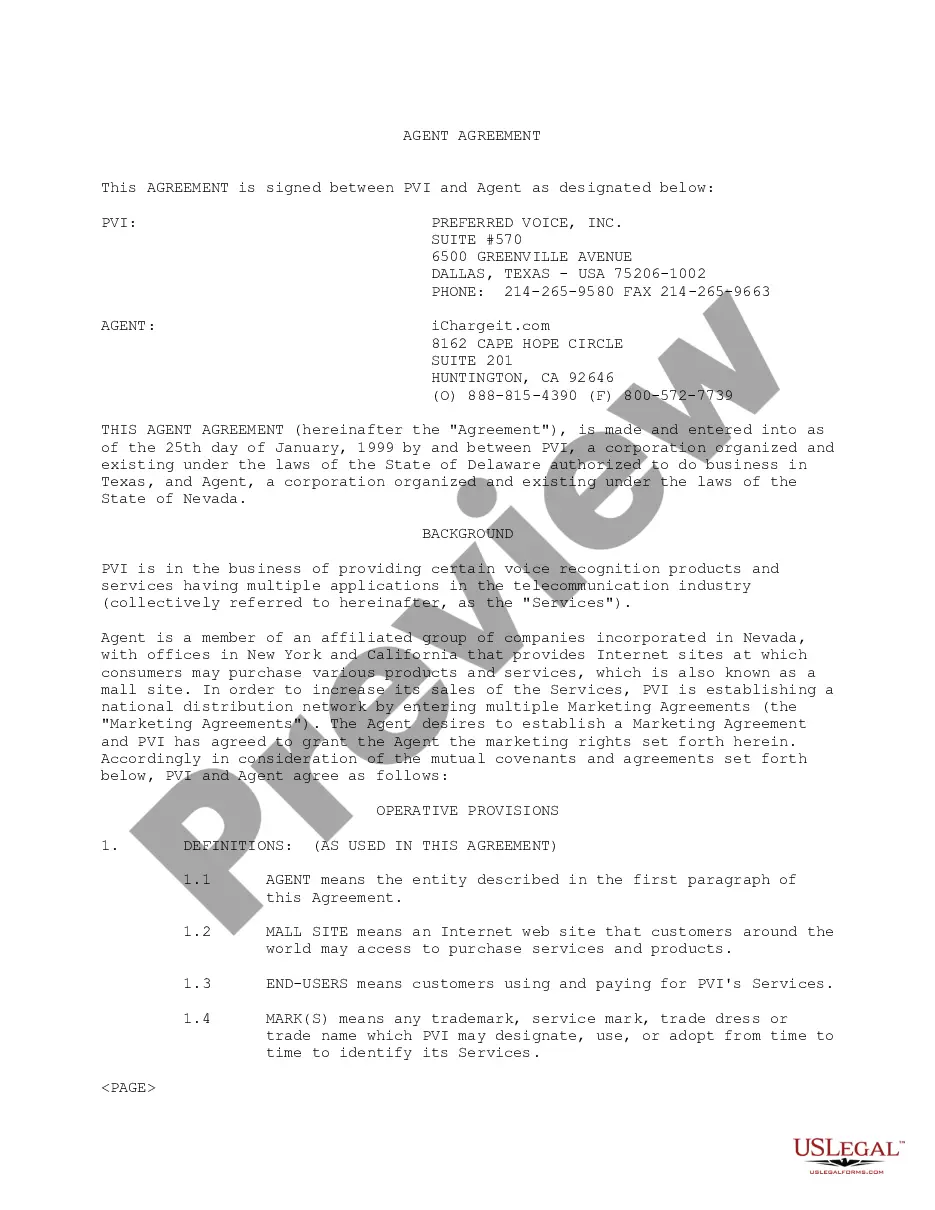
Get your form ready online
Our built-in tools help you complete, sign, share, and store your documents in one place.
Make edits, fill in missing information, and update formatting in US Legal Forms—just like you would in MS Word.
Download a copy, print it, send it by email, or mail it via USPS—whatever works best for your next step.
Sign and collect signatures with our SignNow integration. Send to multiple recipients, set reminders, and more. Go Premium to unlock E-Sign.
If this form requires notarization, complete it online through a secure video call—no need to meet a notary in person or wait for an appointment.
We protect your documents and personal data by following strict security and privacy standards.

Make edits, fill in missing information, and update formatting in US Legal Forms—just like you would in MS Word.

Download a copy, print it, send it by email, or mail it via USPS—whatever works best for your next step.

Sign and collect signatures with our SignNow integration. Send to multiple recipients, set reminders, and more. Go Premium to unlock E-Sign.

If this form requires notarization, complete it online through a secure video call—no need to meet a notary in person or wait for an appointment.

We protect your documents and personal data by following strict security and privacy standards.
Looking for another form?

Form popularity
FAQ
To register a foreign LLC in Alaska, you first need to ensure that your nonprofit meets the Alaska requirements. You will file an Application for Registration of Foreign LLC with the Alaska Division of Corporations. This process also requires you to designate an Alaska registered agent for nonprofit, which will handle important legal documents on your behalf. For a seamless experience, consider using the US Legal Forms platform, which provides the necessary forms and guidance for this registration.
Yes, Tennessee does require all businesses, including nonprofits, to have a registered agent. This ensures that there is a reliable individual or entity to receive legal documents on behalf of the organization. An Alaska registered agent for nonprofit may not apply directly to Tennessee law, but understanding these requirements is essential for any nonprofit navigating state regulations. Consider utilizing resources like US Legal Forms to ensure you remain compliant with registered agent requirements across states.
To find a local registered agent, start by exploring online directories that specifically list registered agents in your area. Focus on those that provide services for nonprofits, as you'll want someone familiar with the unique needs of nonprofit organizations in Alaska. Additionally, consider asking for recommendations from other nonprofit leaders, or check with local chambers of commerce for trusted options. Using platforms like US Legal Forms can simplify your search, allowing you to compare various registered agents quickly.
To register an LLC in Alaska, you must choose a unique name and file the Articles of Organization with the state. This document needs to include important information about your LLC, such as its purpose, structure, and registered agent. After registration, you’ll gain protections for your business. For nonprofits, working with an Alaska registered agent for nonprofit handles the necessary paperwork efficiently and ensures compliance with state laws.
In Illinois, you can serve as your own registered agent, provided you have a physical address in the state. However, serving as your own registered agent may present challenges, such as limited availability during business hours. It's often more efficient to hire a professional. If you plan to operate in Alaska, consider using an Alaska registered agent for nonprofit to ensure compliance.
Yes, you can act as your own registered agent in Alaska, provided you have a physical address in the state. However, consider the responsibilities involved, such as being available during business hours to receive legal documents. For many, appointing a professional Alaska registered agent for nonprofit is a smarter option, ensuring peace of mind and reliability.
An agent acts on behalf of a business, handling legal documents and official correspondence, while an owner holds equity or membership in the organization. In a nonprofit, an agent helps facilitate operations, whereas owners, often board members, steer organizational goals. Understanding this distinction can help you make informed choices about your nonprofit's management.
Yes, Alaska law requires every nonprofit corporation, including LLCs, to have a registered agent. This agent acts as the official point of contact for legal documents and other notices. By choosing a reliable Alaska registered agent for nonprofit, you ensure that your organization remains compliant with state requirements.
Yes, a nonprofit organization must obtain a business license to operate legally in Alaska. This license ensures your nonprofit adheres to state regulations and can conduct activities like fundraising. To simplify this process, you might consider using US Legal Forms, which guides you through the necessary steps.
