Lease Landlord Tenant With No Deposit
Description
Get your form ready online
Our built-in tools help you complete, sign, share, and store your documents in one place.
Make edits, fill in missing information, and update formatting in US Legal Forms—just like you would in MS Word.
Download a copy, print it, send it by email, or mail it via USPS—whatever works best for your next step.
Sign and collect signatures with our SignNow integration. Send to multiple recipients, set reminders, and more. Go Premium to unlock E-Sign.
If this form requires notarization, complete it online through a secure video call—no need to meet a notary in person or wait for an appointment.
We protect your documents and personal data by following strict security and privacy standards.

Make edits, fill in missing information, and update formatting in US Legal Forms—just like you would in MS Word.

Download a copy, print it, send it by email, or mail it via USPS—whatever works best for your next step.

Sign and collect signatures with our SignNow integration. Send to multiple recipients, set reminders, and more. Go Premium to unlock E-Sign.

If this form requires notarization, complete it online through a secure video call—no need to meet a notary in person or wait for an appointment.

We protect your documents and personal data by following strict security and privacy standards.
Looking for another form?
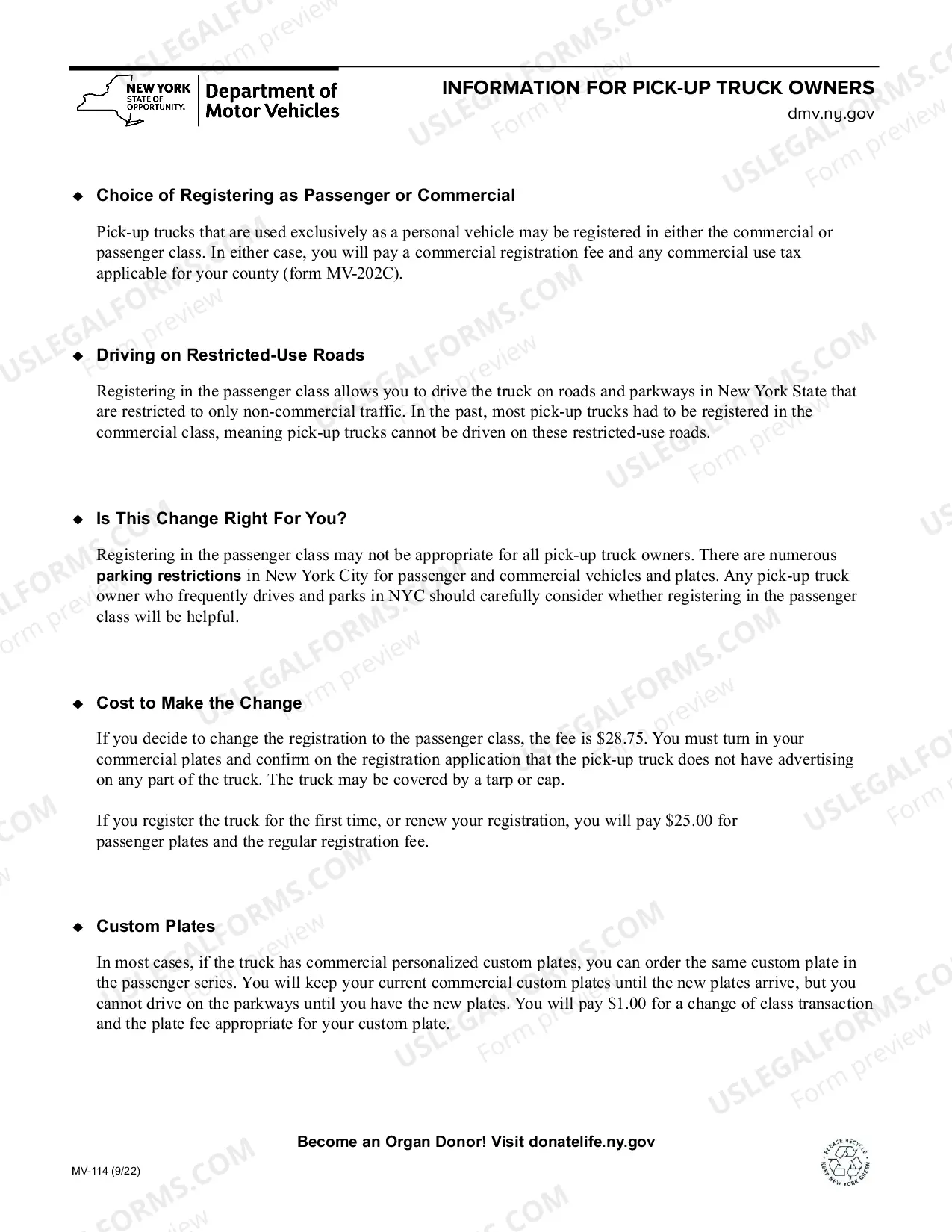
How to fill out Alaska Warning Of Default On Commercial Lease?
- Log in to your US Legal Forms account if you're an existing user; ensure your subscription is active to access all features.
- If you're new to the service, start by reviewing the form previews and descriptions to select the correct lease template that fits your specific requirements.
- If necessary, utilize the Search feature to find additional templates that better match your needs.
- Click the 'Buy Now' button to select a subscription plan that suits you. Create an account to unlock the full benefits of the library.
- Complete your purchase by entering your payment details or using PayPal for a swift transaction.
- Finally, download your chosen form to your device and save it for easy access in the 'My Forms' section of your profile whenever needed.
By following these straightforward steps, you can efficiently create a landlord-tenant lease agreement without the burden of a deposit. US Legal Forms provides valuable resources that empower both individuals and legal professionals alike.
Start streamlining your lease agreements today! Visit US Legal Forms for access to unbeatable legal resources.
Form popularity
FAQ
Yes, a landlord can demand rent even if there is no formal lease in place. If you occupy the rental property and have not vacated, you are generally responsible for paying rent. In lease landlord tenant with no deposit scenarios, it's especially important to know your obligations and the landlord's rights to help avoid potential conflicts.
In Indiana, renters have several rights, including the right to a habitable living space and protection from illegal eviction. Landlords must also provide proper notice before entering your rental unit or terminating your lease. By understanding these rights, especially in lease landlord tenant with no deposit situations, you can better navigate your rental experience.
Yes, a landlord can still file a lawsuit even if no written lease exists. They may pursue claims related to unpaid rent, property damage, or other lease violations. In lease landlord tenant with no deposit cases, it is critical to be aware of your rights, as verbal agreements may still hold weight in legal matters.
In Tennessee, landlords must provide at least 30 days' notice before choosing not to renew your lease. This notice should be in writing, clearly stating the intent not to renew the agreement. For lease landlord tenant with no deposit situations, having this communication can clarify your rights and responsibilities.
In Tennessee, the law dictates specific regulations regarding security deposits. Landlords typically cannot demand a deposit that exceeds one month's rent, and they must return the deposit within 30 days after the lease ends. For lease landlord tenant with no deposit, understanding local security deposit laws can help you avoid disputes and secure your rights.
If your landlord never provided you with a lease, it's essential to document your agreement in writing. You should gather any correspondence or evidence of your tenancy, such as receipts or payment records. With the lack of a written lease, the law may still recognize your landlord-tenant relationship under verbal agreements, particularly regarding lease landlord tenant with no deposit situations.
Minnesota law mandates that landlords return security deposits within 21 days after a tenant vacates. If any deductions occur, the landlord must provide a detailed statement explaining them. This legal framework is beneficial for tenants, particularly when considering a lease landlord tenant with no deposit. Knowledge of these laws reinforces tenant rights and responsibilities.
Normal wear and tear in Minnesota includes minor scuffs on walls, worn carpets, and fading paint, indicating typical usage over time. It does not include damage such as large holes in walls or broken appliances, which a landlord may deduct from your deposit. Understanding what constitutes wear and tear is vital for anyone involved in a lease landlord tenant with no deposit arrangement. Clarity on these terms can avoid disputes later.
Minnesota's statute regarding security deposits protects tenants by requiring landlords to return deposits within 21 days. Landlords must also outline any deductions clearly and provide appropriate reasoning. This approach promotes fairness and accountability in rental agreements, particularly useful for those exploring lease landlord tenant with no deposit options. Knowing these laws can benefit you significantly.
As a renter in North Carolina, you have the right to a habitable living condition, privacy, and protection against unfair eviction. You also have the right to receive your security deposit back, according to state regulations. Understanding these rights is crucial when you consider a lease landlord tenant with no deposit. Always review your lease carefully to know your obligations and rights.