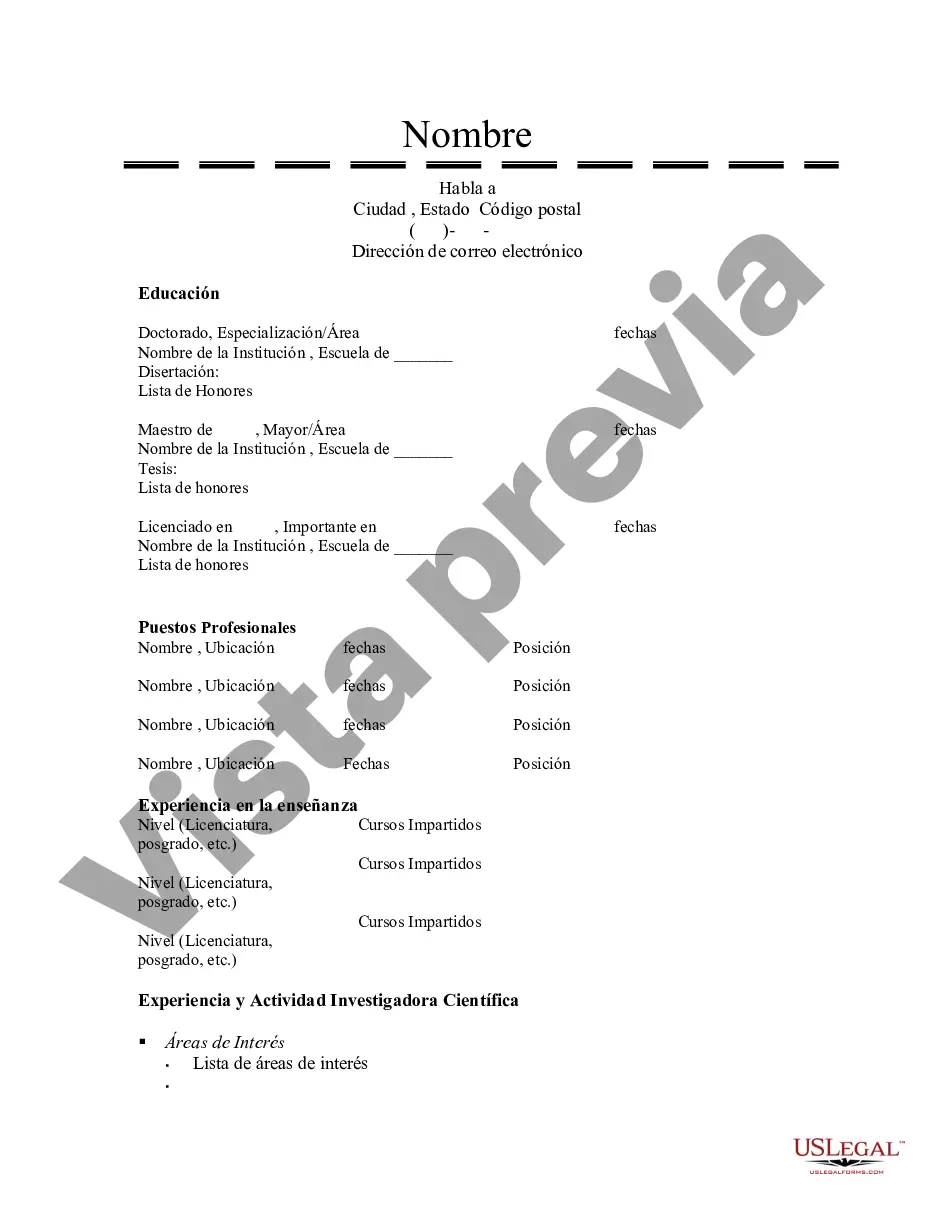
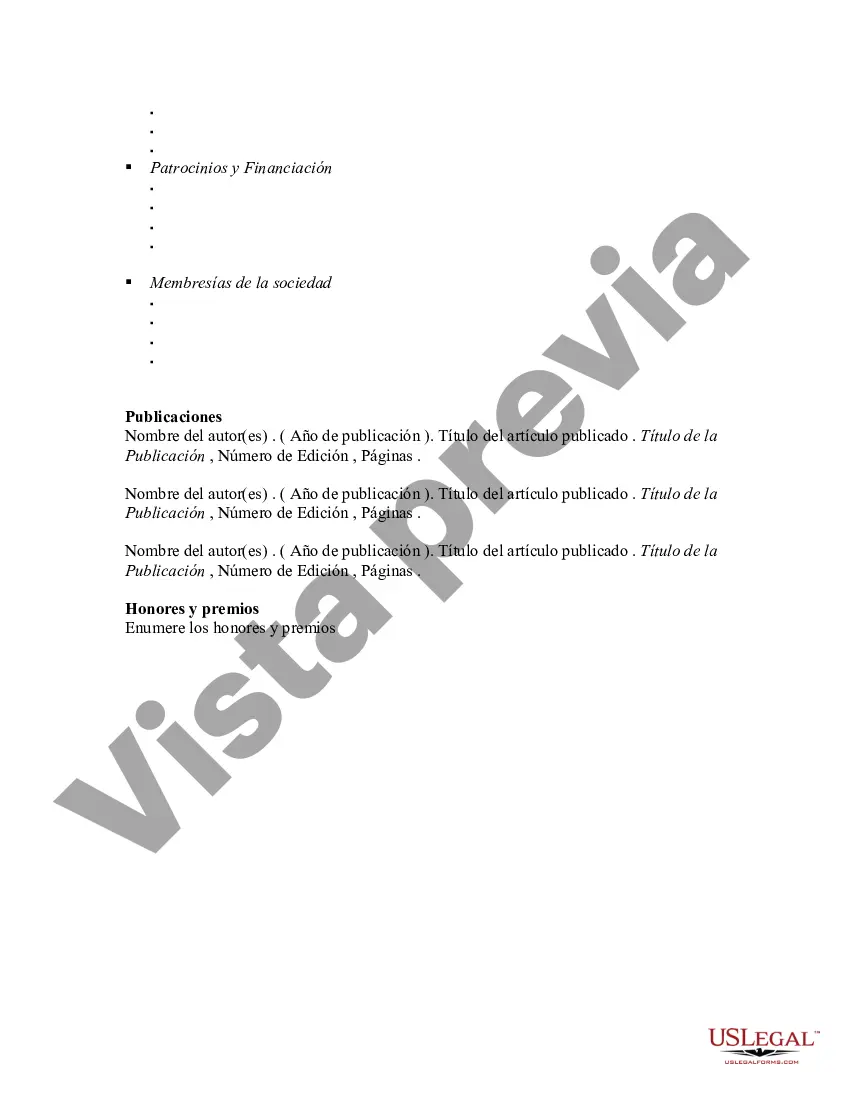
This is a sample of a resume, which should be used when seeking a position as a zoologist.
Para su conveniencia, debajo del texto en español le brindamos la versión completa de este formulario en inglés.
For your convenience, the complete English version of this form is attached below the Spanish version.
You bet! Zoology has many branches, like marine biology, wildlife conservation, or animal behavior. Specializing can help you find a niche that you're passionate about.
Internships are a stepping stone! They provide practical experience and can sometimes lead to job offers. Plus, they help you build relationships in the field.
It's crucial! Building connections can help you hear about job openings and get recommendations. Attend local events, lectures, and conservation meetings to meet like-minded folks.
Keep an eye on job boards, university websites, and organizations like the New England Aquarium or the Franklin Park Zoo. Networking in local conservation groups can also open doors.
Hands-on experience is gold! Internships, volunteer work at animal shelters, wildlife rehabilitation centers, or even research assistant positions can really boost your resume.
Absolutely! Critical thinking, strong analytical skills, attention to detail, and good communication abilities are key for a successful career in zoology.
To become a zoologist in Boston, you'll typically need a bachelor's degree in zoology, biology, or a related field. Many positions, especially research roles, require a master's or even a doctorate.
Trusted and secure by over 3 million people of the world’s leading companies