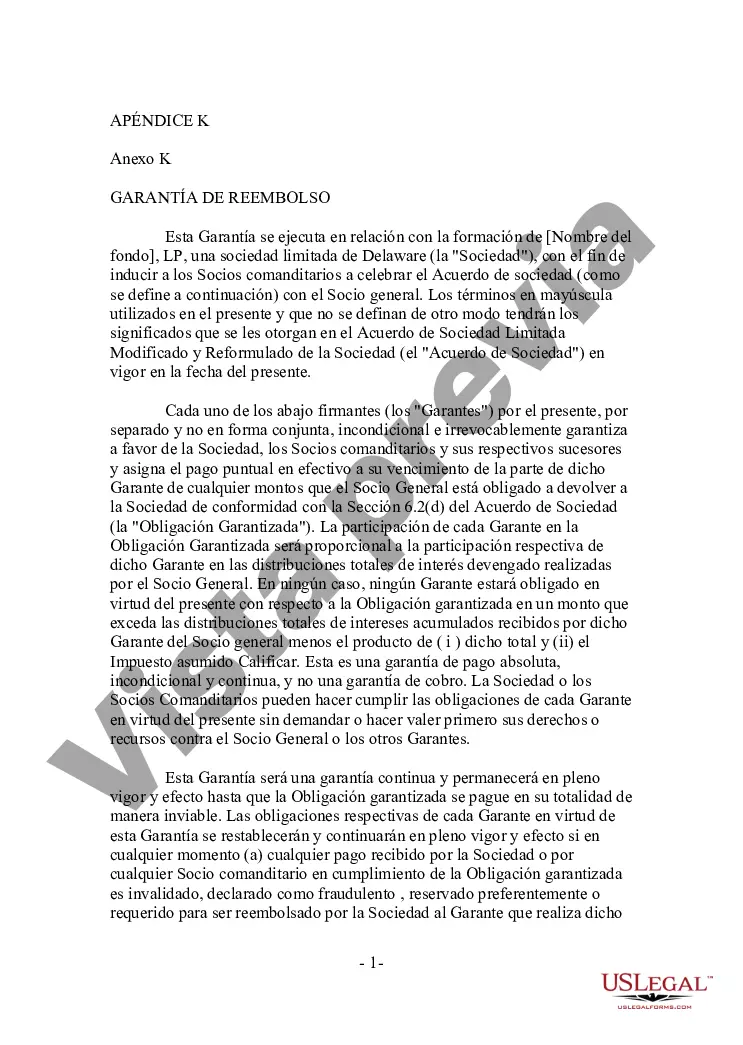
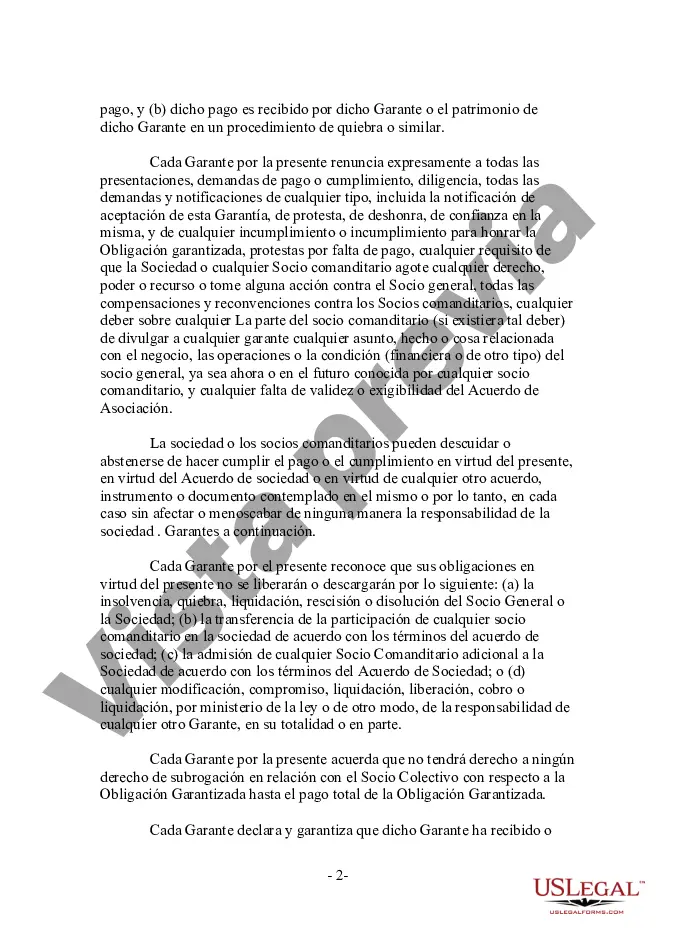
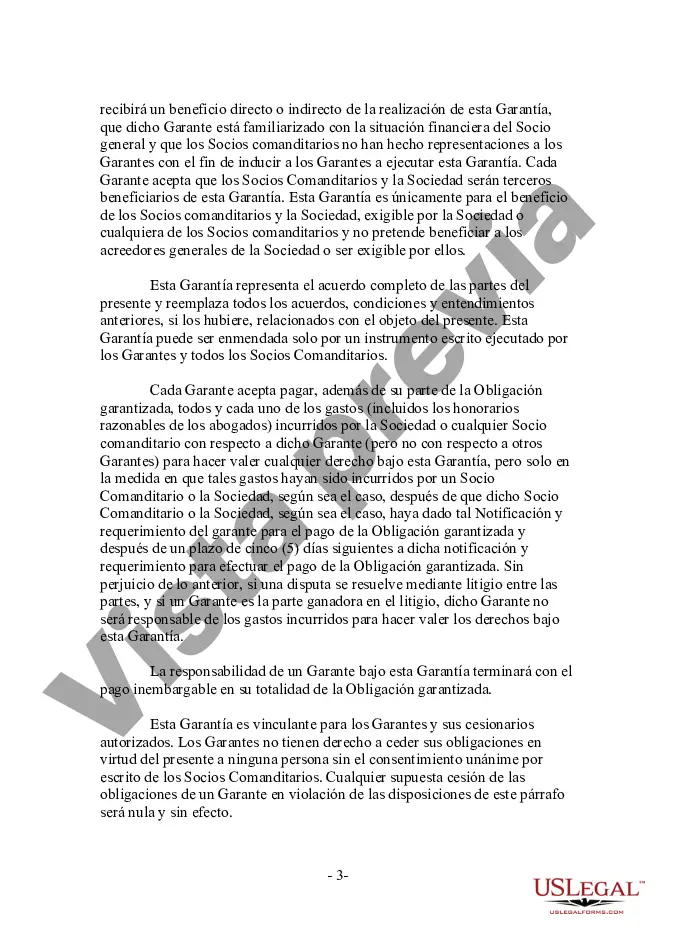
Fondos de capital privado: estructura y operaciones comerciales, por James M. Schell
Para su conveniencia, debajo del texto en español le brindamos la versión completa de este formulario en inglés.
For your convenience, the complete English version of this form is attached below the Spanish version.
Yes, local economic conditions can play a role in how clawback guaranties are structured. If the economy is shaky, cities may be more careful about how incentives are granted. It's a bit like reading the tea leaves when making promises!
Omaha has procedures in place to monitor business performances. If they notice a failure to meet the agreed terms, they can take steps to reclaim the incentives. It's all about keeping the lines of communication open.
Yes, businesses can often negotiate terms based on their specific circumstances. It’s important for them to clearly understand what's expected to avoid any surprise visits from the clawback clause.
Absolutely! Many cities across the country use clawback provisions to make sure businesses contribute to the local economy as they promised. It's a common practice to keep everyone in check.
If a business falls short of its promises, the city can reclaim the incentives it provided. Think of it as a way to hold businesses accountable for their part of the deal.
Mainly, it helps the city ensure that businesses live up to their promises, but it also protects taxpayers by making sure that incentives are used wisely and responsibly.
The clawback guaranty is a safety net for the city that allows for the recovery of financial incentives if certain conditions aren't met by a business. It's like having a back-up plan in case things don't go as expected.
Trusted and secure by over 3 million people of the world’s leading companies