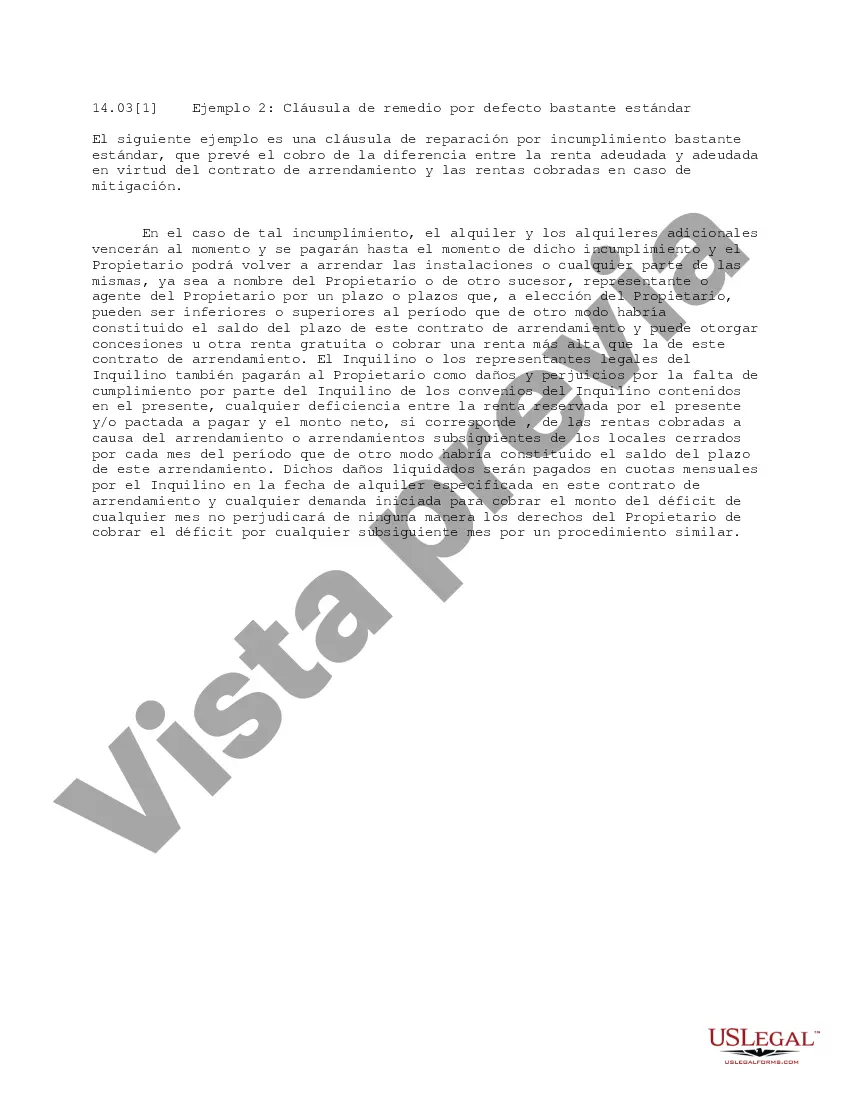
Negociación y Redacción de Arrendamientos de Oficinas
Para su conveniencia, debajo del texto en español le brindamos la versión completa de este formulario en inglés.
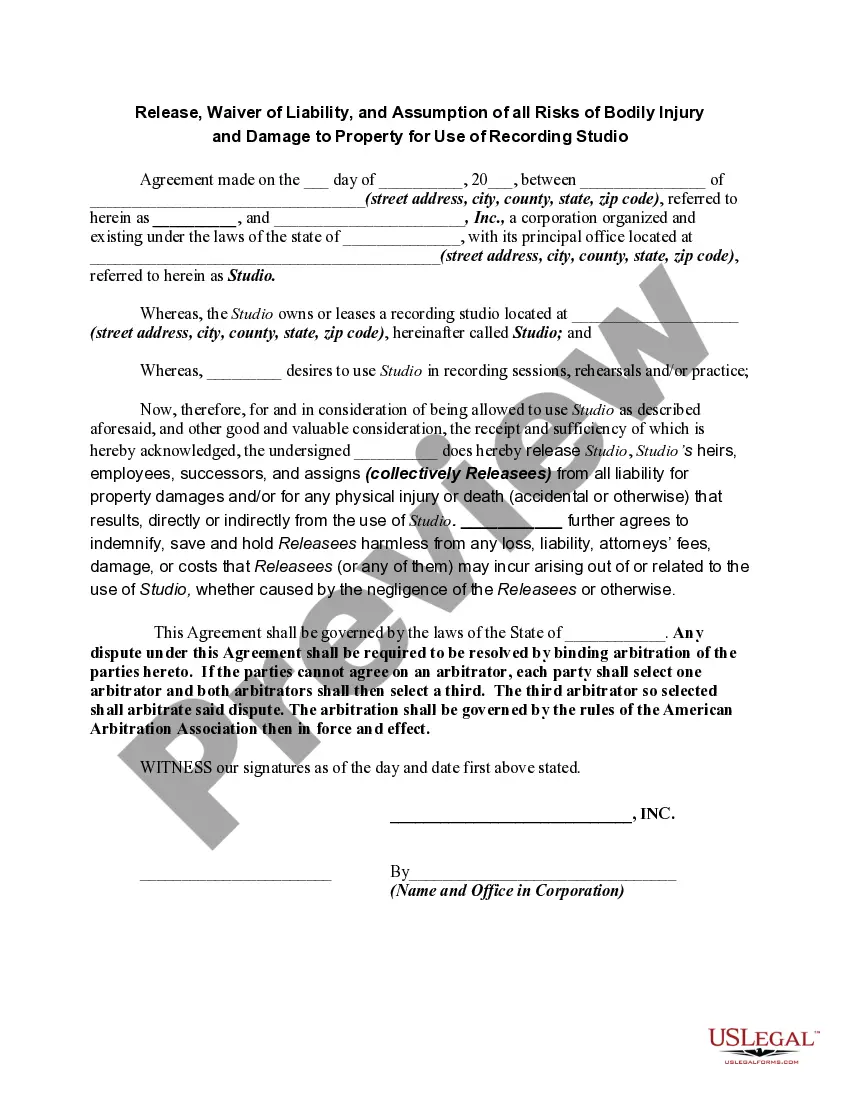
For your convenience, the complete English version of this form is attached below the Spanish version.
Without a Default Remedy Clause, things can get a bit messy if someone defaults. You may find yourself in hot water trying to resolve the issue without a clear guideline.
There aren’t strict legal requirements for Default Remedy Clauses, but they should be clear and fair to avoid confusion. It's wise to consult a legal expert to make sure everything is above board.
If one party defaults, the Default Remedy Clause kicks in, outlining the steps to take. Think of it as the rules of the game if someone misses their shot.
Absolutely! Just like any part of a contract, a Default Remedy Clause can be talked over and adjusted to fit both parties' needs. It’s all about finding common ground.
Typical remedies might include things like financial compensation, the option to cancel the contract, or requiring the other party to correct the issue. It’s all about finding a fair way to address the situation.
Having a Default Remedy Clause is like having an insurance policy for your contract. It protects your interests and makes sure there's a way to fix the problem if something goes wrong.
A Default Remedy Clause is a part of a contract that explains what happens if one party doesn't hold up their end of the deal. It's like having a backup plan in case things go sideways.
Trusted and secure by over 3 million people of the world’s leading companies