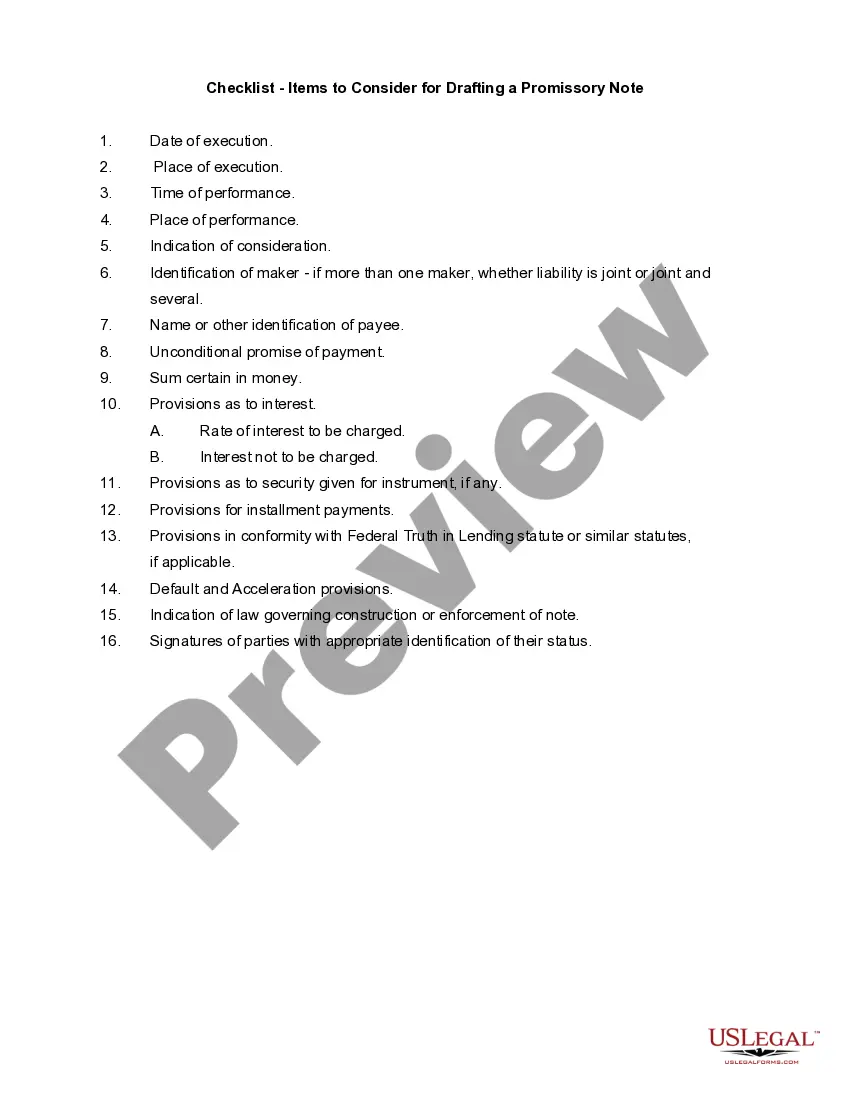
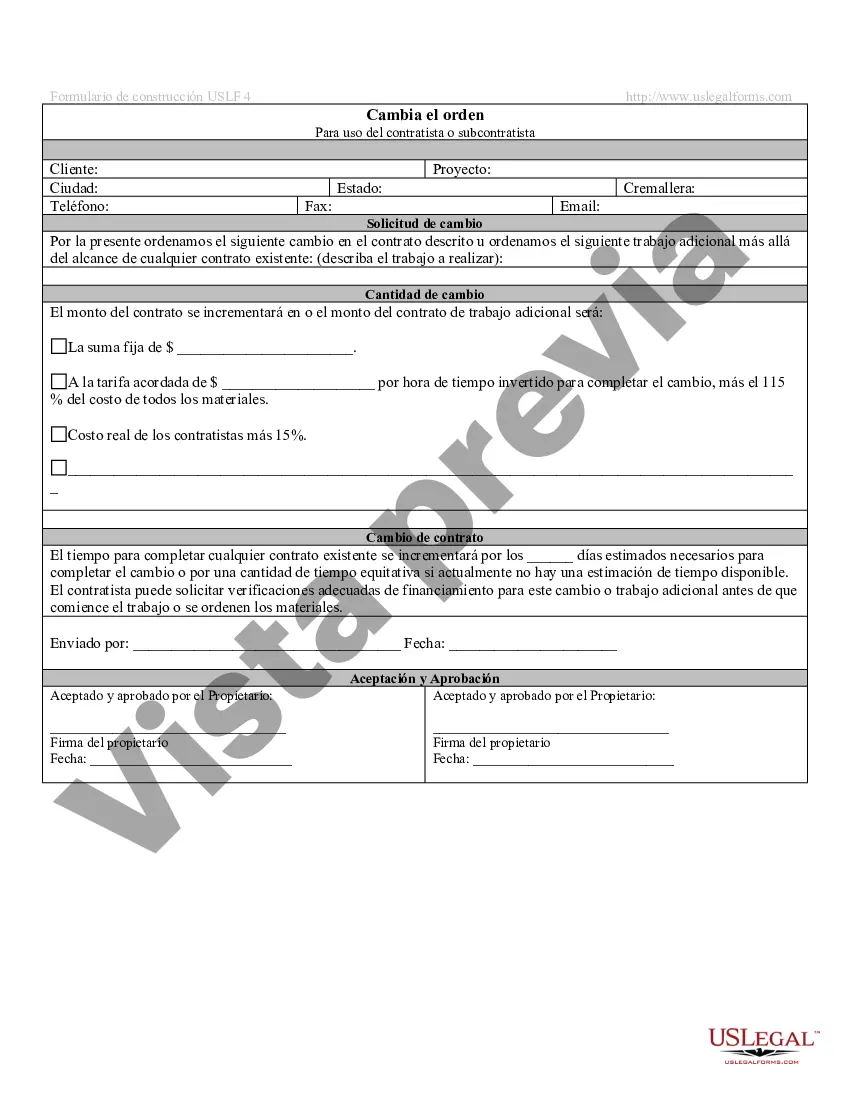
cambiar ordenes
Para su conveniencia, debajo del texto en español le brindamos la versión completa de este formulario en inglés.
For your convenience, the complete English version of this form is attached below the Spanish version.
Absolutely! Change Orders can sometimes be negotiated. If you feel something is unfair or needs tweaking, don’t be shy—have that conversation with your contractor.
Yes, they could slow things down, depending on the nature of the changes. Whenever changes are made, it’s important to chat with your contractor about how it might affect the overall schedule.
Sure thing! If a Change Order isn't necessary or you don't agree with it, you can decline. Just be cautious, as it might affect your project. Communication is key here.
The contractor prepares the Change Order, highlighting what’s changing, the reason behind it, and any impacts it may have on the timeline or work. Once both parties agree, it's signed, sealed, and delivered!
Typically, the contractor submits the Change Order, but homeowners can also request it if they want to make changes to the project. It's all about keeping everyone on the same page.
You'll need a Change Order when unexpected surprises pop up during construction, like discovering a structural issue or wanting to make a design change. It's the official way to document those changes.
A Change Order is basically a formal way to change the original agreement you had with your contractor. It happens when something needs to be added, removed, or adjusted in the work being done.
Trusted and secure by over 3 million people of the world’s leading companies
Cincinnati Ohio Orden de Cambio por Contratista - Forma Alternativa