Staying communicative and understanding expectations can go a long way. If you’re ever in doubt, ask for clarification to stay on the right track.
Some workplaces have an appeal process for warnings, so check your company’s policy, and don’t hesitate to raise your concerns if necessary.
If you feel the verbal warning isn't fair, can you talk it over with your supervisor or HR? It's always good to clear the air and express your side.
Generally, a verbal warning is considered a light touch and may not go on your permanent record, but it can be noted for future reference.
Typically, signing the form indicates that you've received the warning, but it doesn't mean you agree with it. It's more like acknowledging the discussion.
You usually receive a verbal warning when there’s a minor issue or violation that needs correcting, but it’s not serious enough for harsher penalties.
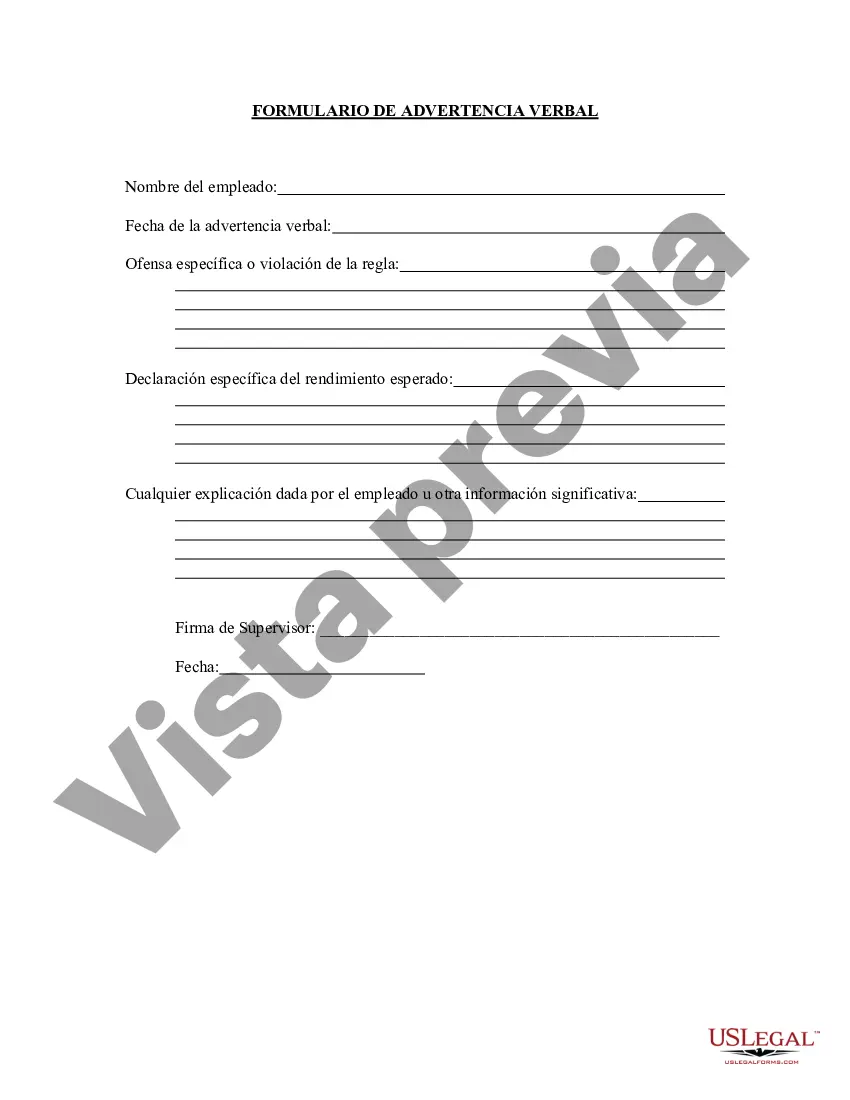
The verbal warning form is used to officially document a conversation where a warning is given, helping to keep track of issues that may need addressing in the future.
Trusted and secure by over 3 million people of the world’s leading companies