Source code is the list of human readable instructions that a programmer writes when developing a program. The source code is run through a compler to turn it into machine code, also called object code that a computer can unerstand and execute.
Para su conveniencia, debajo del texto en español le brindamos la versión completa de este formulario en inglés.
For your convenience, the complete English version of this form is attached below the Spanish version.
If the vendor won’t provide the updated code, it can lead to some tangled situations. However, the terms of the escrow agreement should outline what happens next, often giving the client a way to seek a resolution through the escrow agent.
It's a good idea to update the source code regularly, especially after major changes or updates. Think of it like watering a plant; regular maintenance keeps it healthy and viable.
Absolutely! The escrow agent keeps the source code confidential. It’s all about trust, and the agent is there to ensure no one else gets access to it until the right moment.
Conditions for release can vary, but common ones include the vendor going out of business or failing to support the software. These triggers help the client get access to the code when they really need it.
Setting up an escrow is pretty straightforward. The vendor submits their source code to a trusted third party, the escrow agent, who holds onto it until certain terms are met. It's like putting a valuable item in a safe.
Using an escrow agreement gives peace of mind. It ensures that if something goes wrong with the vendor, like bankruptcy, the client can access the source code they need to keep things running smoothly.
It's like a safety deposit box for software. The source code is kept safe in escrow, waiting for certain conditions to be met before it's released. It protects both the vendor and the client.
Trusted and secure by over 3 million people of the world’s leading companies
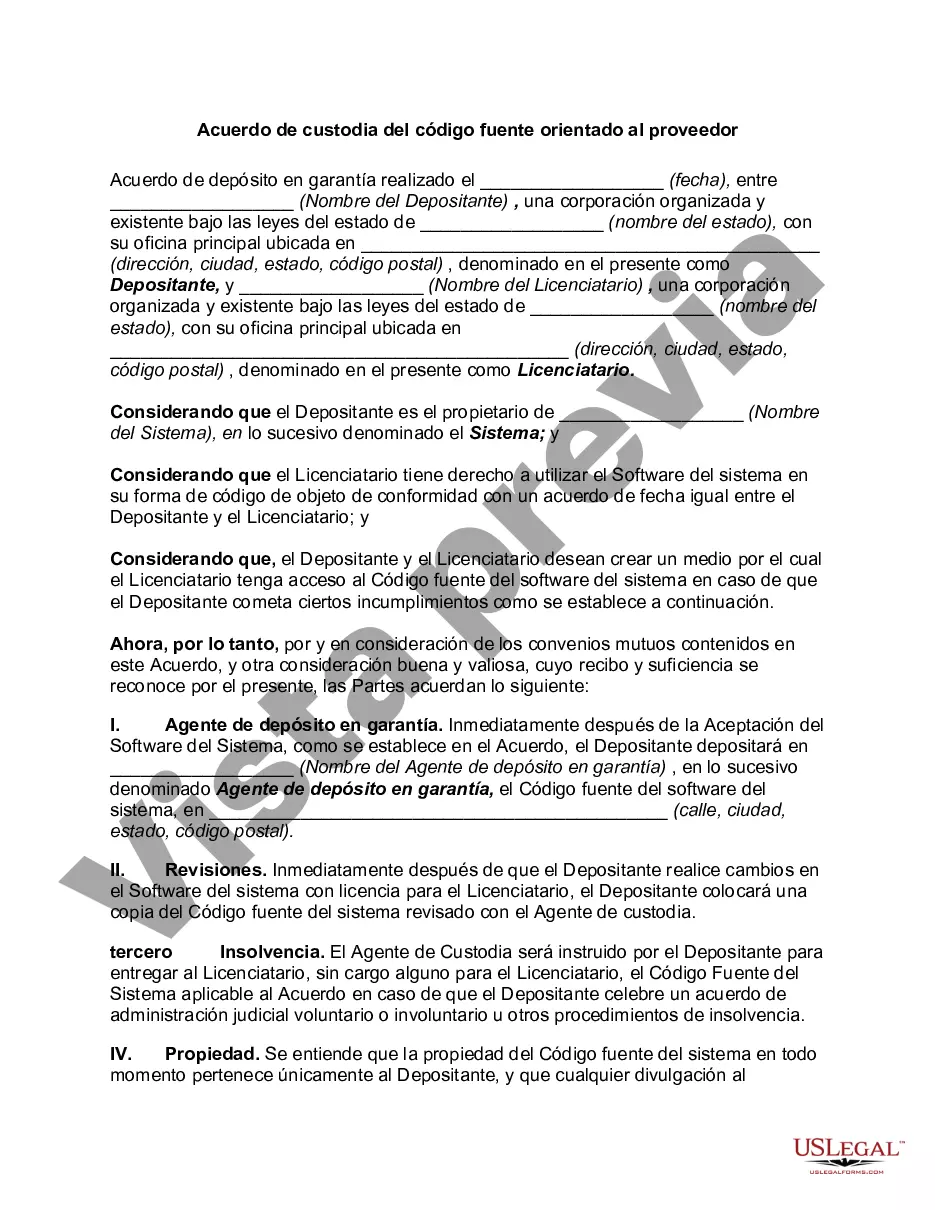
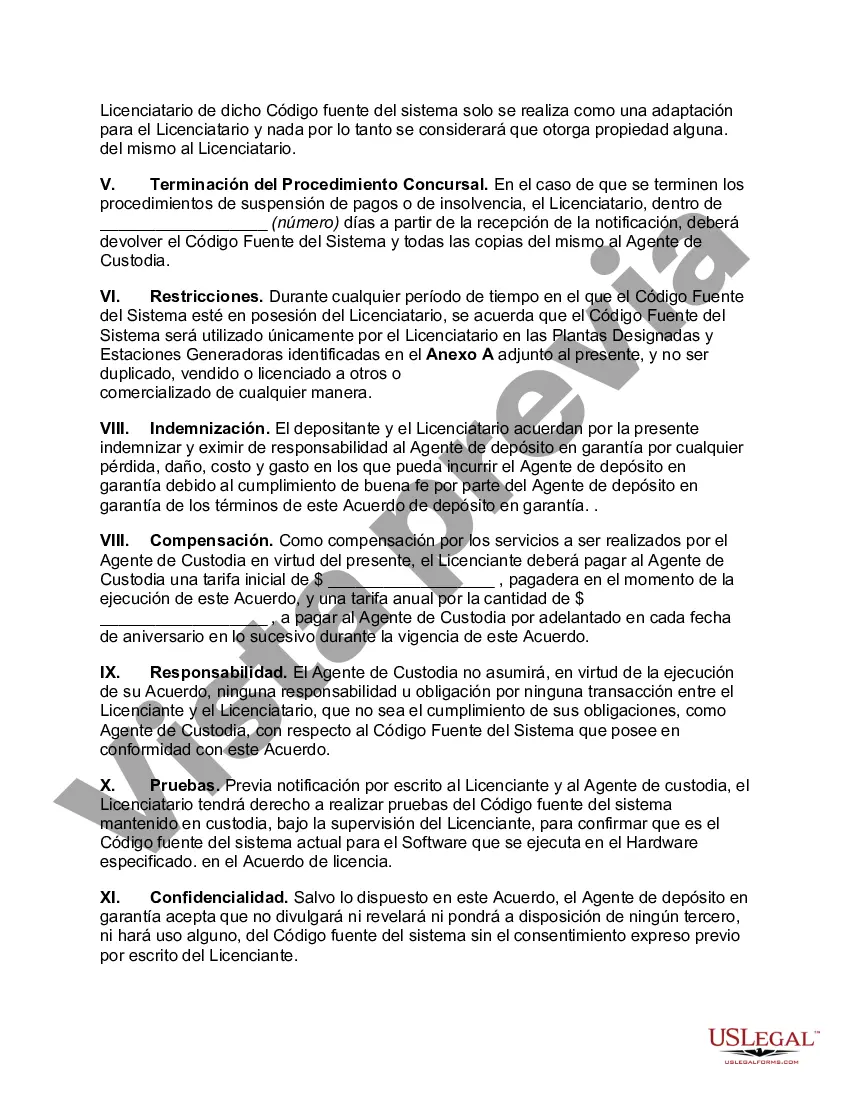
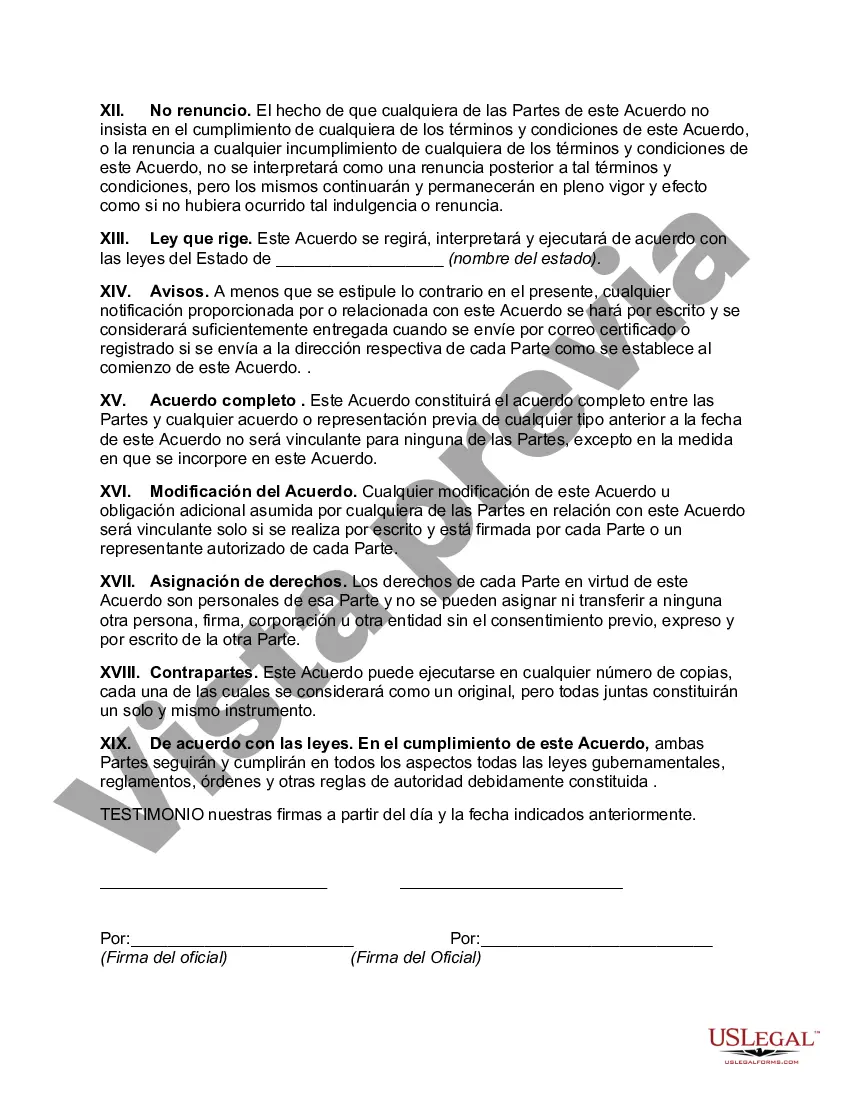
Seattle Washington Acuerdo de custodia del código fuente orientado al proveedor