If your rent goes up and you can't manage it, you could consider negotiating with your landlord, looking for a roommate, or checking if there are more affordable housing options nearby.
North Carolina does not have state laws that limit rent increases, but abusive or discriminatory practices are not allowed. It is worth checking local ordinances for tenant protections.
If your landlord doesn't respond, you might want to follow up with a conversation. If that doesn’t work, you could consider seeking help from local tenant organizations.
Yes, usually you have a limited time to respond after receiving the notice. It’s best to check your lease and state law to know the exact window.
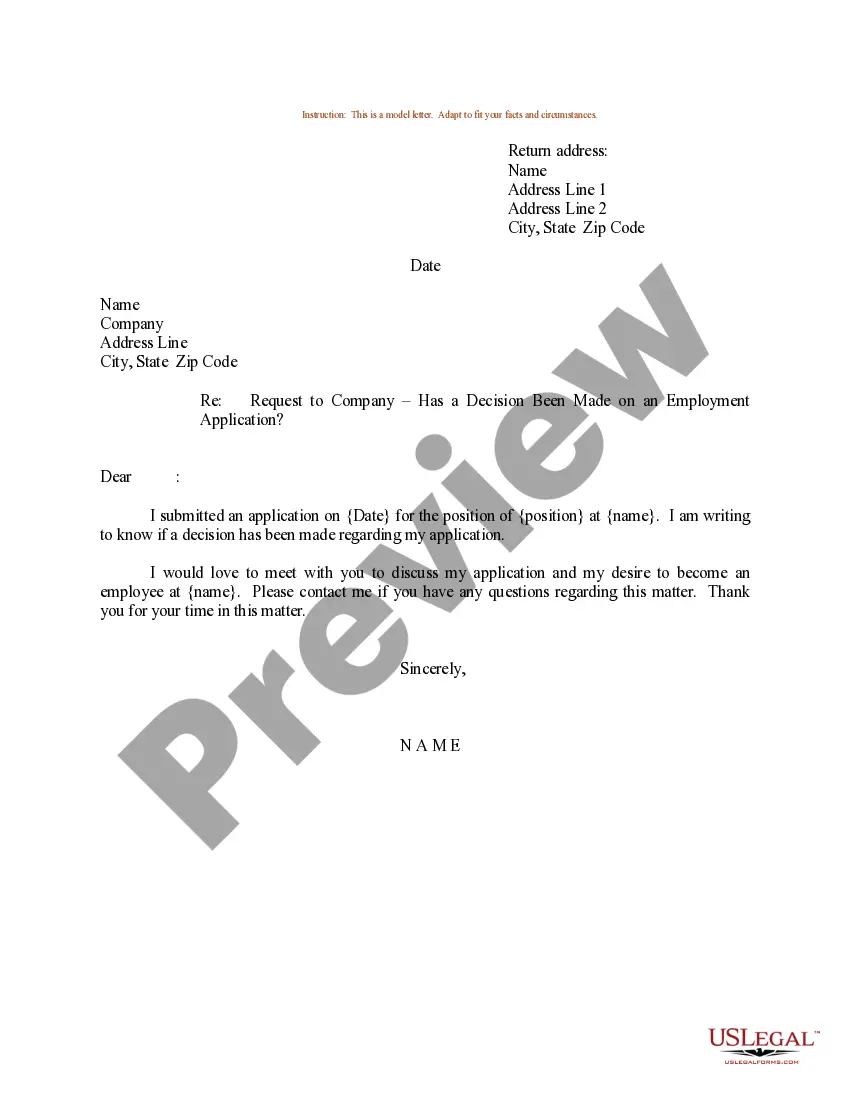
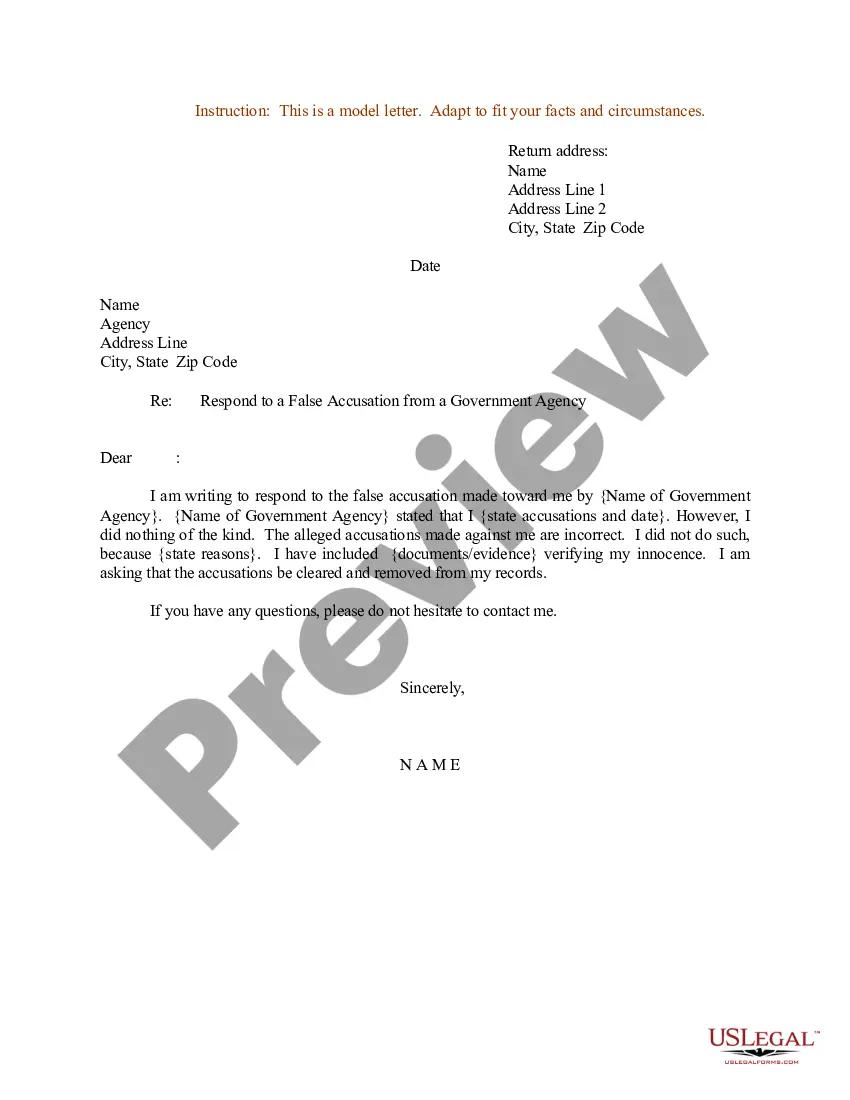
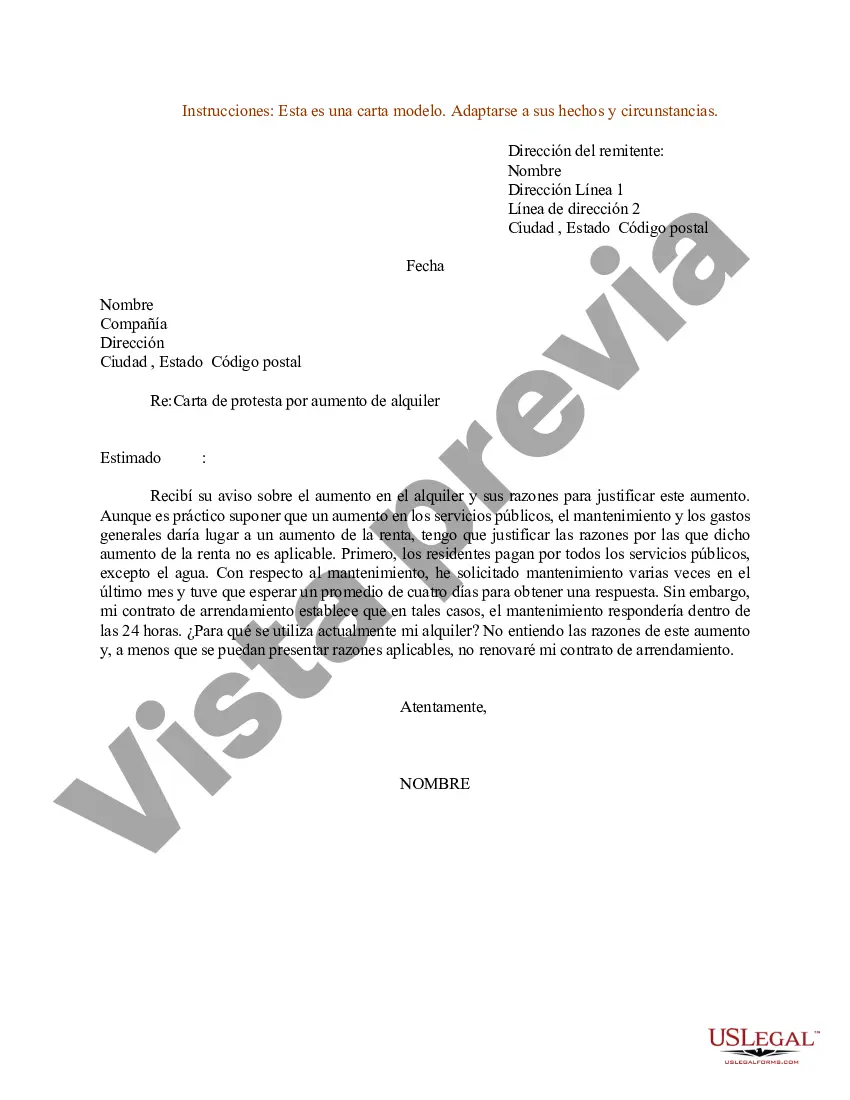
Make sure to include your address, the date, and details about the rent increase. Share your reasons for opposing it, like financial hardships or comparing it to local market rates.
You can write a protest letter to your landlord explaining your situation and why you think the increase is unfair. It's also good to gather support from neighbors who feel the same way.
If you don’t hear back, it might be time for a follow-up. You can also consider reaching out to local tenant associations for support or advice on what steps to take next.
Trusted and secure by over 3 million people of the world’s leading companies
Charlotte North Carolina Ejemplo de carta de protesta por aumento de alquiler