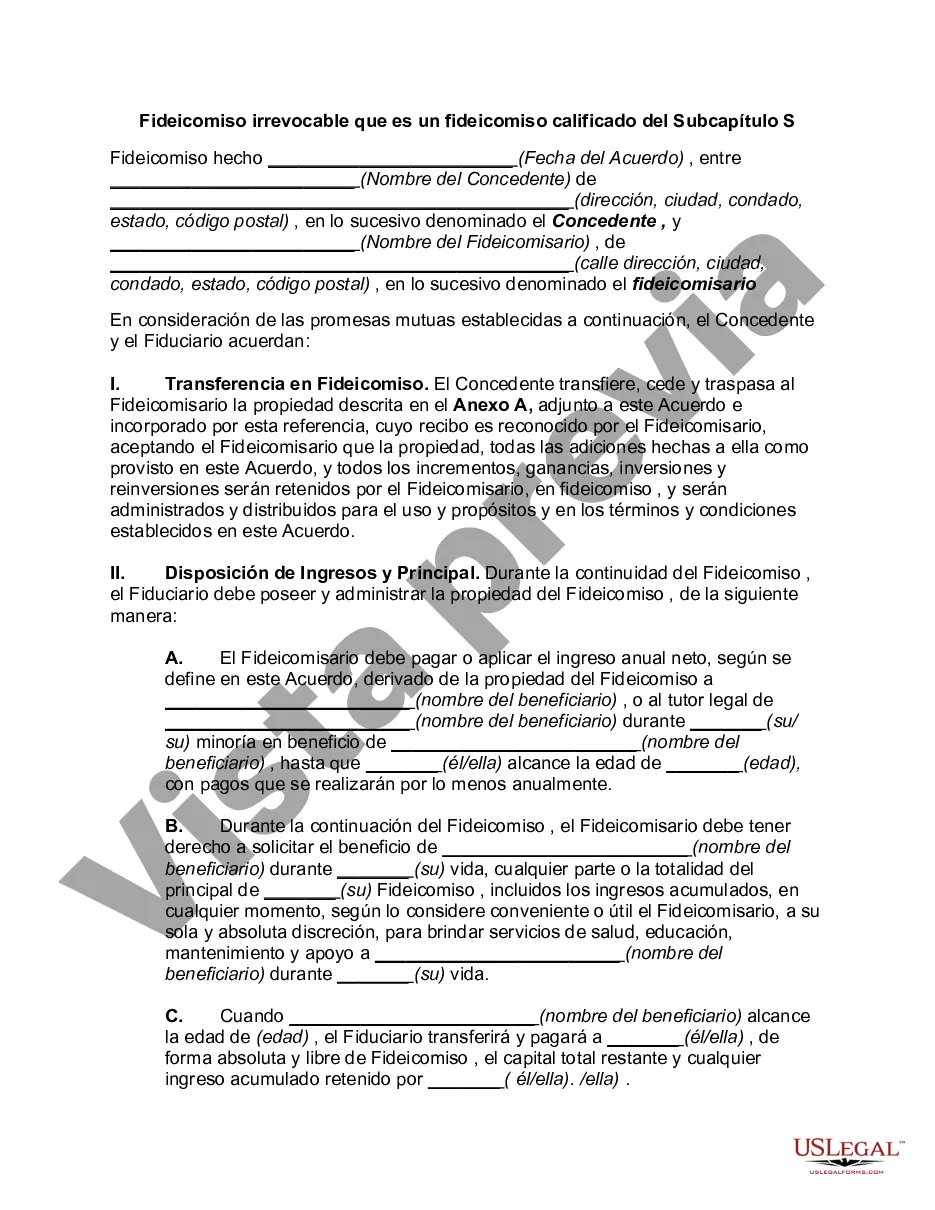
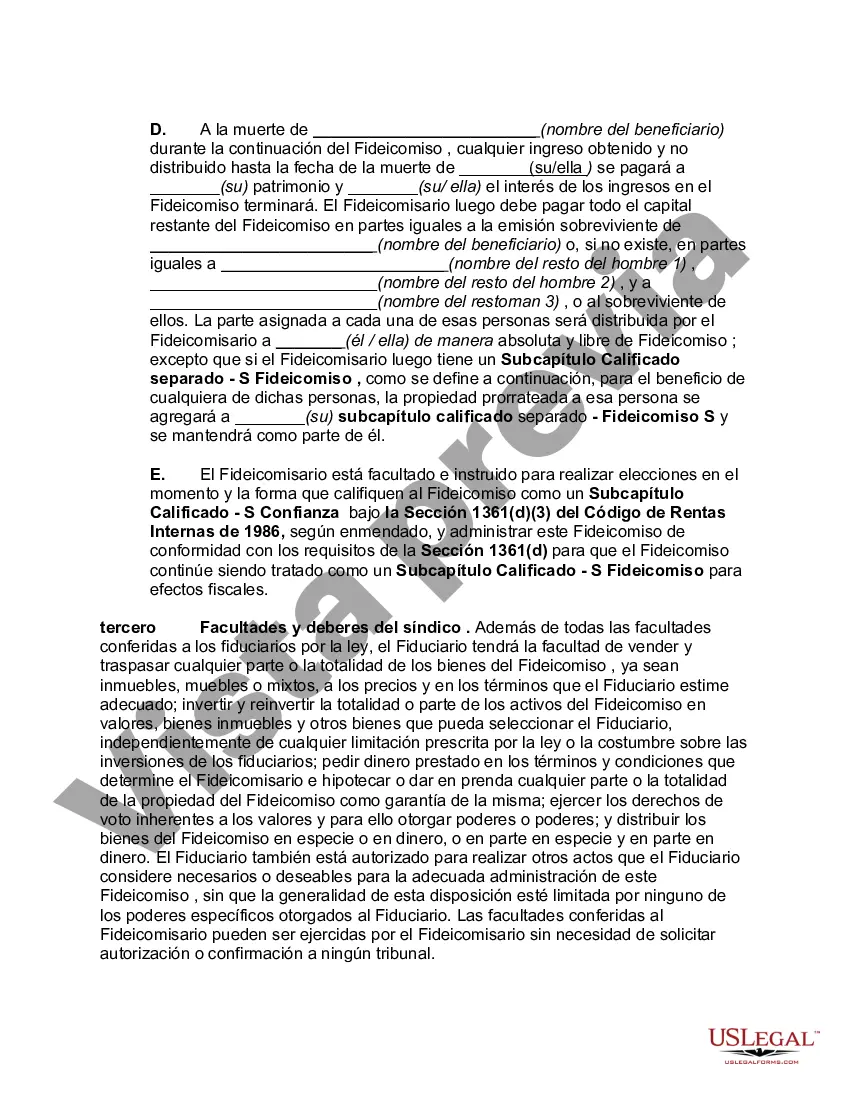
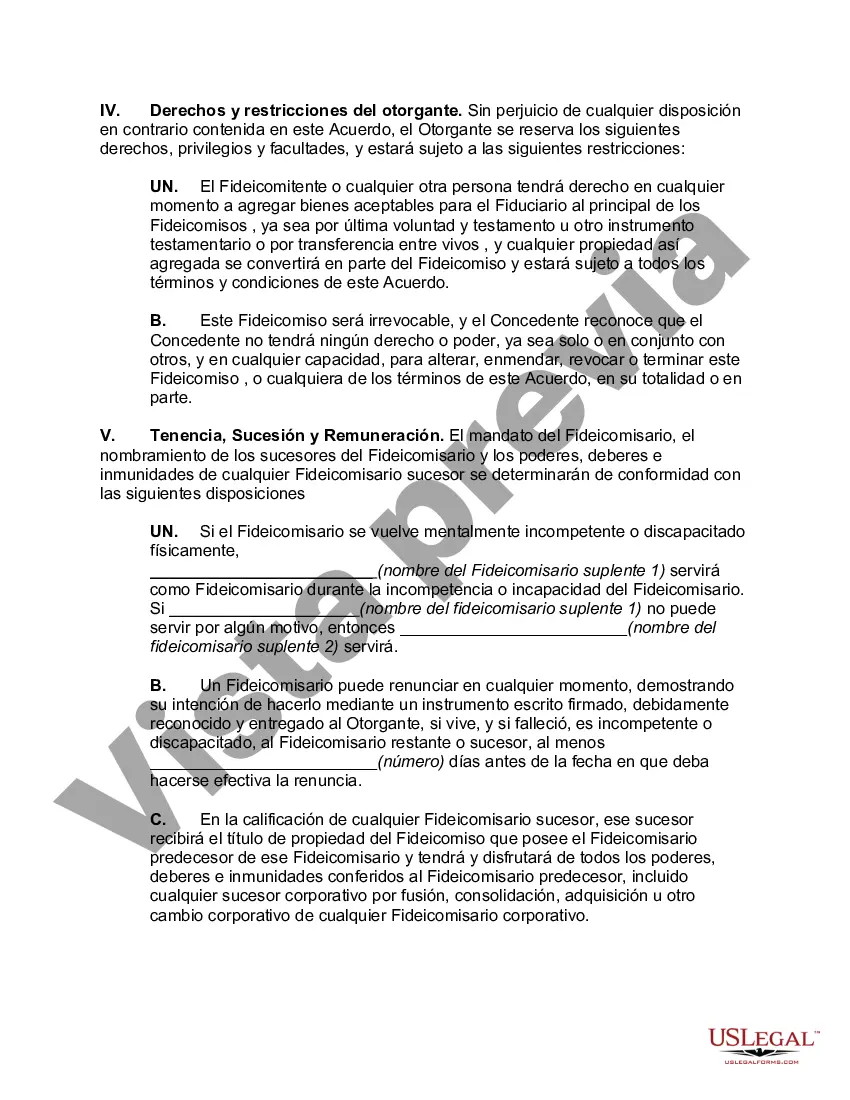
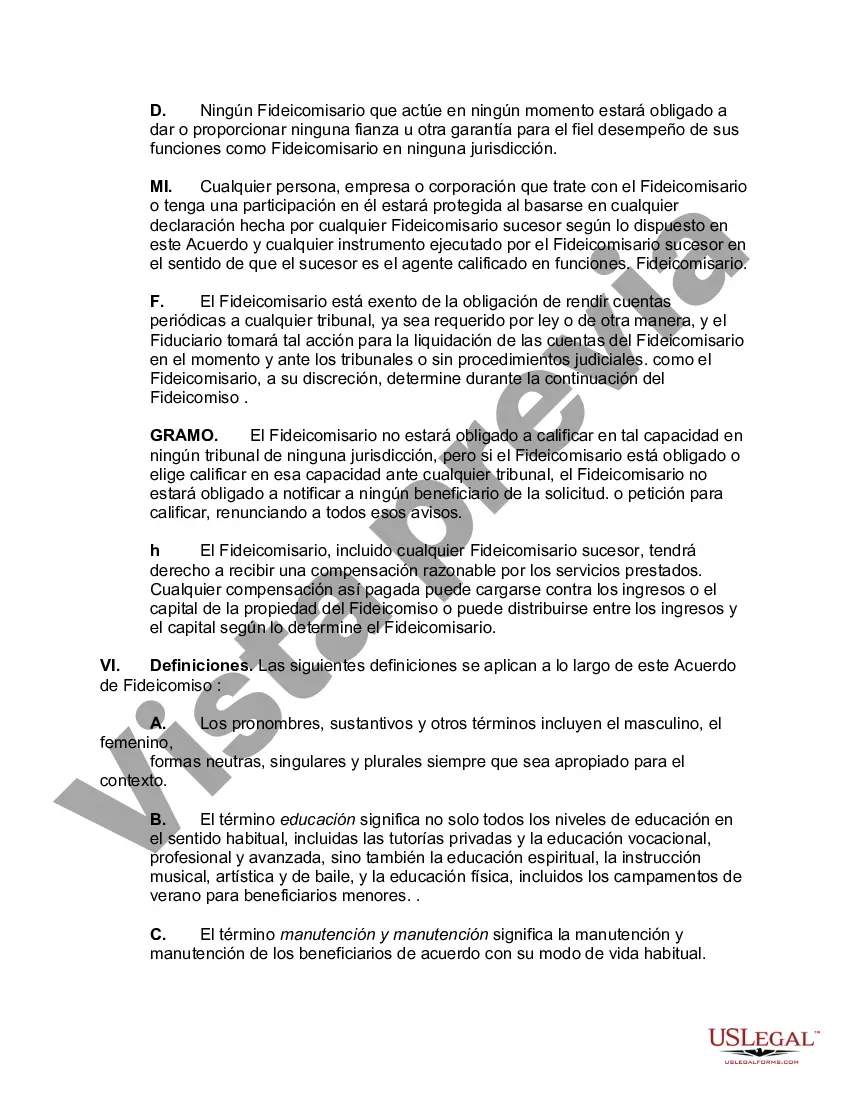
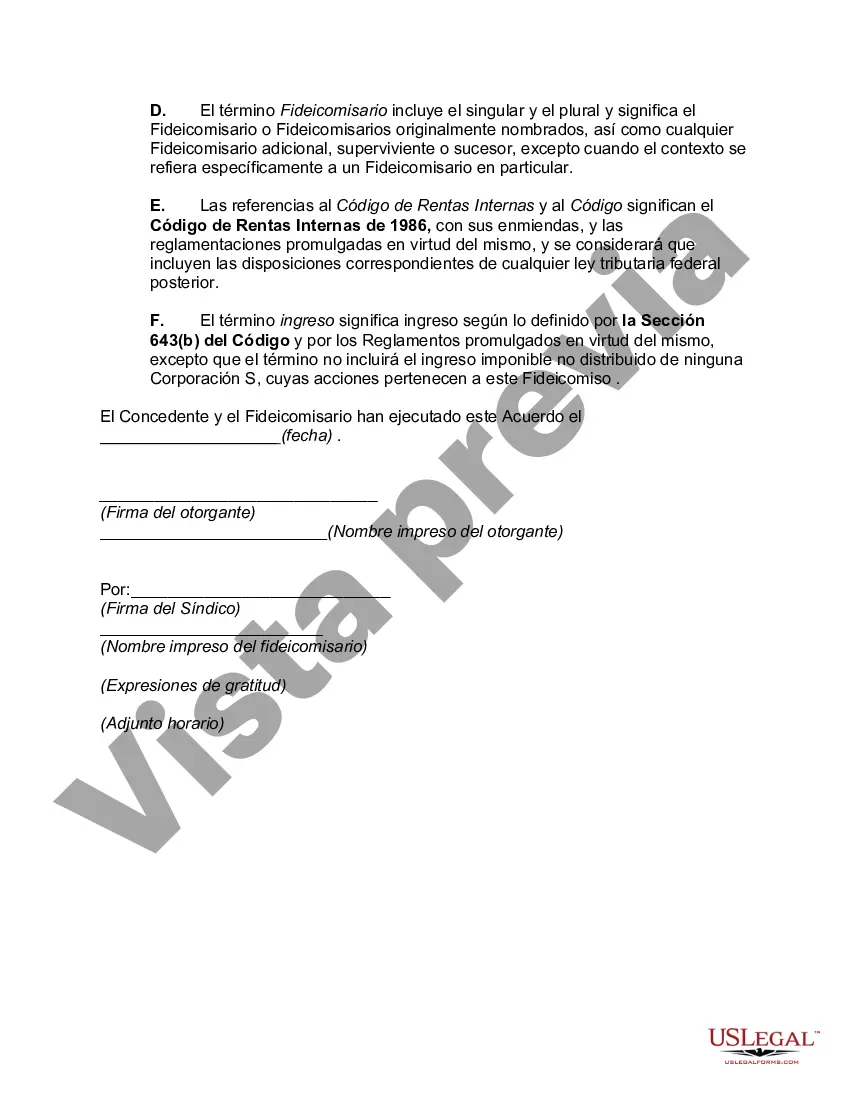
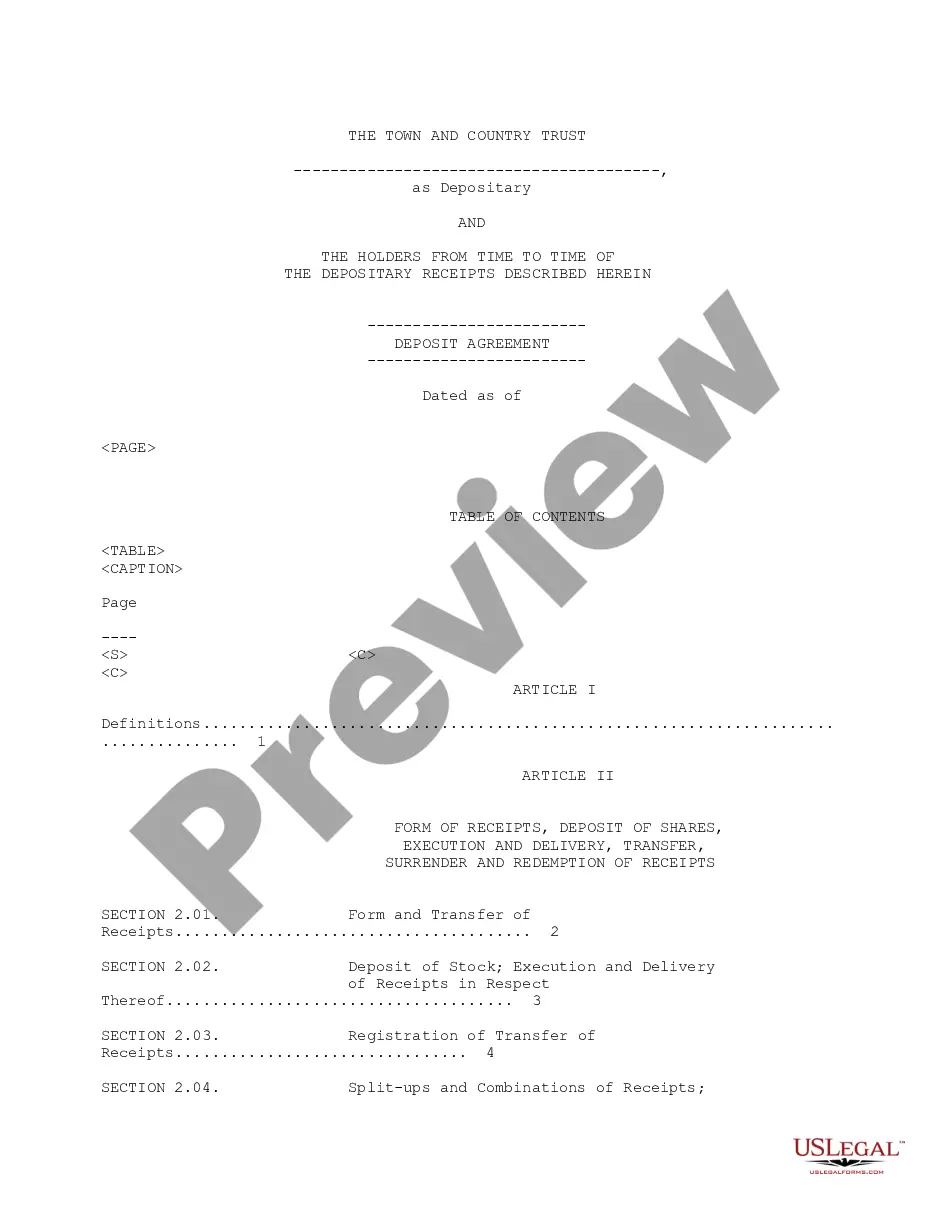
Fideicomiso irrevocable que es un fideicomiso calificado del...
Minneapolis Minnesota Fideicomiso irrevocable que es un fideicomiso calificado del Subcapítulo S - Irrevocable Trust which is a Qualifying Subchapter-S Trust
An irrevocable trust is a trust that cannot be modified or terminated without the permission of the beneficiary. In most states, a trust will be deemed irrevocable unless the grantor specifies otherwise. Once the grantor has transferred assets into the tr
Para su conveniencia, debajo del texto en español le brindamos la versión completa de este formulario en inglés.
For your convenience, the complete English version of this form is attached below the Spanish version.
When the grantor takes their last bow, the trust continues to run; assets usually remain sheltered from taxes and are managed according to the trust's original direction.
Getting a QSST going typically involves working with an attorney who knows their way around trust law, putting together a solid plan, and making sure everything’s filed correctly.
Beneficiaries of a QSST can include individuals, like family members or friends; just remember, you want to pick folks who will benefit from the trust's assets without a hitch.
Once you set an Irrevocable Trust in stone, it's as firm as a cast, meaning you usually can’t alter the terms without jumping through some hoops.
A QSST allows you to enjoy the best of both worlds: keep your S corporation flowing while ensuring that income is distributed and taxed at the beneficiary's rate, which can be a real win.
Creating an Irrevocable Trust is like locking in a good-looking cookie jar; it keeps assets safe from being gobbled up by taxes, creditors, or unwanted hands.
A Qualifying Subchapter-S Trust, or QSST, is a special type of trust that helps married folks and families pass along their S corporation shares without getting tangled up in taxes.
Trusted and secure by over 3 million people of the world’s leading companies
Minneapolis Minnesota Fideicomiso irrevocable que es un fideicomiso calificado del Subcapítulo S