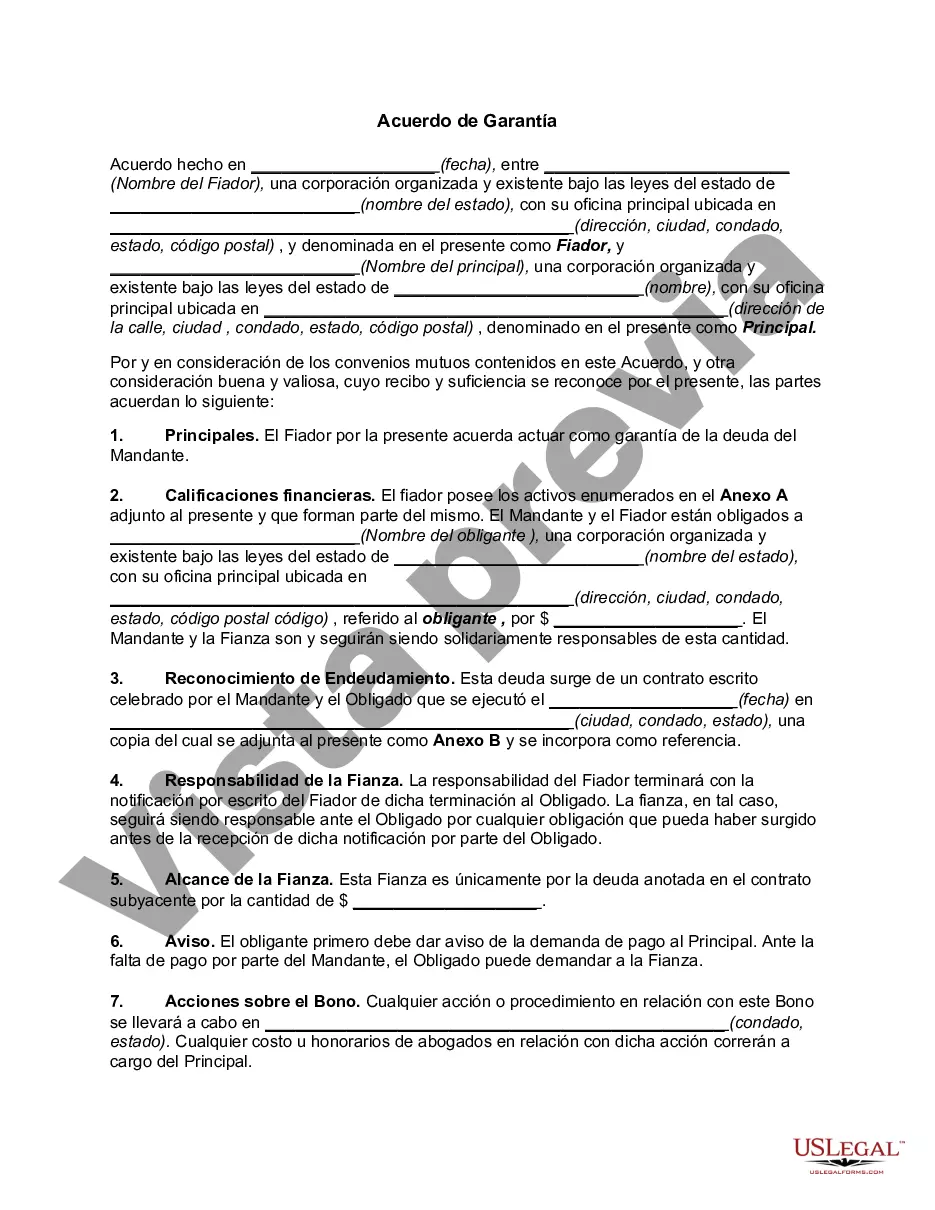
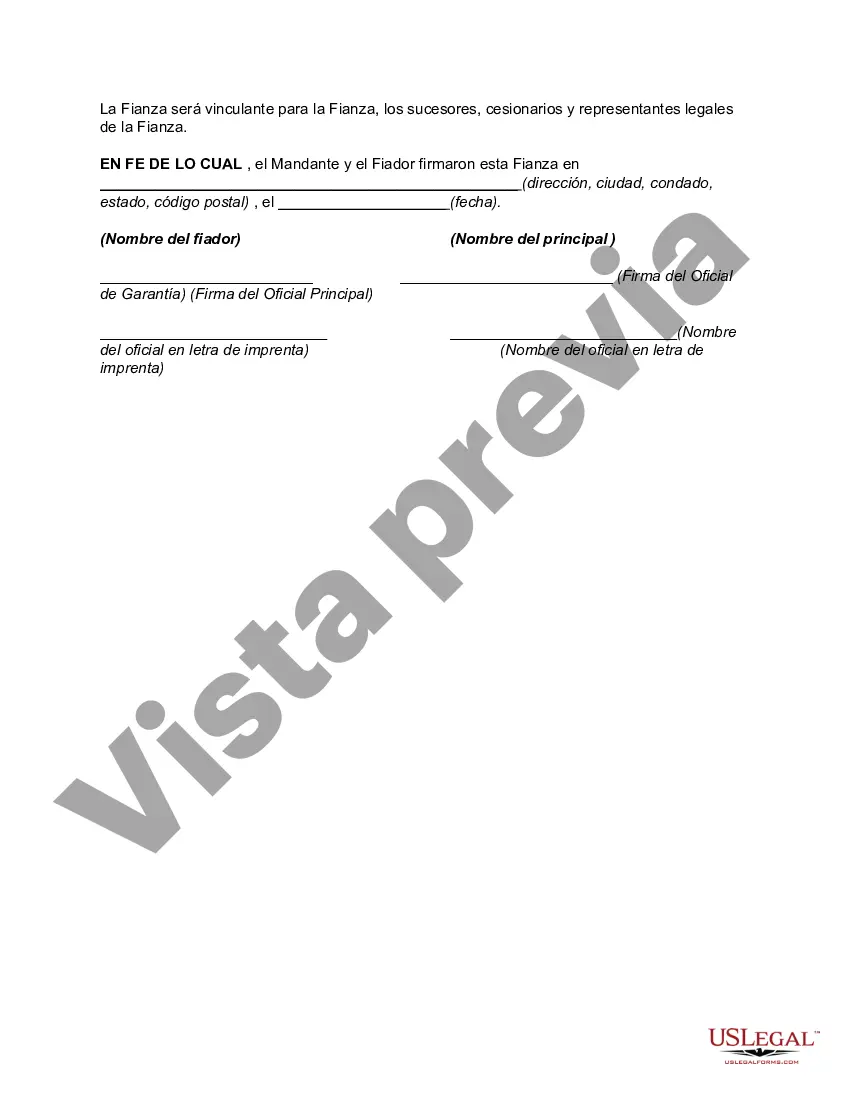
A surety is a person obligated by a contract under which one person agrees to pay a debt or perform a duty if the other person who is bound to pay the debt or perform the duty fails to do so. Usually, the party receiving the surety's performance will firs
Para su conveniencia, debajo del texto en español le brindamos la versión completa de este formulario en inglés.
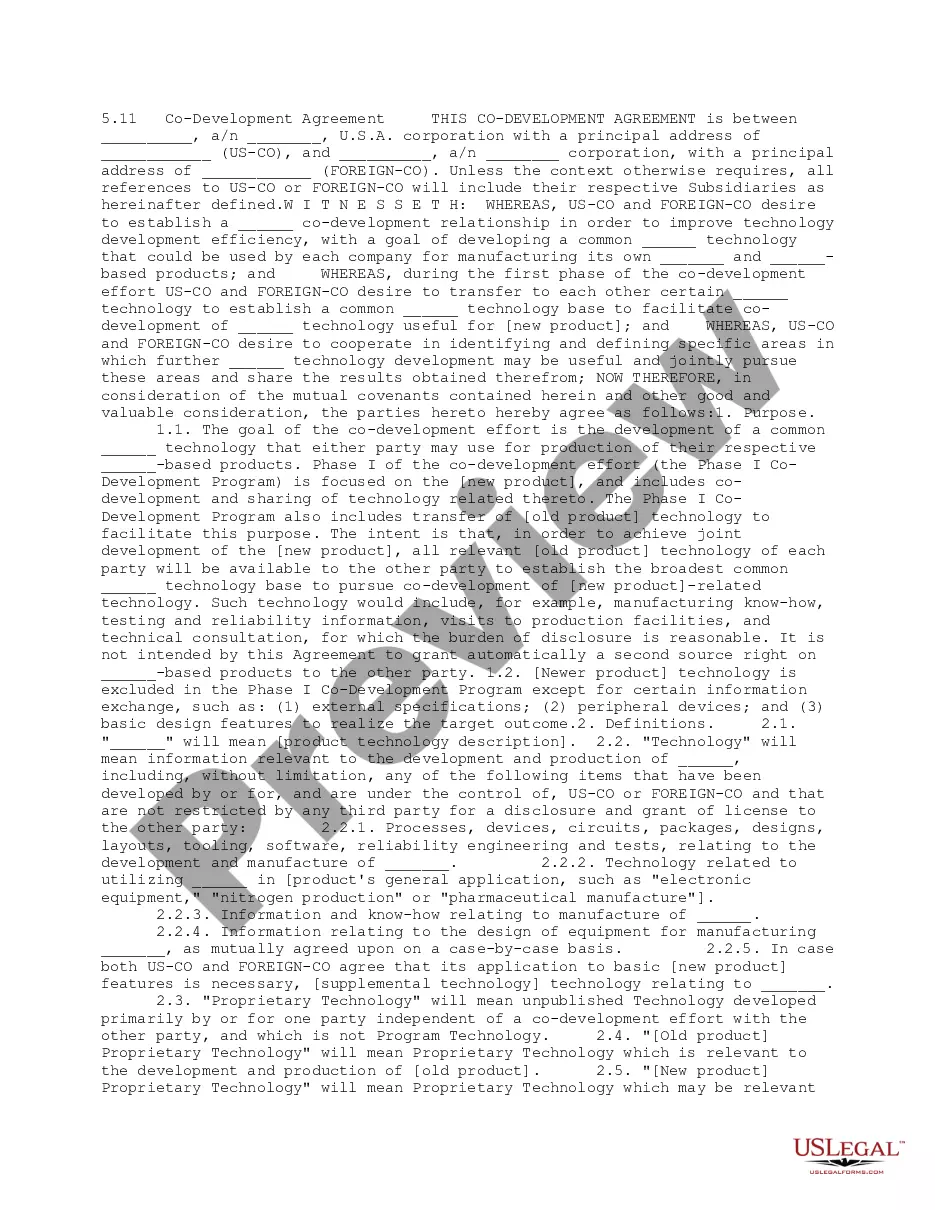
For your convenience, the complete English version of this form is attached below the Spanish version.
Generally, a surety bond lasts until the obligation it covers is fulfilled, sort of like putting it on the shelf until you’re completely done.
Not always, but for certain projects, especially in construction, they may be required by state or local laws to ensure that projects are completed properly.
If a claim is made, the surety investigates and decides if it’s valid. If it is, they’ll step in to cover the loss, often after seeking reimbursement from the party that defaulted.
Think of it as a promise. If the other party doesn’t hold up their end of the deal, the surety bond ensures that you're covered and can recover losses.
There are a few main types of surety bonds: bid bonds, performance bonds, and payment bonds. Each serves a different purpose, but they all aim to protect the interests involved.
Folks who are involved in contracts, like construction projects or loans, usually need a surety agreement to reassure the other party that everything will go according to plan.
Look for a reputable surety provider with a good track record; they should be reliable, have strong financial backing, and understand your specific needs like an old friend.
Trusted and secure by over 3 million people of the world’s leading companies