Yes, assets in a Blind Trust still need to be reported for tax purposes. The trustee will handle the tax filings, so while you might not have the fine details, the taxman still wants his due!
When the trustor passes away, the assets in the Blind Trust can be distributed according to the trust’s terms. It’s like a will, where the executor is limited to the instructions you left behind.
Generally, you can’t change your trust once it’s established; that’s part of the deal. However, you can set things up in a way that allows for changes in the future. It’s like locking a treasure chest; once it’s closed, the key isn’t easy to find.
One of the main perks is peace of mind. With a Blind Trust, you don’t have to worry about personal stakes clouding your judgment. It also adds a layer of privacy to your financial affairs, like having a secret vault that only trusted hands can access.
In Ohio, when you set up a Blind Trust, you put your assets into the trust and give a trustee full control over them. You don’t know what’s in the trust, helping to prevent any conflicts of interest. It’s a way to keep your affairs separate.
People in positions of power, like government officials or business leaders, often use Blind Trusts to avoid conflicts of interest. It’s a way to keep things above board and ensure decisions are made without personal bias.
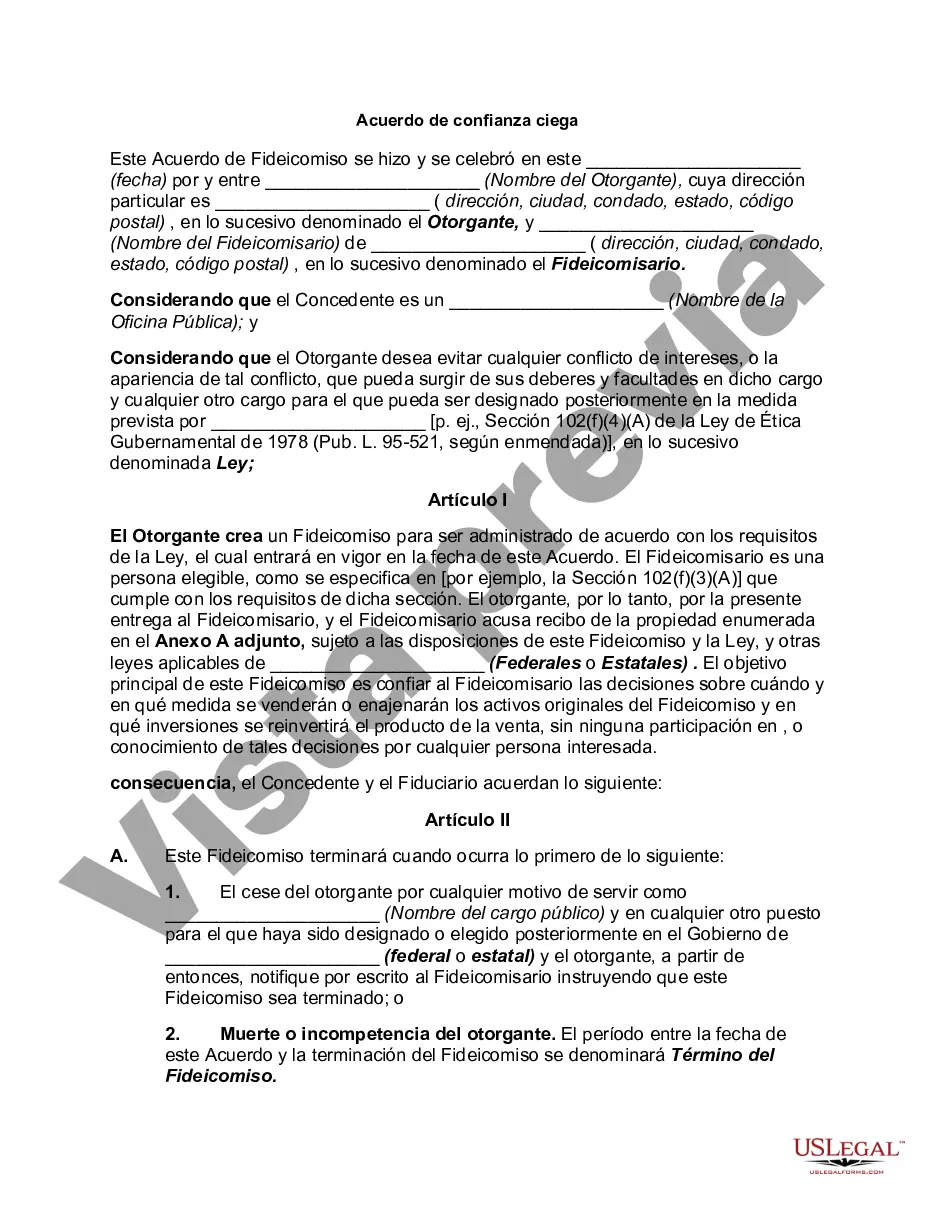
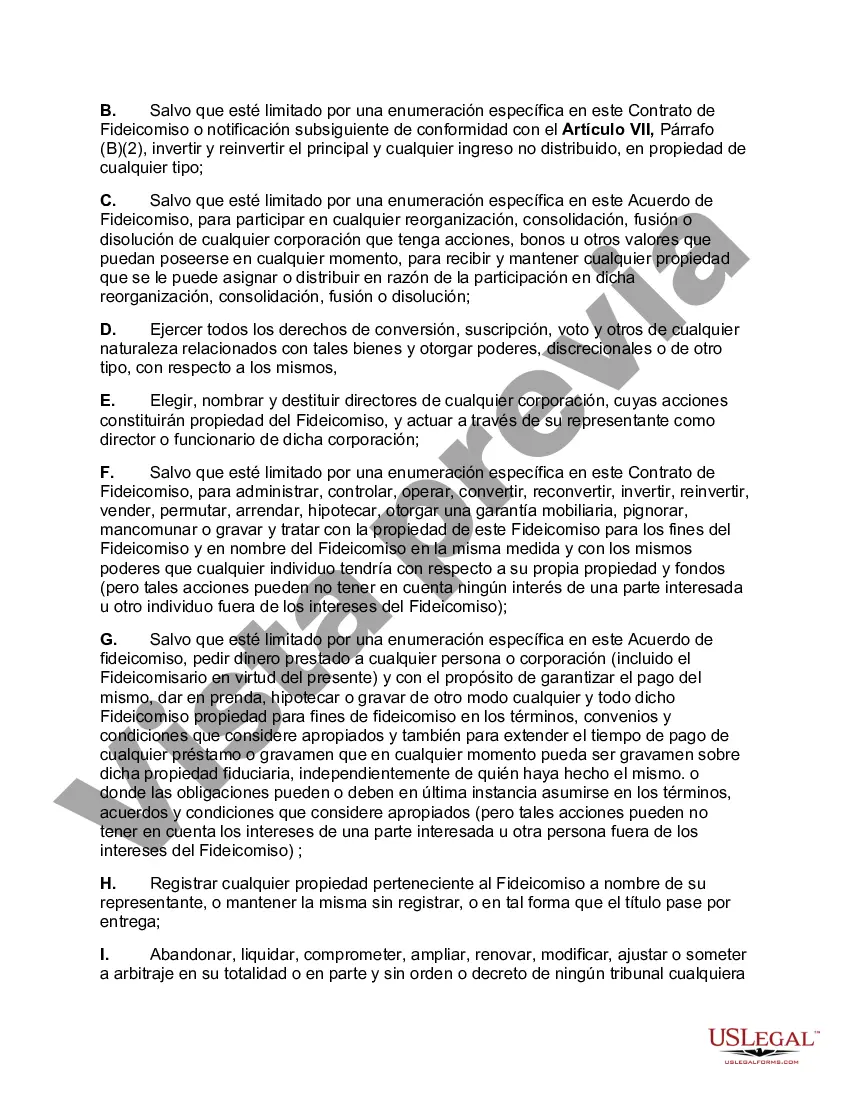
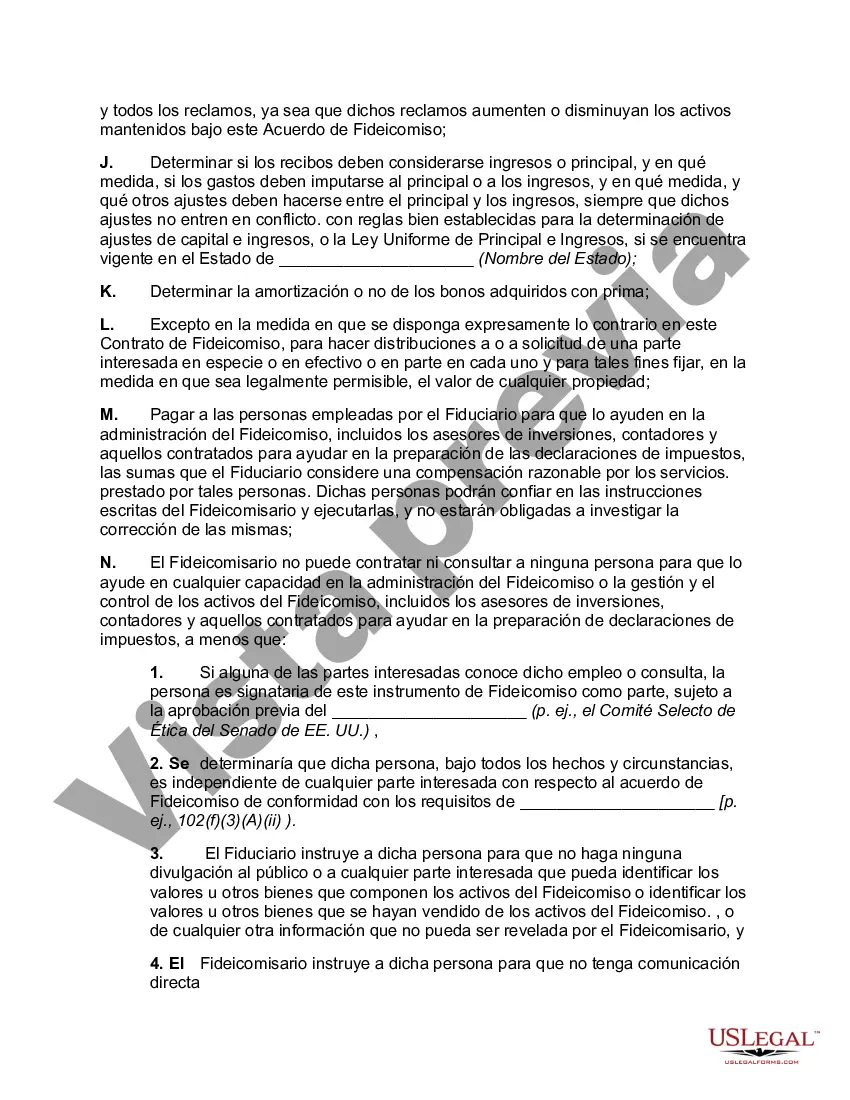
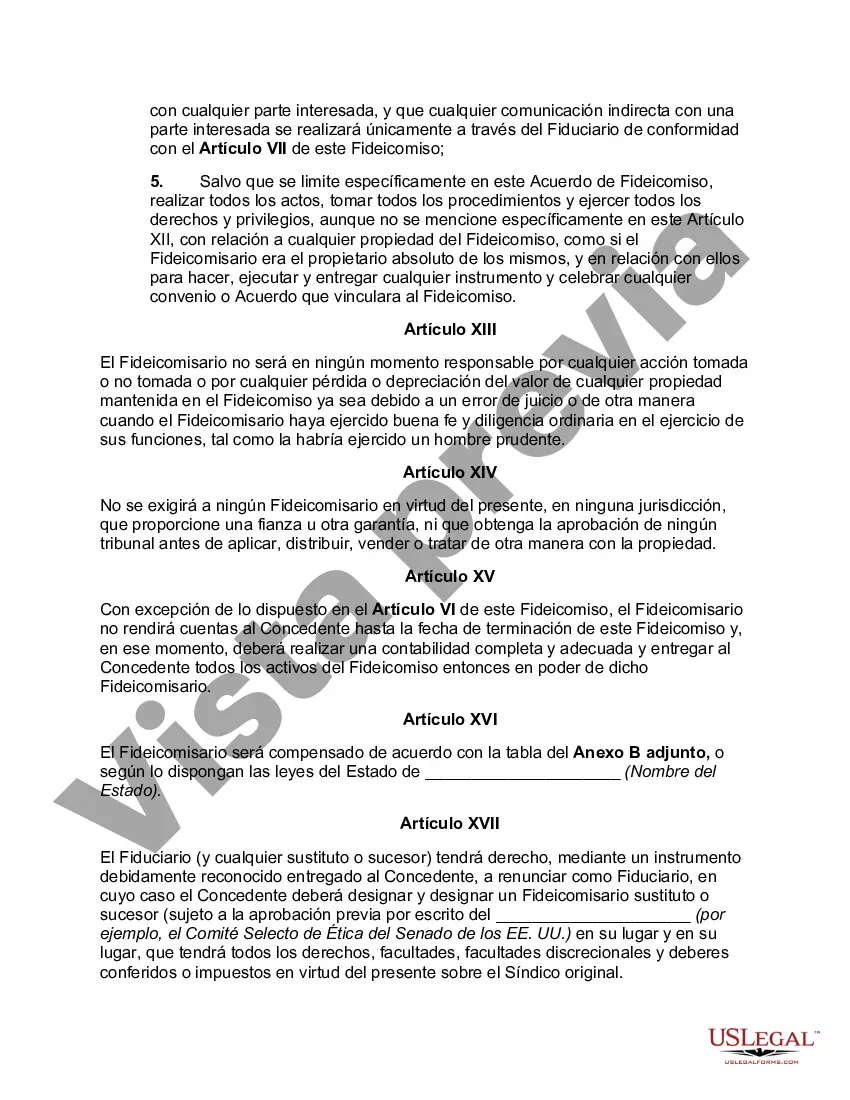
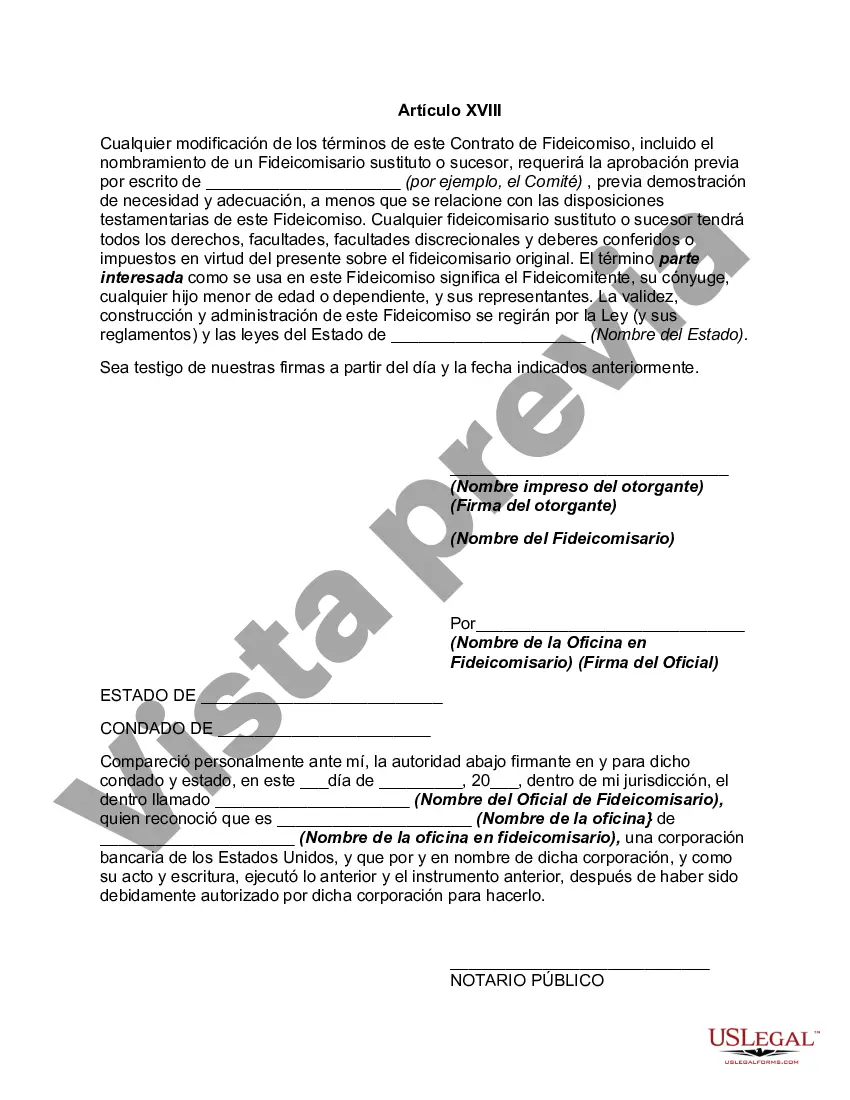
A Blind Trust Agreement is a legal setup where a person places their assets in trust, managed by someone else, without knowing what those assets are. It’s like handing over the keys to a trusted friend and letting them drive while you sit back and relax.
Trusted and secure by over 3 million people of the world’s leading companies