Most unsecured debts, like credit cards and medical bills, can be included. However, things like student loans and tax debts are usually off the table, so check the specifics.
While you don’t have to have a lawyer, it’s often a smart move. They can help navigate the legalese and make sure everything is above board, putting you in a stronger position.
The process can vary, but generally, it takes a few weeks to get everything in line. Patience is key, as you’re paving the way to a cleaner slate.
If you don’t stick to the agreement, creditors can still come after you for the full amount. It’s like playing with fire, so make sure you’re ready to commit.
Yes, a debt agreement can bump your credit score down a notch because it shows you’ve settled for less. But in the long run, it might help you recover as you get your finances in order.
If you’re feeling overwhelmed by bills and can’t keep up with payments, a debt agreement might be a good fit. It’s worth chatting with a financial expert to weigh your options.
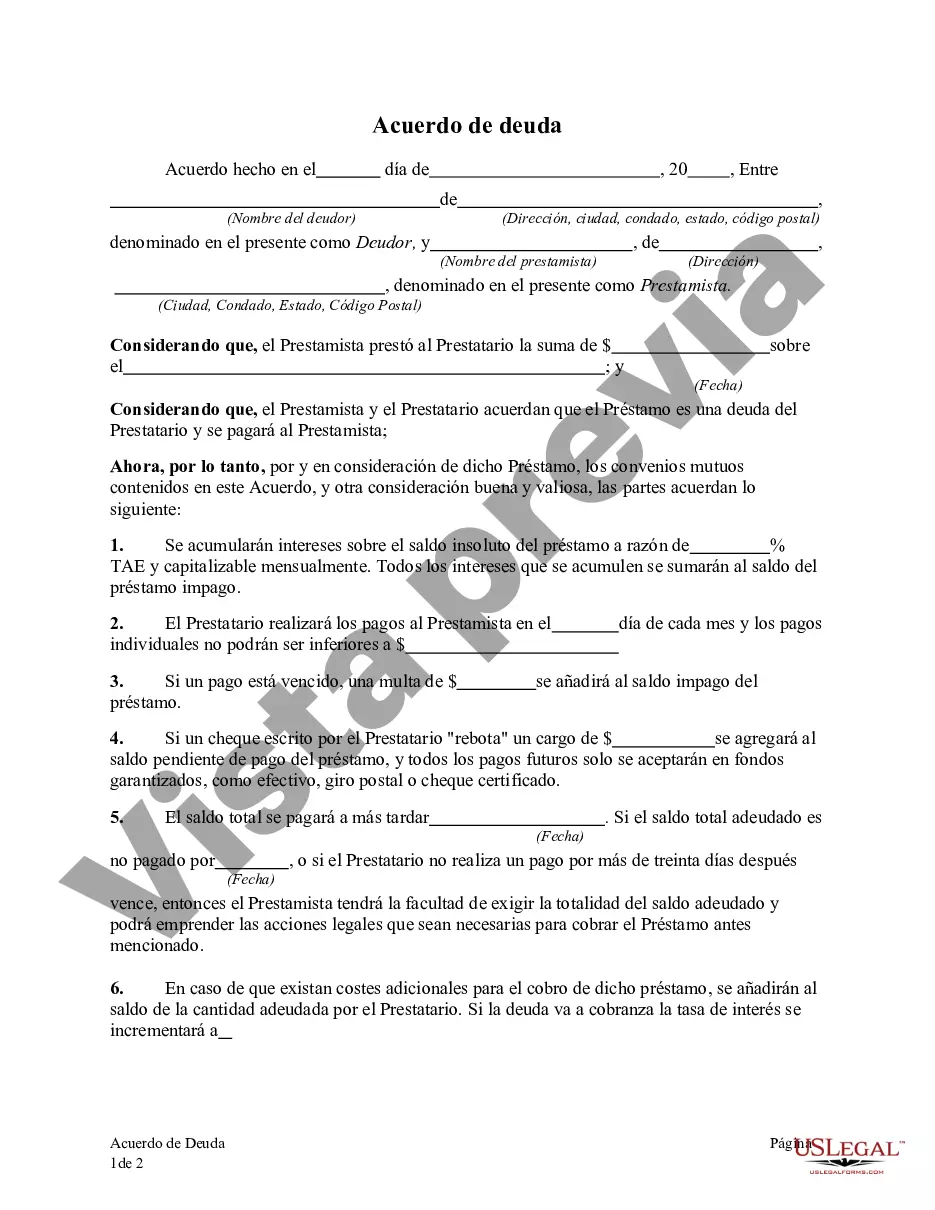
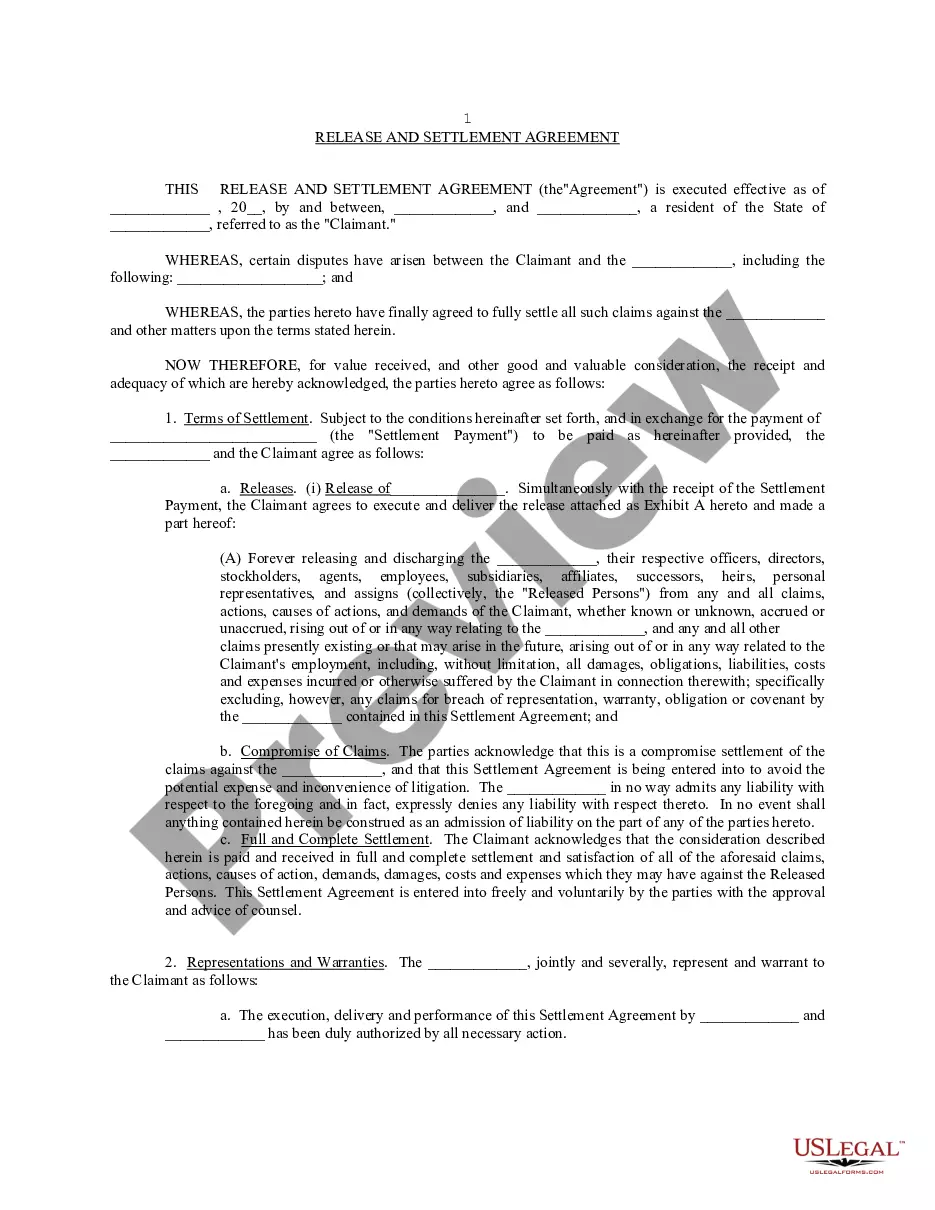
A debt agreement is a legal deal between you and your creditors to settle your debts for less than what you owe. It’s a way to get back on your feet without drowning in payments.
Trusted and secure by over 3 million people of the world’s leading companies