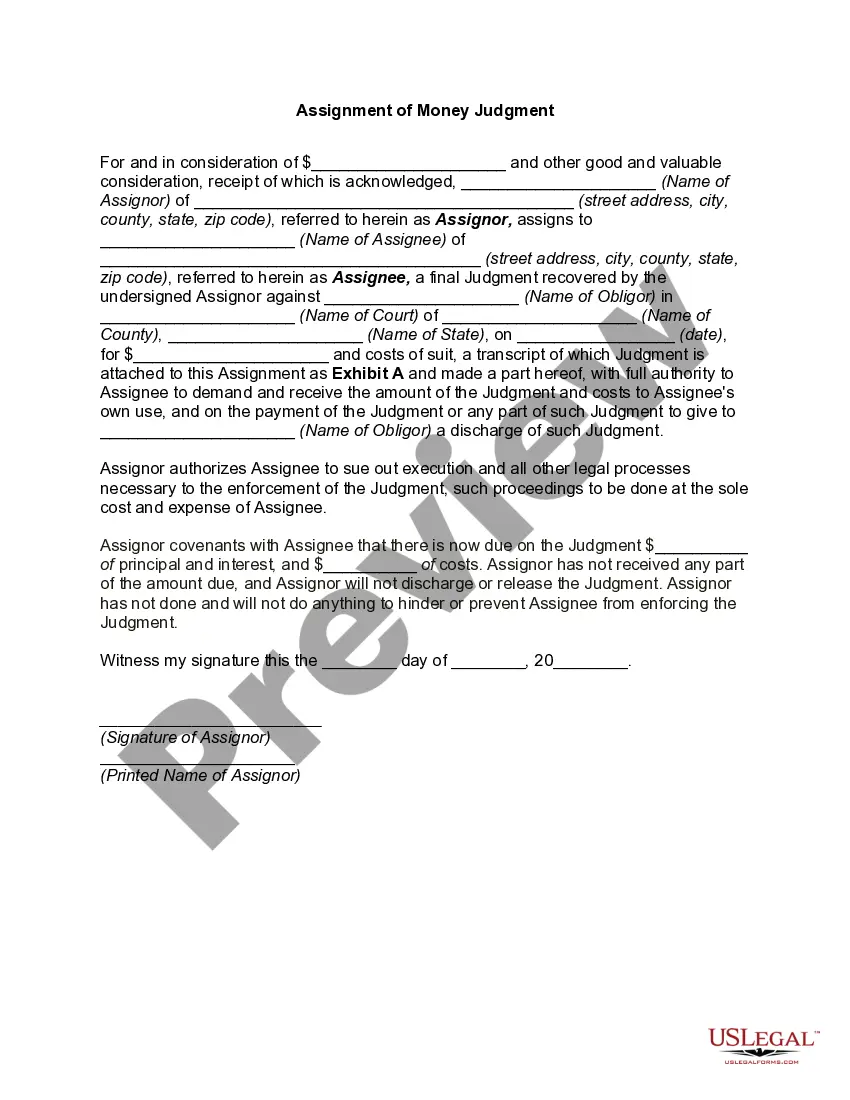
Orlando Florida Cesión de derechos de autor a obras múltiples - Assignment of Copyright to Multiple Works
State:
Multi-State
City:
Orlando
Control #:
US-0148BG
Format:
Word
Instant download
Description
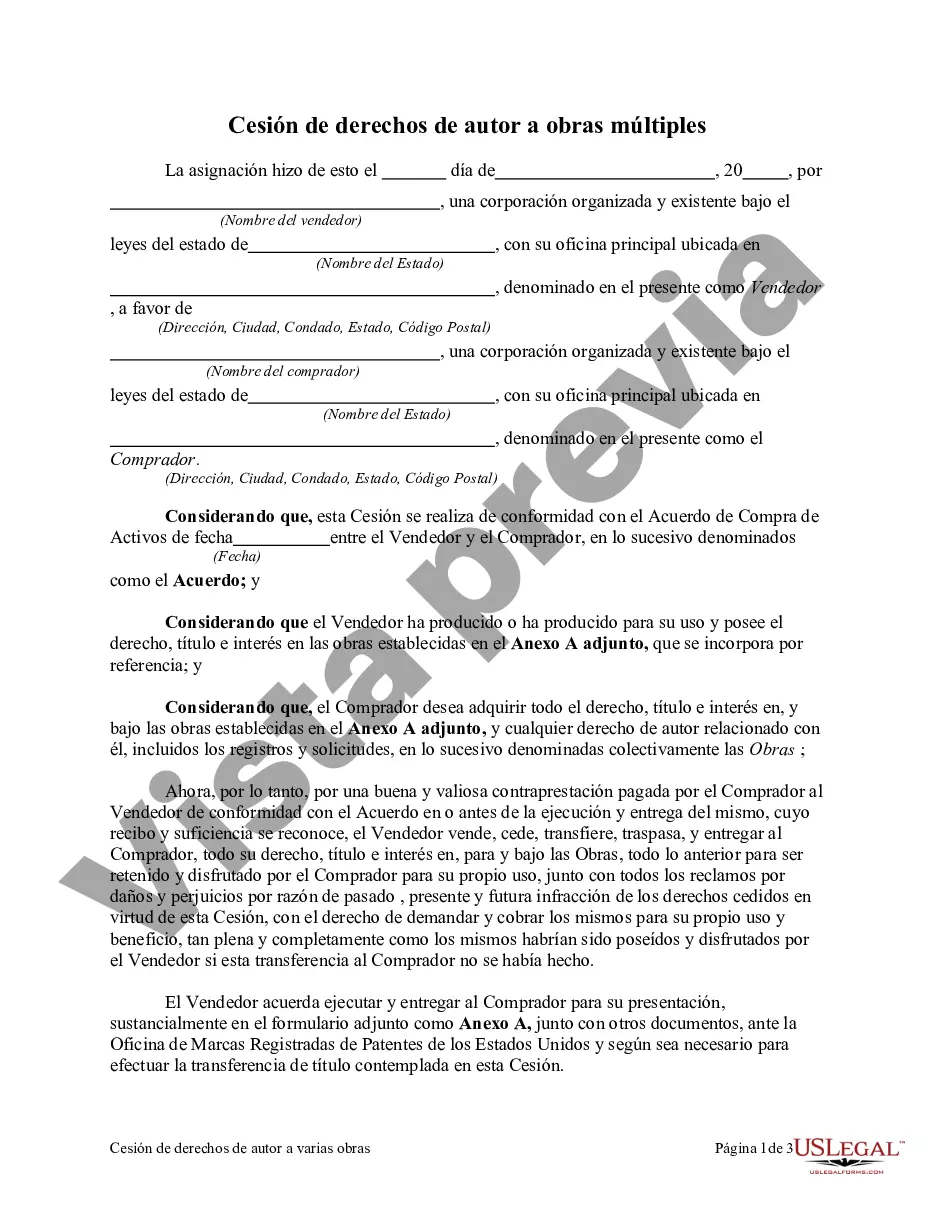
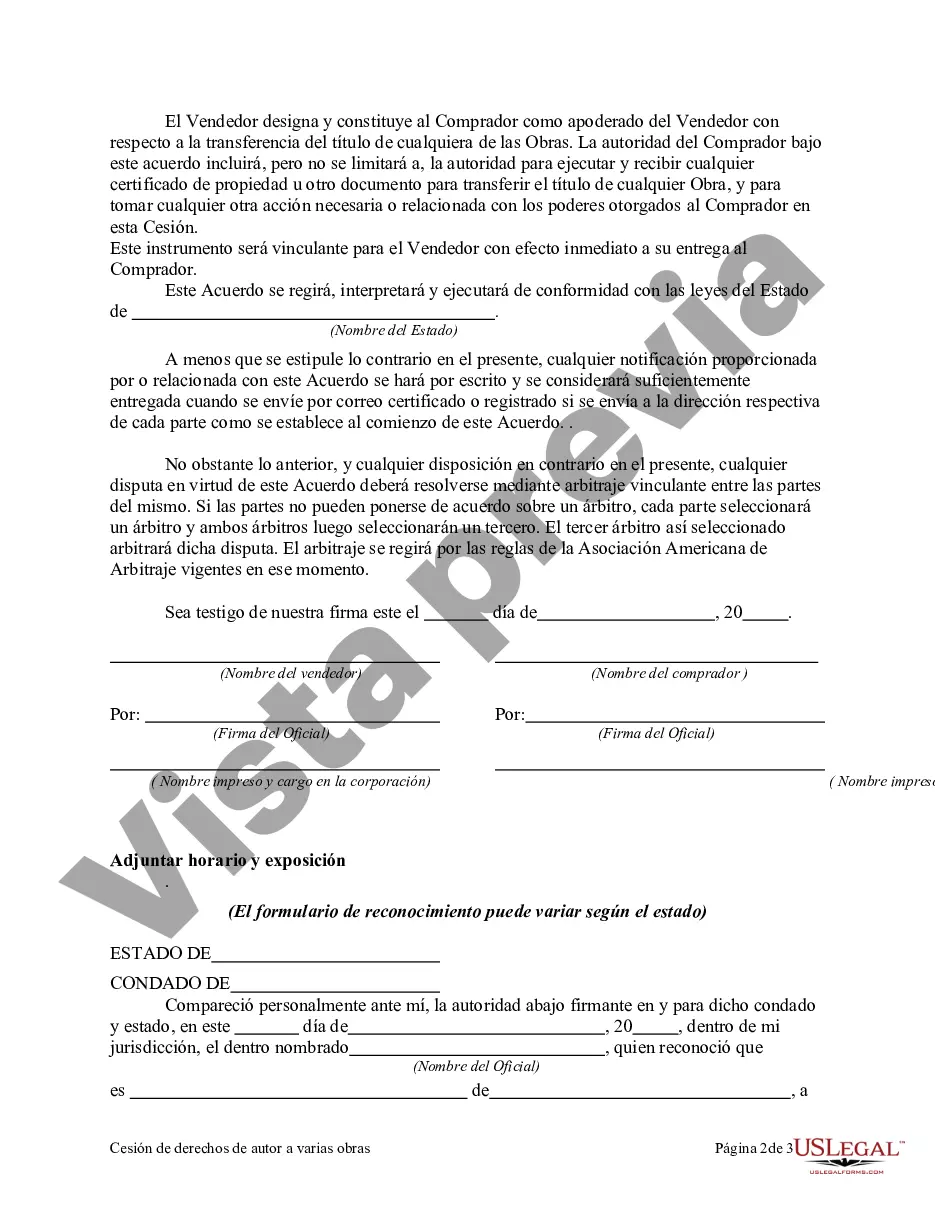
Confusion surrounds the issue of whether one can register multiple works in a single copyright registration application. One theory is that if an author of creative works such as photographs or songs, registers more than one work in the same application, his entitlement to statutory damages may be compromised. If a single application for more than one work is properly completed, visual artists, writers, composers, recording artists and other creators can retain all the legal remedies afforded by the Copyright Act while saving money by avoiding multiple registration fees.
Para su conveniencia, debajo del texto en español le brindamos la versión completa de este formulario en inglés.
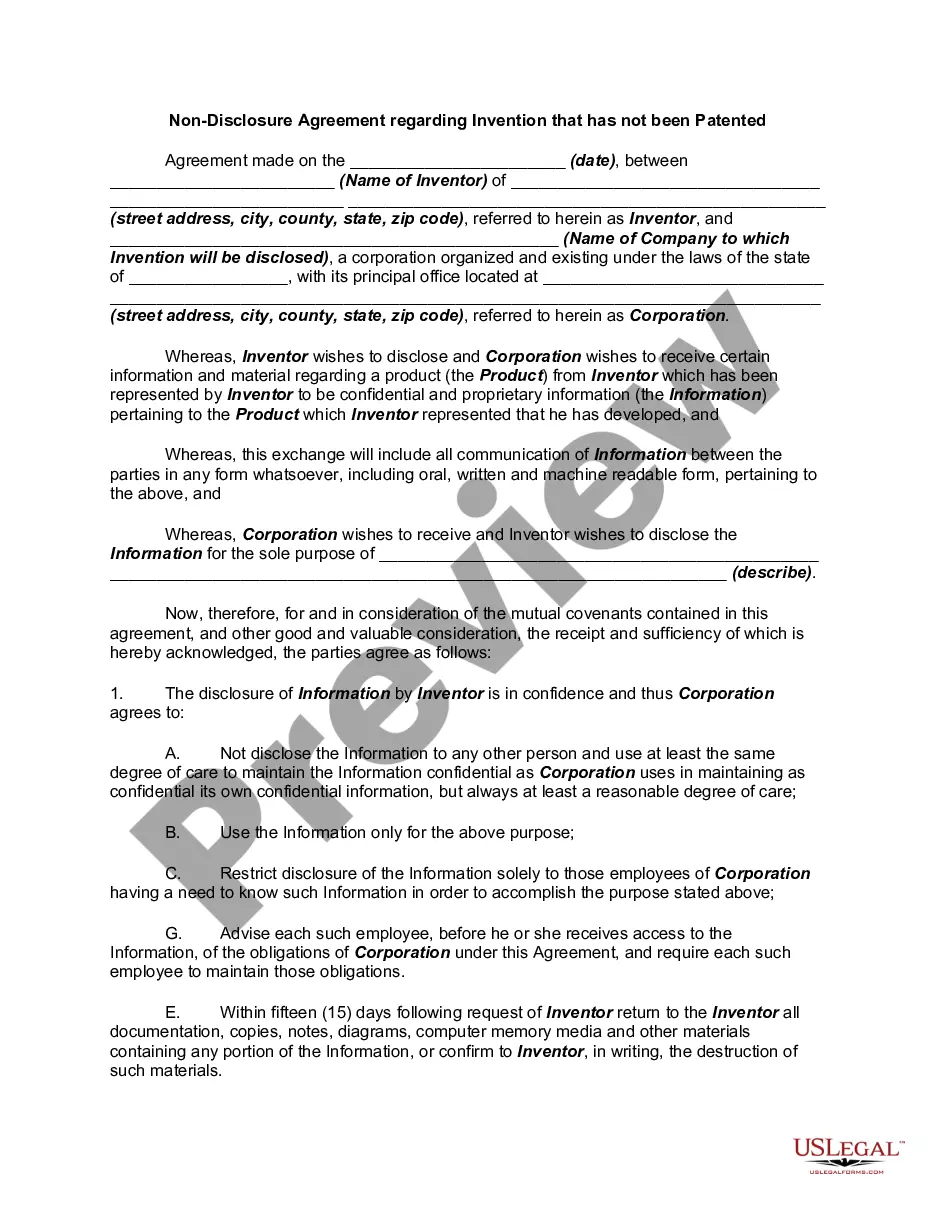
For your convenience, the complete English version of this form is attached below the Spanish version.
Free preview