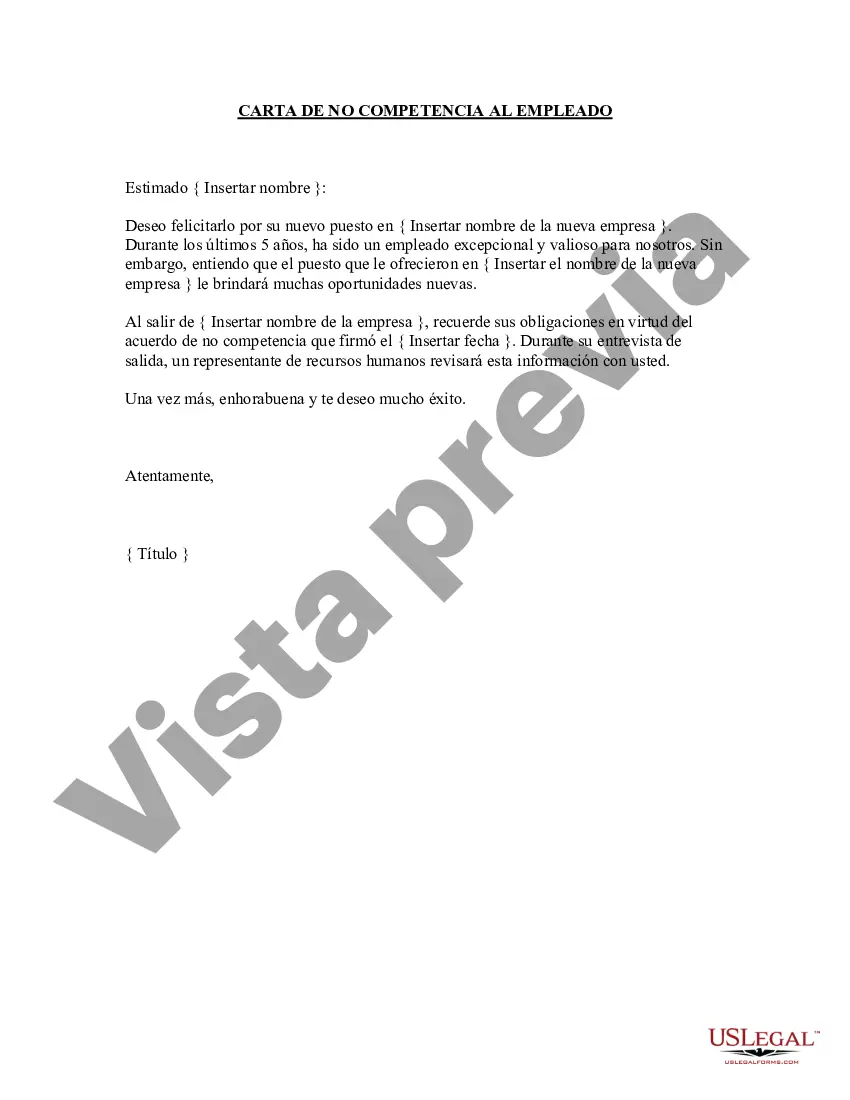
Carta de No Competencia para Empleado que se Retira - Noncompete Letter to Departing Employee
Description
Get your form ready online
Our built-in tools help you complete, sign, share, and store your documents in one place.
Make edits, fill in missing information, and update formatting in US Legal Forms—just like you would in MS Word.
Download a copy, print it, send it by email, or mail it via USPS—whatever works best for your next step.
Sign and collect signatures with our SignNow integration. Send to multiple recipients, set reminders, and more. Go Premium to unlock E-Sign.
If this form requires notarization, complete it online through a secure video call—no need to meet a notary in person or wait for an appointment.
We protect your documents and personal data by following strict security and privacy standards.

Make edits, fill in missing information, and update formatting in US Legal Forms—just like you would in MS Word.

Download a copy, print it, send it by email, or mail it via USPS—whatever works best for your next step.

Sign and collect signatures with our SignNow integration. Send to multiple recipients, set reminders, and more. Go Premium to unlock E-Sign.

If this form requires notarization, complete it online through a secure video call—no need to meet a notary in person or wait for an appointment.

We protect your documents and personal data by following strict security and privacy standards.
Looking for another form?
How to fill out Carta De No Competencia Al Empleado Que Se Va?
Among numerous free and paid examples that you find on the web, you can't be sure about their accuracy. For example, who created them or if they’re competent enough to deal with what you require these to. Keep relaxed and utilize US Legal Forms! Get Noncompete Letter to Departing Employee samples created by professional legal representatives and avoid the high-priced and time-consuming procedure of looking for an attorney and after that paying them to write a papers for you that you can find on your own.
If you already have a subscription, log in to your account and find the Download button next to the file you are trying to find. You'll also be able to access all of your earlier downloaded documents in the My Forms menu.
If you’re making use of our service the very first time, follow the guidelines listed below to get your Noncompete Letter to Departing Employee easily:
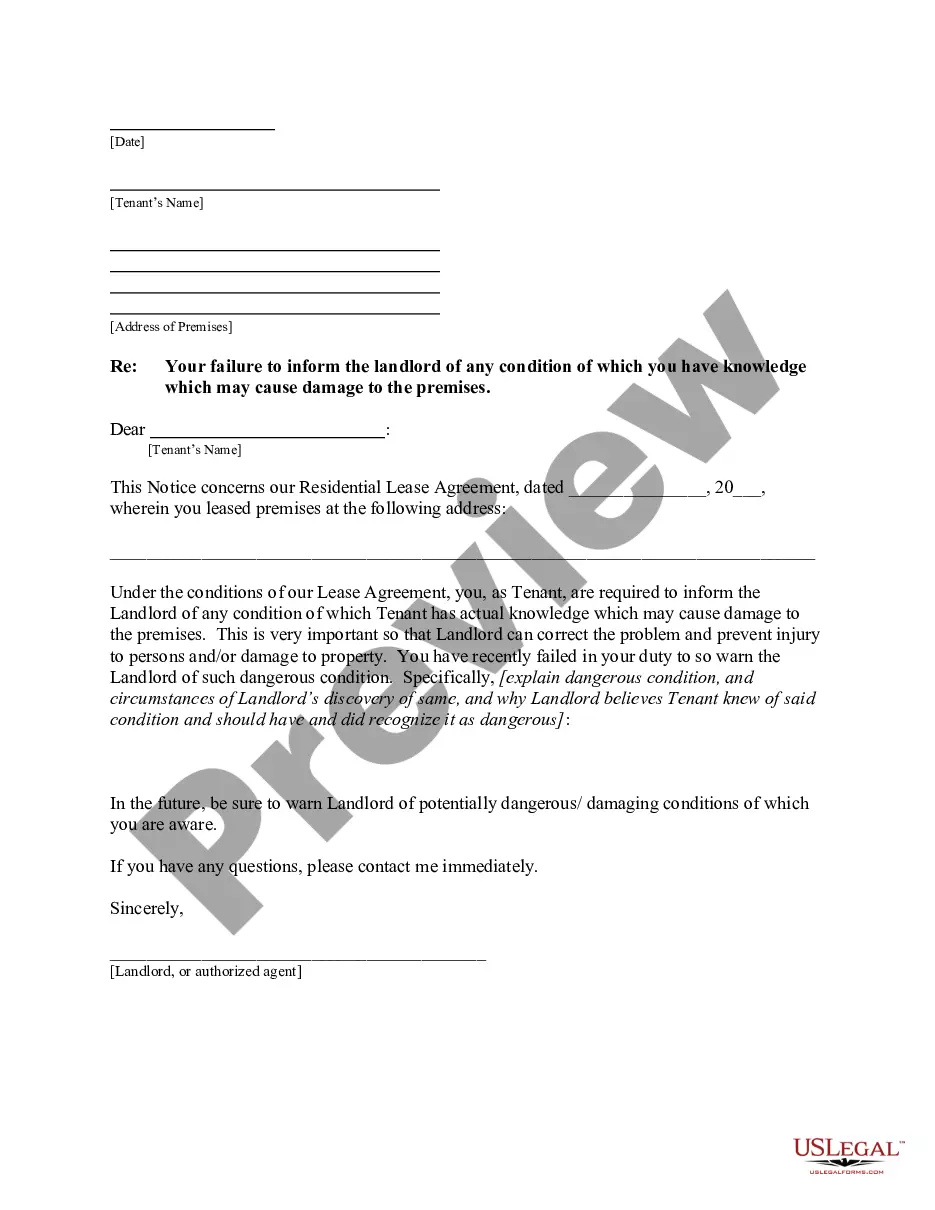
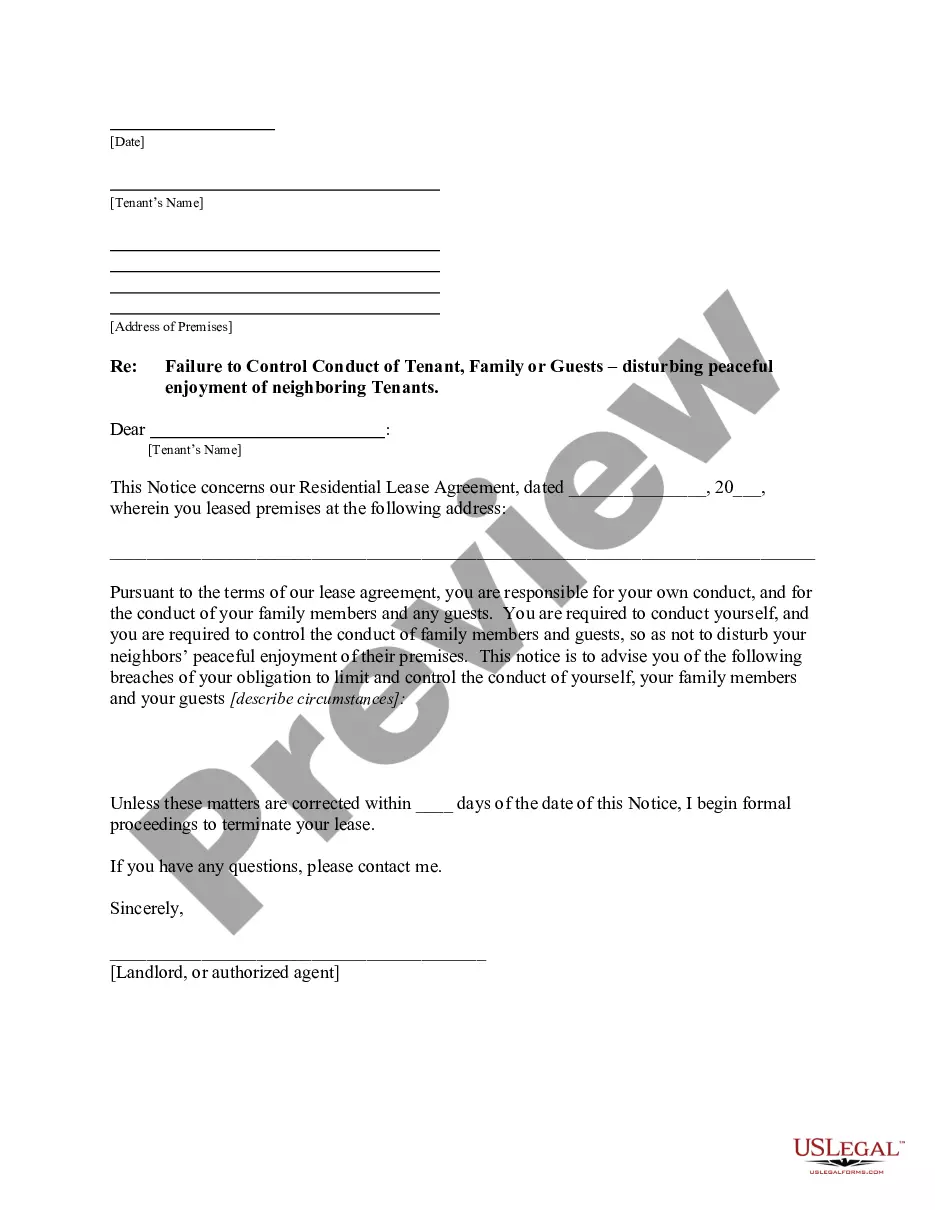
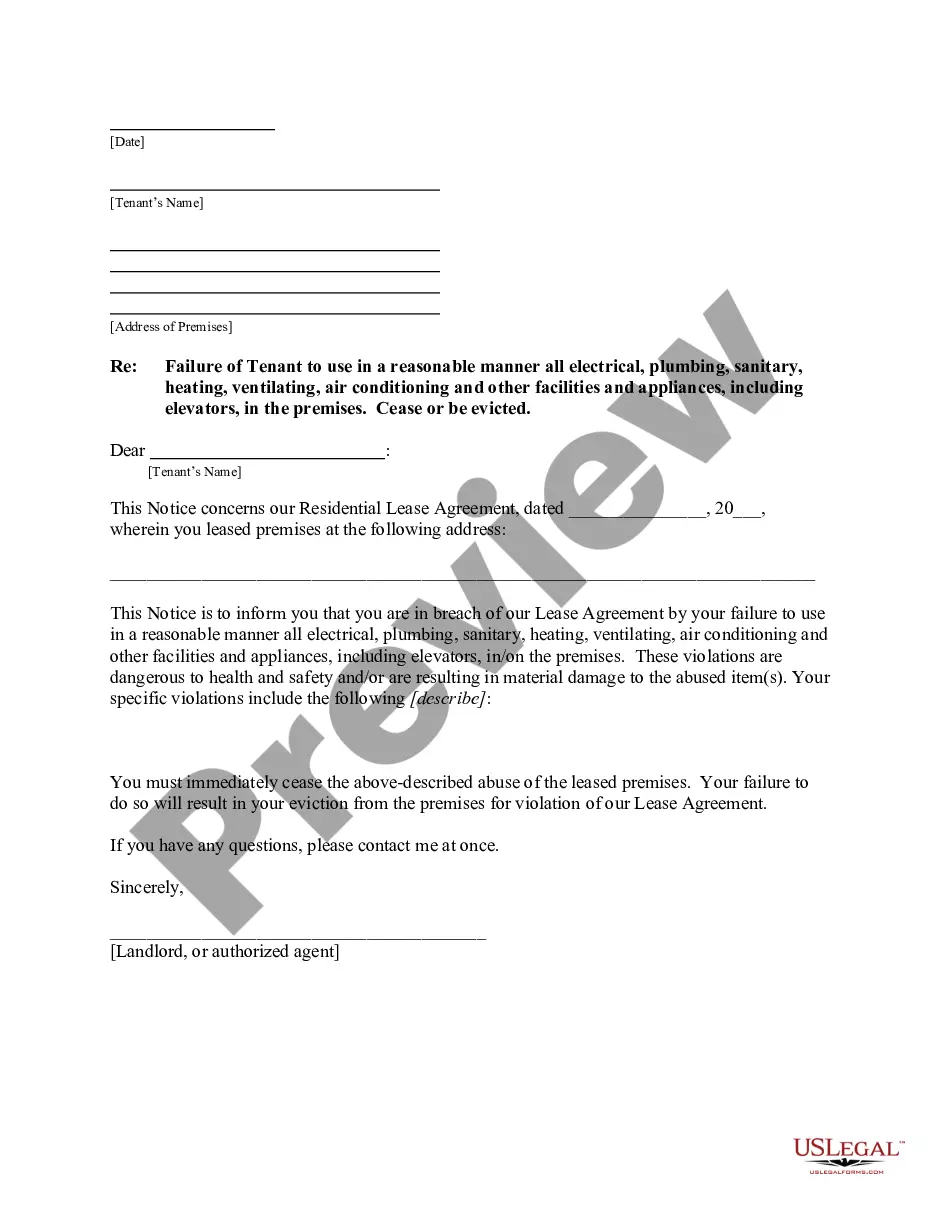
- Ensure that the document you see applies in the state where you live.
- Review the template by reading the information for using the Preview function.
- Click Buy Now to start the purchasing process or find another sample utilizing the Search field in the header.
- Choose a pricing plan and create an account.
- Pay for the subscription using your credit/debit/debit/credit card or Paypal.
- Download the form in the wanted file format.
When you’ve signed up and paid for your subscription, you can use your Noncompete Letter to Departing Employee as many times as you need or for as long as it remains active where you live. Edit it in your preferred editor, fill it out, sign it, and print it. Do a lot more for less with US Legal Forms!
Form popularity
FAQ
En la practica la compensaciA³n que se suele pactar varAa entre un 20 por 100 y un 75 por 100 del salario anual bruto del empleado. En caso de incumplimiento del pacto de no competencia, la parte perjudicada puede interponer diversas acciones legales y, acumuladamente, la de daA±os y perjuicios.
El pacto de no competencia para despues de extinguido el contrato de trabajo, que no podrA¡ tener una duraciA³n superior a dos aA±os para los tA©cnicos y de seis meses para los demA¡s trabajadores, solo serA¡ vA¡lido si concurren los requisitos siguientes: a) Que el empresario tenga un efectivo interA©s industrial o comercial
El pago se puede realizar en cualquier momento, ya sea durante la vigencia del contrato, o incorporandolo al finiquito una vez finalizada la relaciA³n laboral. Incluso estA¡ compensaciA³n puede ser de naturaleza no dineraria.
El pacto de no competencia o de no concurrencia postcontractual es un acuerdo entre la empresa y el trabajador que compromete al empleado, una vez concluida su relacion laboral con la empresa, a abstenerse durante un tiempo limitado de realizar cualquier actividad profesional que pueda suponer competencia para su
Clausula de no competencia: acuerdo de voluntades por virtud del cual alguno de los participantes en un contrato o convenio (generalmente la parte vendedora) asume la obligaciA³n de no competir con la parte adquirente, que es a quien le enajena activos o acciones.
Clausula de no competencia: acuerdo de voluntades por virtud del cual alguno de los participantes en un contrato o convenio (generalmente la parte vendedora) asume la obligaciA³n de no competir con la parte adquirente, que es a quien le enajena activos o acciones.