When To Use A Real Estate Attorney
Description
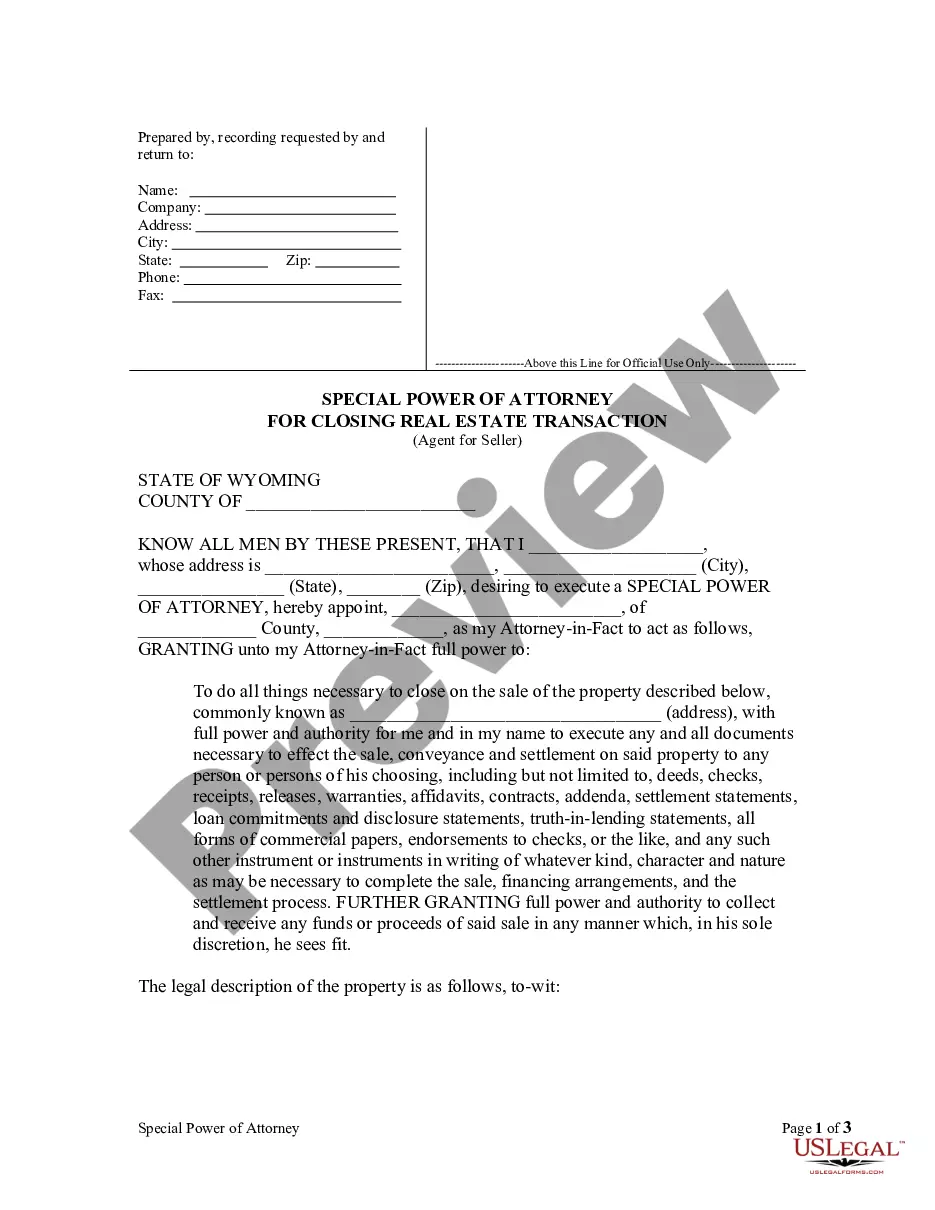
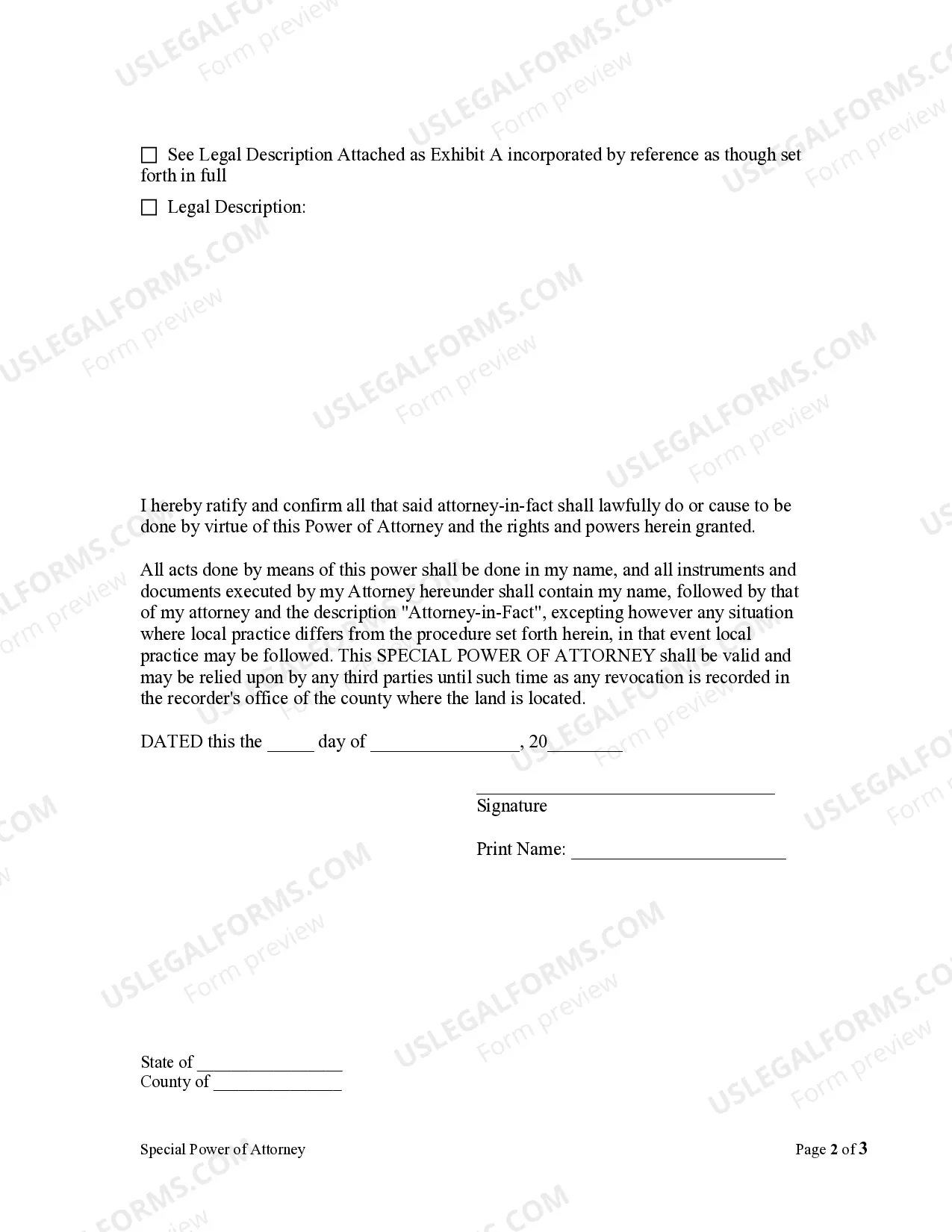
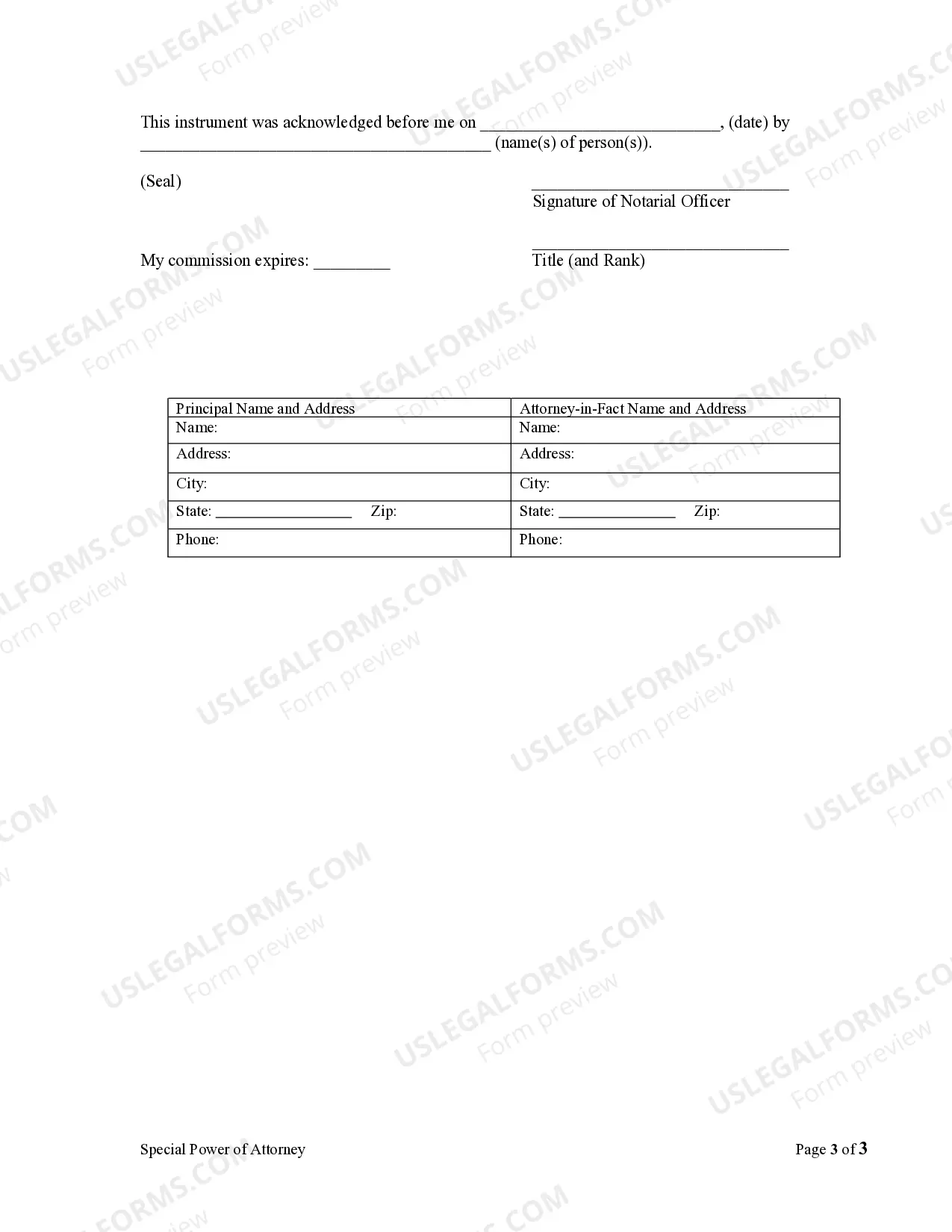

Get your form ready online
Our built-in tools help you complete, sign, share, and store your documents in one place.
Make edits, fill in missing information, and update formatting in US Legal Forms—just like you would in MS Word.
Download a copy, print it, send it by email, or mail it via USPS—whatever works best for your next step.
Sign and collect signatures with our SignNow integration. Send to multiple recipients, set reminders, and more. Go Premium to unlock E-Sign.
If this form requires notarization, complete it online through a secure video call—no need to meet a notary in person or wait for an appointment.
We protect your documents and personal data by following strict security and privacy standards.

Make edits, fill in missing information, and update formatting in US Legal Forms—just like you would in MS Word.

Download a copy, print it, send it by email, or mail it via USPS—whatever works best for your next step.

Sign and collect signatures with our SignNow integration. Send to multiple recipients, set reminders, and more. Go Premium to unlock E-Sign.

If this form requires notarization, complete it online through a secure video call—no need to meet a notary in person or wait for an appointment.

We protect your documents and personal data by following strict security and privacy standards.
Looking for another form?

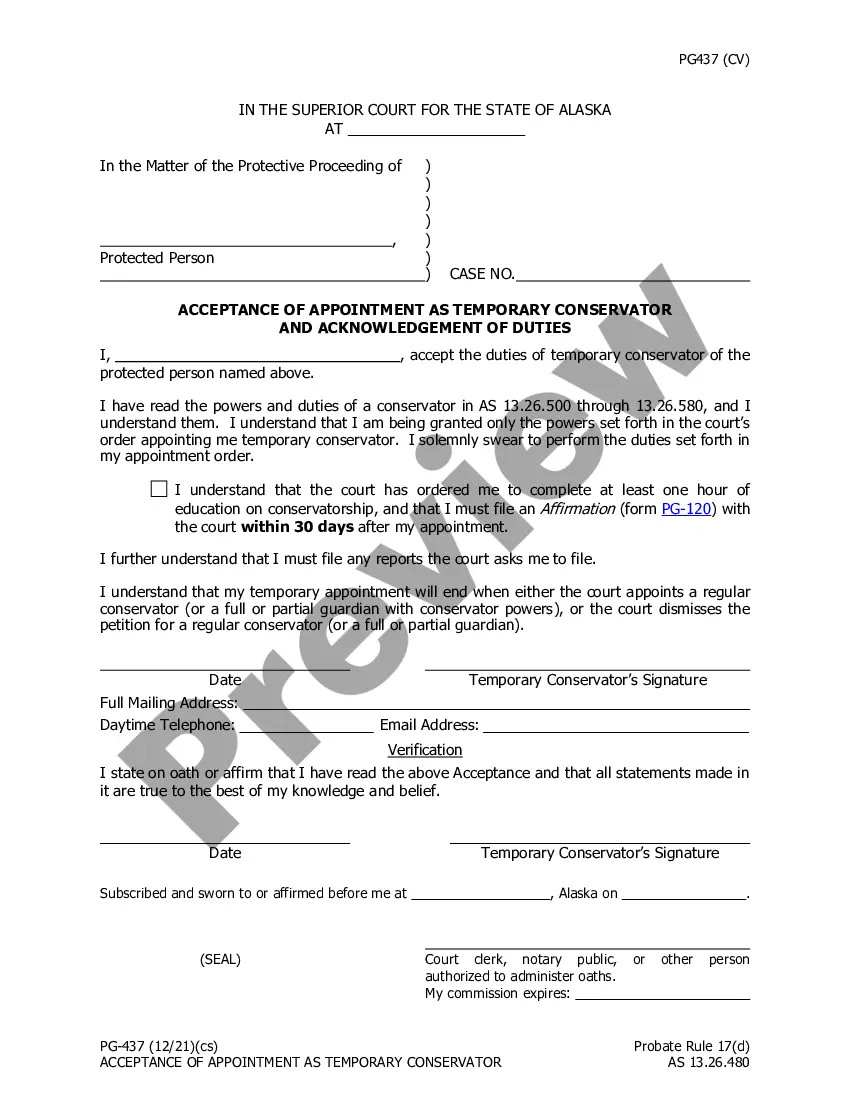

How to fill out Wyoming Special Or Limited Power Of Attorney For Real Estate Sales Transaction By Seller?
- Log in to your existing US Legal Forms account to download your necessary form template. Ensure your subscription remains active; if not, please renew it before proceeding.
- Review the Preview mode and details of the form. Confirm that it aligns perfectly with your needs and matches your local jurisdiction's requirements.
- If the form isn't suitable, utilize the Search functionality to locate a more appropriate template commensurate with your specifications.
- Proceed to purchase the document. Click the Buy Now button and select your desired subscription plan; registration is mandatory for resource access.
- Complete your payment by providing your credit card information or using your PayPal account to finalize the subscription.
- Download the selected form onto your device. You can easily access it later under the My Forms section of your profile whenever needed.
Utilizing US Legal Forms grants you access to a vast library boasting over 85,000 editable legal documents. This extensive collection is designed to empower individuals and attorneys alike to quickly and efficiently execute legal documents, ensuring accuracy and compliance with state laws.
By leveraging US Legal Forms, you ensure a smoother transaction process, reducing legal risks while enhancing your peace of mind. Don't wait—explore the robust library of forms today!
Form popularity
FAQ
You should contact a real estate attorney when you encounter questions or uncertainties about a property deal. Whether you’re signing an agreement, facing disputes, or navigating title issues, expert legal advice is essential. Knowing when to use a real estate attorney will empower you to make informed decisions and safeguard your rights.
The point of a real estate attorney is to provide legal expertise and guidance during property transactions. They assist with contract reviews, facilitate negotiations, and ensure compliance with local zoning laws. Understanding when to use a real estate attorney can protect your investment and prevent future disputes.
It is advisable to get a real estate attorney as soon as you begin the buying or selling process. Early engagement ensures you understand all legal aspects before committing to any contracts. Knowing when to use a real estate attorney can make a substantial difference in how smoothly your transaction proceeds.
You should hire an estate attorney when you are preparing for significant changes in your property situation, such as buying or selling a home. Having an expert on your side provides peace of mind and protects your interests throughout the transaction. Knowing when to use a real estate attorney can save you from legal headaches down the road.
Individuals involved in estate planning or those managing the estate of a deceased person are most likely to need an estate law attorney. Additionally, buyers or sellers of high-value properties may benefit from this expertise. When to use a real estate attorney often depends on the complexity of the transactions and the legal guidance required.
You should consider hiring an estate attorney when you face complex legal issues related to your property. This might include situations involving the transfer of ownership, disputes with heirs, or estate tax considerations. When to use a real estate attorney becomes critical during these times to ensure that all transactions comply with state laws.
Lawyers can have several titles, but 'attorney' is one of the most common. You can also refer to them as 'counsel' or 'counselor'. If you are unsure of their specific qualifications, it's safe to stick with 'attorney'. Understanding how to title a lawyer correctly is important, especially when you are determining when to use a real estate attorney for your needs.
A lawyer can simply be called a 'lawyer', or you may use 'attorney' depending on their role. Sometimes, they might specify their area of expertise, such as 'real estate attorney'. When you're discussing complex legal matters, specifically when to use a real estate attorney, using their title shows respect and professionalism in your conversations.
Referring to an attorney typically involves using either their title or their profession. You might use 'attorney', 'lawyer', or 'counselor', based on the context and formality. Additionally, maintaining a level of respect is crucial, especially if you are discussing sensitive topics like real estate transactions. Knowing the right way to refer to an attorney can help clarify your discussions about when to use a real estate attorney.
When you want to formally address an attorney, use their appropriate title followed by their last name. For example, you can say 'Mr.' or 'Ms.' followed by their last name if they are not a judge or another official. If they hold a specific designation, like 'Esquire' or 'Attorney at Law', you may also include that. Understanding how to address an attorney correctly can enhance your communication when you’re considering when to use a real estate attorney.