Landlord Permission Letter For Pets
Description
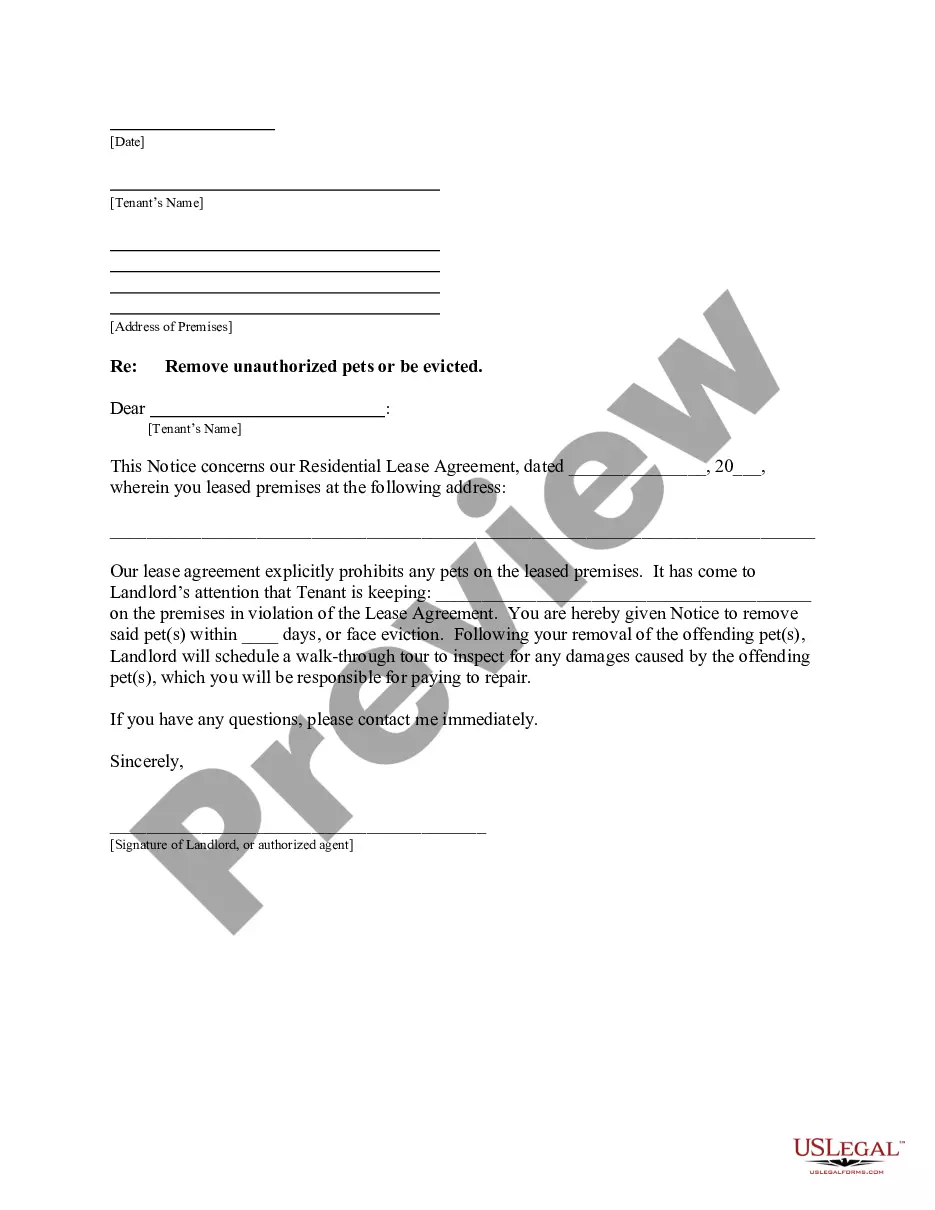
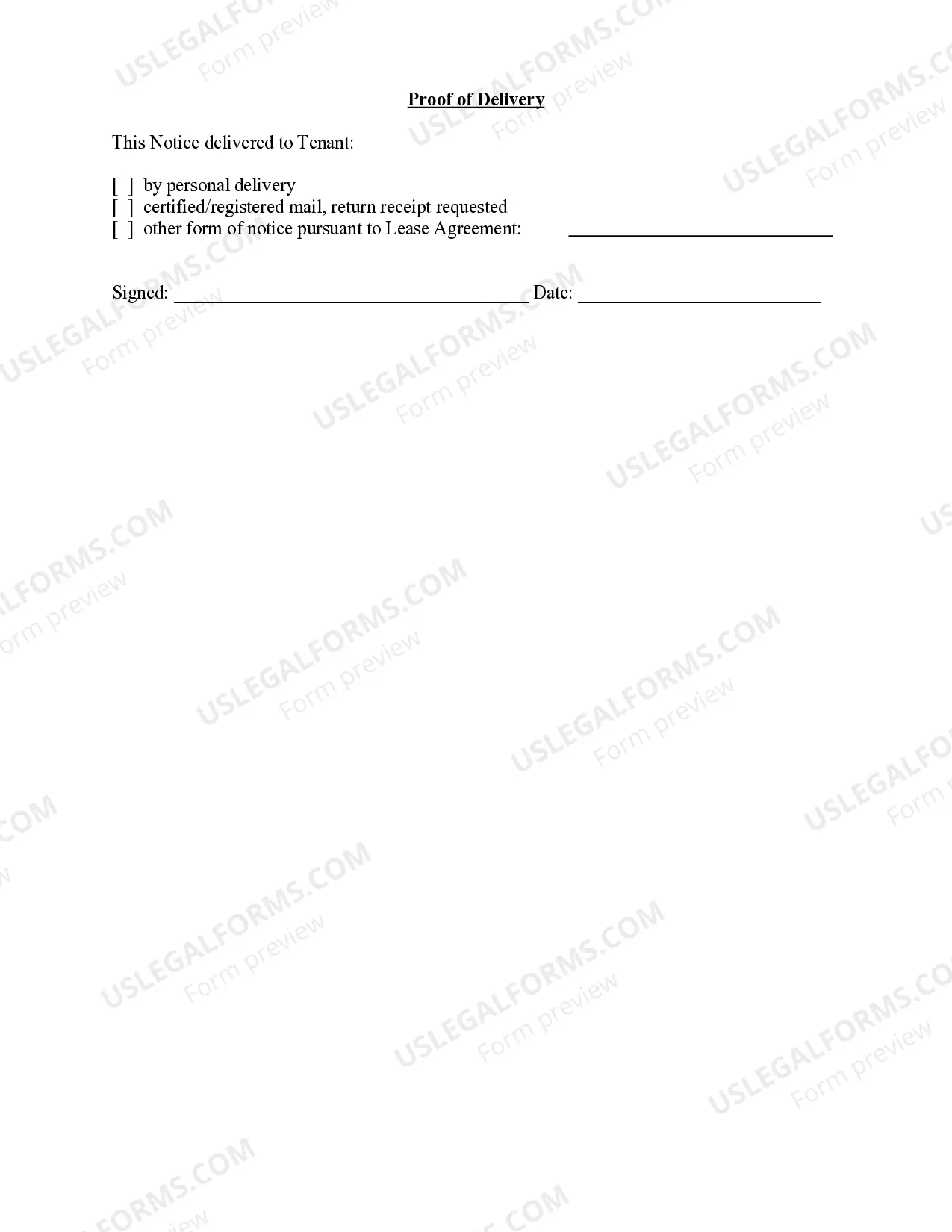
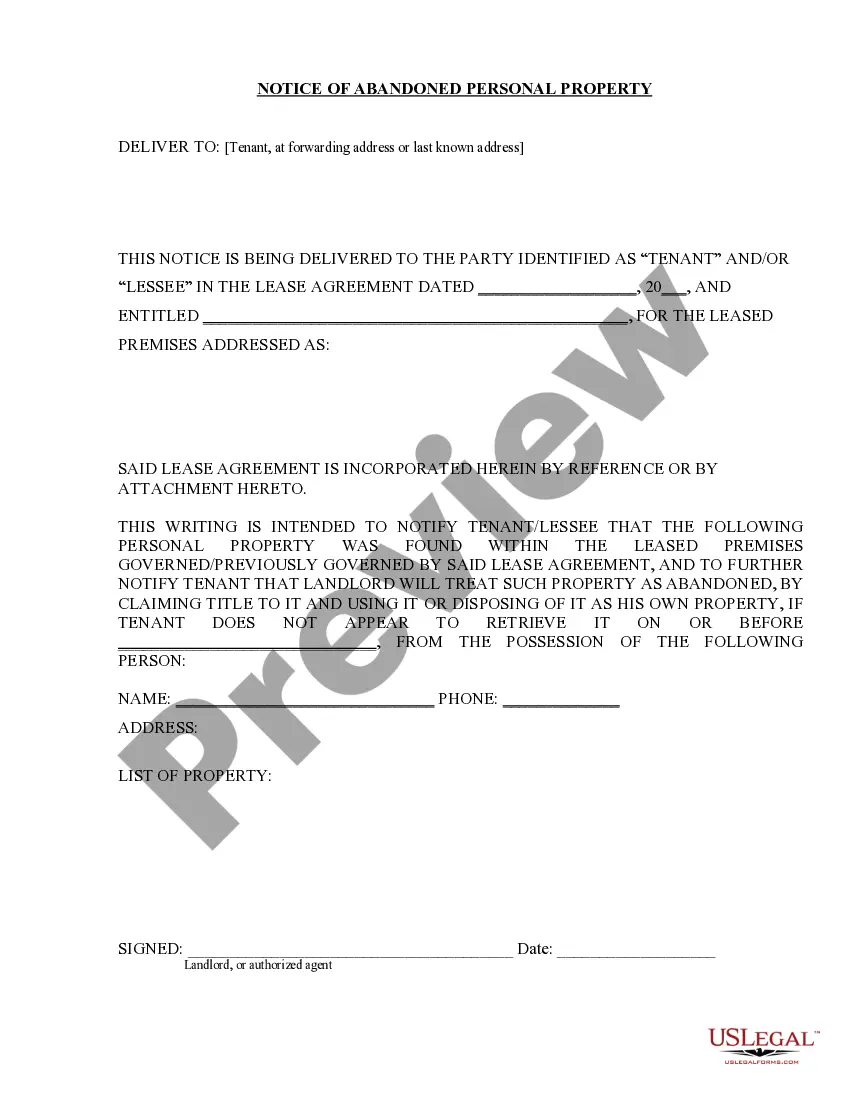
Get your form ready online
Our built-in tools help you complete, sign, share, and store your documents in one place.
Make edits, fill in missing information, and update formatting in US Legal Forms—just like you would in MS Word.
Download a copy, print it, send it by email, or mail it via USPS—whatever works best for your next step.
Sign and collect signatures with our SignNow integration. Send to multiple recipients, set reminders, and more. Go Premium to unlock E-Sign.
If this form requires notarization, complete it online through a secure video call—no need to meet a notary in person or wait for an appointment.
We protect your documents and personal data by following strict security and privacy standards.

Make edits, fill in missing information, and update formatting in US Legal Forms—just like you would in MS Word.

Download a copy, print it, send it by email, or mail it via USPS—whatever works best for your next step.

Sign and collect signatures with our SignNow integration. Send to multiple recipients, set reminders, and more. Go Premium to unlock E-Sign.

If this form requires notarization, complete it online through a secure video call—no need to meet a notary in person or wait for an appointment.

We protect your documents and personal data by following strict security and privacy standards.
Looking for another form?
Form popularity
FAQ
To write a letter of permission to a tenant, you should begin by addressing the tenant formally and stating the purpose of the letter. Clearly outline the terms of the permission, such as the specifics regarding the pet if applicable. This ensures clarity and promotes a positive tenant-landlord relationship.
A good message to your landlord should be concise, polite, and direct. Start with a respectful greeting, express gratitude for their service, and clearly lay out your request, such as obtaining a landlord permission letter for pets. This encourages a positive and open line of communication.
A professional letter to your landlord should include your name, address, and date at the top. Use a respectful salutation and clearly state your reason for writing. If you are asking for a landlord permission letter for pets, explain your case positively and provide any supportive information that may help your request.
When emailing your landlord, start with a courteous subject line that reflects the purpose of your message. Use a friendly greeting followed by a brief introduction. Then, clearly articulate your request, whether it’s about obtaining a landlord permission letter for pets or addressing other concerns, while maintaining a respectful tone.
Begin your message to a landlord with a polite greeting, such as 'Dear Landlord's Name.' Introduce yourself and mention your rental property. Clearly state your purpose, whether it's to request permission for pets or to address a different issue requiring attention.
To write a formal letter to your landlord, start with your contact information, followed by the date, and then the landlord's details. Include a clear subject line, such as 'Request for Landlord Permission Letter for Pets.' In the body, be concise and polite, stating your intention and any relevant details in a straightforward manner.
If your landlord prohibits pets, consider discussing the matter directly with them. You might present a landlord permission letter for pets that outlines your willingness to adhere to certain agreements, such as paying a pet deposit. This approach demonstrates your responsibility and may persuade the landlord to reconsider their rules.
To write a letter granting someone permission, start with your contact information and date. Clearly state your intention to give permission in the opening lines and specify the details of what the person is allowed to do. For example, if the letter serves as a landlord permission letter for pets, outline what activities are permitted. Close with a polite signature and your contact details.
An example of a pet clause in a lease agreement might state that pets are allowed only with prior written consent from the landlord, such as a landlord permission letter for pets. This clause may include stipulations regarding pet types, sizes, and any additional fees or deposits required. It's essential to read and understand the lease terms before proceeding with pet ownership.
To write a letter requesting permission, begin with a clear subject line, such as 'Request for Pet Permission.' Introduce yourself and explain the purpose of your letter in the opening paragraph. Be specific about what you are asking for, such as a landlord permission letter for pets, and share your reasons for the request. Remember to thank the landlord for considering your request.