Month To Month Lease In Florida
Description
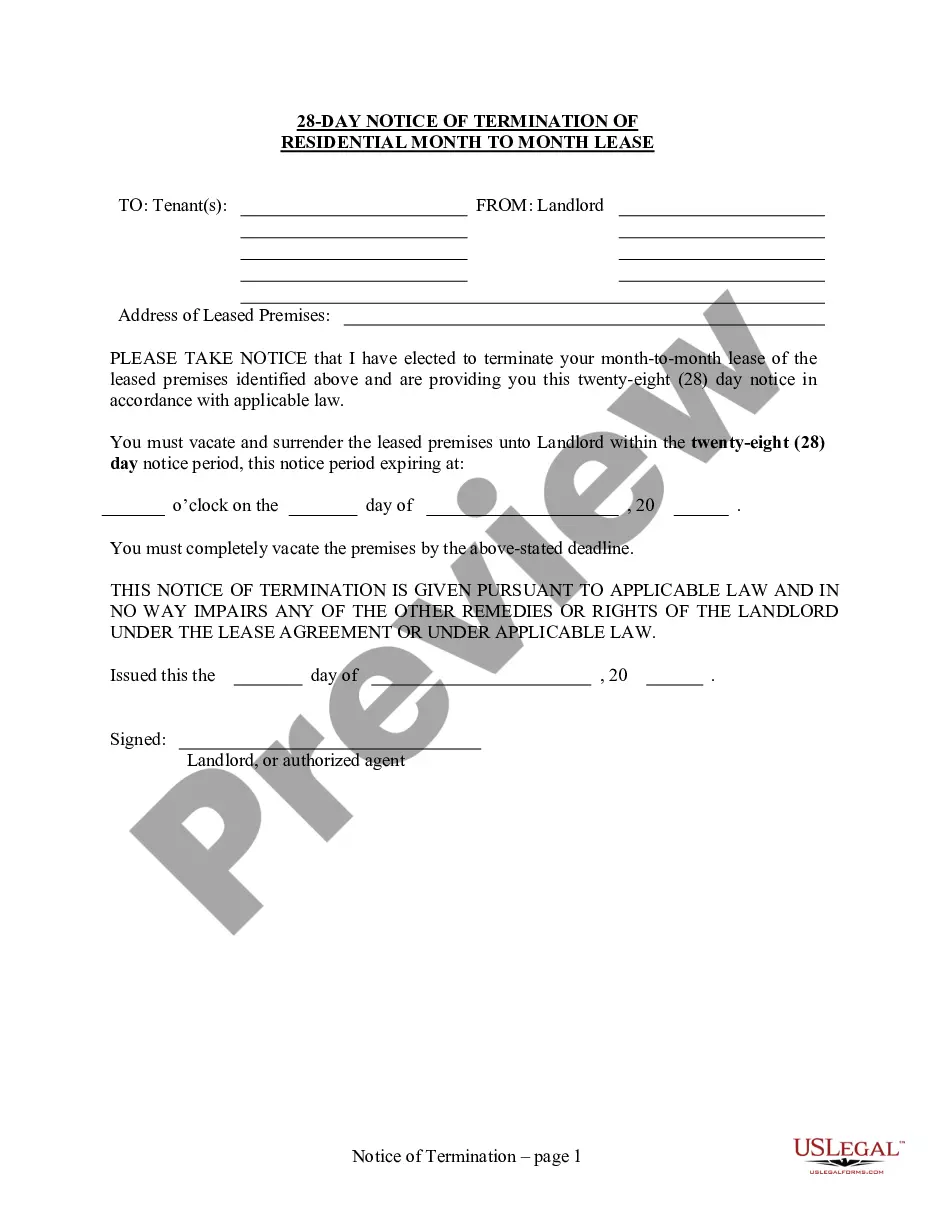
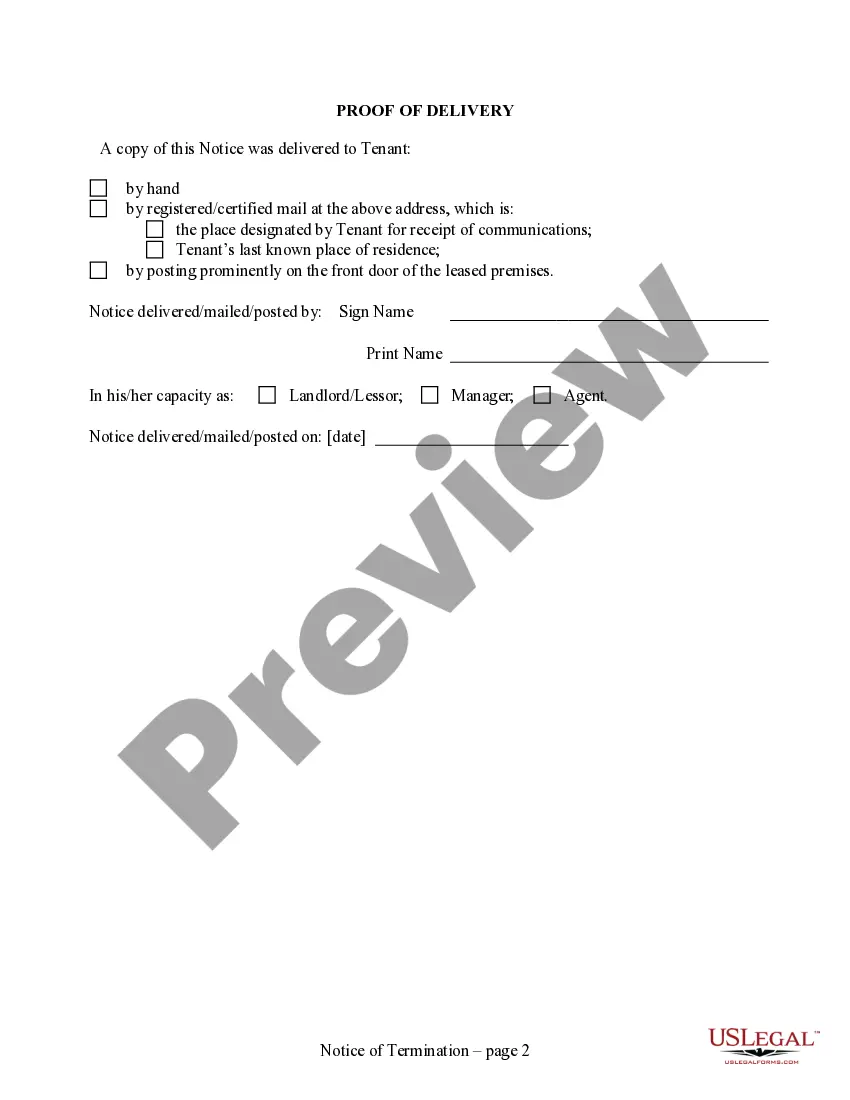
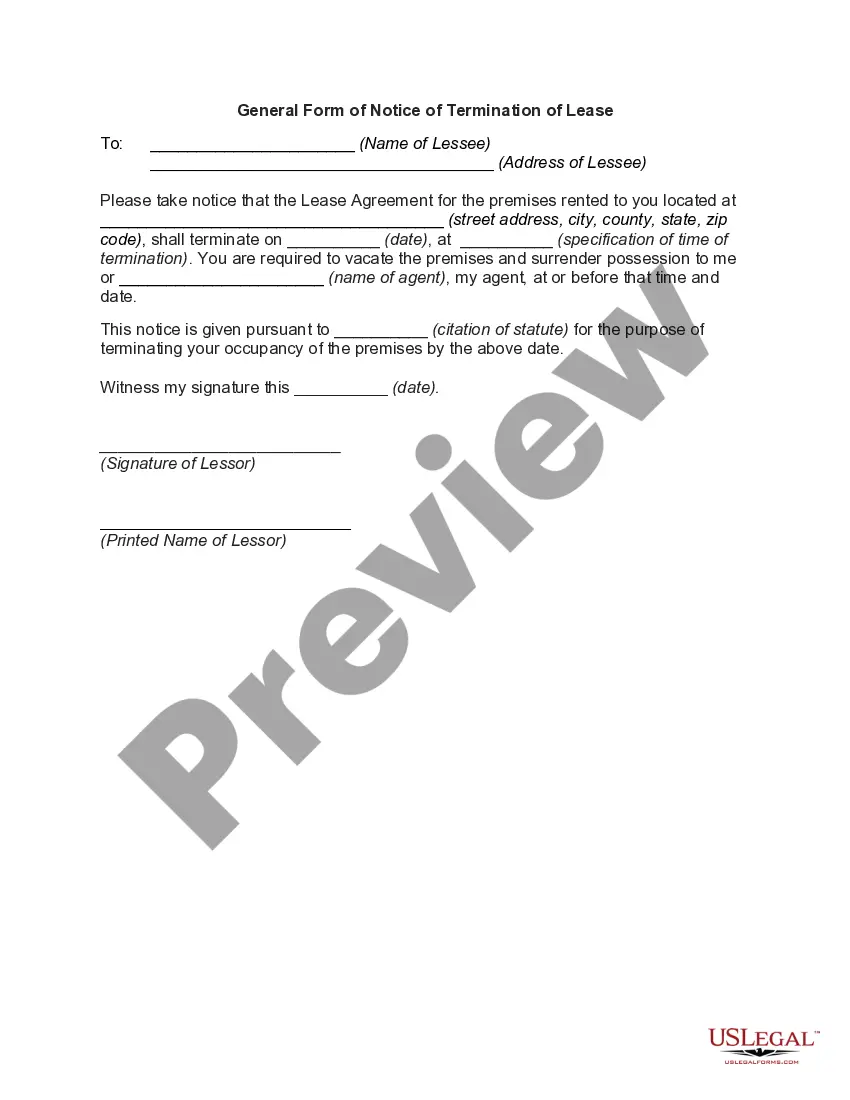

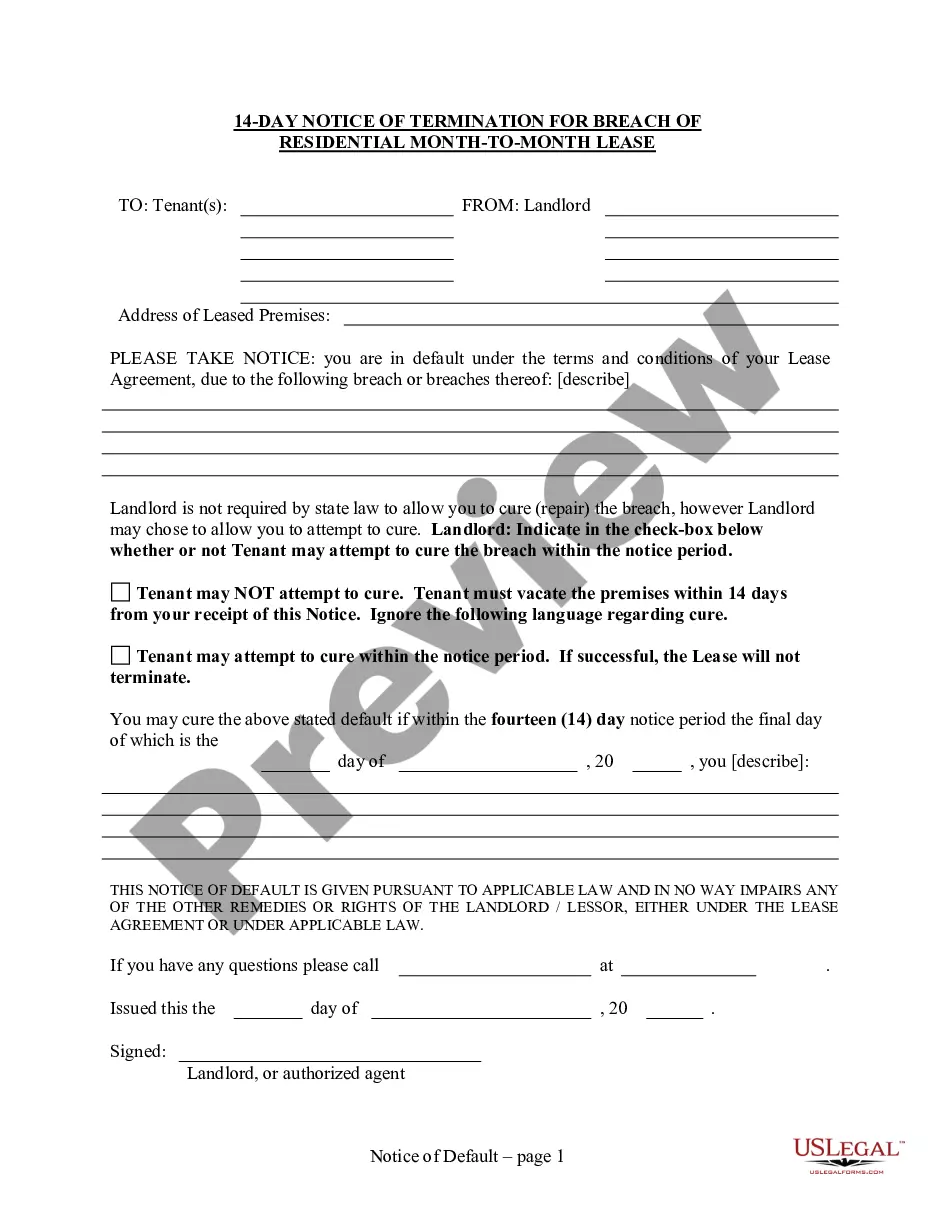
Get your form ready online
Our built-in tools help you complete, sign, share, and store your documents in one place.
Make edits, fill in missing information, and update formatting in US Legal Forms—just like you would in MS Word.
Download a copy, print it, send it by email, or mail it via USPS—whatever works best for your next step.
Sign and collect signatures with our SignNow integration. Send to multiple recipients, set reminders, and more. Go Premium to unlock E-Sign.
If this form requires notarization, complete it online through a secure video call—no need to meet a notary in person or wait for an appointment.
We protect your documents and personal data by following strict security and privacy standards.

Make edits, fill in missing information, and update formatting in US Legal Forms—just like you would in MS Word.

Download a copy, print it, send it by email, or mail it via USPS—whatever works best for your next step.

Sign and collect signatures with our SignNow integration. Send to multiple recipients, set reminders, and more. Go Premium to unlock E-Sign.

If this form requires notarization, complete it online through a secure video call—no need to meet a notary in person or wait for an appointment.

We protect your documents and personal data by following strict security and privacy standards.
Looking for another form?
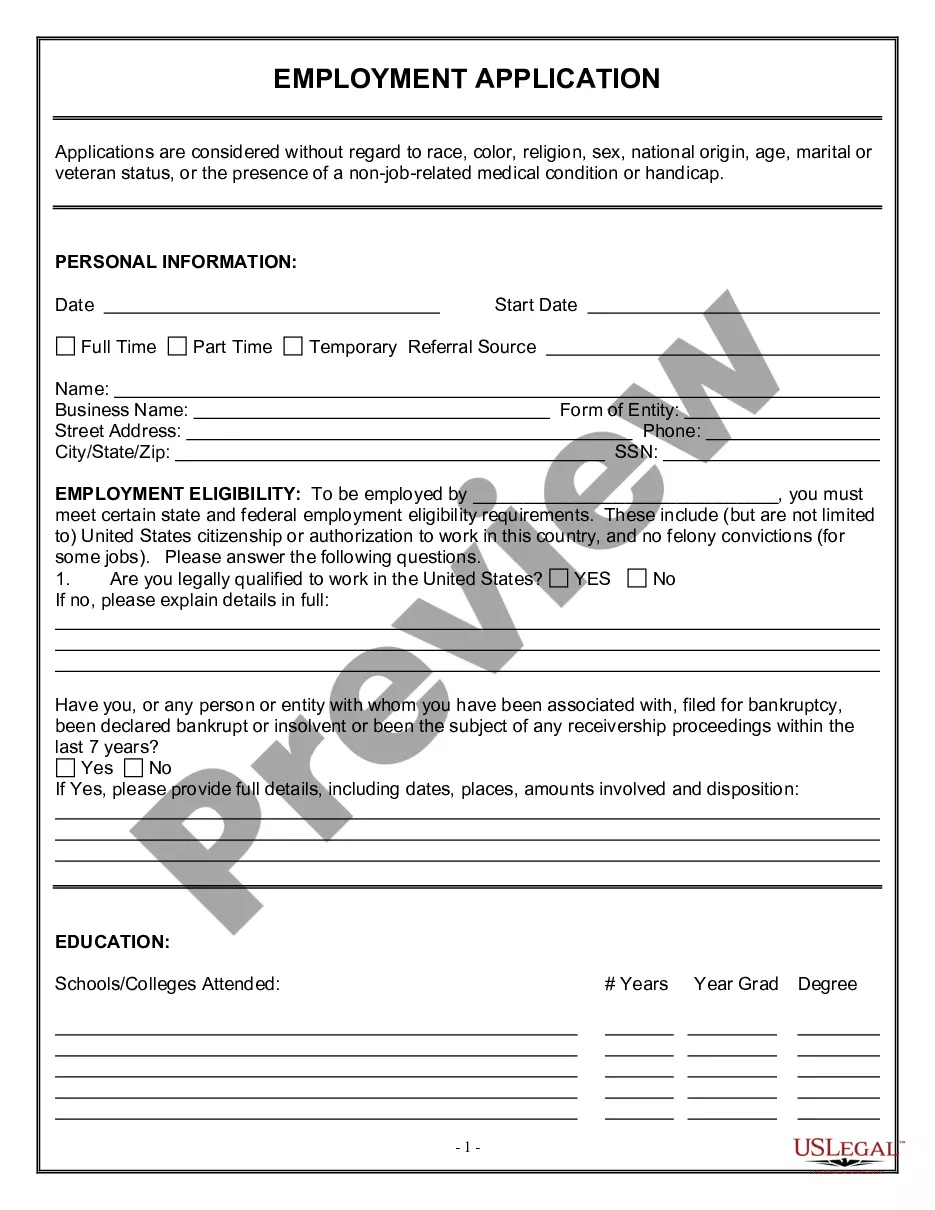


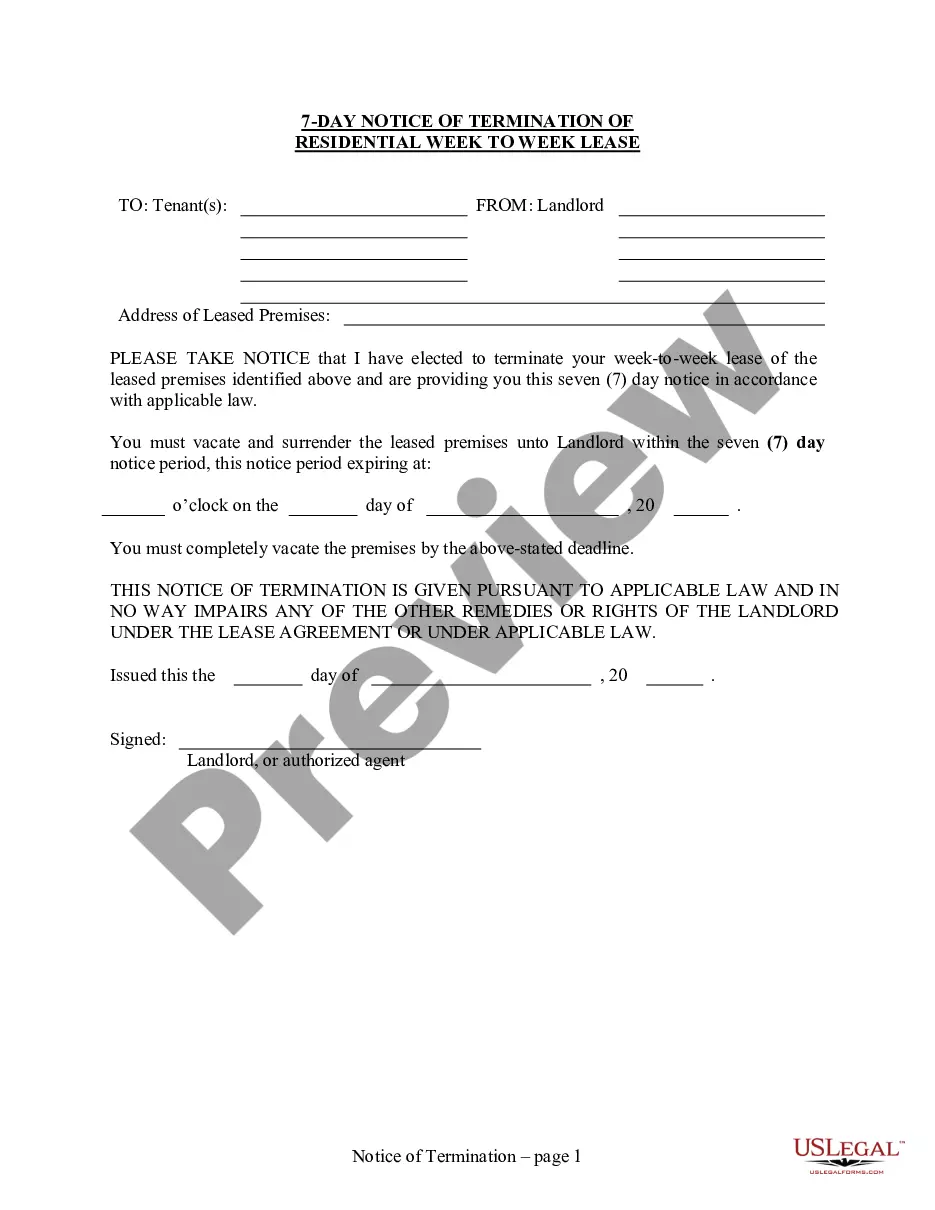
How to fill out Wisconsin 28 Day Notice To Terminate Month To Month Lease - No Right To Cure - Residential?
The Month To Month Rental Agreement In Florida you observe on this page is a reusable formal document crafted by experienced attorneys in compliance with national and state laws and regulations.
For over 25 years, US Legal Forms has delivered individuals, organizations, and legal practitioners with more than 85,000 authenticated, state-specific forms for any commercial and personal situation. It’s the fastest, simplest, and most reliable method to acquire the documentation you require, as the service ensures bank-level data security and anti-malware safeguards.
Subscribe to US Legal Forms to have verified legal documents for all of life's situations at your fingertips.
- Search for the document you require and review it.
- Review the sample you searched for and preview it or examine the form description to verify it meets your needs. If it doesn’t, use the search function to find the correct one. Click Buy Now once you locate the template you need.
- Subscribe and Log In.
- Select the pricing option that works for you and create an account. Use PayPal or a credit card for immediate payment. If you already possess an account, Log In and check your subscription to continue.
- Obtain the editable template.
- Select the format you desire for your Month To Month Rental Agreement In Florida (PDF, DOCX, RTF) and download the document on your device.
- Complete and sign the paperwork.
- Print the template to fill it out manually. Alternatively, use an online multi-functional PDF editor to quickly and accurately complete and sign your form with a legally-binding electronic signature.
- Download your documents again.
- Utilize the same document again as needed. Access the My documents tab in your profile to redownload any previously obtained forms.
Form popularity
FAQ
Finding a month-to-month lease in Florida can be straightforward, especially in urban areas. Many landlords offer such arrangements to attract tenants seeking temporary housing solutions. Utilizing online platforms like USLegalForms can simplify your search and help you find suitable options.
Here's what every debt letter should include: Date of the letter. Lawyer's name, firm, and address. Client's name and address. A subject line that states its purpose. The precise amount the client owed your firm and the date when the payment was due. Instructions on how to pay the debt and the new deadline.
If you choose not to verify your identity by providing information, like your Social Security number, the debt collector will generally ask you for another form of identification, including: Account number for the debt in question, if you know it. Other contact information, such as your current or previous address.
To take legal action to collect a debt, the creditor (the person or company owed money) files a lawsuit against the debtor (the person who owes the money). Once a debt collection lawsuit is filed with the court, the creditor must give the debtor notice of the lawsuit (service).
Under this Act (Title VIII of the Consumer Credit Protection Act), third-party debt collectors are prohibited from using deceptive or abusive conduct in the collection of consumer debts incurred for personal, family, or household purposes.
Evidence of debt means a writing that evidences a promise to pay or a right to the payment of a monetary obligation, such as a promissory note, bond, negotiable instrument, a loan, credit, or similar agreement, or a monetary judgment entered by a court of competent jurisdiction.
It's generally easier for first-party creditors to prove you owe a debt. They simply produce the original credit agreement that shows your name and identifying information, like your address and Social Security number.
In the new changes to Regulation F, the frequency at which a collections agency can contact a consumer has changed. This change, presented in Section 1006.14B21A, addresses telephone call frequency and restricts agencies to contacting a consumer seven times within seven consecutive days.
An effective debt collection letter should include all of the following: The total amount the client owes you. The original date the balance was due. Instructions detailing how to make the overdue payment.