Evicting Tenant For Rent Arrears
Description
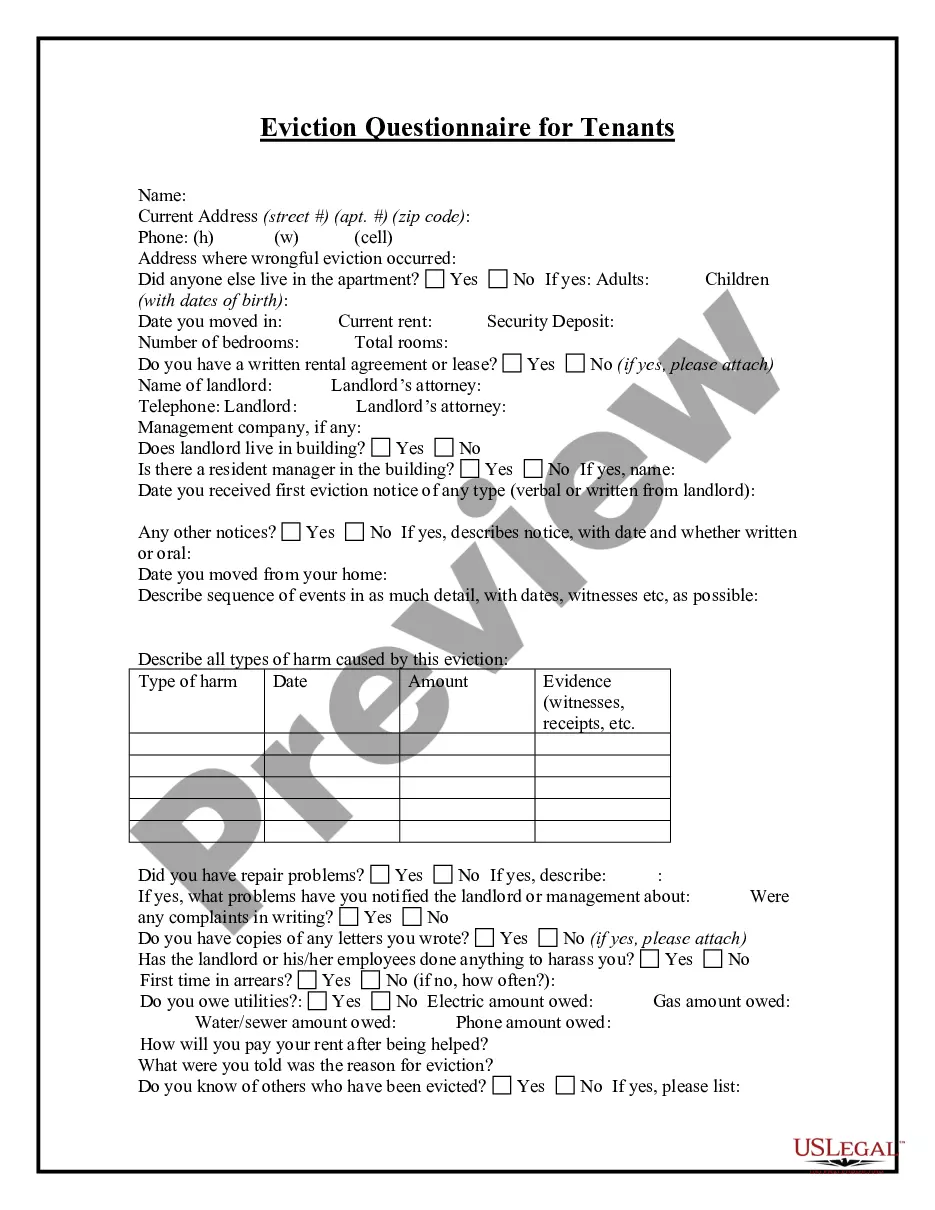
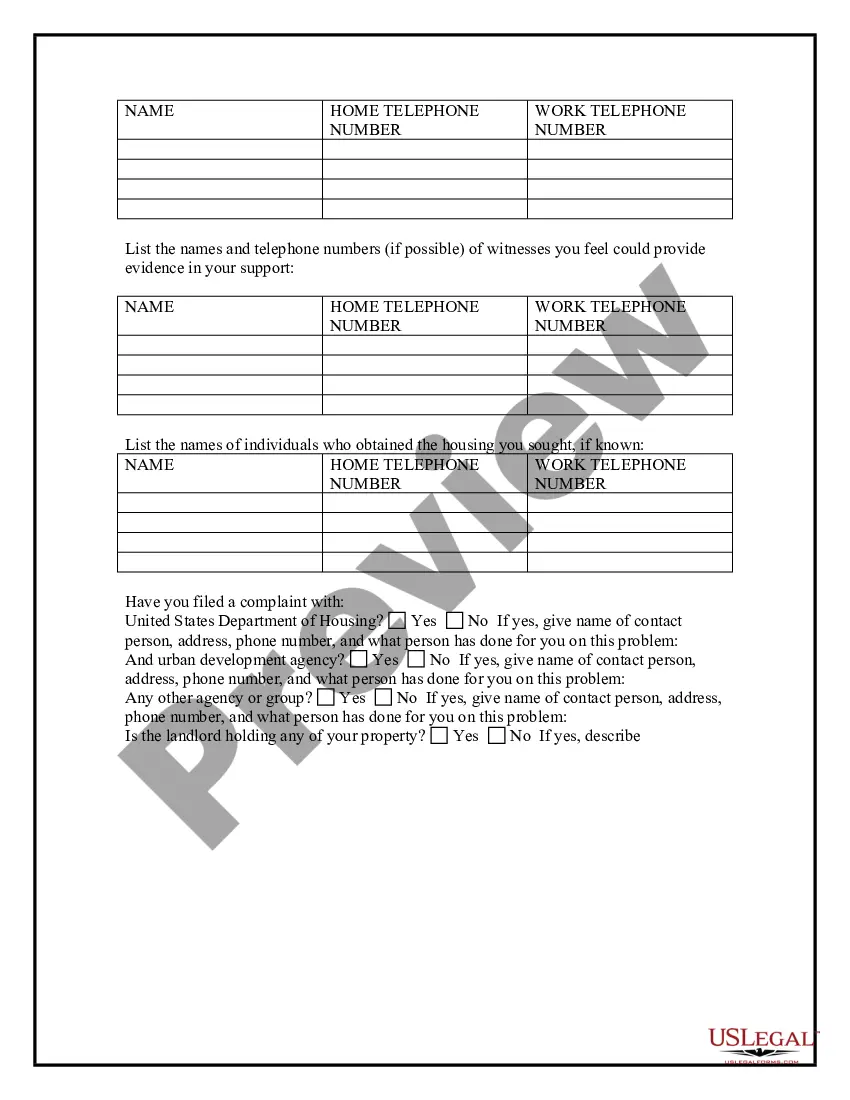
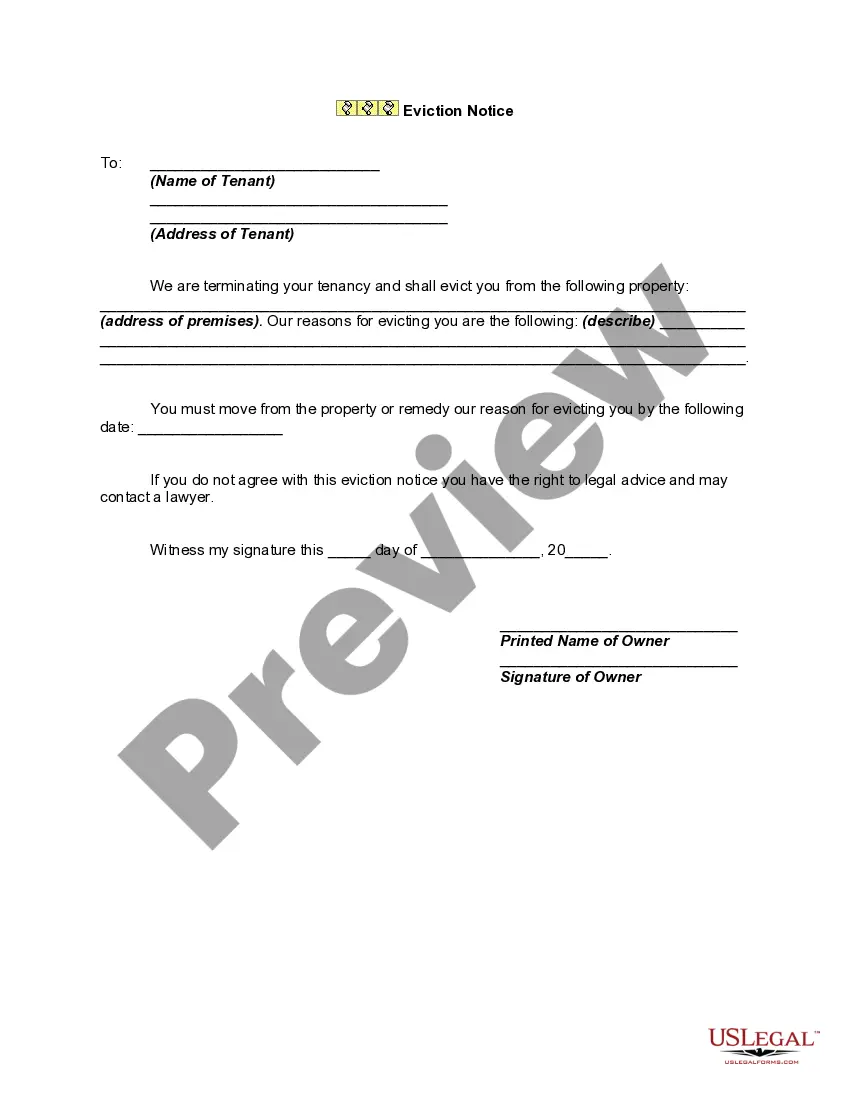
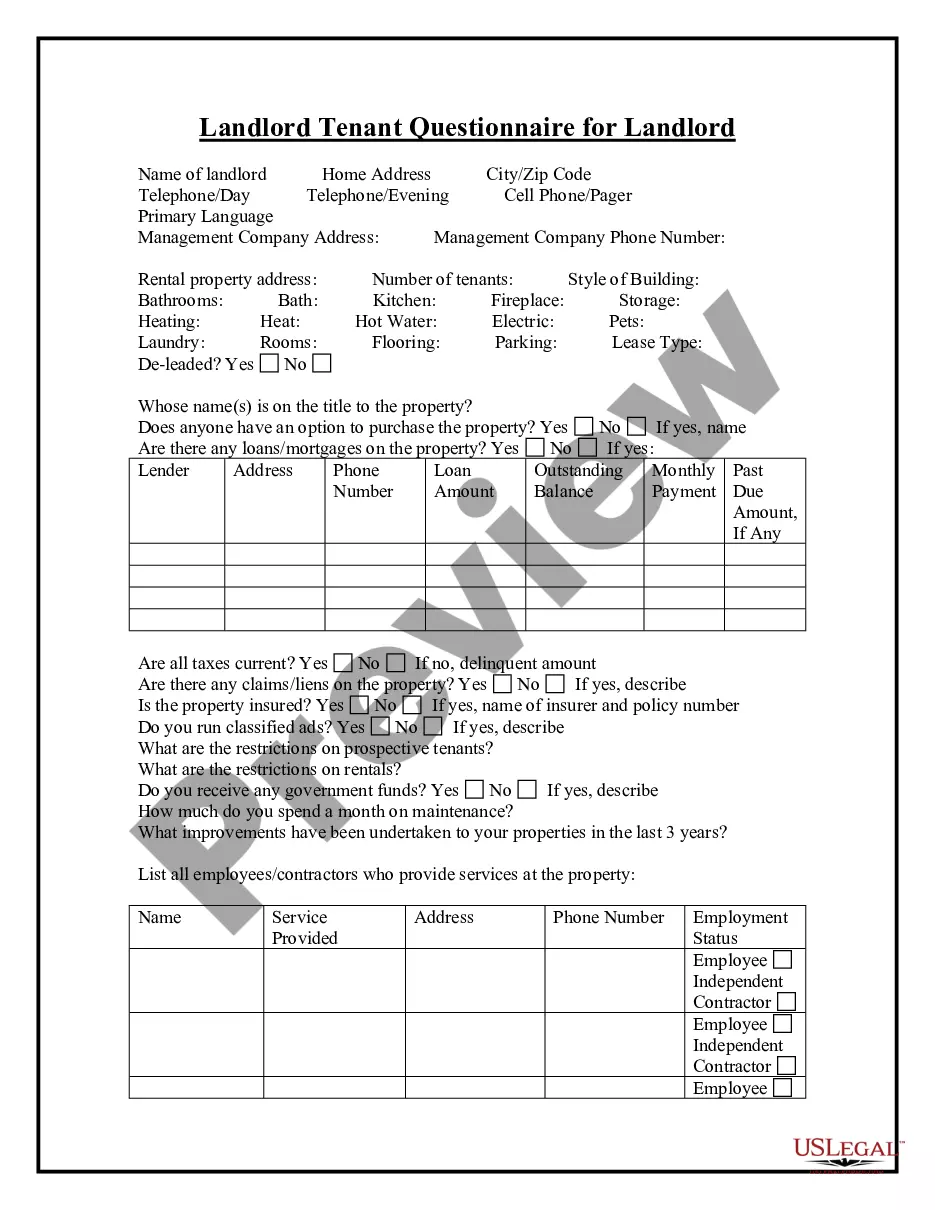
Get your form ready online
Our built-in tools help you complete, sign, share, and store your documents in one place.
Make edits, fill in missing information, and update formatting in US Legal Forms—just like you would in MS Word.
Download a copy, print it, send it by email, or mail it via USPS—whatever works best for your next step.
Sign and collect signatures with our SignNow integration. Send to multiple recipients, set reminders, and more. Go Premium to unlock E-Sign.
If this form requires notarization, complete it online through a secure video call—no need to meet a notary in person or wait for an appointment.
We protect your documents and personal data by following strict security and privacy standards.

Make edits, fill in missing information, and update formatting in US Legal Forms—just like you would in MS Word.

Download a copy, print it, send it by email, or mail it via USPS—whatever works best for your next step.

Sign and collect signatures with our SignNow integration. Send to multiple recipients, set reminders, and more. Go Premium to unlock E-Sign.

If this form requires notarization, complete it online through a secure video call—no need to meet a notary in person or wait for an appointment.

We protect your documents and personal data by following strict security and privacy standards.
Looking for another form?
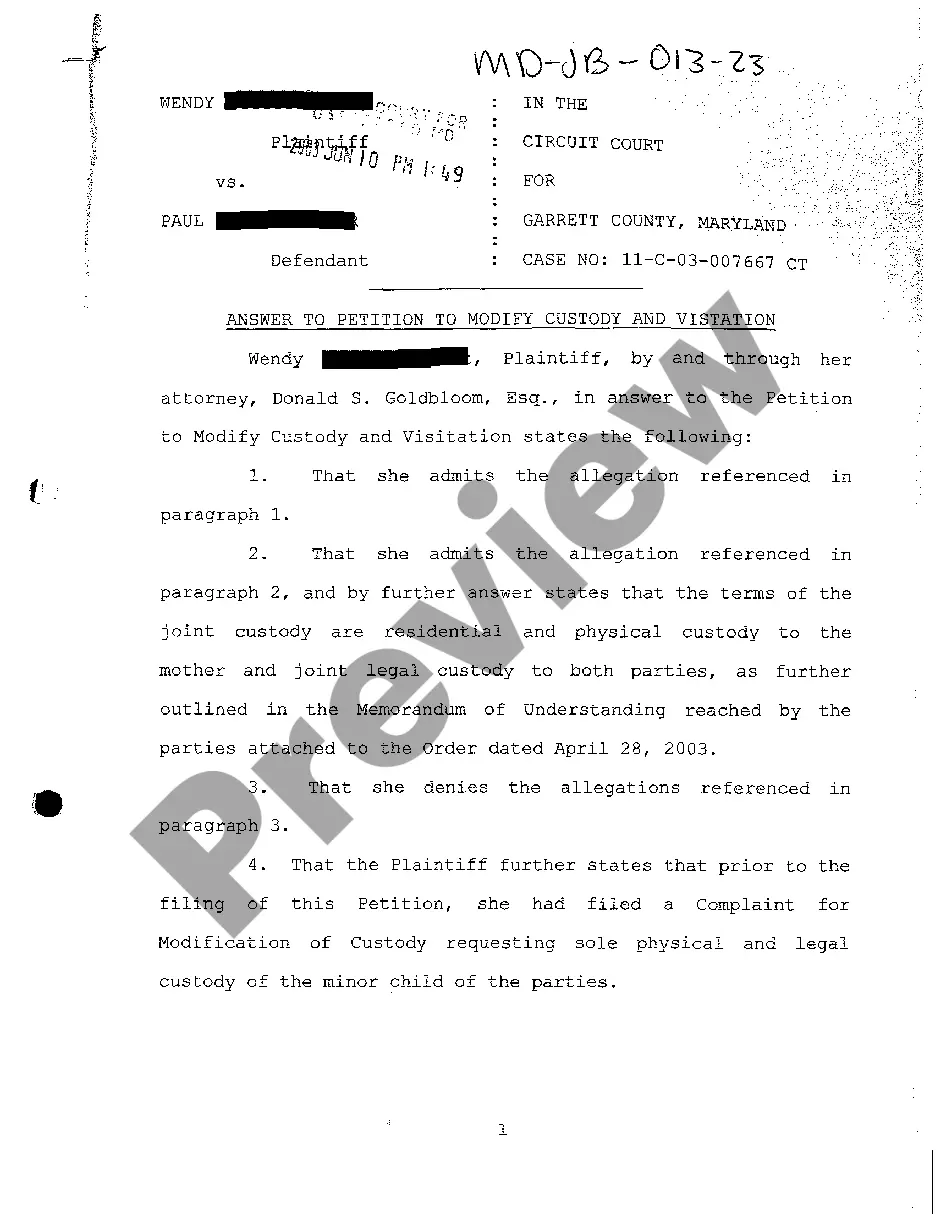
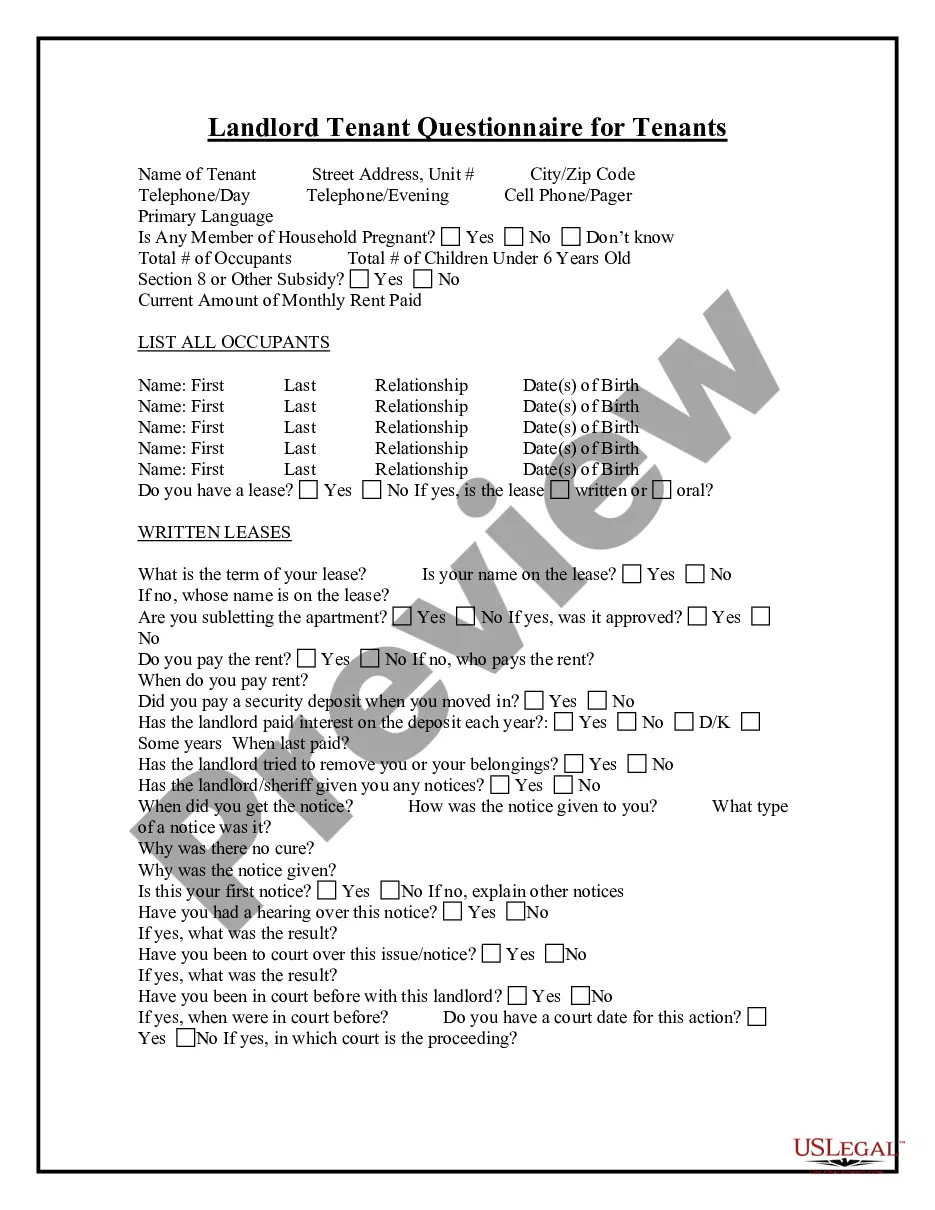
How to fill out Eviction Questionnaire For Tenants?
Acquiring samples of legal documents that adhere to federal and state laws is essential, and the web provides numerous alternatives to choose from.
However, what is the purpose of squandering time searching for the right Evicting Tenant For Rent Arrears template online if the US Legal Forms virtual library has already compiled such forms in one location.
US Legal Forms is the largest digital legal repository with more than 85,000 fillable forms created by attorneys for various professional and personal scenarios. They are simple to navigate, with all documents categorized by state and intended use.
Explore additional samples using the search tool at the page's top if needed. Click Buy Now when you have found the correct form and select a subscription option. Set up an account or sign in, and process your payment via PayPal or a credit card. Choose the format for your Evicting Tenant For Rent Arrears and download it. All templates you discover through US Legal Forms are reusable. To re-download and complete previously acquired forms, access the My documents tab in your account. Enjoy the most extensive and user-friendly legal document service!
- Our experts monitor legal modifications, so you can always be confident that your form is current and complies when obtaining an Evicting Tenant For Rent Arrears from our site.
- Getting an Evicting Tenant For Rent Arrears is straightforward and quick for both existing and new users.
- If you already possess an account with an active subscription, Log In and download the document template you require in the preferred format.
- If you are unfamiliar with our site, follow the instructions below.
- Evaluate the template using the Preview function or through the text summary to confirm it satisfies your requirements.
Form popularity
FAQ
In Michigan, a landlord can initiate an eviction process if rent is more than seven days late. This means that consistently missing payments can quickly lead to potential eviction proceedings. Landlords should ensure they follow all legal protocols to protect their rights. For detailed documents and forms to assist you in the eviction process, consider using USLegalForms, which offers resources specific to evicting tenants for rent arrears.
The 56-day rule in Michigan stipulates that a rental agreement that lasts longer than a year may end automatically if one party provides notice at least 56 days prior to the intended termination date. This rule applies to lease agreements rather than evictions, so it's essential to understand how this may affect your lease strategy. Familiarity with eviction laws, including timelines, is crucial when considering evicting tenants for rent arrears.
Tenants in Michigan may withhold rent if there are significant health and safety violations in the rental property that the landlord has failed to address. It's critical for tenants to document these issues and inform the landlord before withholding rent. Otherwise, it could affect the landlord's ability to evict you for non-payment. For detailed legal advice, you may want to consult resources on evicting tenants for rent arrears.
Yes, you can evict someone without a lease in Michigan, particularly if they are living as a tenant at will. In such cases, you are still required to follow the legal eviction process. This includes providing appropriate notice before moving forward with the eviction. For more guidance on evicting tenants for rent arrears, consider using resources like USLegalForms.
The timeline for eviction in Texas typically starts with a notice to vacate, followed by a court hearing if the tenant does not respond. If the court rules in favor of the landlord, a writ of possession can be issued, allowing the landlord to take back the property. Generally, the entire process can take from a few weeks to a couple of months. Being informed about each step can help both parties manage expectations during eviction for rent arrears.
Tenants can potentially face eviction within weeks of stopping rent payments in Texas. The timeline can vary depending on the landlord's actions and local court schedules. By addressing issues quickly, tenants can possibly avoid eviction for rent arrears. Always document any communications with your landlord regarding payments as it can support your case.
In Texas, a landlord can begin the eviction process as soon as rent is late, typically after the grace period expires. Landlords often send a notice after the first missed payment to explain the situation. Moreover, keeping the lines of communication open can sometimes prevent eviction for rent arrears. It is advisable for tenants to reach out and discuss payment options with their landlord.
In Texas, there is no specific grace period for late rent payments, but landlords typically allow a few days before taking action. If rent is unpaid after the due date, landlords can proceed with the eviction process. Generally, addressing late payments promptly can prevent escalation into eviction for rent arrears. It's crucial for tenants to communicate with their landlords when facing payment difficulties.
The best way to serve an eviction notice is to deliver it in person or send it via certified mail. Ensure that the notice clearly states the reason for eviction and the amount owed. This method provides proof of notice, which is crucial for the eviction process. Utilizing templates from US Legal can help in crafting a legally sound eviction notice.
The time it takes to evict someone in California for not paying rent can vary, but generally, it takes about 30 to 60 days. After giving the notice, if the tenant does not comply, the court process can take two to four weeks for a judgment, plus additional time for the sheriff to execute the eviction. Staying informed and using platforms like US Legal Forms can help you navigate the timeline efficiently and effectively.