Wrongful Birth
Description
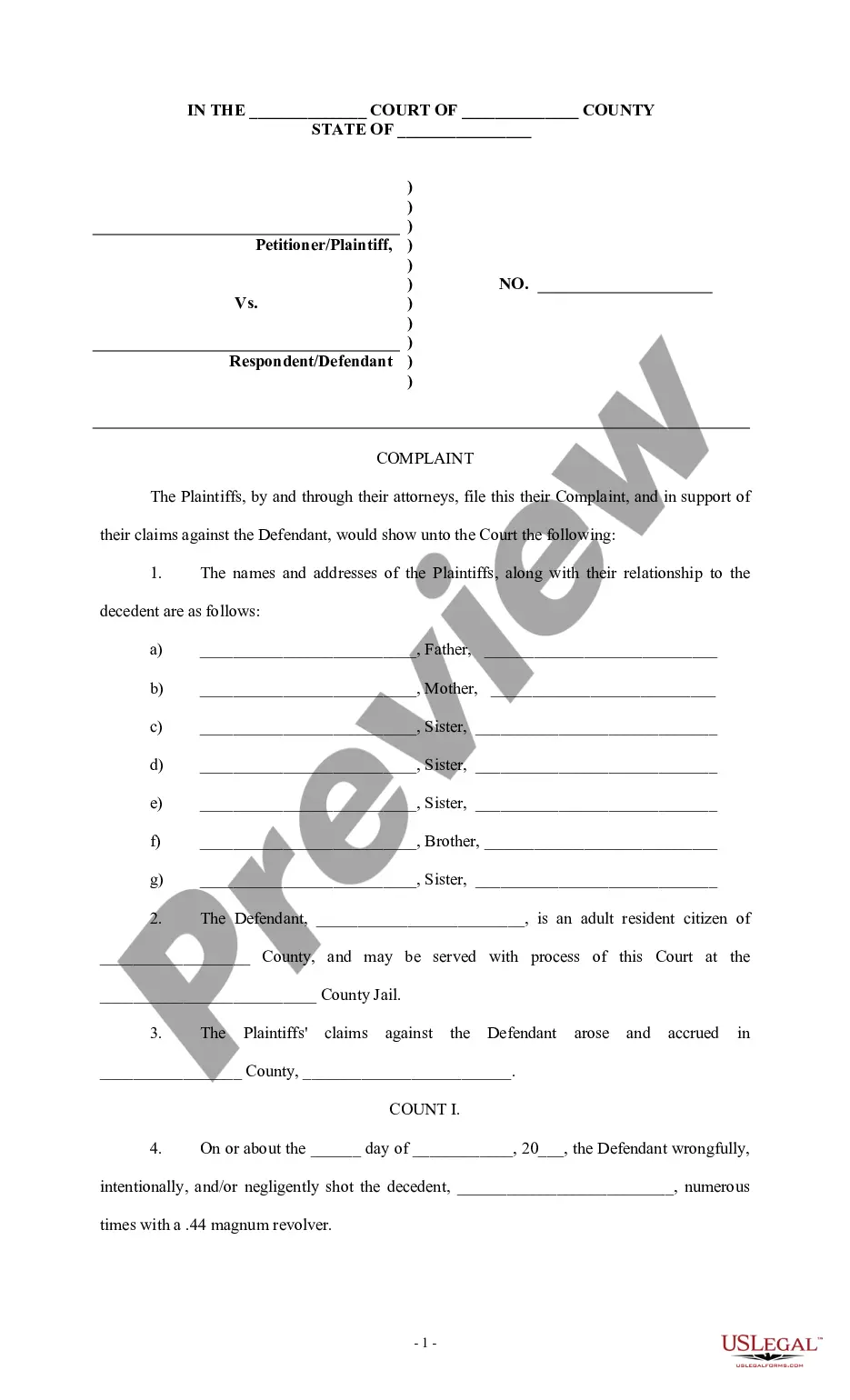
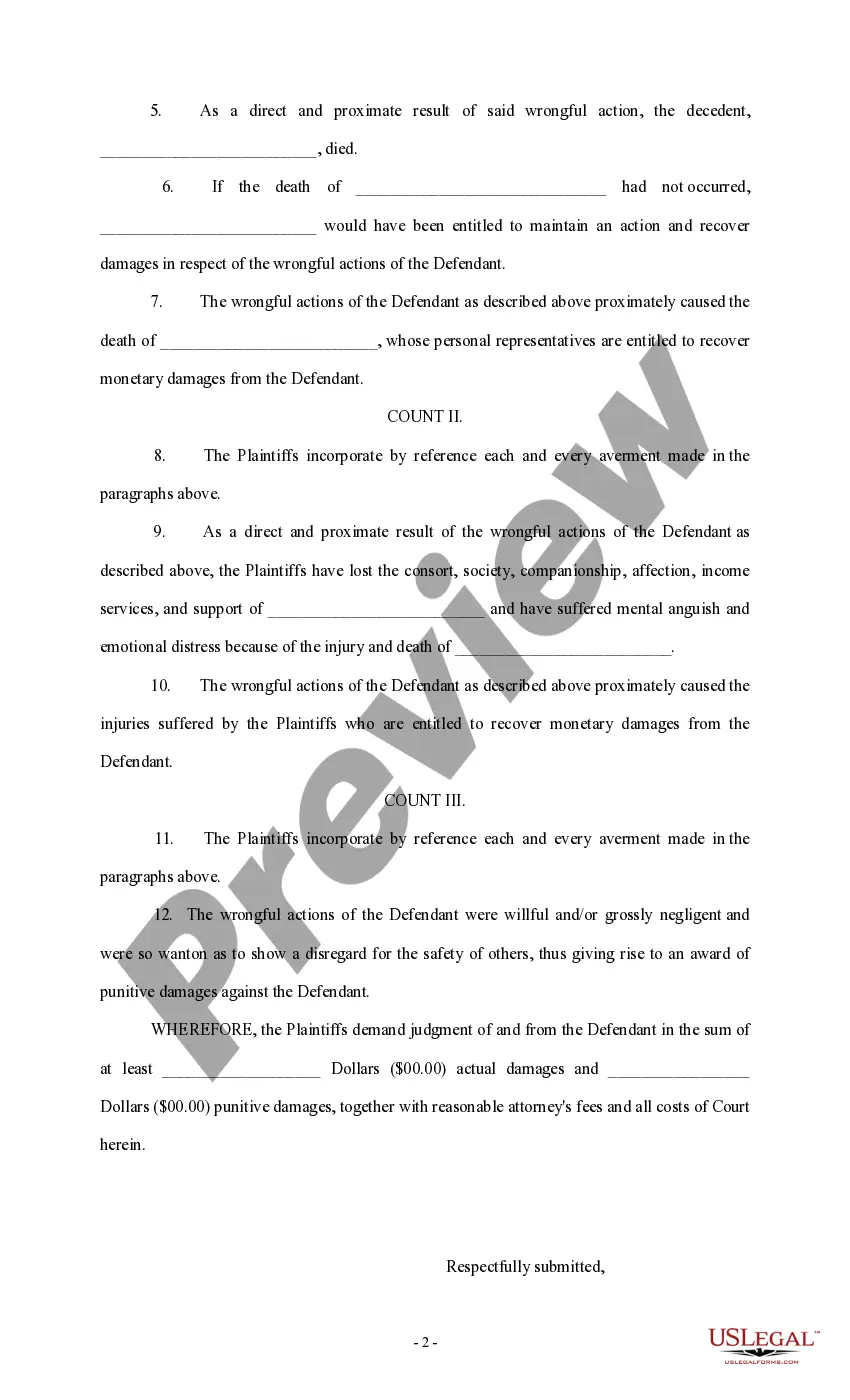
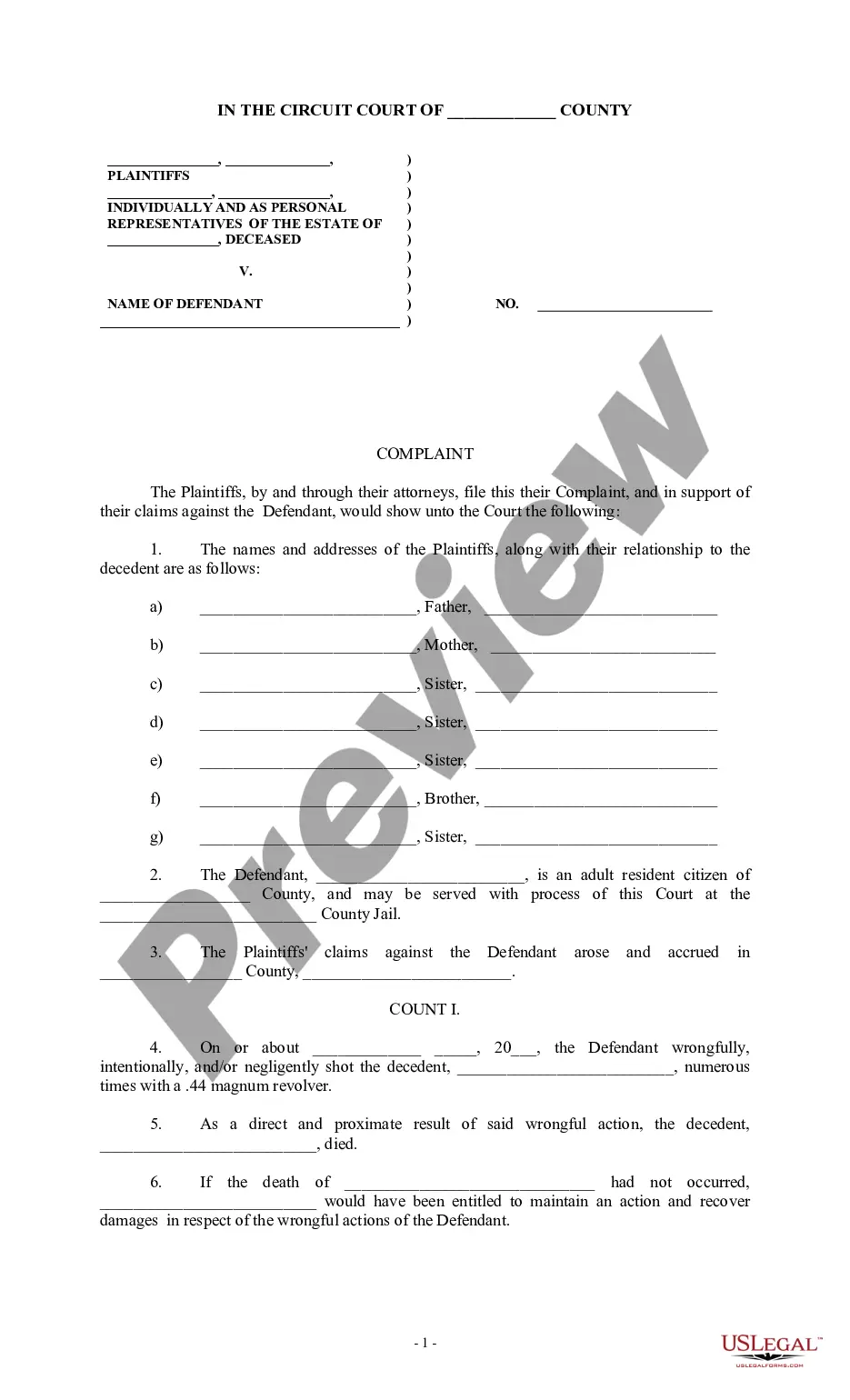

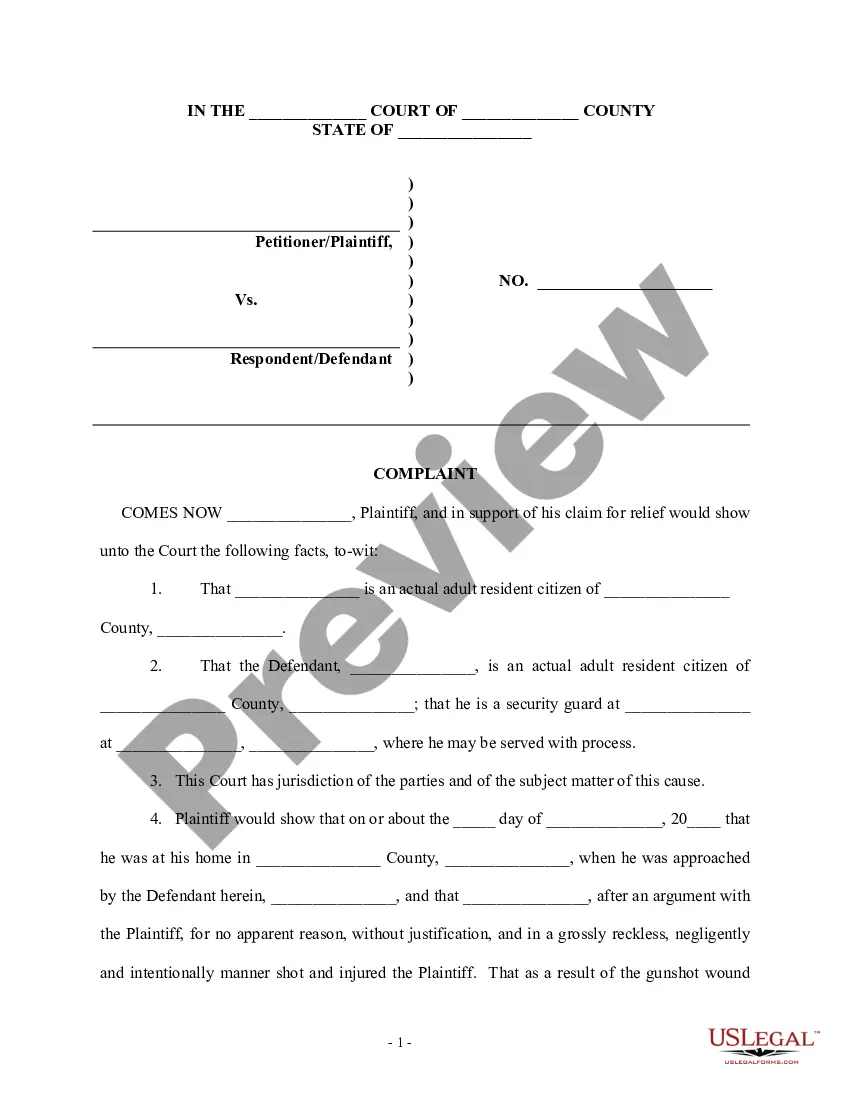
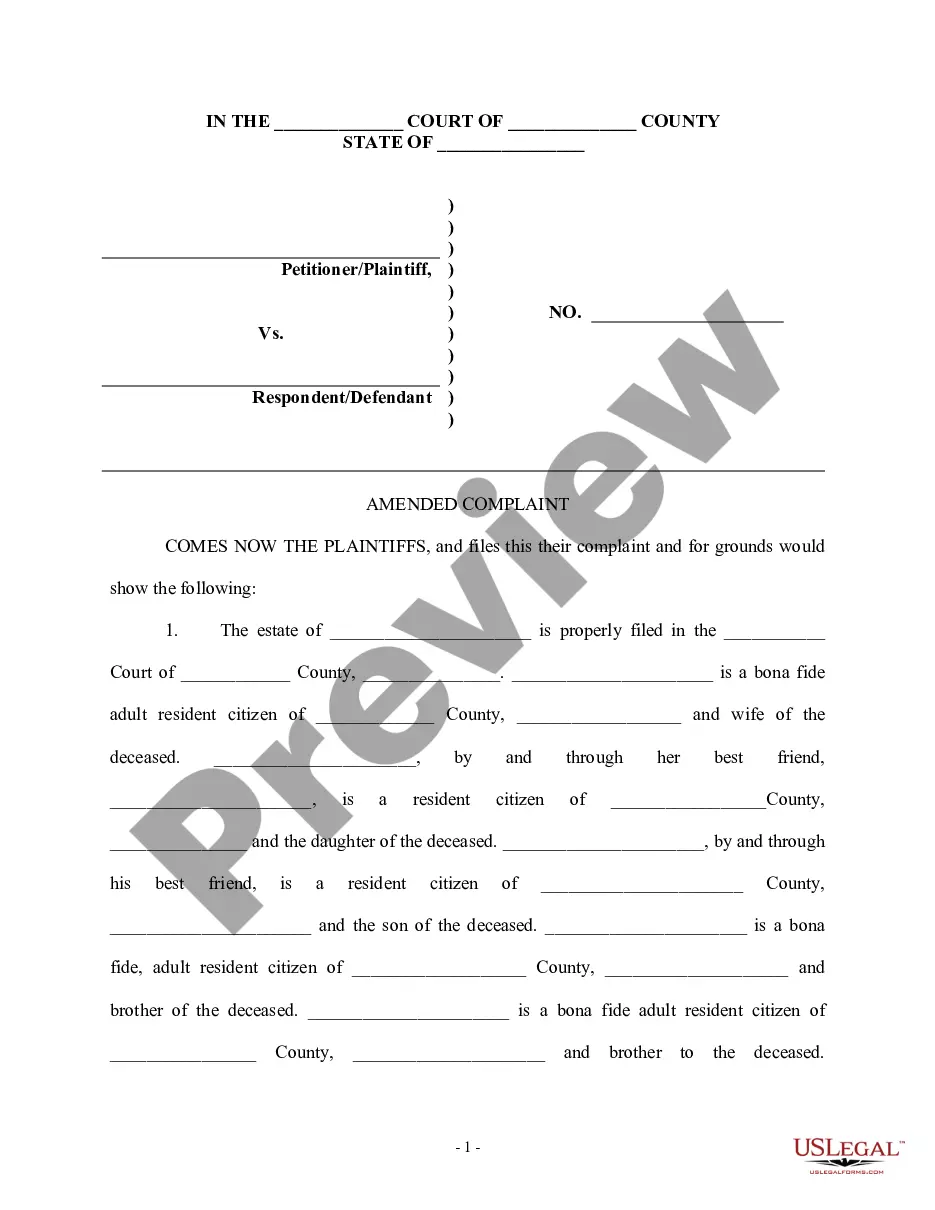
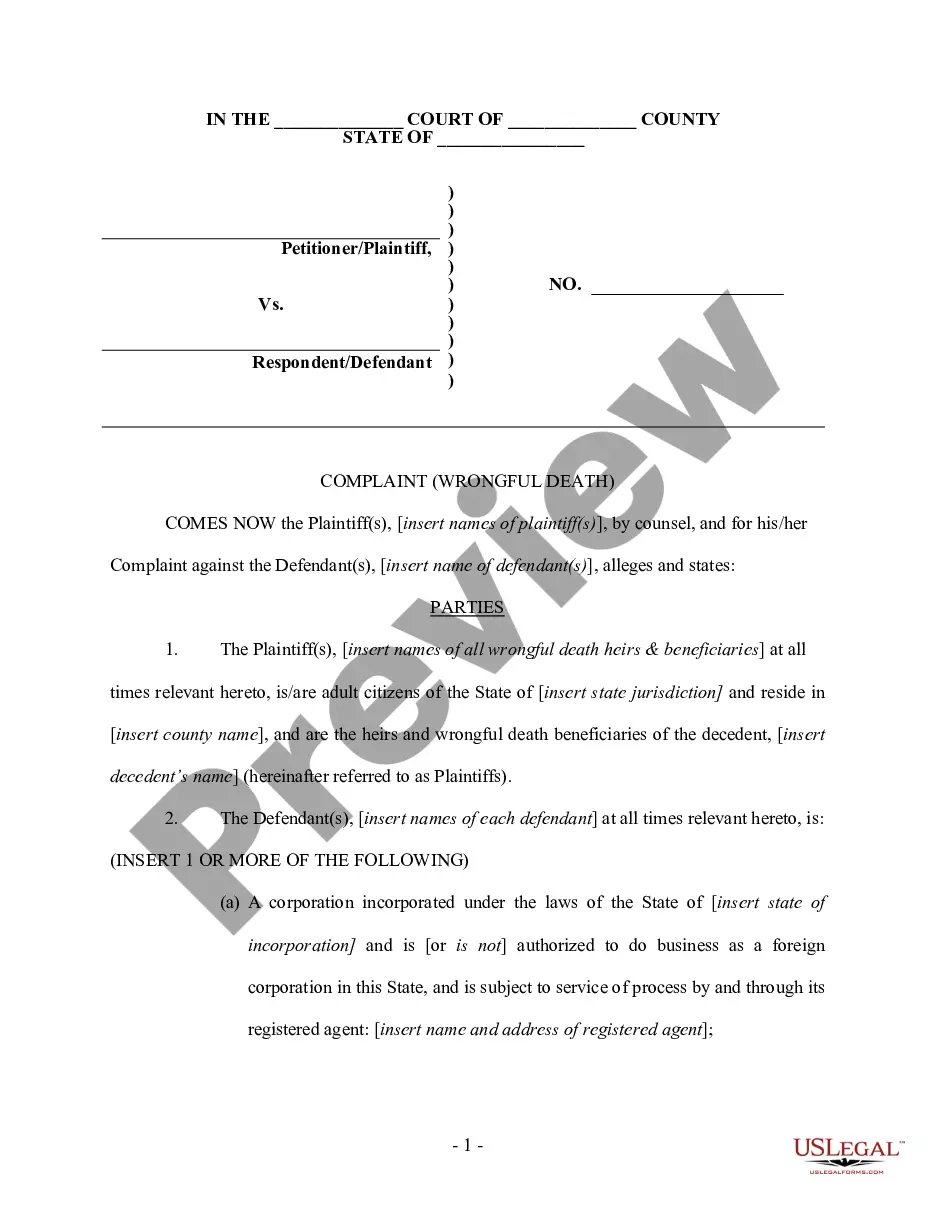
Get your form ready online
Our built-in tools help you complete, sign, share, and store your documents in one place.
Make edits, fill in missing information, and update formatting in US Legal Forms—just like you would in MS Word.
Download a copy, print it, send it by email, or mail it via USPS—whatever works best for your next step.
Sign and collect signatures with our SignNow integration. Send to multiple recipients, set reminders, and more. Go Premium to unlock E-Sign.
If this form requires notarization, complete it online through a secure video call—no need to meet a notary in person or wait for an appointment.
We protect your documents and personal data by following strict security and privacy standards.

Make edits, fill in missing information, and update formatting in US Legal Forms—just like you would in MS Word.

Download a copy, print it, send it by email, or mail it via USPS—whatever works best for your next step.

Sign and collect signatures with our SignNow integration. Send to multiple recipients, set reminders, and more. Go Premium to unlock E-Sign.

If this form requires notarization, complete it online through a secure video call—no need to meet a notary in person or wait for an appointment.

We protect your documents and personal data by following strict security and privacy standards.
Looking for another form?
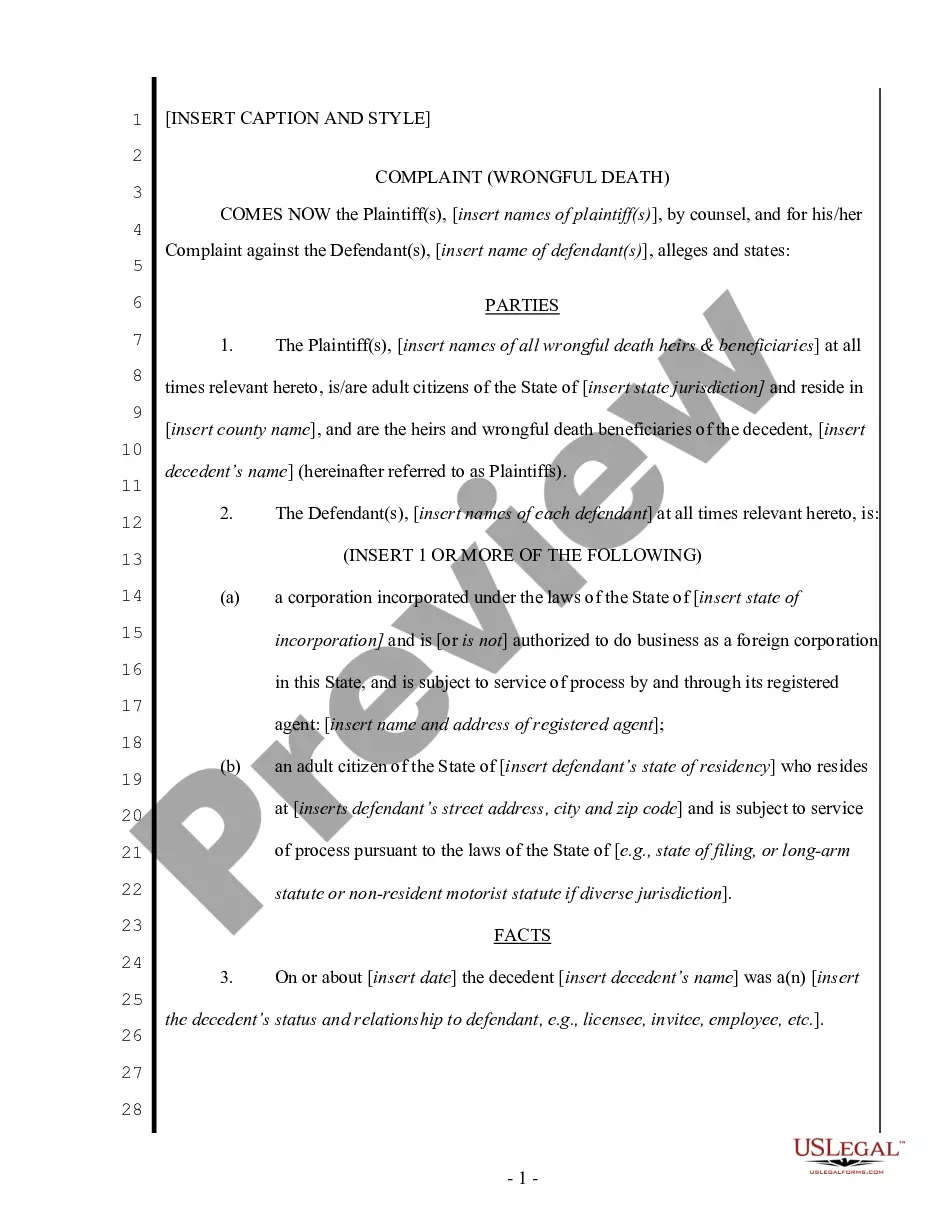
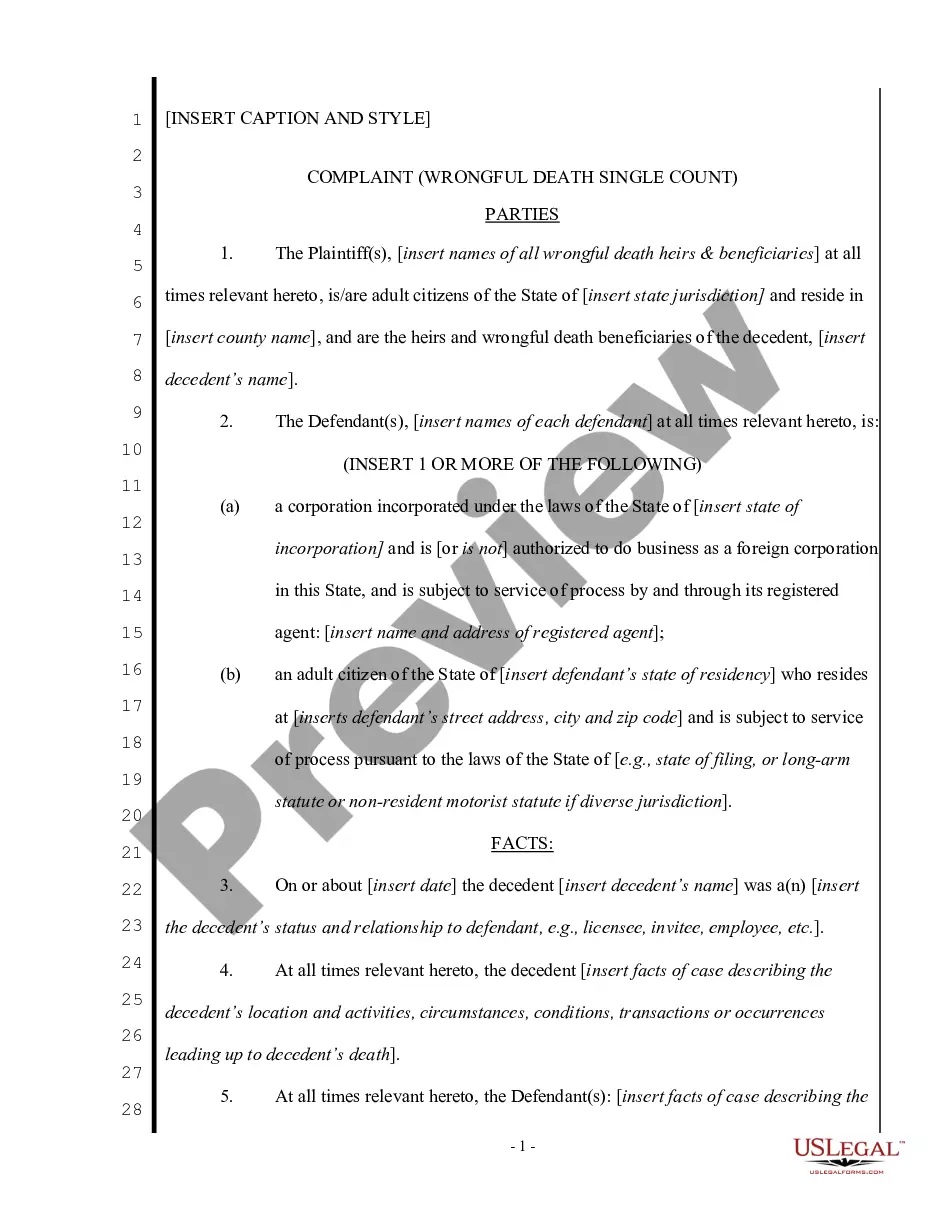
How to fill out Complaint For Personal Injury And Wrongful Death Due To Shooting / Violence?
- Log into your US Legal Forms account if you're an existing user. Make sure your subscription is still active; if it's expired, renew it based on your payment preferences.
- Review the available templates in Preview mode to determine if the wrongful birth form meets your requirements and adheres to your local laws.
- If the form doesn't meet your needs, utilize the Search feature to find the appropriate template.
- Once you find the right document, click on the 'Buy Now' button and select your subscription plan. You'll need to create an account to access the library's resources.
- Complete your purchase by entering your payment information, whether it's via credit card or PayPal.
- After your purchase is confirmed, download the wrongful birth form to your device. You can access it anytime via the 'My Forms' section in your profile.
US Legal Forms simplifies the process of obtaining legal documents, allowing you to focus on important matters. With their extensive resources and expert support, you can trust that your paperwork will be thorough and accurate.
Take control of your legal needs today by exploring US Legal Forms and acquiring the wrongful birth documents you require.
Form popularity
FAQ
An example of wrongful life occurs when parents claim that they would have chosen not to conceive a child if they had been informed of severe genetic disorders. If a child is born with a disability that could have been detected through prenatal testing, they might argue that their existence itself constitutes a wrongful life. This situation illustrates the complexity of wrongful birth cases and highlights the importance of comprehensive medical advice during pregnancy.
Wrongful conception and wrongful life are distinct legal concepts related to the consequences of unwanted pregnancies. Wrongful conception occurs when a healthcare provider fails to prevent pregnancy, usually through a failed sterilization procedure. On the other hand, wrongful life involves claims made on behalf of a child who argues that they should not have been born due to genetic disabilities. Understanding these terms is crucial for anyone exploring legal rights surrounding wrongful birth.
The concepts of wrongful birth and wrongful conception deal with different aspects of parenthood and decision-making. Wrongful birth focuses on the arguments made by parents regarding their decision to give birth based on incomplete medical guidance. On the other hand, wrongful conception claims arise when individuals argue that medical negligence led to an unexpected pregnancy despite attempts to avoid it. Both actions illustrate the complex emotions and legal considerations surrounding reproductive choices.
While wrongful birth and wrongful life actions are closely related, they serve distinct purposes in law. A wrongful birth action is initiated by parents, focusing on the lack of information that would have influenced their decision to conceive. Conversely, a wrongful life action is filed by the child, arguing that they were wrongfully born into life due to medical negligence. Understanding these differences can clarify the legal implications and outcomes for those affected by these situations.
A wrongful birth claim occurs when parents hold a medical professional liable for not providing proper information about risks or conditions that may affect their pregnancy. In essence, this legal action argues that the parents would have chosen not to give birth had they known the potential challenges their child would face. This type of claim often cites factors like genetic disorders or severe disabilities. Therefore, wrongful birth claims seek to address the emotional and financial burdens placed on families due to unforeseen circumstances.
The terms wrongful life and wrongful birth often cause confusion, but they refer to different legal concepts. Wrongful life claims arise when a child asserts that they should not have been born due to a doctor's negligence. In contrast, wrongful birth claims involve the parents, who argue that had they known of certain conditions or risks, they would have opted for an abortion, thereby preventing the birth of a child. Both legal concepts highlight the emotional and financial ramifications associated with unexpected births.
The tort of wrongful birth provides a legal avenue for parents to seek damages for the unexpected financial burdens of raising a child due to a failed medical outcome. This tort recognizes that the birth of a child, in cases of negligence, can lead to unforeseen emotional and financial challenges for parents. Utilizing resources like U.S. Legal Forms can help streamline the process of filing a wrongful birth claim and provide necessary guidance.
Wrongful birth pertains to parents who claim that a child should not have been born due to negligence in medical practice, while wrongful life focuses on the child's perspective, arguing they should not have been born due to their suffering. Both legal actions deal with the consequences of inadequate medical care but differ in whose rights and experiences they emphasize. Understanding these distinctions is important for navigating wrongful birth claims.
The tort law of wrongful birth allows parents to seek compensation for the unexpected costs associated with raising a child born with disabilities or health issues, due to medical negligence. This legal framework acknowledges the emotional and financial strains that come with caring for a child with special needs. Engaging with legal experts familiar with wrongful birth can guide parents through this complex process effectively.
Negligence in birth defects refers to a situation where a healthcare provider fails to meet the standard of care, resulting in a child being born with preventable defects. This could involve incorrect medical advice, missed diagnoses, or inadequate prenatal care. Understanding the implications of negligence is crucial for parents considering wrongful birth claims, as it intertwines with the broader context of a child's wellbeing and parental expectations.