Summary Dismissal For
Description
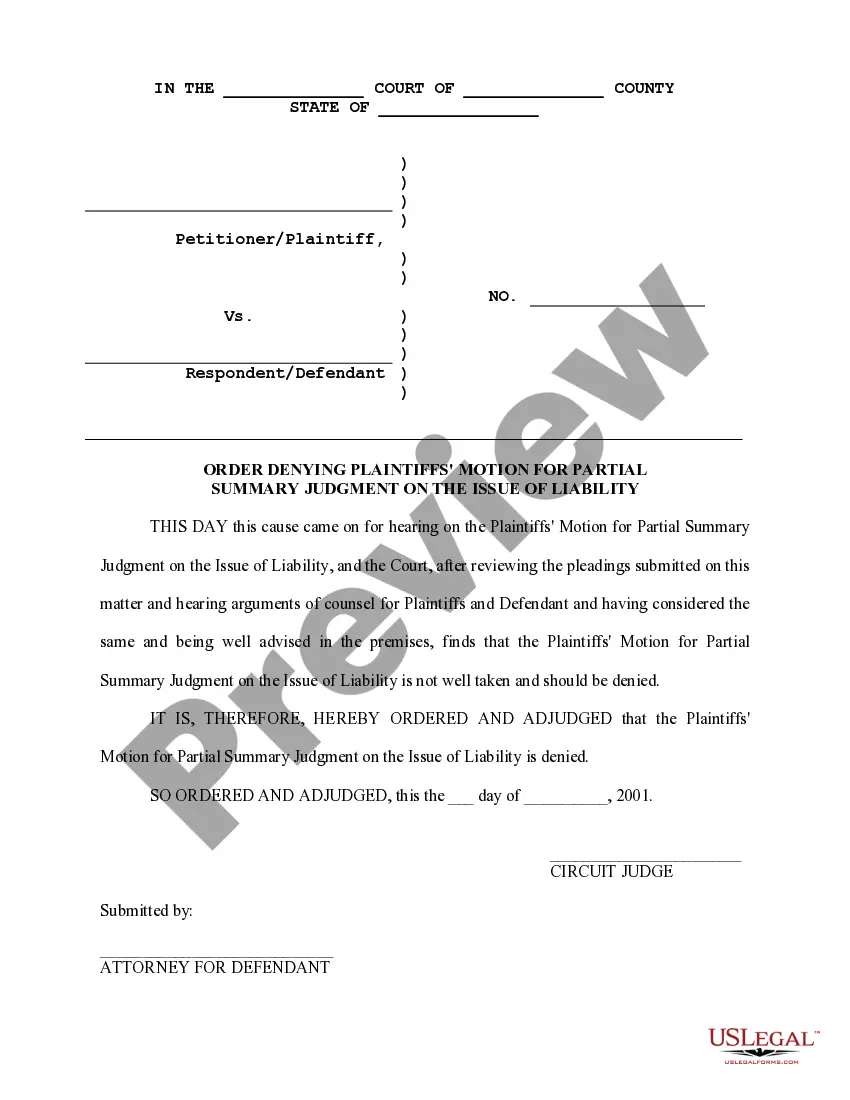
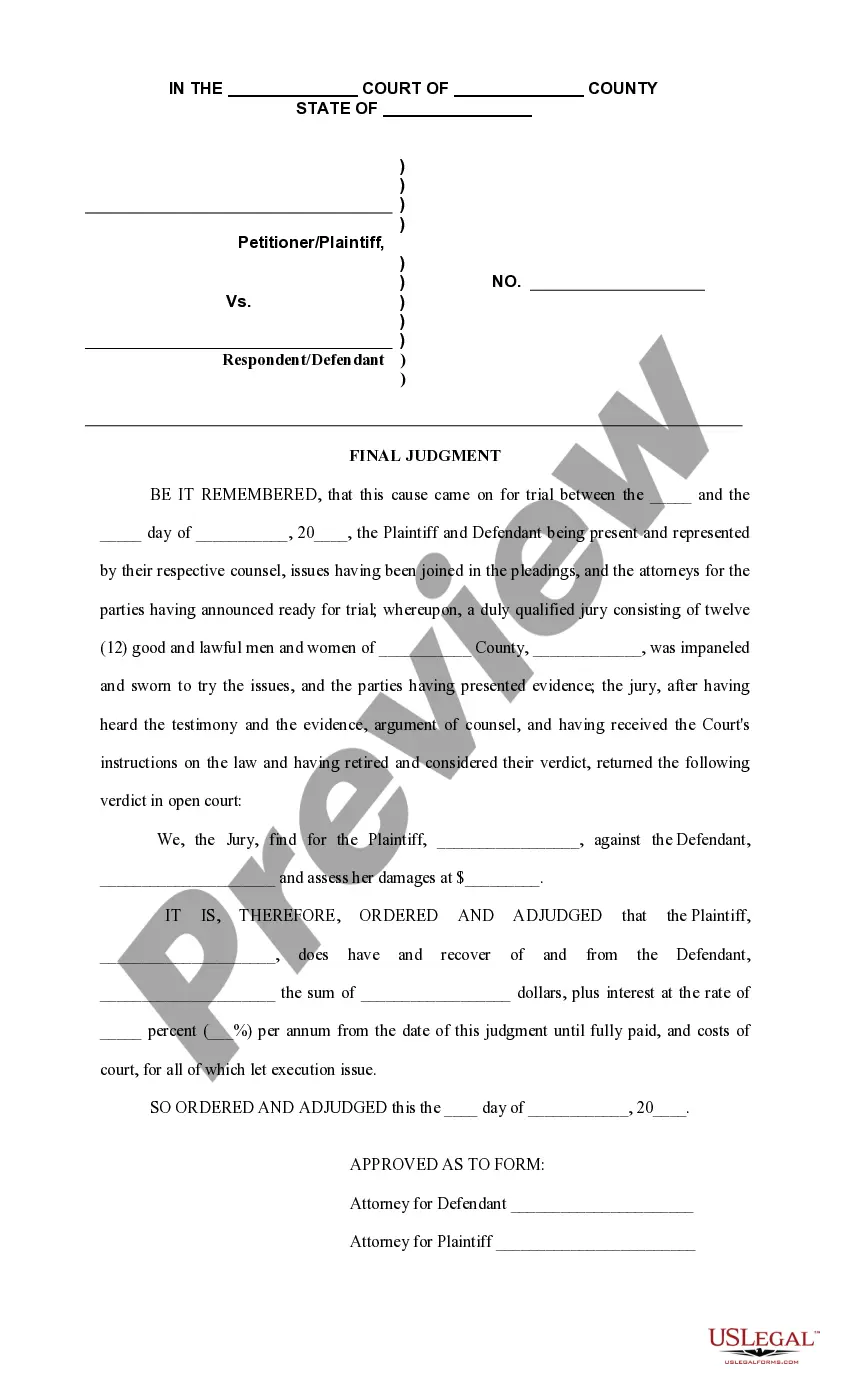
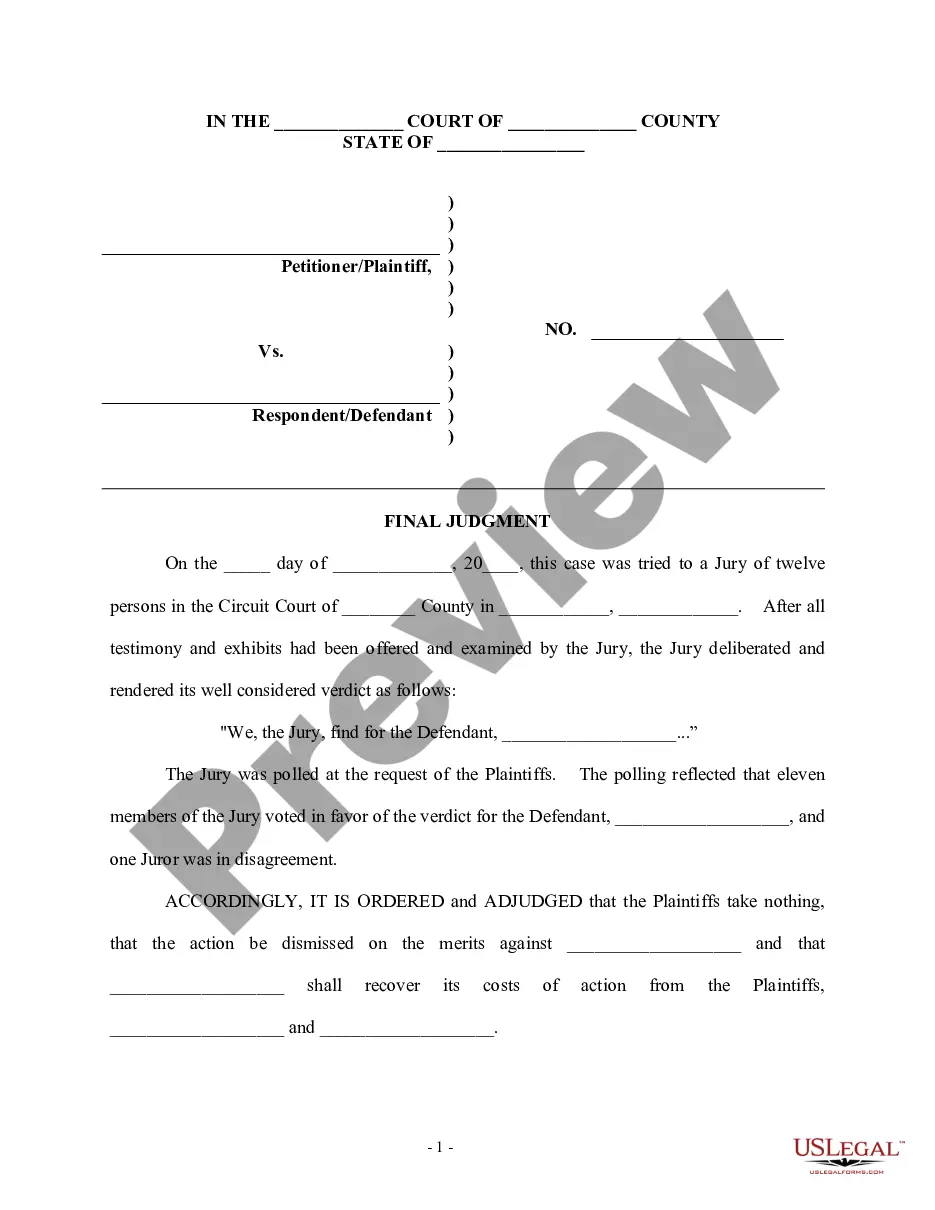
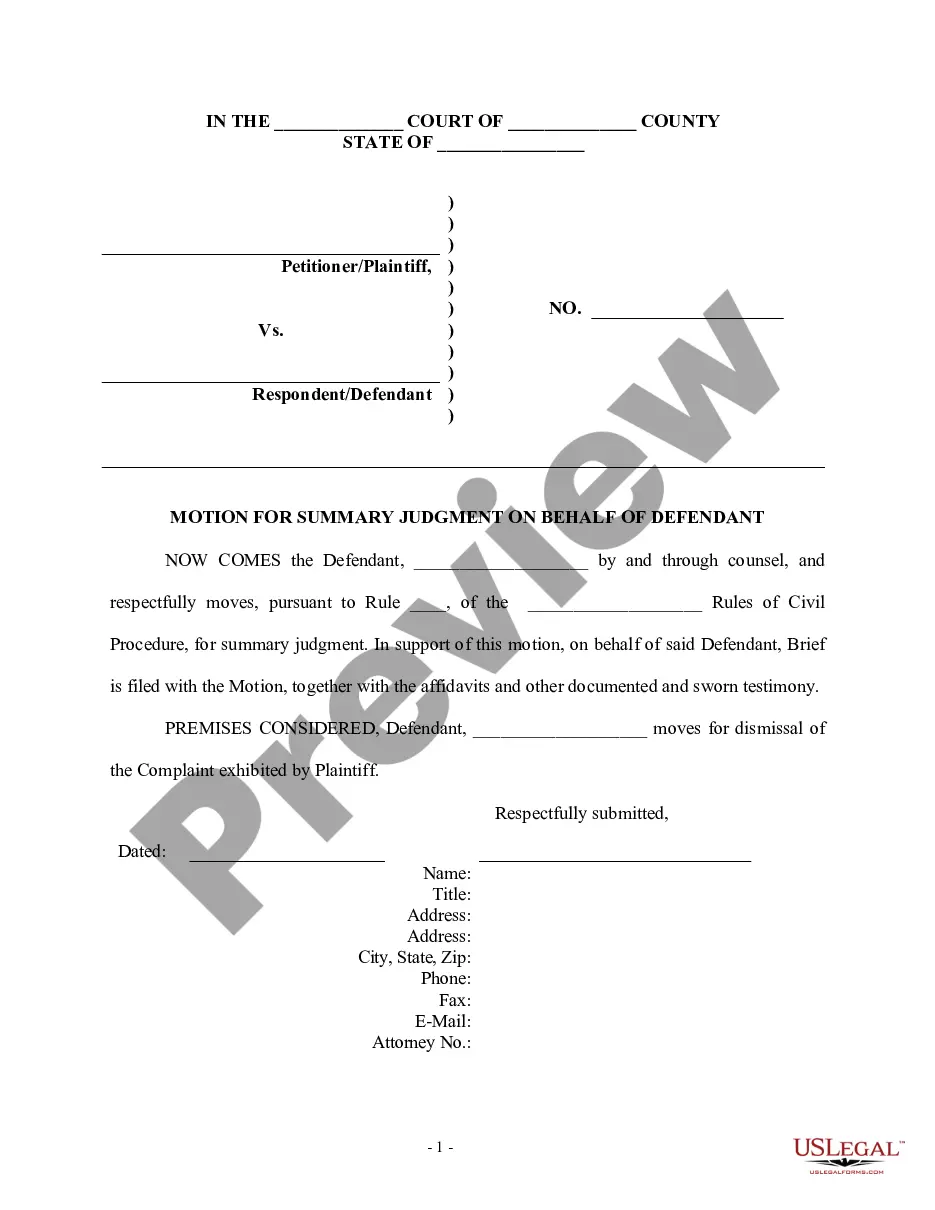
Get your form ready online
Our built-in tools help you complete, sign, share, and store your documents in one place.
Make edits, fill in missing information, and update formatting in US Legal Forms—just like you would in MS Word.
Download a copy, print it, send it by email, or mail it via USPS—whatever works best for your next step.
Sign and collect signatures with our SignNow integration. Send to multiple recipients, set reminders, and more. Go Premium to unlock E-Sign.
If this form requires notarization, complete it online through a secure video call—no need to meet a notary in person or wait for an appointment.
We protect your documents and personal data by following strict security and privacy standards.

Make edits, fill in missing information, and update formatting in US Legal Forms—just like you would in MS Word.

Download a copy, print it, send it by email, or mail it via USPS—whatever works best for your next step.

Sign and collect signatures with our SignNow integration. Send to multiple recipients, set reminders, and more. Go Premium to unlock E-Sign.

If this form requires notarization, complete it online through a secure video call—no need to meet a notary in person or wait for an appointment.

We protect your documents and personal data by following strict security and privacy standards.
Looking for another form?

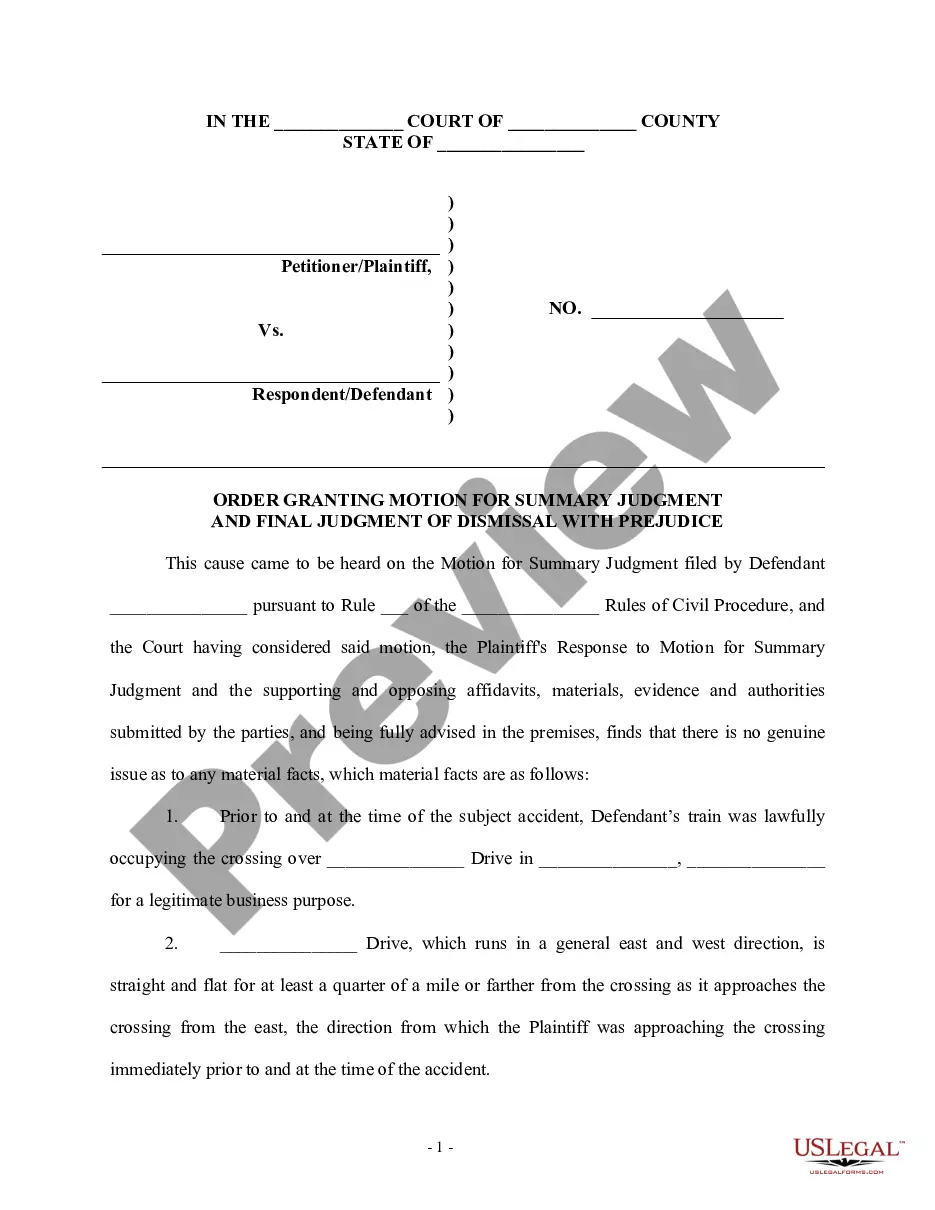
How to fill out Order Granting Motion For Summary Judgment And Final Judgment Of Dismissal With Prejudice?
Whether for business purposes or for individual affairs, everyone has to deal with legal situations sooner or later in their life. Filling out legal documents needs careful attention, beginning from selecting the proper form sample. For instance, when you choose a wrong edition of the Summary Dismissal For, it will be turned down when you send it. It is therefore important to have a reliable source of legal files like US Legal Forms.
If you need to obtain a Summary Dismissal For sample, stick to these simple steps:
- Find the template you need by using the search field or catalog navigation.
- Look through the form’s description to ensure it matches your case, state, and county.
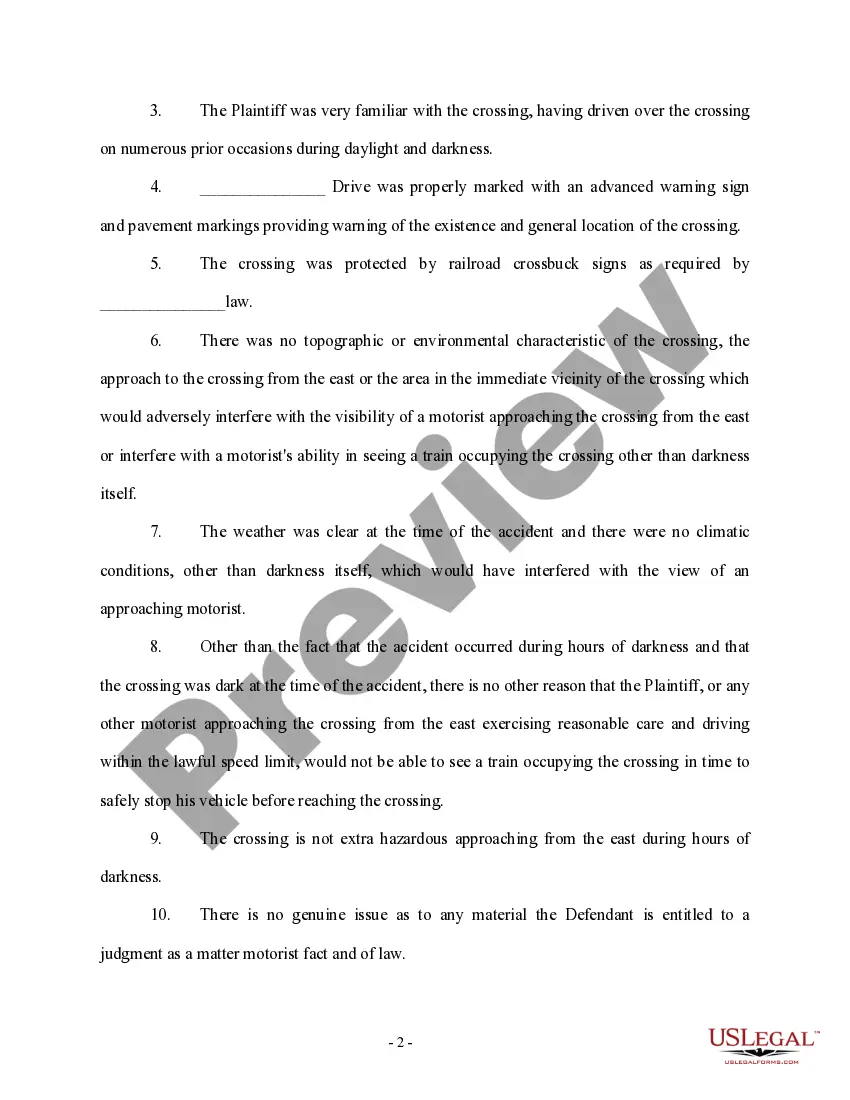
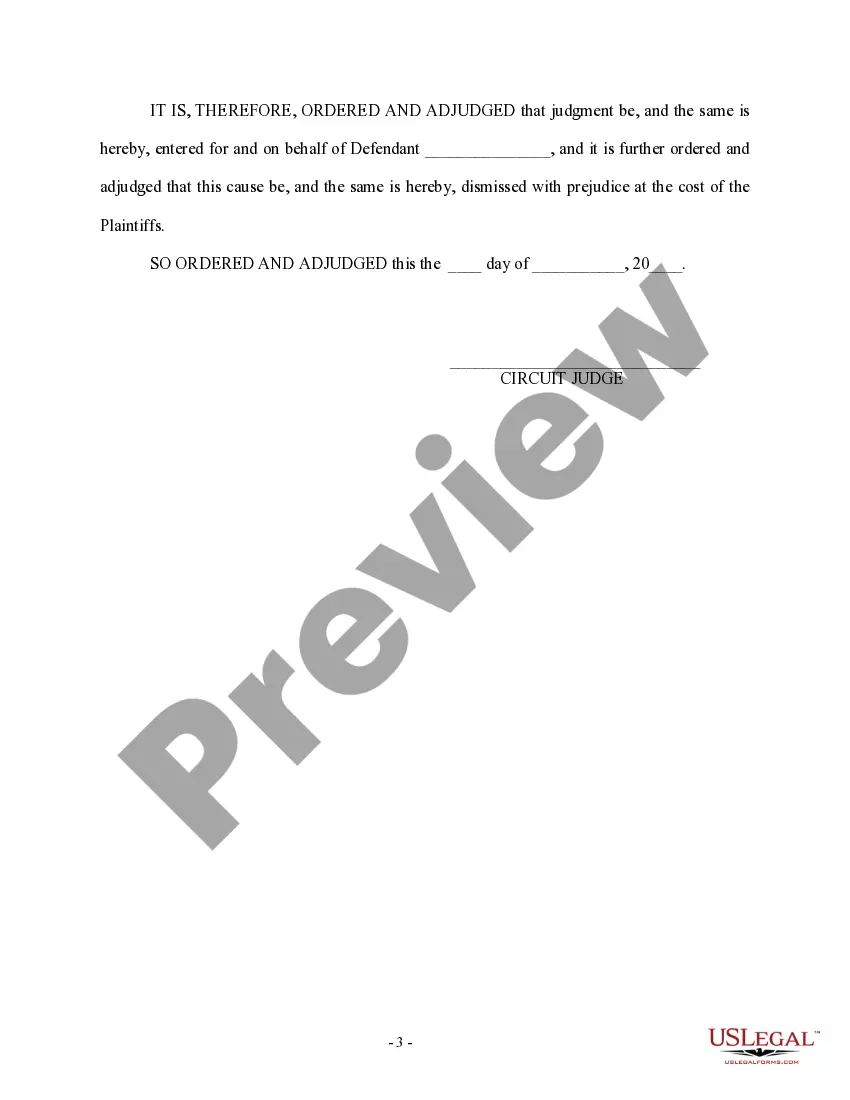
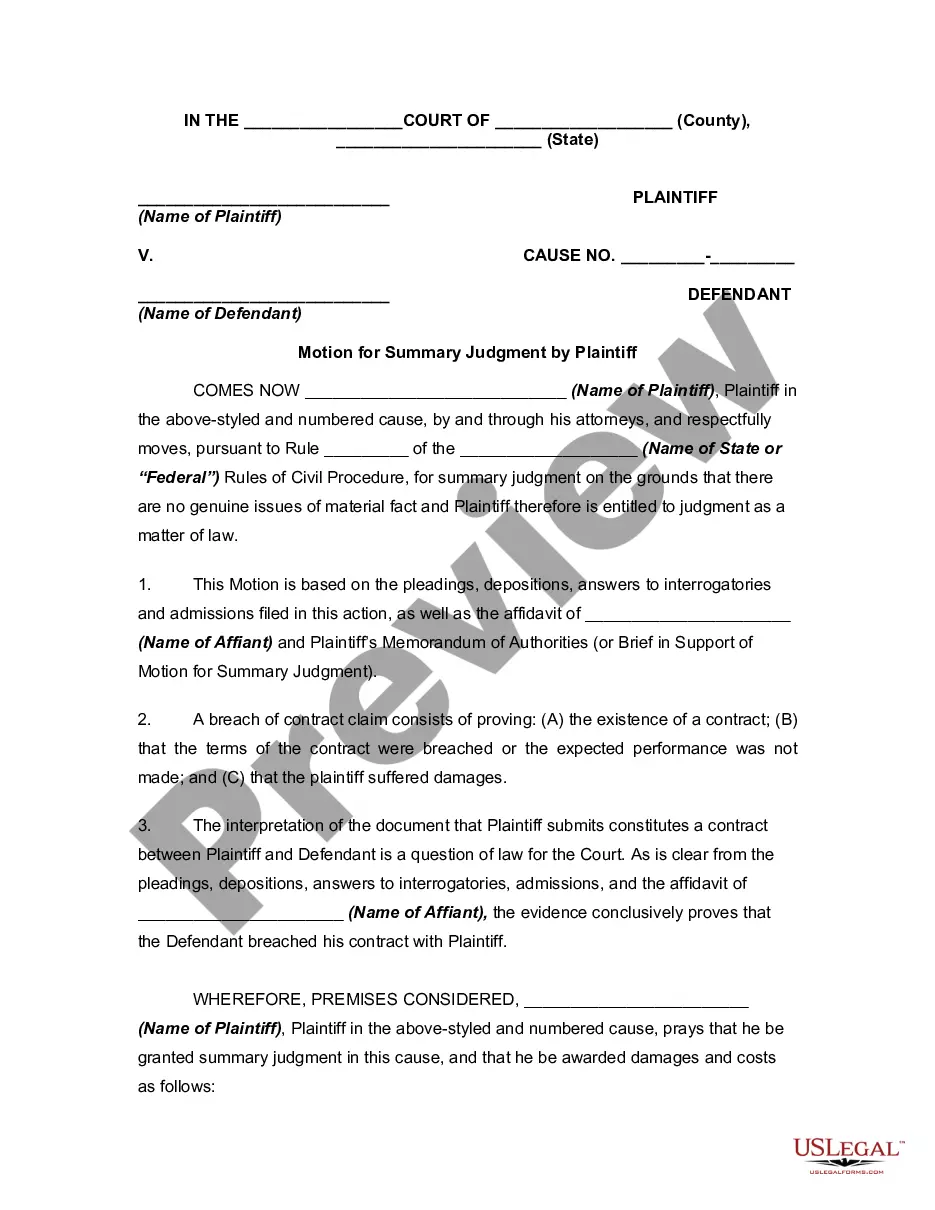
- Click on the form’s preview to examine it.
- If it is the wrong form, go back to the search function to locate the Summary Dismissal For sample you need.
- Download the file if it meets your requirements.
- If you already have a US Legal Forms profile, just click Log in to access previously saved files in My Forms.
- In the event you do not have an account yet, you can obtain the form by clicking Buy now.
- Choose the proper pricing option.
- Complete the profile registration form.
- Choose your transaction method: use a bank card or PayPal account.
- Choose the document format you want and download the Summary Dismissal For.
- When it is downloaded, you are able to fill out the form with the help of editing software or print it and complete it manually.
With a substantial US Legal Forms catalog at hand, you don’t have to spend time searching for the appropriate template across the web. Utilize the library’s simple navigation to find the proper template for any situation.
Form popularity
FAQ
A summary dismissal is a type of termination of employment that is initiated without notice and without the employee having an opportunity to remedy the situation. This type of dismissal is most often used in situations where the employee has engaged in serious misconduct, such as theft or violence.
Detail why the employee was dismissed and offer evidence that the decision was made fairly. In addition, you should include the resources the employee will have available after their termination and certain payment information.
Summary dismissal is usually as a consequence of gross misconduct. This is conduct or behaviour of the employee so extreme as to breach the contract of employment. Examples could include theft, harassment of colleagues or physical violence.
A good summary dismissal letter should include: The decision to dismiss the employee and how you came to that conclusion. The nature of gross misconduct. Details on how you investigated the case. Their last day of employment. Instructions on returning company property.
Put simply, the dismissal letter should set out in clear and specific terms the reasons for the dismissal and the date the employment contract will be terminated.