Summary Judgment With Prejudice
Description
Get your form ready online
Our built-in tools help you complete, sign, share, and store your documents in one place.
Make edits, fill in missing information, and update formatting in US Legal Forms—just like you would in MS Word.
Download a copy, print it, send it by email, or mail it via USPS—whatever works best for your next step.
Sign and collect signatures with our SignNow integration. Send to multiple recipients, set reminders, and more. Go Premium to unlock E-Sign.
If this form requires notarization, complete it online through a secure video call—no need to meet a notary in person or wait for an appointment.
We protect your documents and personal data by following strict security and privacy standards.

Make edits, fill in missing information, and update formatting in US Legal Forms—just like you would in MS Word.

Download a copy, print it, send it by email, or mail it via USPS—whatever works best for your next step.

Sign and collect signatures with our SignNow integration. Send to multiple recipients, set reminders, and more. Go Premium to unlock E-Sign.

If this form requires notarization, complete it online through a secure video call—no need to meet a notary in person or wait for an appointment.

We protect your documents and personal data by following strict security and privacy standards.
Looking for another form?

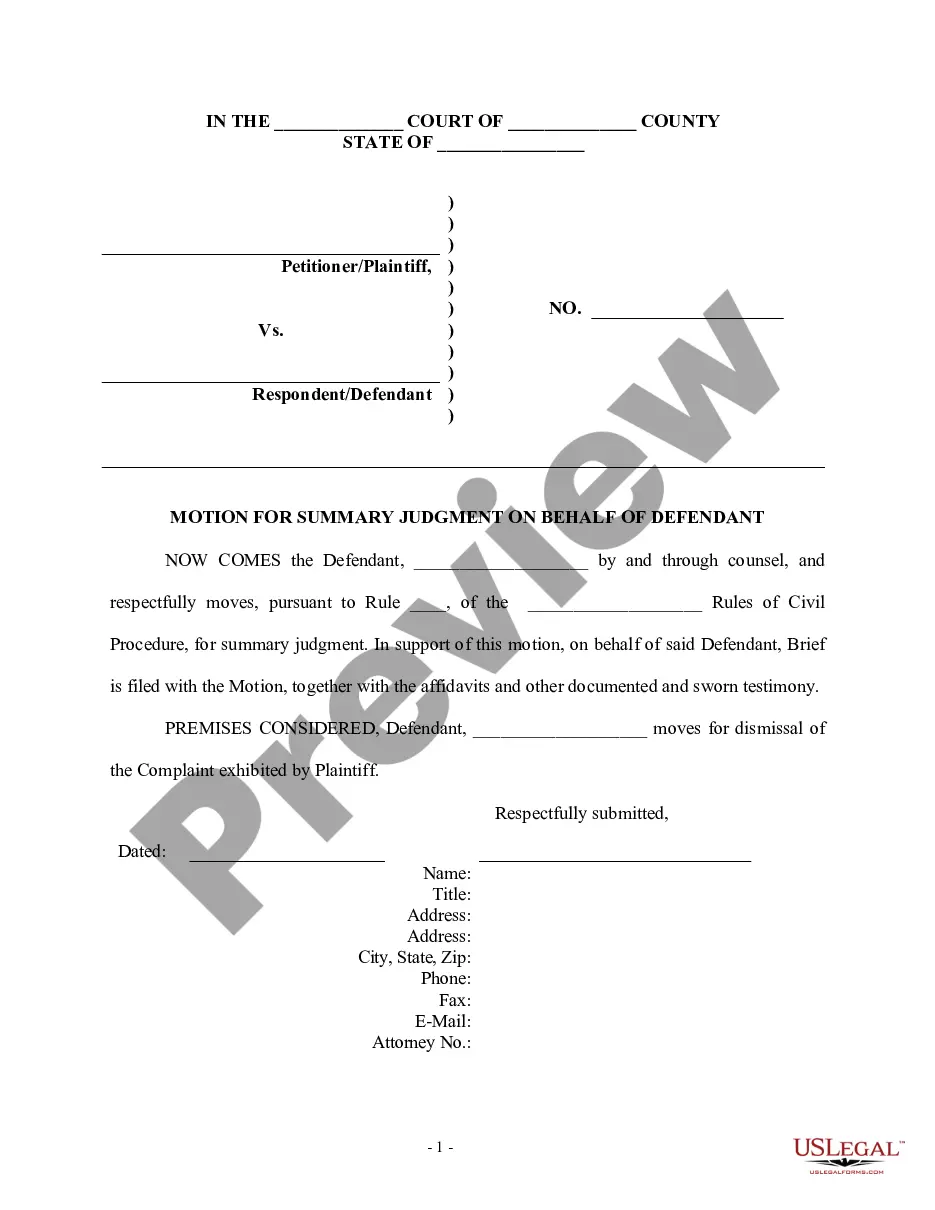
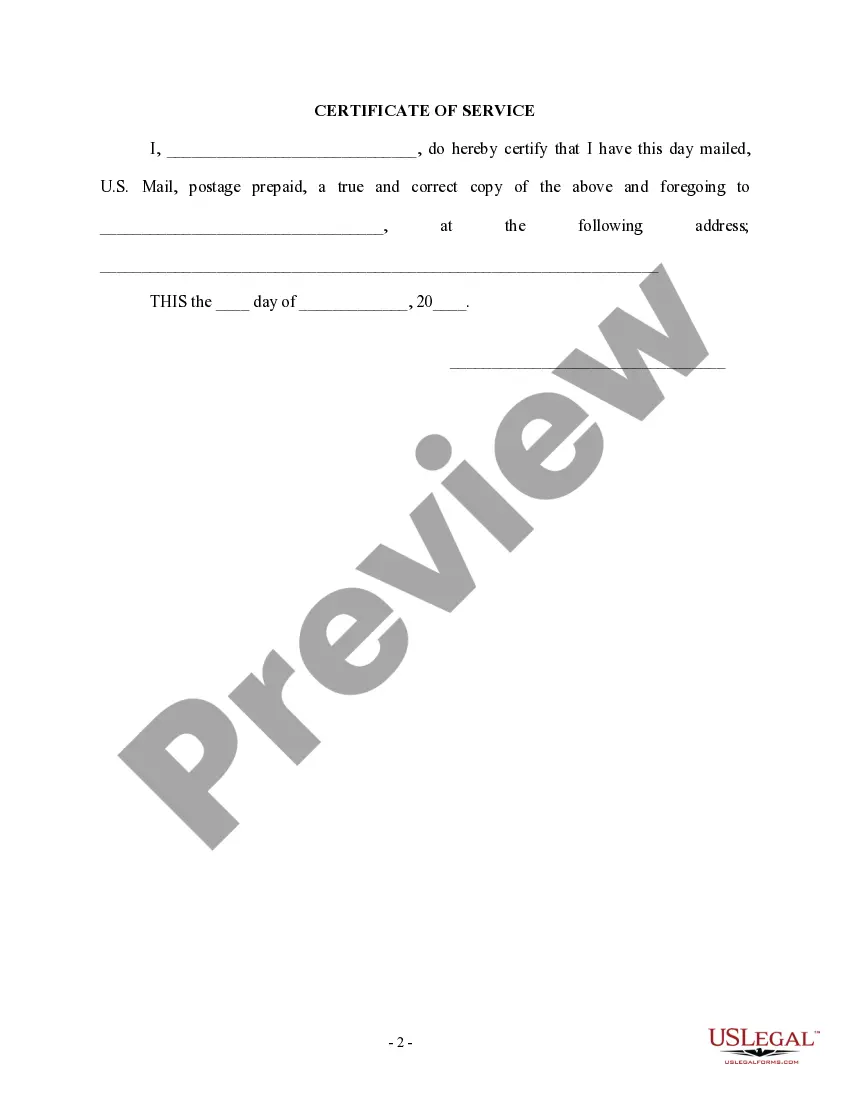
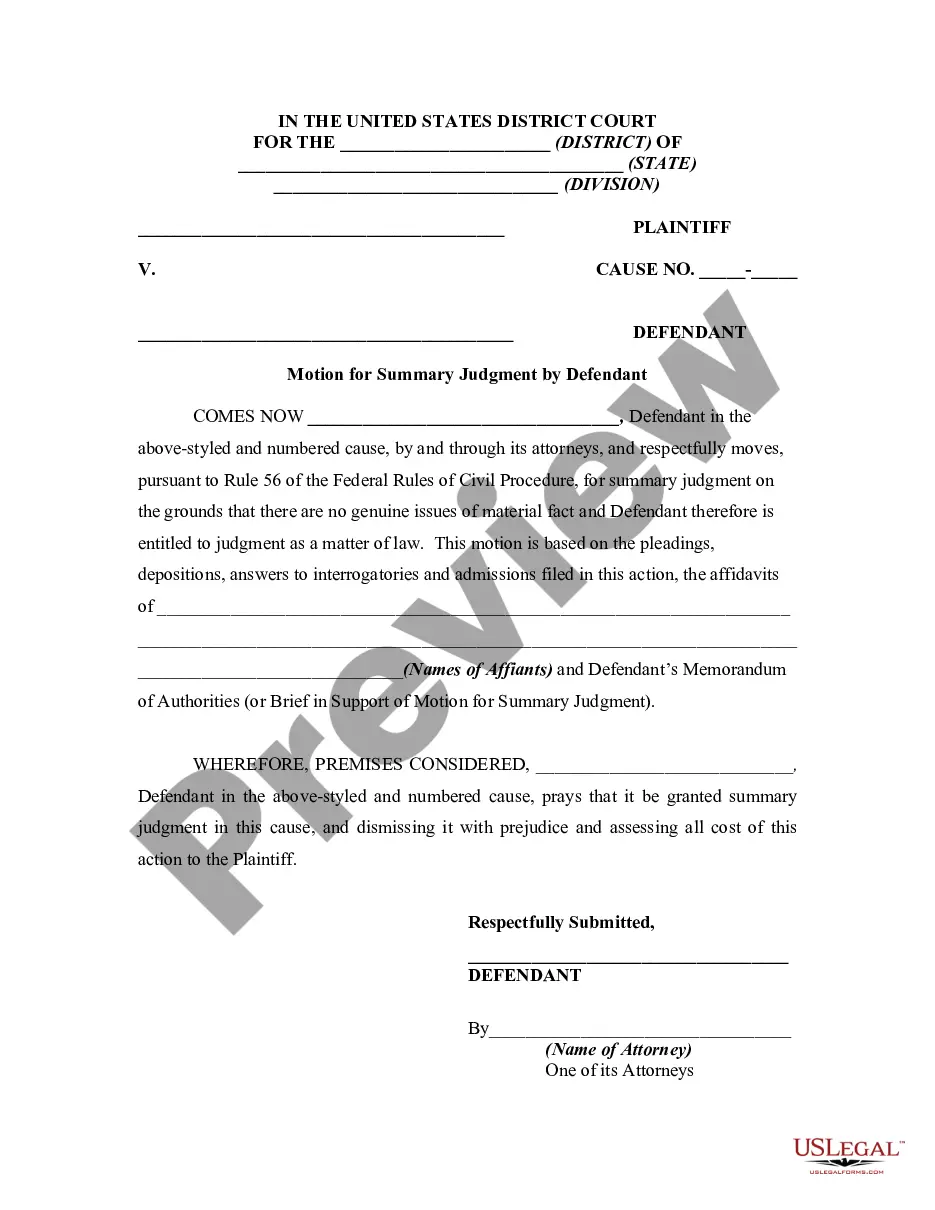
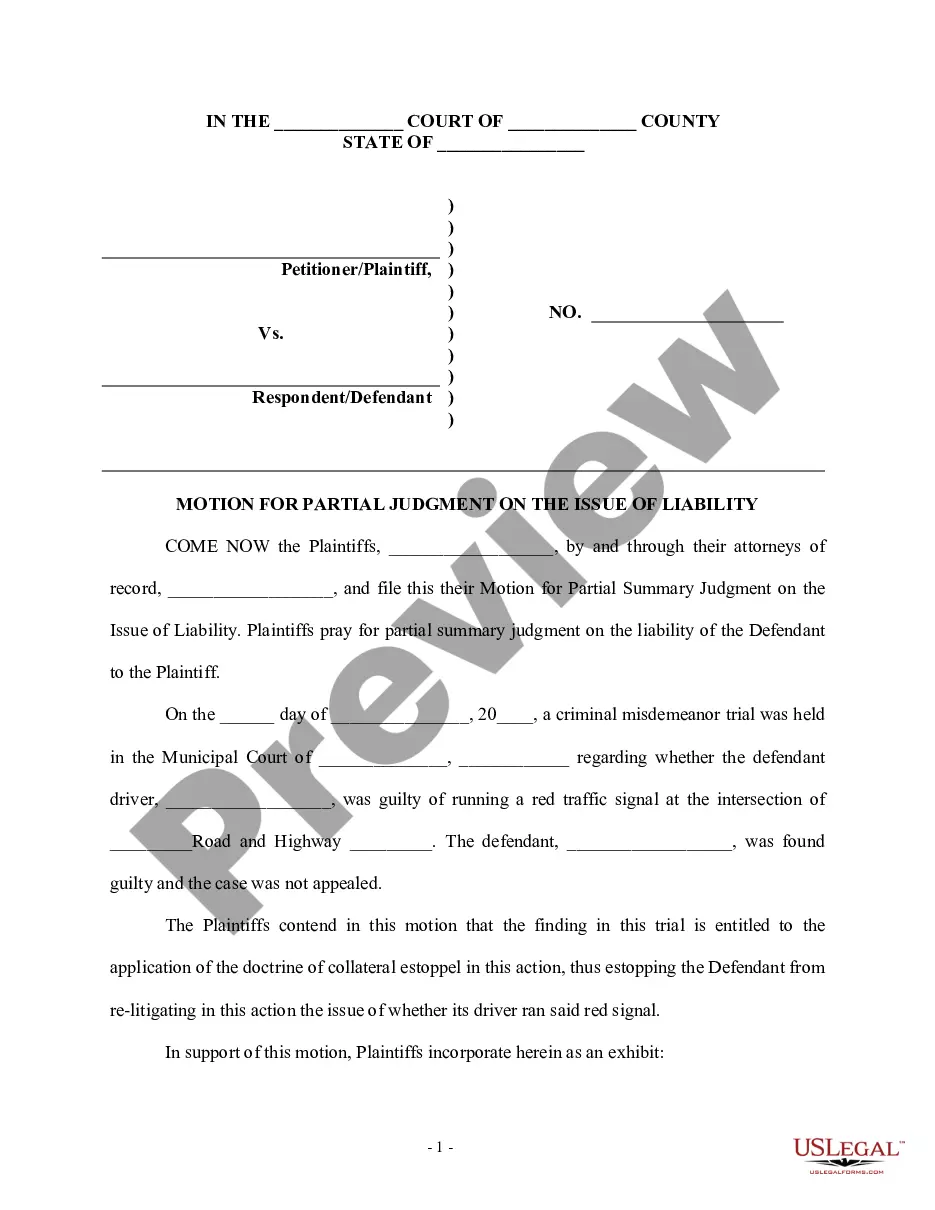
How to fill out Motion For Summary Judgment On Behalf Of Defendant?
- Begin by reviewing the Preview mode and form description to ensure the selected document aligns with your local legal needs.
- If necessary, use the Search tab to find an alternative template that better meets your requirements.
- Once you have the right form, click on the Buy Now button to select your preferred subscription plan.
- Create an account if you are a first-time user, giving you access to the extensive library of legal forms.
- Complete your purchase by entering your payment details or using your PayPal account for a seamless transaction.
- Finally, download your completed form and save it on your device for easy access via the My Forms section of your account.
By following these straightforward steps, you can efficiently obtain the necessary documents for your legal needs. US Legal Forms empowers you to navigate the legal landscape with confidence.
Start utilizing US Legal Forms today to simplify your legal documentation process!
Form popularity
FAQ
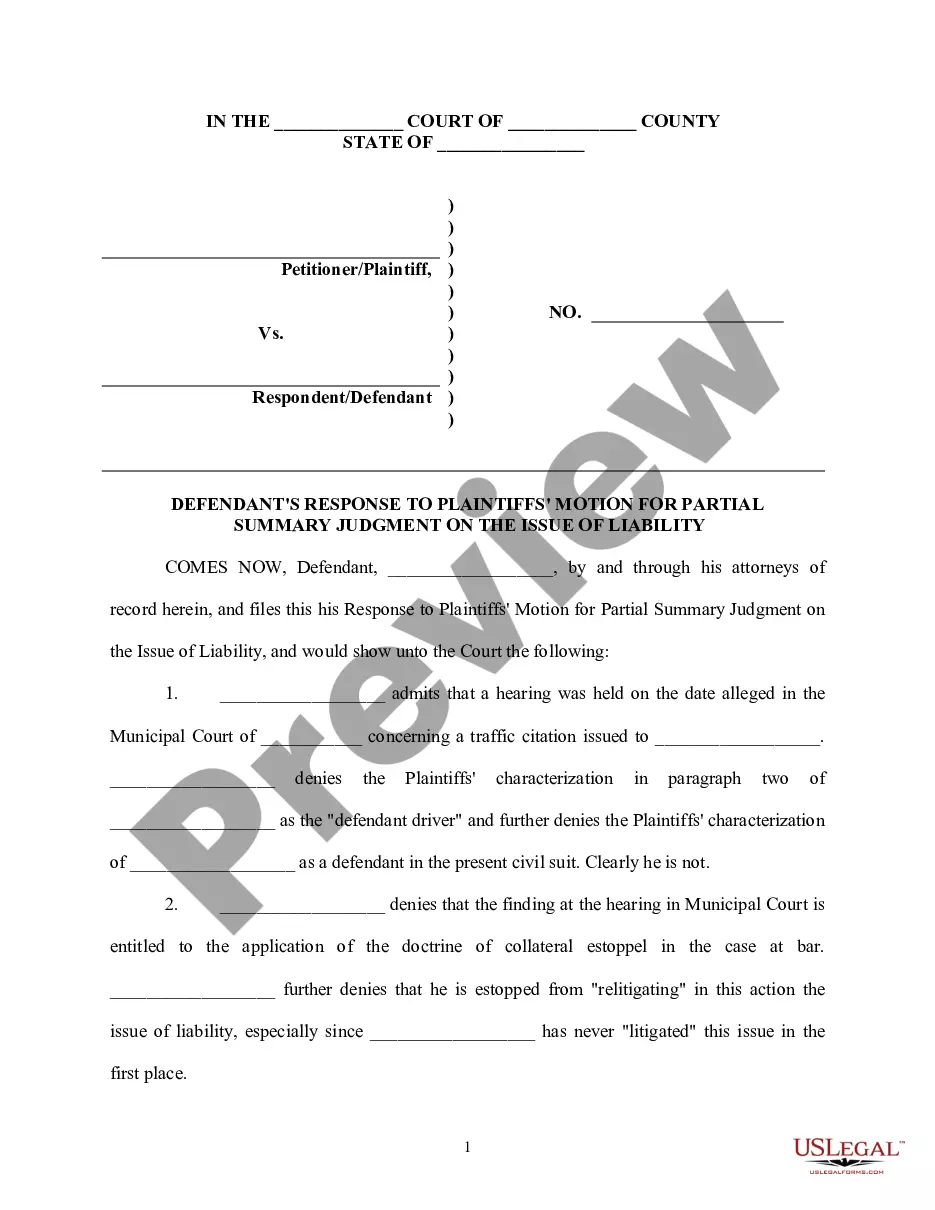
When a summary judgment is granted, it means the court has decided a case or a specific issue within a case without requiring a trial. This decision often indicates that one party has presented enough evidence to resolve the matter favorably, while the other party failed to present a legitimate dispute. In cases of summary judgment with prejudice, the ruling typically prevents the losing party from bringing the same claim again. Utilizing resources like US Legal Forms can help you understand the implications and processes related to summary judgment.
There are two primary types of summary judgment: summary judgment for the plaintiff and summary judgment for the defendant. The former involves the court ruling in favor of the plaintiff, often because there is sufficient evidence to prove their case without trial. Conversely, summary judgment for the defendant occurs when the court finds that the plaintiff lacks enough evidence to support their claims. Understanding these distinctions is important when navigating legal processes involving summary judgment with prejudice.
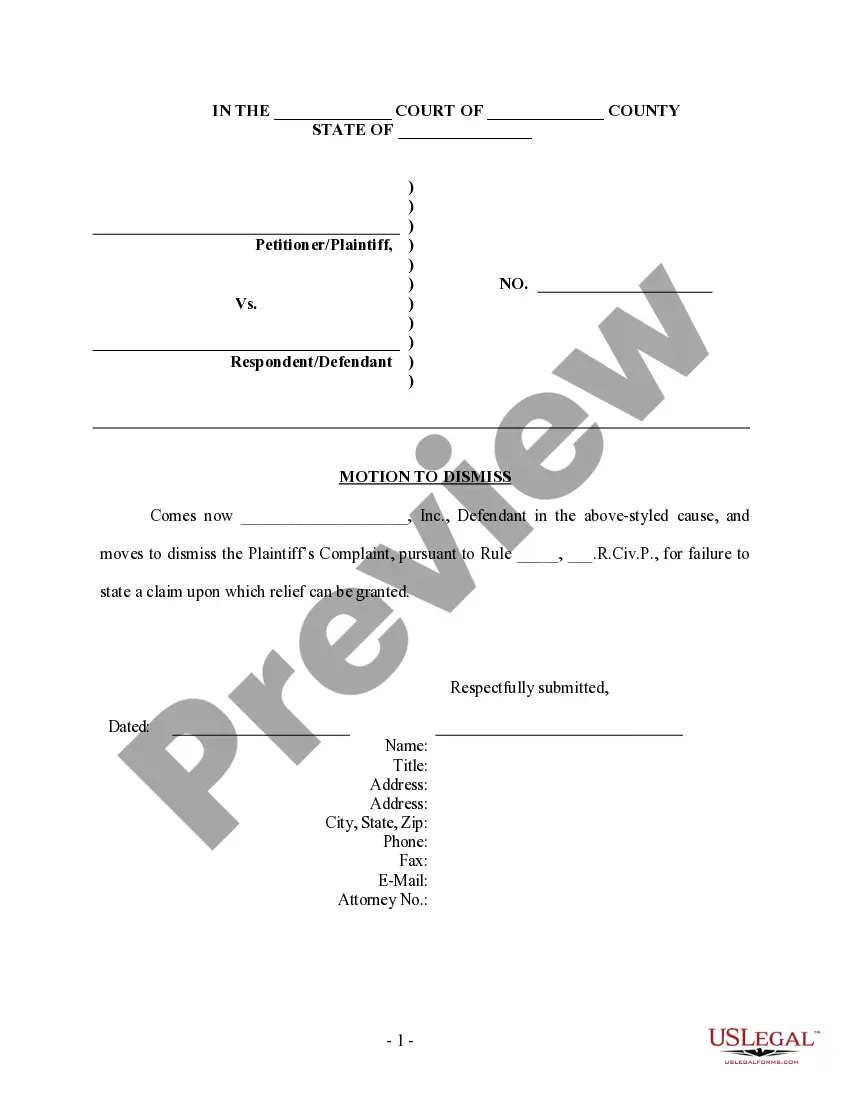
Summary judgment dismissal with prejudice occurs when a court rules that a case lacks merit, resulting in a dismissal that bars future claims. This decision signifies that the court has determined the evidence does not support the plaintiff's claim. It streamlines judicial resources and offers closure to defendants. For anyone interacting with the legal system, grasping summary judgment with prejudice is essential for understanding how cases are resolved.
Summary judgment involves a court's ruling that there are no material facts in dispute, resulting in a decision without a trial. In contrast, a dismissal, particularly a dismissal with prejudice, concludes a case and bars refiled claims. While both can end litigation, summary judgment focuses on the merits of the case, while dismissal addresses procedural issues. Familiarity with summary judgment with prejudice can help distinguish these important legal processes.
Dismissal with prejudice is crucial as it ensures the finality of court decisions. It prevents parties from relitigating settled matters, promoting efficiency in the judicial process. This type of dismissal safeguards the interests of defendants and helps maintain order in the legal system. Knowing about summary judgment with prejudice can clarify why some cases end definitively.
When a case is dismissed with prejudice, it means the court has made a final decision on the matter. The plaintiff cannot refile the case based on the same claims. This type of dismissal protects the defendant from future litigation over the same issue, providing them with a definitive resolution. Understanding summary judgment with prejudice helps you navigate the implications of such a ruling.
Prejudice judgment refers to a court's ruling that permanently bars a party from pursuing the same claim in the future. This type of judgment emphasizes the court's decision on the merits of the case. By understanding prejudice judgment, you can better grasp the implications of legal proceedings. Utilizing resources like USLegalForms can help you navigate these complexities, especially when dealing with summary judgment with prejudice.
Summary judgment can be either with or without prejudice, depending on the court's ruling. If a court issues a summary judgment with prejudice, it means the plaintiff cannot file the same claim again. Conversely, if a summary judgment is made without prejudice, the plaintiff may have the opportunity to bring the same case later. Knowing these distinctions is essential for anyone involved in litigation regarding summary judgment with prejudice.
Judgment with prejudice refers to a legal ruling where the case is dismissed in such a way that the plaintiff cannot pursue the same claim in the future. This is an important outcome as it prevents the re-litigation of the same issues. Attorneys often seek to reach a judgment with prejudice to secure a final resolution for their clients. Familiarity with summary judgment with prejudice helps individuals understand their legal standing better.
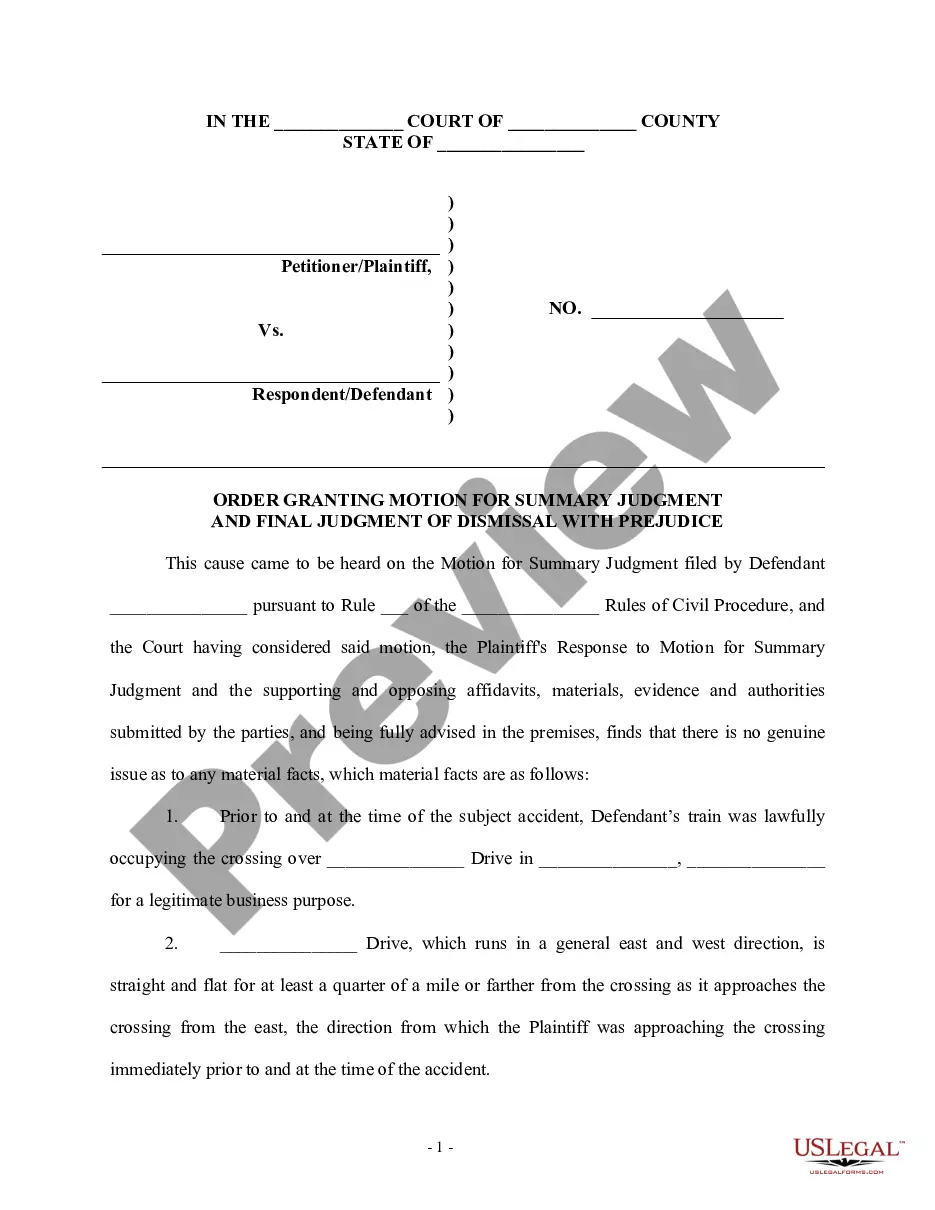
A judgment with prejudice means that a court has made a final decision on a case, barring the plaintiff from bringing the same claim again. This type of judgment indicates that the court has fully considered the facts and legal arguments. It serves to bring closure to the case, providing a clear resolution. Understanding summary judgment with prejudice can be crucial if you’re navigating complex legal disputes.