Summary Judgment For Defendant
Description
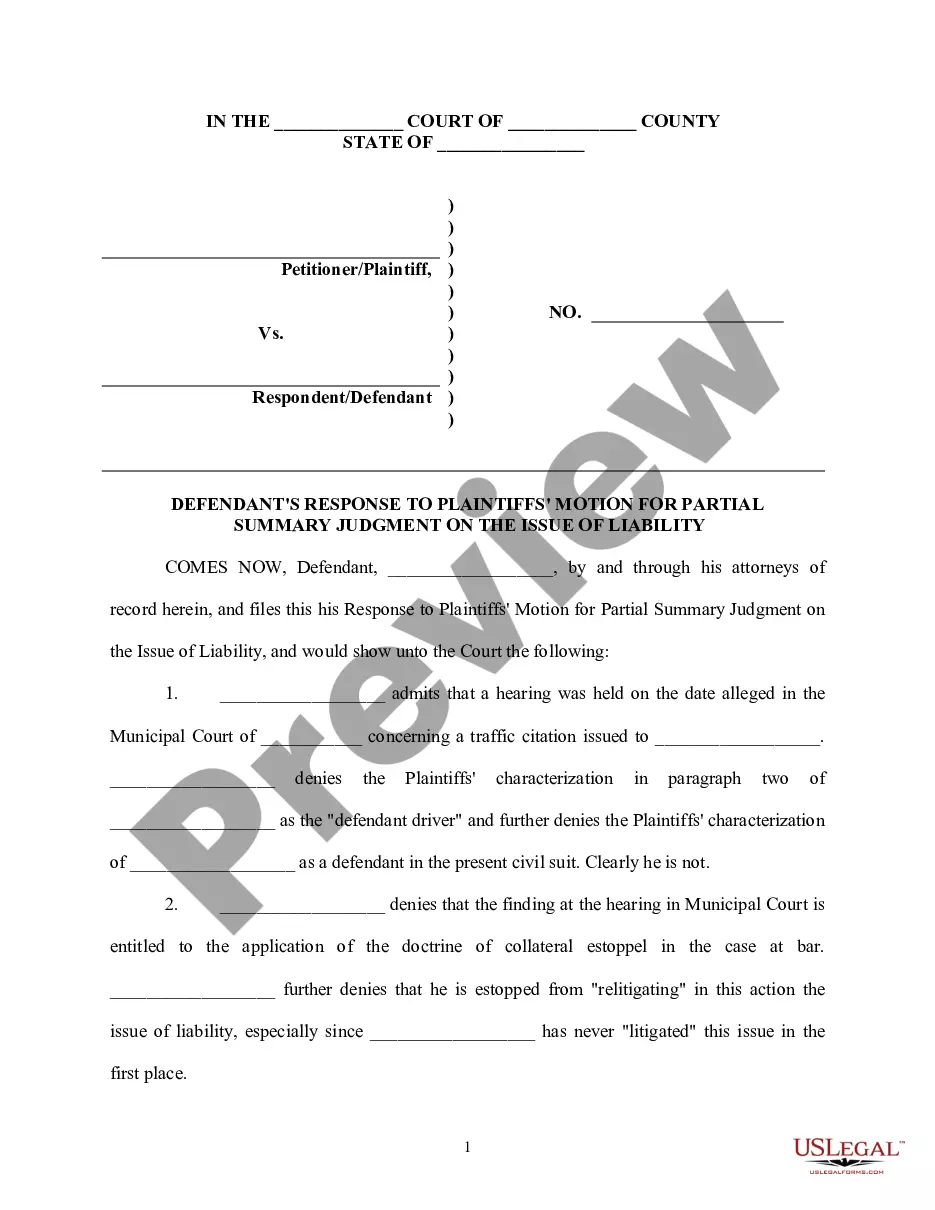
Get your form ready online
Our built-in tools help you complete, sign, share, and store your documents in one place.
Make edits, fill in missing information, and update formatting in US Legal Forms—just like you would in MS Word.
Download a copy, print it, send it by email, or mail it via USPS—whatever works best for your next step.
Sign and collect signatures with our SignNow integration. Send to multiple recipients, set reminders, and more. Go Premium to unlock E-Sign.
If this form requires notarization, complete it online through a secure video call—no need to meet a notary in person or wait for an appointment.
We protect your documents and personal data by following strict security and privacy standards.

Make edits, fill in missing information, and update formatting in US Legal Forms—just like you would in MS Word.

Download a copy, print it, send it by email, or mail it via USPS—whatever works best for your next step.

Sign and collect signatures with our SignNow integration. Send to multiple recipients, set reminders, and more. Go Premium to unlock E-Sign.

If this form requires notarization, complete it online through a secure video call—no need to meet a notary in person or wait for an appointment.

We protect your documents and personal data by following strict security and privacy standards.
Looking for another form?
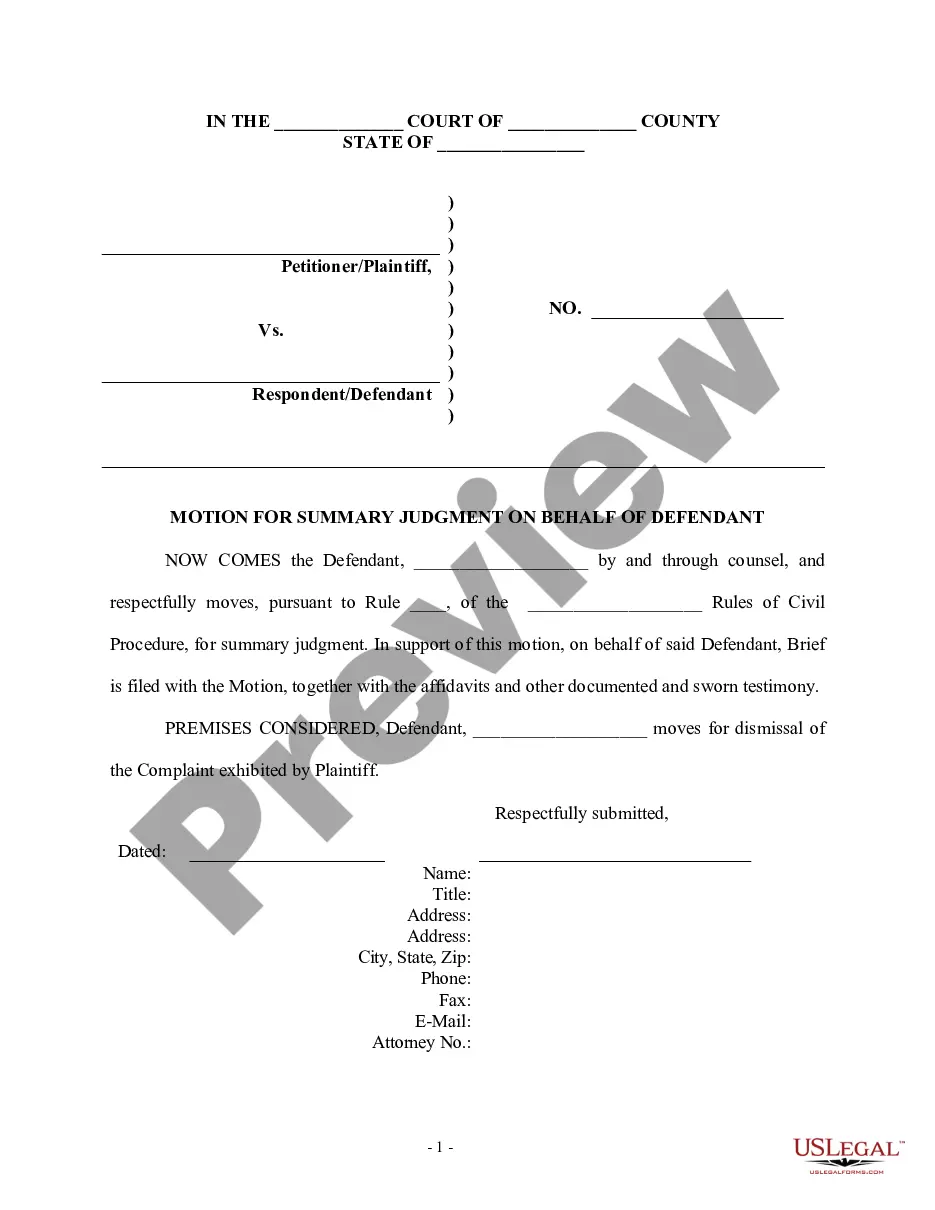
How to fill out Motion For Summary Judgment On Behalf Of Defendant?
- If you're a returning user, simply log in to your account and download the required template. Be sure your subscription is active; if not, renew according to your plan.
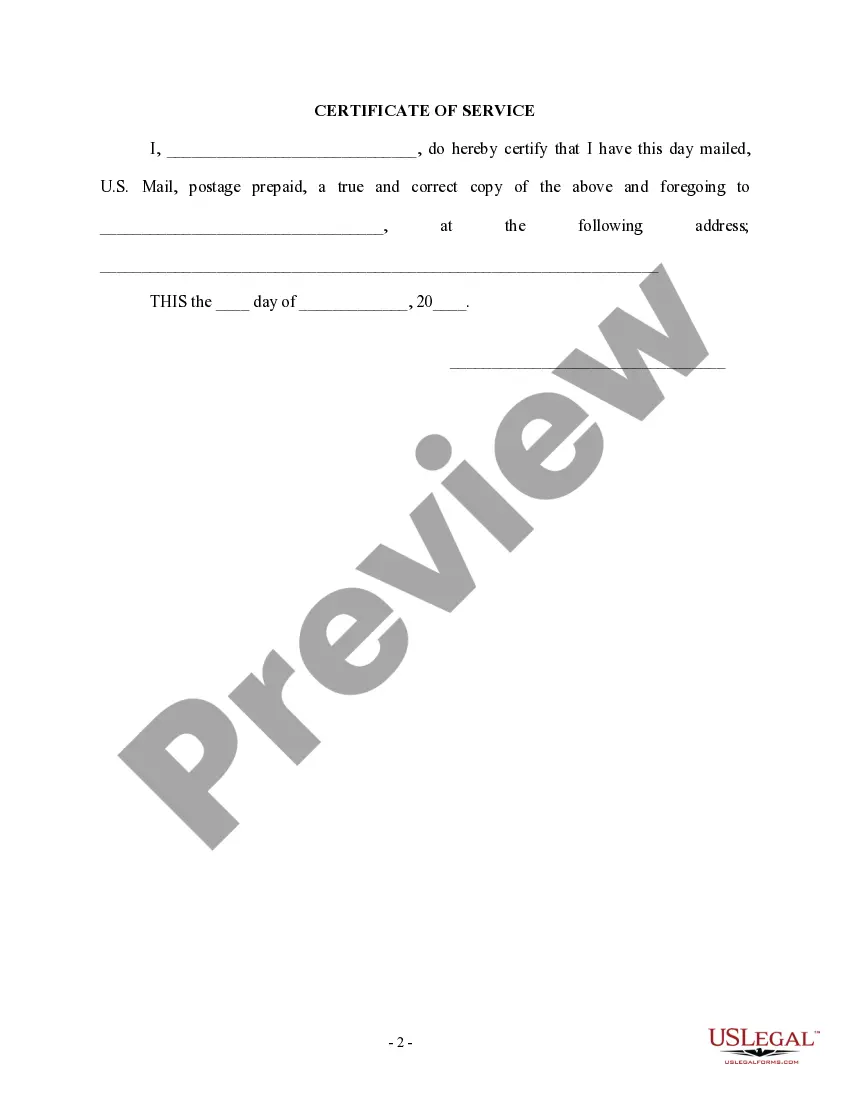
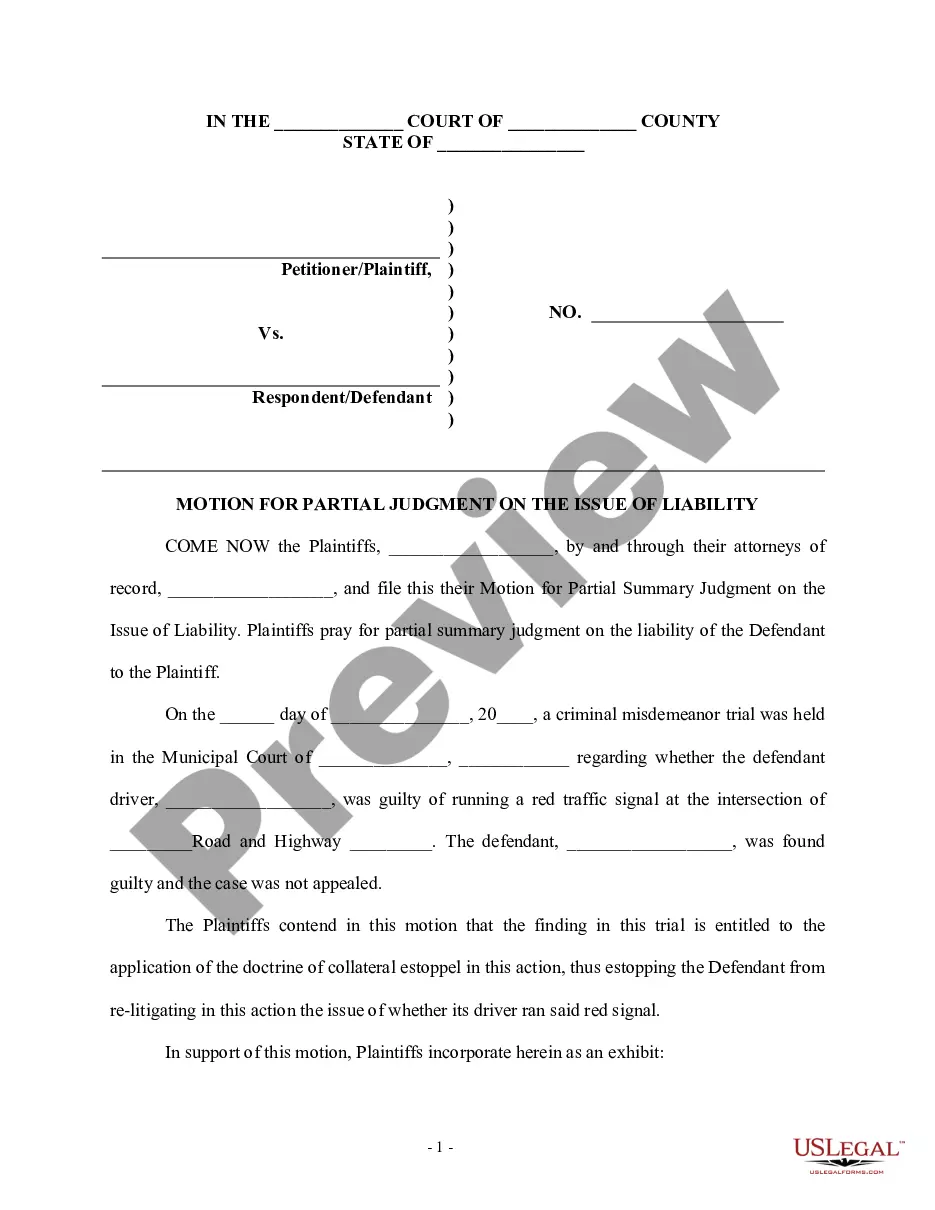
- For first-time users, start by browsing the Preview mode and descriptions. Confirm that the selected form aligns with your needs and complies with local jurisdictional requirements.
- If you encounter any discrepancies or wish to explore more options, use the Search tab to find alternative templates that may better suit your situation.
- Once you've chosen the right document, click the Buy Now button to select your subscription plan. You'll need to create an account to access the full library.
- Proceed with your purchase by entering your credit card information or using PayPal for a seamless transaction.
- Finally, download your form to your device. You can access it anytime from the My Forms section of your profile.
US Legal Forms stands out with its robust collection of over 85,000 editable legal forms, ensuring you have the right document for your needs. Their service not only accelerates the process of obtaining legal papers but also enhances accuracy by connecting you with premium experts for assistance.
Follow these steps to simplify your legal documentation. Start today with US Legal Forms to streamline your journey through the legal system!
Form popularity
FAQ
To survive a summary judgment for defendant, it is essential to present clear and convincing evidence that creates a genuine dispute of material fact. Focus on building your case with supporting documents, witness testimonies, and applicable laws that align with your arguments. Using platforms like uslegalforms can help you gather the necessary resources and templates to strengthen your legal position.
Summary judgment for defendant relies on various evidence types such as written contracts, emails, and other documents pertinent to the case. Additionally, any sworn statements can serve as powerful tools in your argument. The key is ensuring that the evidence presented can effectively eliminate any genuine issues that could necessitate a trial.
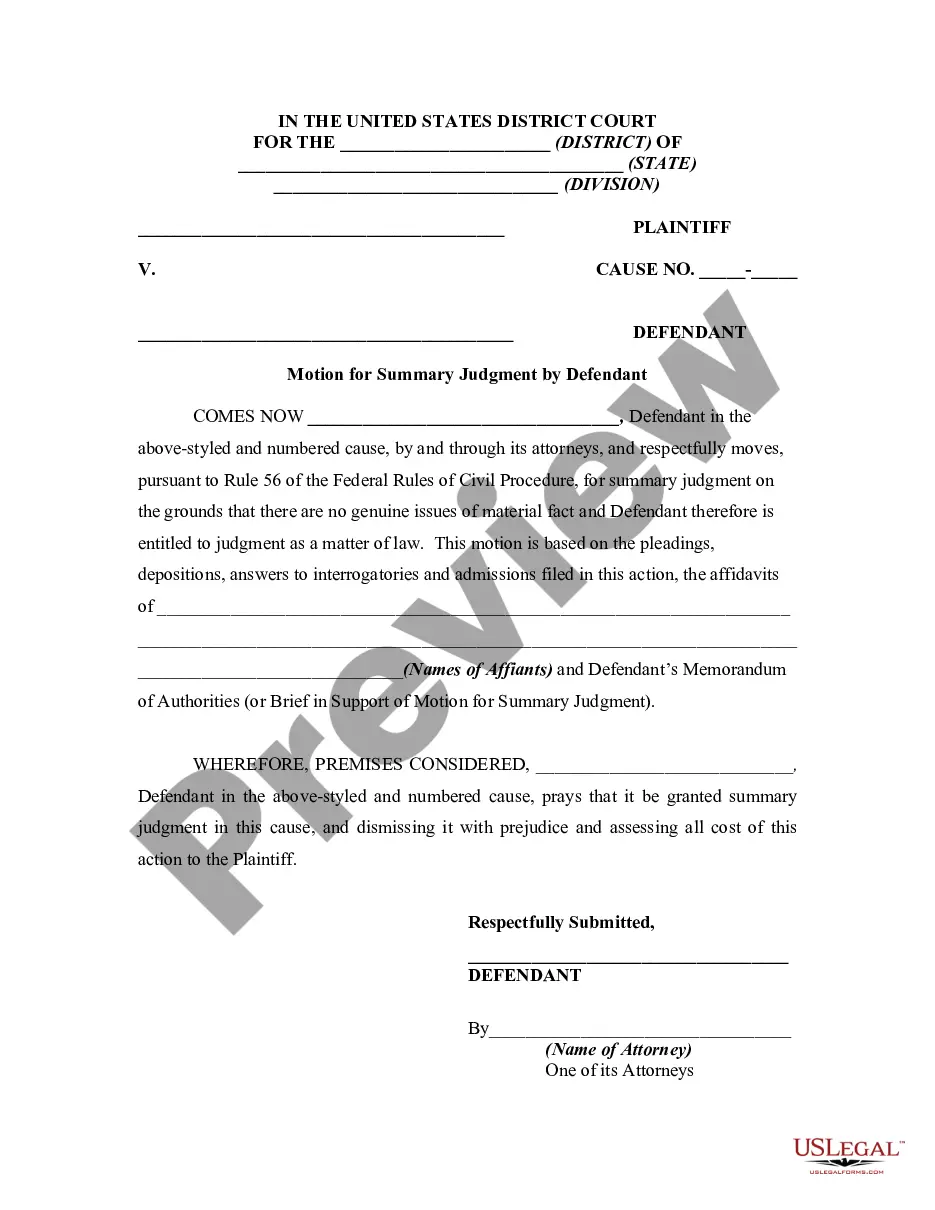
To make a summary judgment for defendant, you must first gather all relevant evidence that supports your position. Then, you should prepare a motion for summary judgment that outlines the facts, your arguments, and the legal standards. Remember, your motion should clearly demonstrate that no reasonable jury could find in favor of the opposing party.
In a summary judgment for defendant, you can use various types of evidence such as affidavits, depositions, and documents that show there is no genuine dispute of material fact. This evidence needs to be admissible and relevant to your case. Additionally, it’s crucial to focus on evidence that directly supports the claim that there is no need for a trial.
To successfully obtain a summary judgment for defendant, a party must provide substantial evidence that supports their claims and negates any significant facts that the opposing party relies on. This means conducting thorough research, compiling relevant documents, and crafting a strong legal argument. Additionally, effective communication with legal counsel is vital, as they can guide you through the complexities of this process. Engaging with US Legal Forms can provide necessary resources to enhance your chances of success.
The burden of proof for summary judgment rests primarily on the party seeking it, usually the defendant. This party must demonstrate that there is no genuine dispute as to any material fact and that they are entitled to judgment as a matter of law. It is crucial to present clear and convincing evidence to meet this burden. Properly addressing this aspect can streamline the legal process and save time and resources.
A material fact for summary judgment refers to any fact that could influence the outcome of a case. If a dispute exists over a material fact, the court will typically deny a motion for summary judgment for defendant. Identifying these facts early in the process is crucial, as it can determine whether a case proceeds to trial. Understanding what constitutes a material fact can significantly impact your legal strategy.
The odds of obtaining a summary judgment for defendant depend on the strength of the evidence presented. If the evidence clearly shows that there are no material facts in dispute, the chances improve significantly. However, courts evaluate each case individually, so it's essential to present compelling documentation and legal arguments. Working with skilled attorneys can further enhance your likelihood of success.
To request a summary judgment, you will need to prepare a written motion that outlines your argument and includes supporting evidence. You must file this motion with the appropriate court and provide notice to all parties involved. Engaging with platforms like USLegalForms can simplify the process by offering essential resources and templates tailored for such requests.
Indeed, a defendant can file for a summary judgment when they have a solid basis to argue that the plaintiff's case lacks merit. This action can help establish a more favorable legal position and potentially bring the dispute to an end without a full court trial. Crafting a compelling motion is key, so seeking expert assistance may be beneficial.