Time Limit For 30(b)(6) Deposition
Description
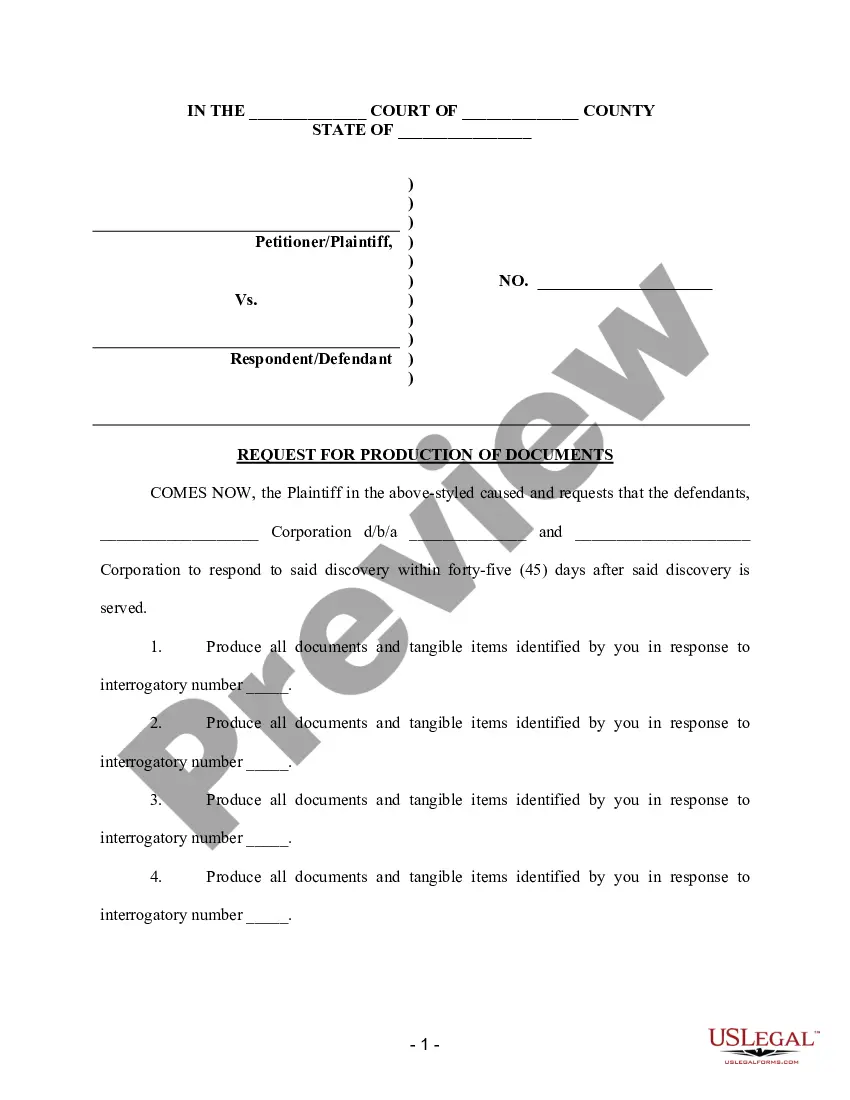
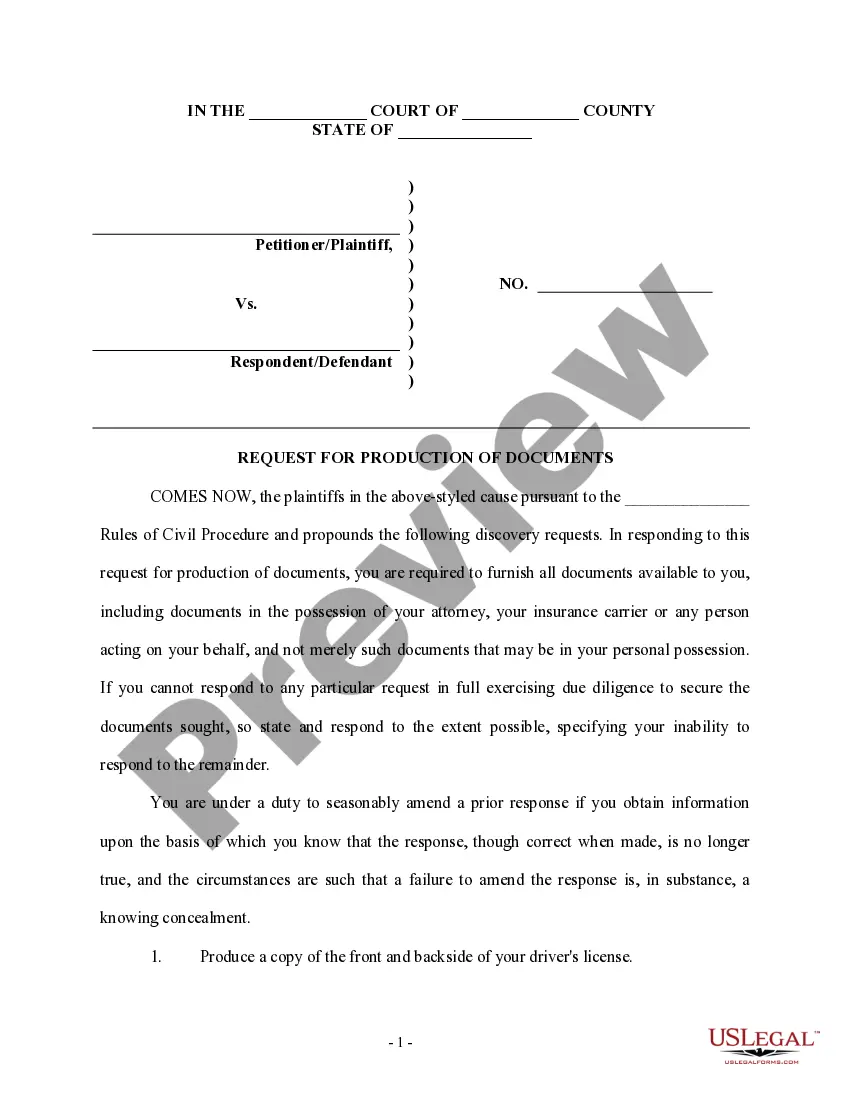

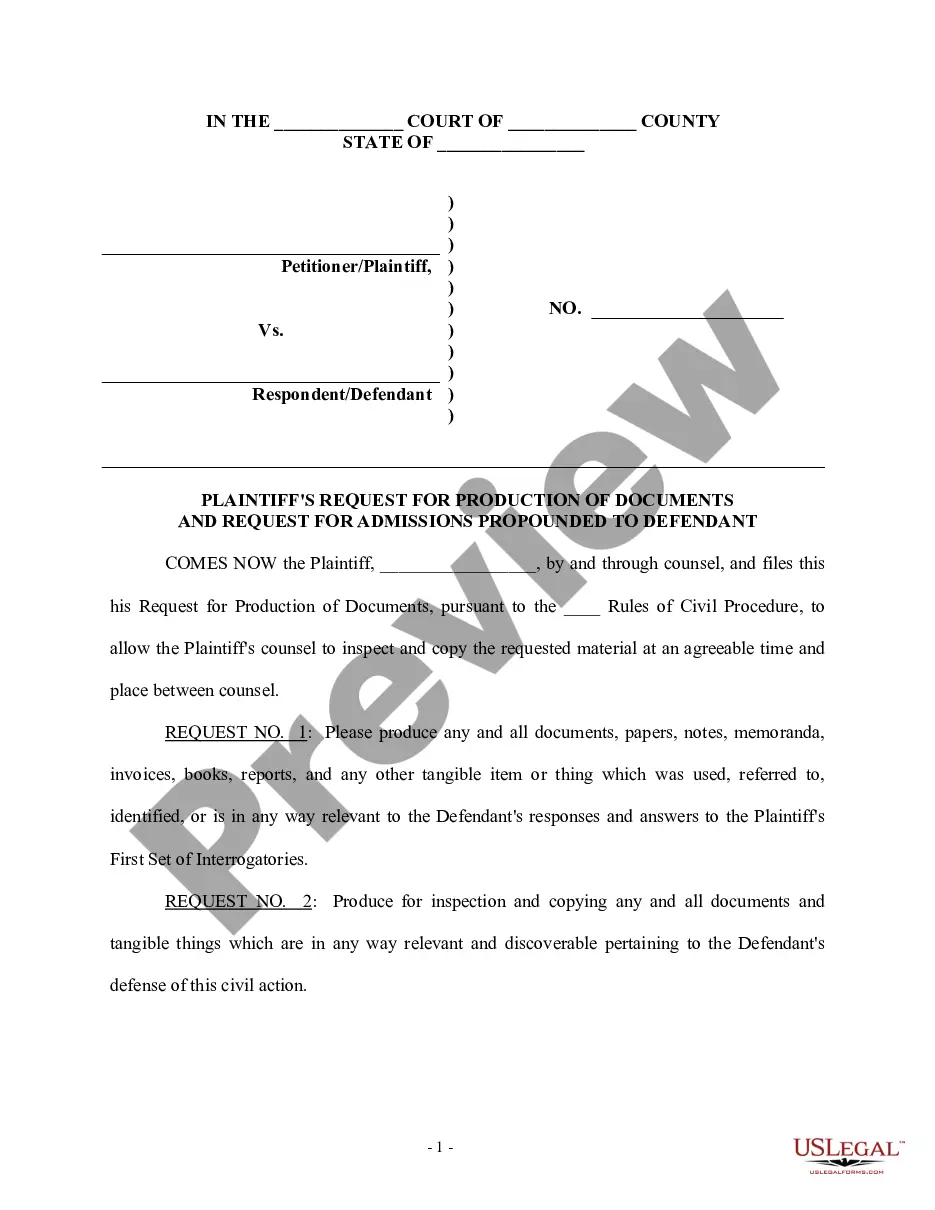
Get your form ready online
Our built-in tools help you complete, sign, share, and store your documents in one place.
Make edits, fill in missing information, and update formatting in US Legal Forms—just like you would in MS Word.
Download a copy, print it, send it by email, or mail it via USPS—whatever works best for your next step.
Sign and collect signatures with our SignNow integration. Send to multiple recipients, set reminders, and more. Go Premium to unlock E-Sign.
If this form requires notarization, complete it online through a secure video call—no need to meet a notary in person or wait for an appointment.
We protect your documents and personal data by following strict security and privacy standards.

Make edits, fill in missing information, and update formatting in US Legal Forms—just like you would in MS Word.

Download a copy, print it, send it by email, or mail it via USPS—whatever works best for your next step.

Sign and collect signatures with our SignNow integration. Send to multiple recipients, set reminders, and more. Go Premium to unlock E-Sign.

If this form requires notarization, complete it online through a secure video call—no need to meet a notary in person or wait for an appointment.

We protect your documents and personal data by following strict security and privacy standards.
Looking for another form?
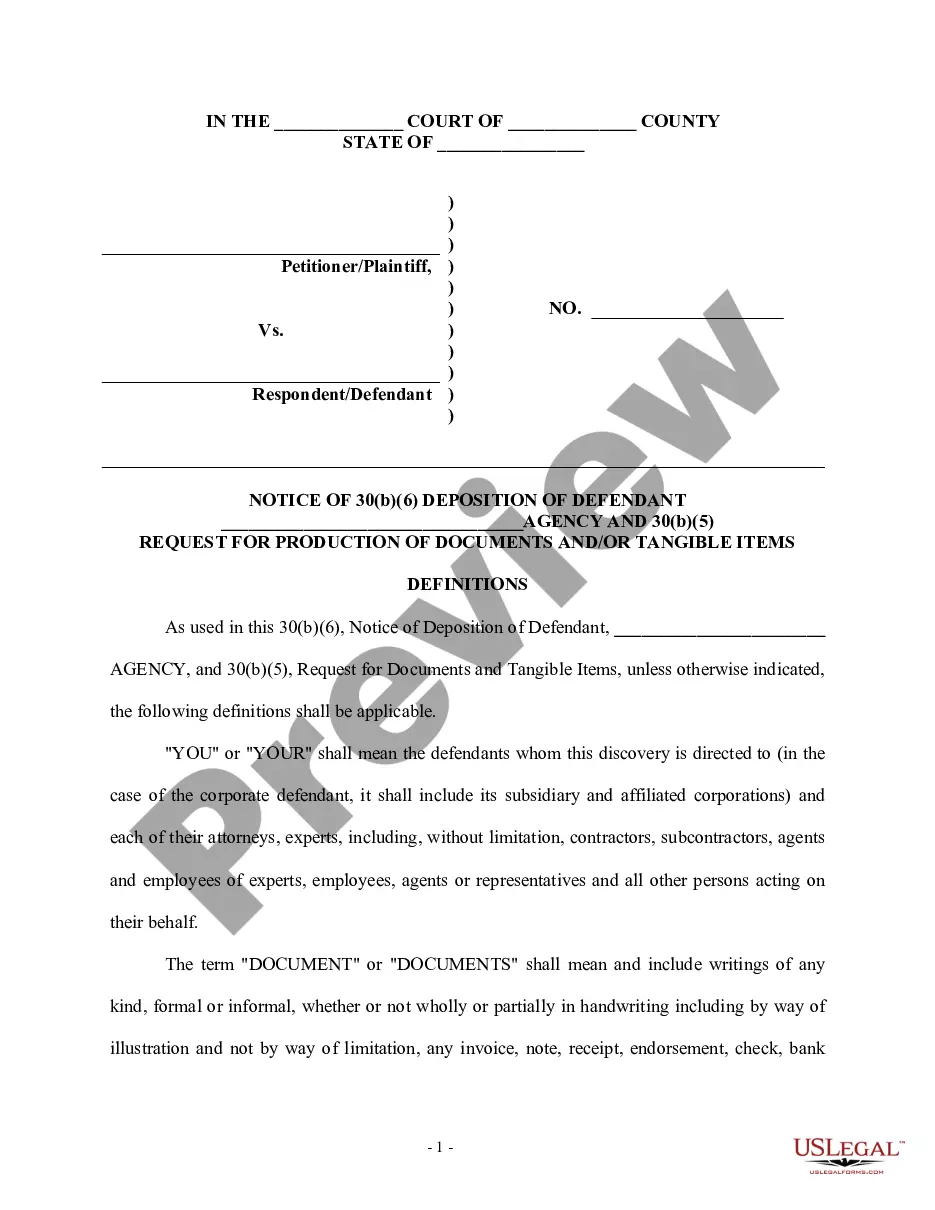
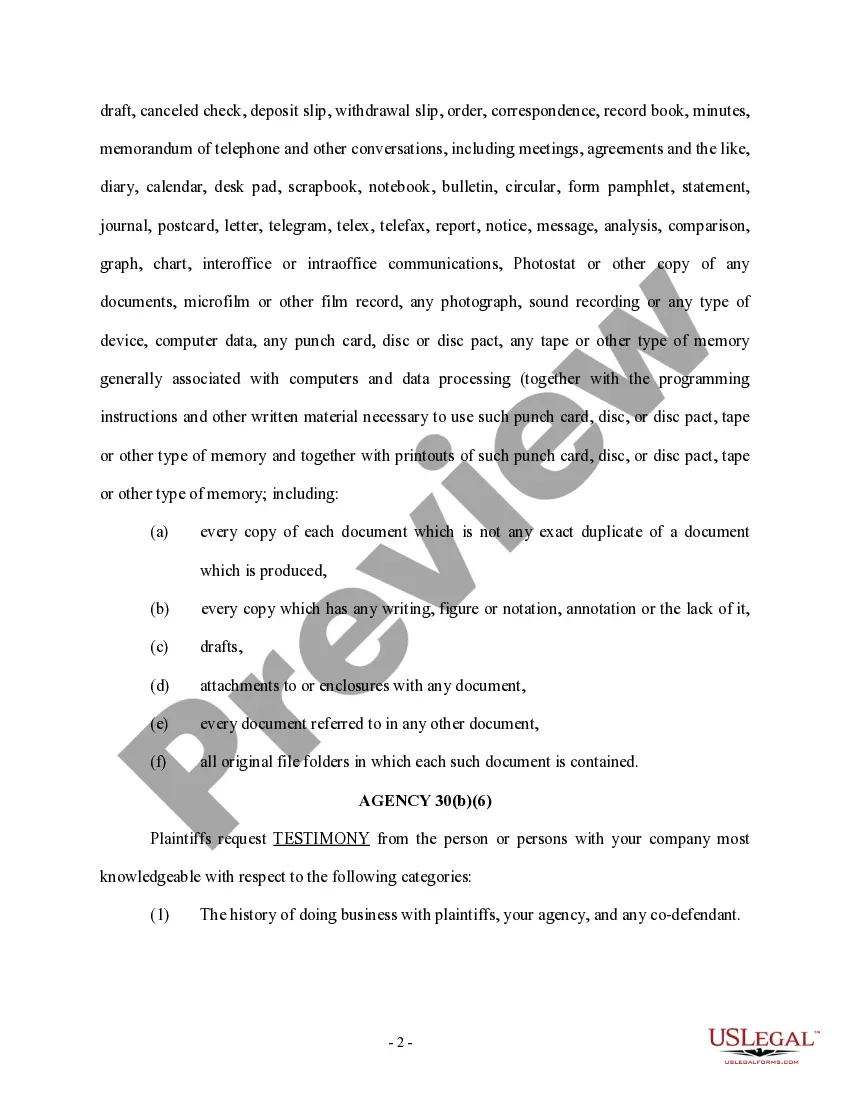
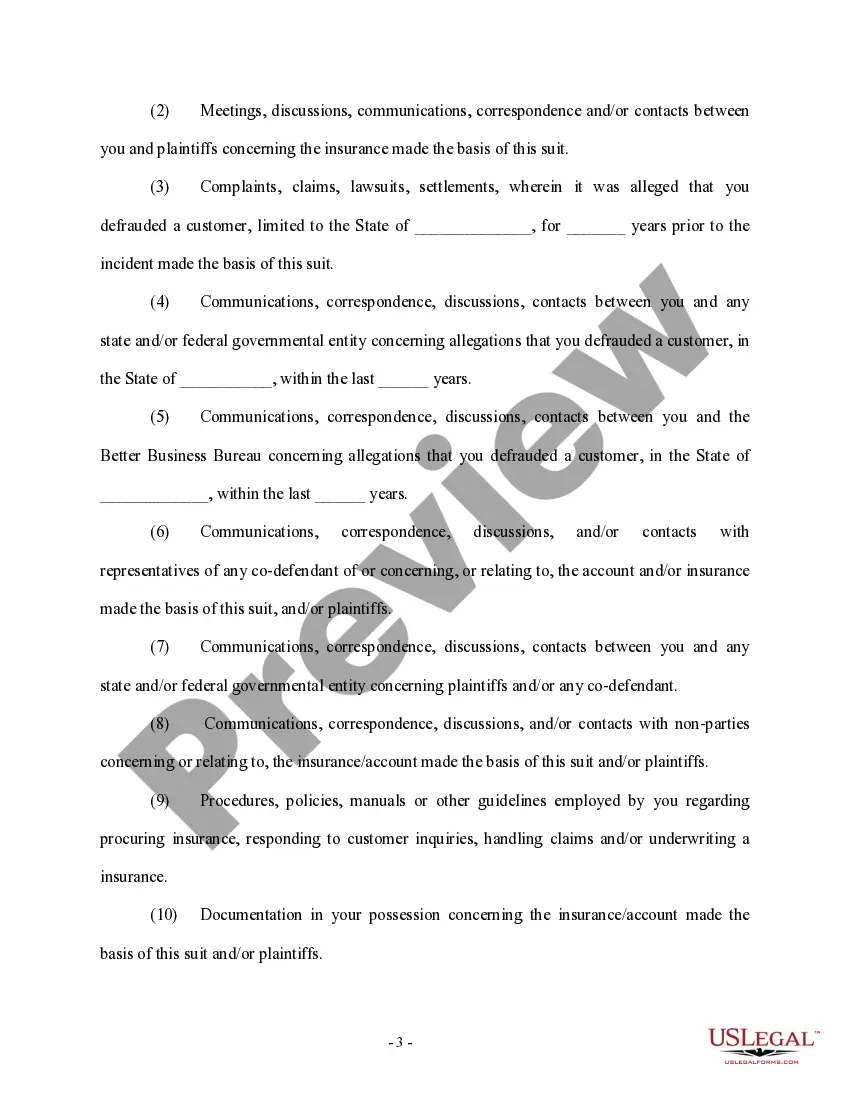
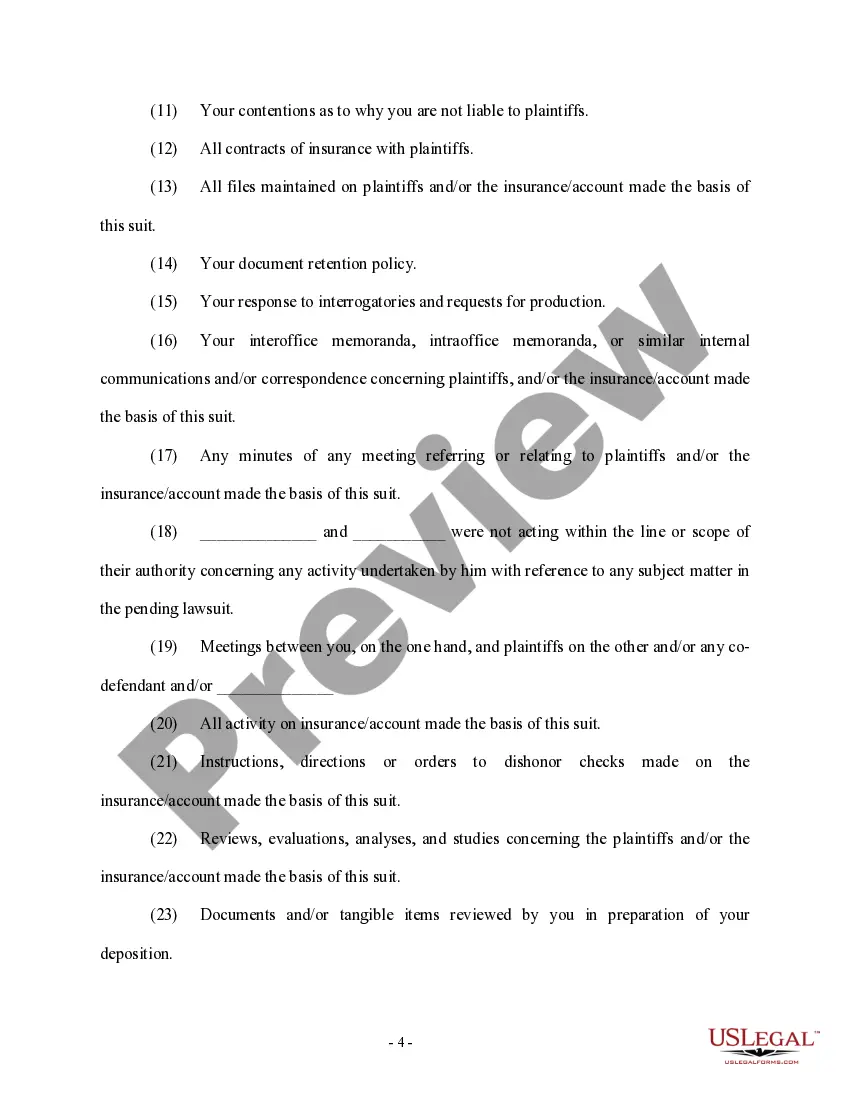
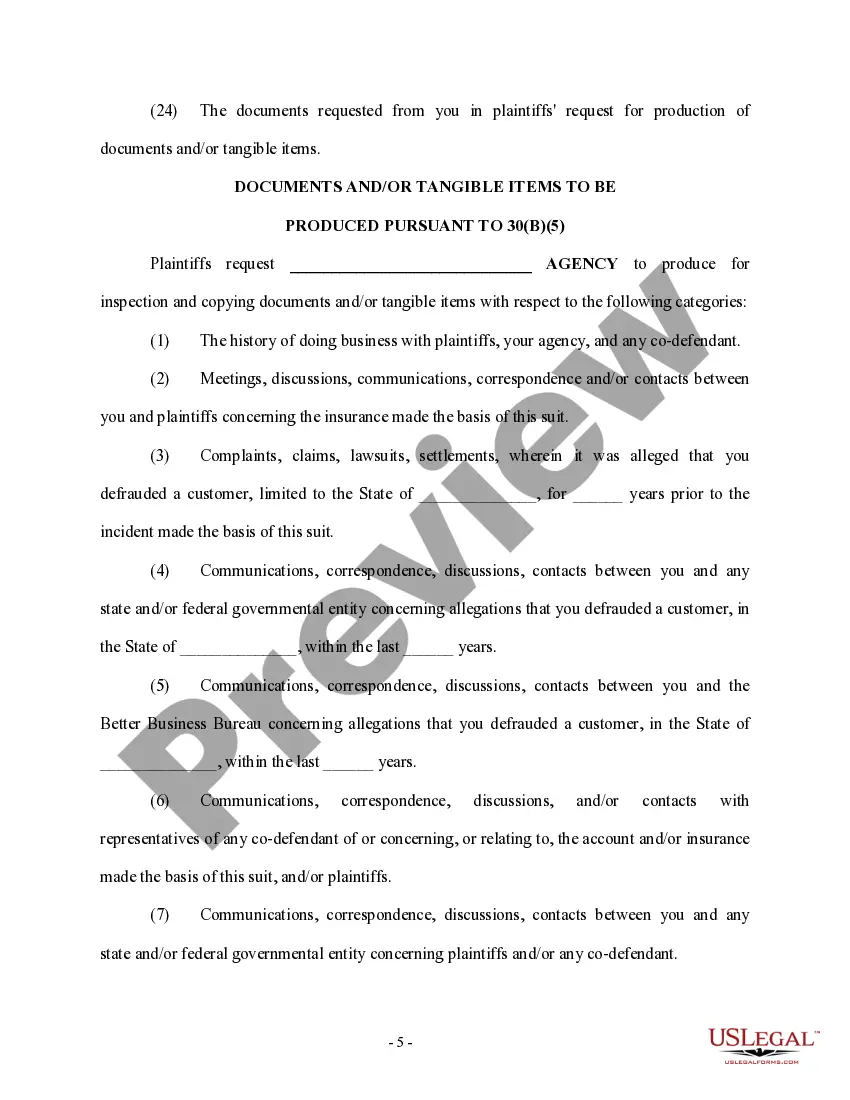
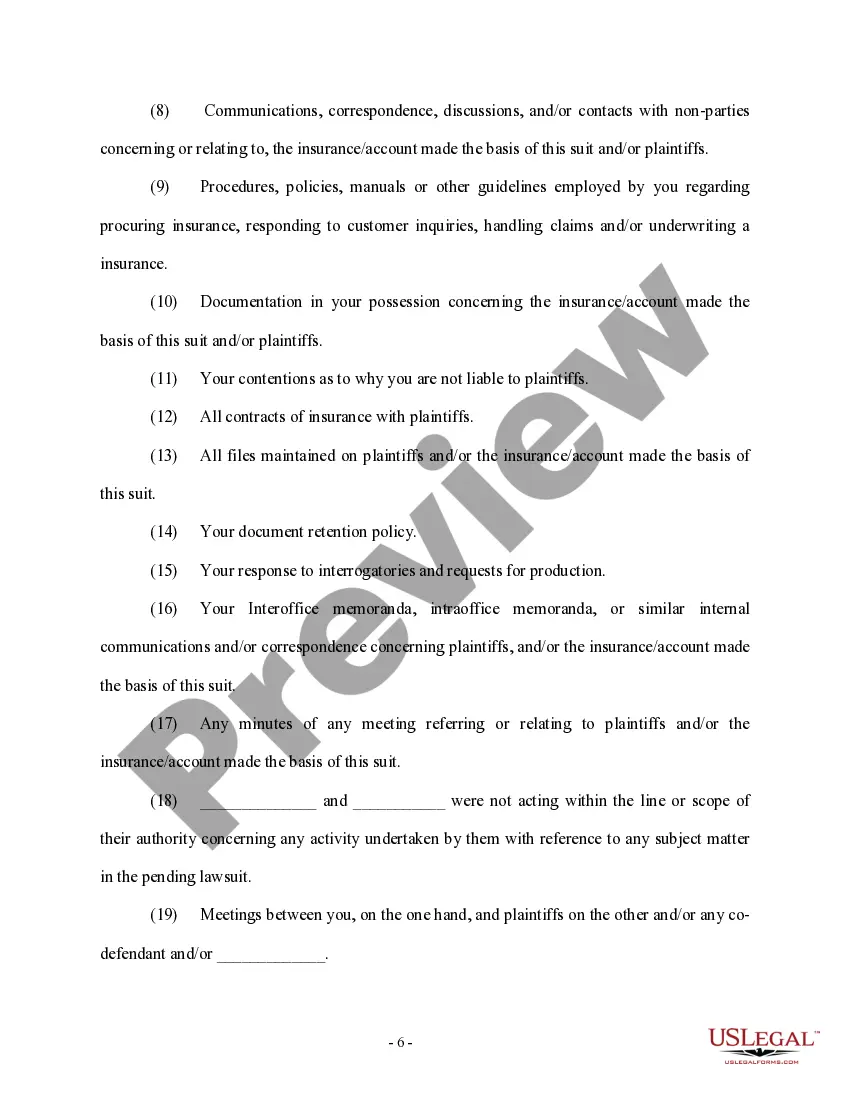
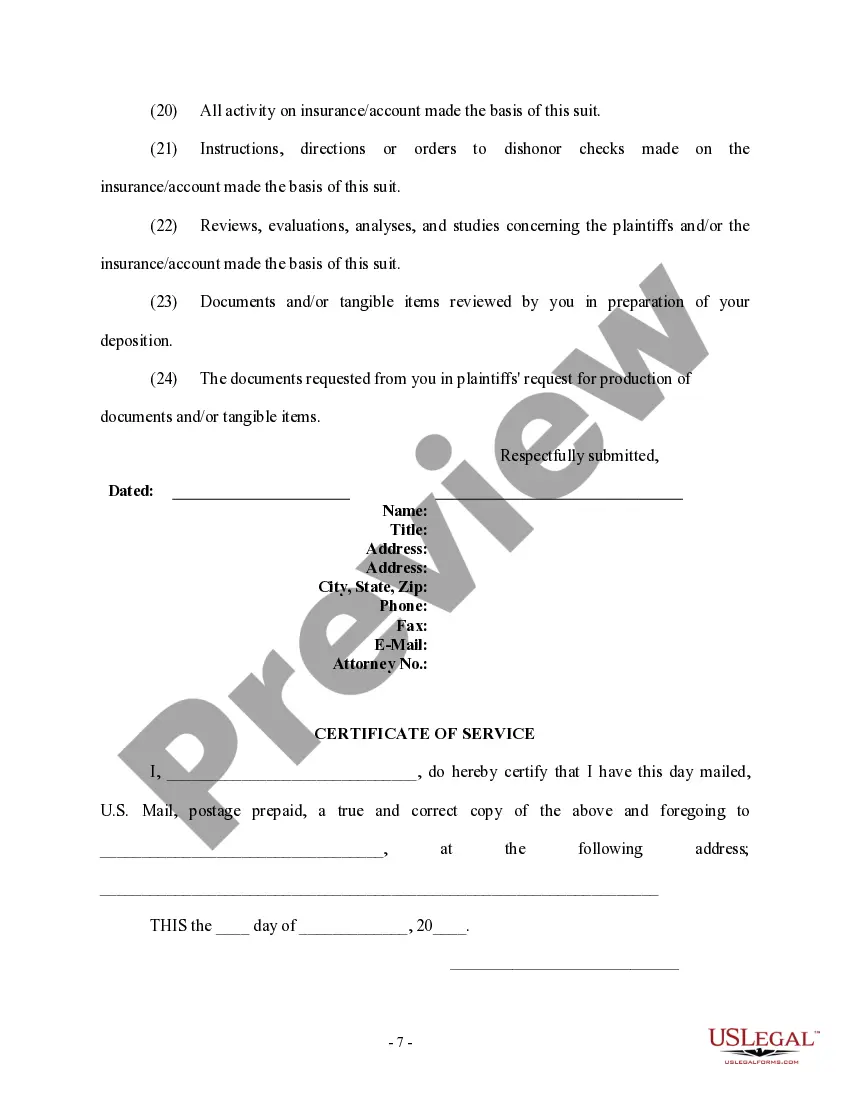
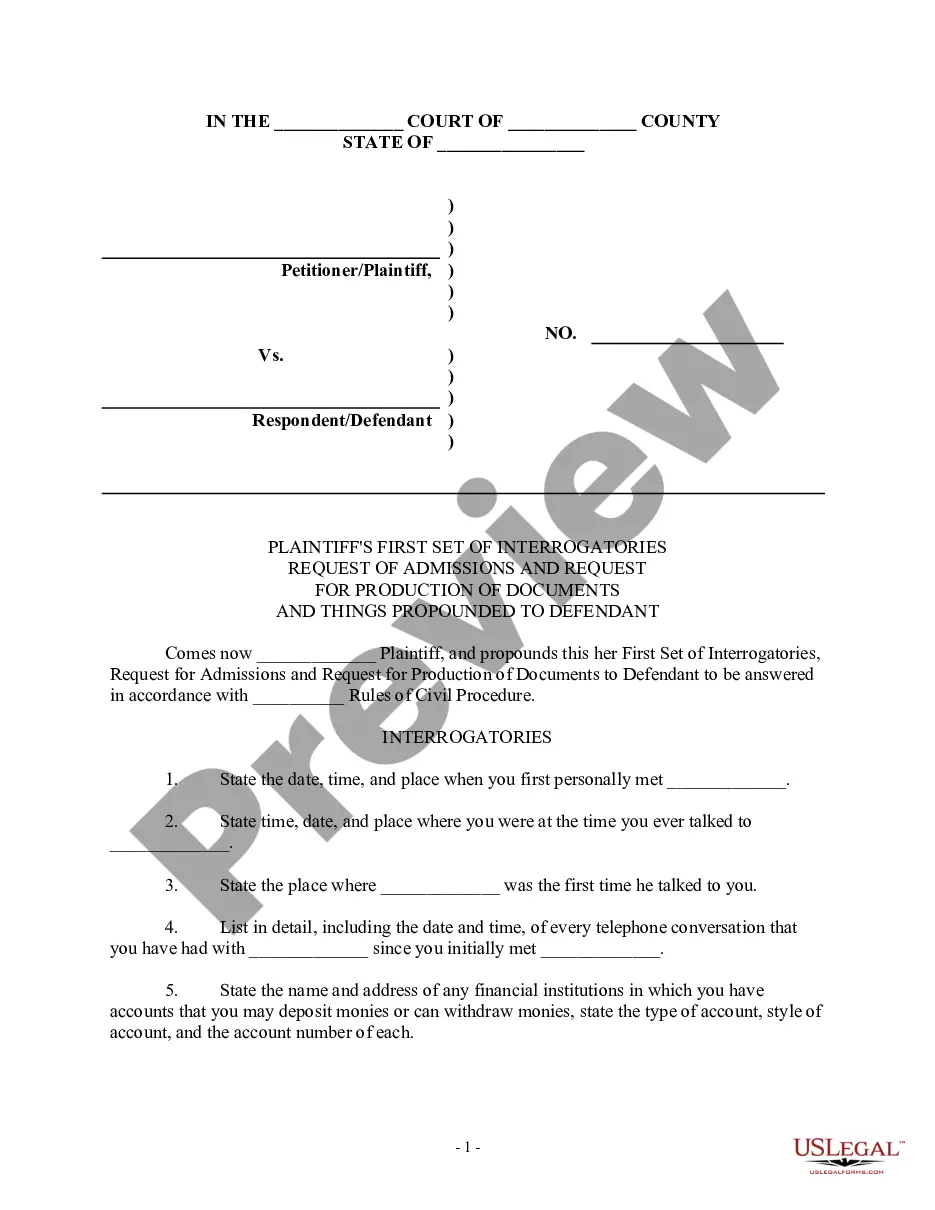
How to fill out Notice Of 30(b)(6) Deposition Of Defendant And 30(b)(5) Request For Production Of Documents And Or Things - Discovery?
Engaging with legal documents and procedures can be a laborious addition to the daily routine.
Time Constraints For 30(b)(6) Testimony and forms similar to it usually necessitate that you look for them and comprehend the optimal method to complete them accurately.
Consequently, whether you are managing financial, legal, or personal issues, utilizing a comprehensive and user-friendly online directory of forms readily available will be highly beneficial.
US Legal Forms is the premier online source of legal templates, featuring over 85,000 state-specific documents and an array of resources to assist you in completing your paperwork effortlessly.
Simply Log In to your account, find Time Constraints For 30(b)(6) Testimony, and download it immediately in the My documents section. You can also access previously downloaded forms.
- Explore the collection of relevant records accessible with just a single click.
- US Legal Forms provides you with state- and county-specific documents that can be downloaded anytime.
- Protect your document management processes with excellent support that allows you to generate any form in minutes without any extra or concealed fees.
Form popularity
FAQ
A deposition typically lasts for a maximum of seven hours, but this can depend on the complexity of the case and the specific court rules. The time limit for 30(b)(6) deposition is set to provide enough time for thorough questioning without unnecessarily prolonging the process. It is vital to focus on key issues within this timeframe. By using tools from uslegalforms, you can ensure that you make the most of your allotted time.
Rule 30(b)(6) notice of deposition is a legal procedure that allows one party to depose a corporation or other organization. This rule requires the organization to designate a person to testify on its behalf regarding specific topics. Being aware of the time limit for 30(b)(6) deposition is crucial, as it helps manage your expectations and strategy during the deposition process. Utilizing platforms like uslegalforms can streamline the notice preparation for this essential procedure.
Yes, there is a time limit for 30(b)(6) deposition. Typically, federal rules set this limit at seven hours for a deposition, but it can vary based on the jurisdiction. Understanding this time constraint is essential as it helps you prepare your case effectively. Proper planning ensures you cover all necessary topics within this time frame.
The deadline for objections to a subpoena usually falls within a 14-day period from when the subpoena is served. Adhering to this timeline is crucial, as failing to object can require you to comply with the subpoena. Understanding your rights and the specifics regarding the time limit for 30(b)(6) deposition is important in handling subpoenas effectively. US Legal Forms offers templates and guidance to help you navigate these legal challenges smoothly.
The time limit for a 30(b)(6) deposition typically aligns with the rules of civil procedure and can vary by jurisdiction. Generally, the deposition should be completed within a reasonable time frame, often within 7 hours for a single day, unless extended by agreement between the parties. It's vital to be aware of the specific time limits that apply to your case, as they directly impact your deposition strategy. To help understand these timeframes and ensure compliance, consult US Legal Forms for relevant legal documentation.
In general, you have a limited time to object to a deposition notice, typically within 14 days from receipt. This timeframe is essential for protecting your rights and preparing your case. If you miss this time limit for a 30(b)(6) deposition, you may lose your opportunity to object. To ensure you meet deadlines and properly handle objections, consider using US Legal Forms to streamline your legal processes.
The 30(b)(6) rule in Maryland allows a party to serve a deposition notice on a corporation or organization. This notice requires the entity to designate one or more representatives to testify on its behalf about matters specified in the request. Understanding the nuances of the 30(b)(6) rule can be crucial for legal proceedings. For more information on navigating these rules and the time limit for 30(b)(6) deposition, you can explore resources available on US Legal Forms.
The deadline for objections to a 30(b)(6) deposition notice typically falls within a certain timeframe after receiving the notice, usually seven days unless otherwise specified. This deadline is crucial; raising timely objections can significantly affect the outcomes of the deposition process. By managing your deadlines effectively, you can preserve your rights during the deposition. US Legal Forms offers guidance on navigating these timelines and making informed decisions.
The time limit for a 30(b)(6) deposition is generally set at seven hours within a single day. However, the court can extend this time period based on the complexity of the topics presented. Understanding this time limit for a 30(b)(6) deposition helps all parties prepare adequately, ensuring that the deposition is both efficient and effective. Utilizing platforms like US Legal Forms can assist in clarifying these rules for you.
Yes, there is a limit on the number and breadth of topics for a 30(b)(6) deposition. Typically, the requesting party should outline specific topics that are relevant to the case. It's important to ensure that these topics are reasonable and not overly broad. By doing this, you can effectively manage the time limit for the 30(b)(6) deposition while maintaining the integrity of the information obtained.