30(b)(6) Rule
Description
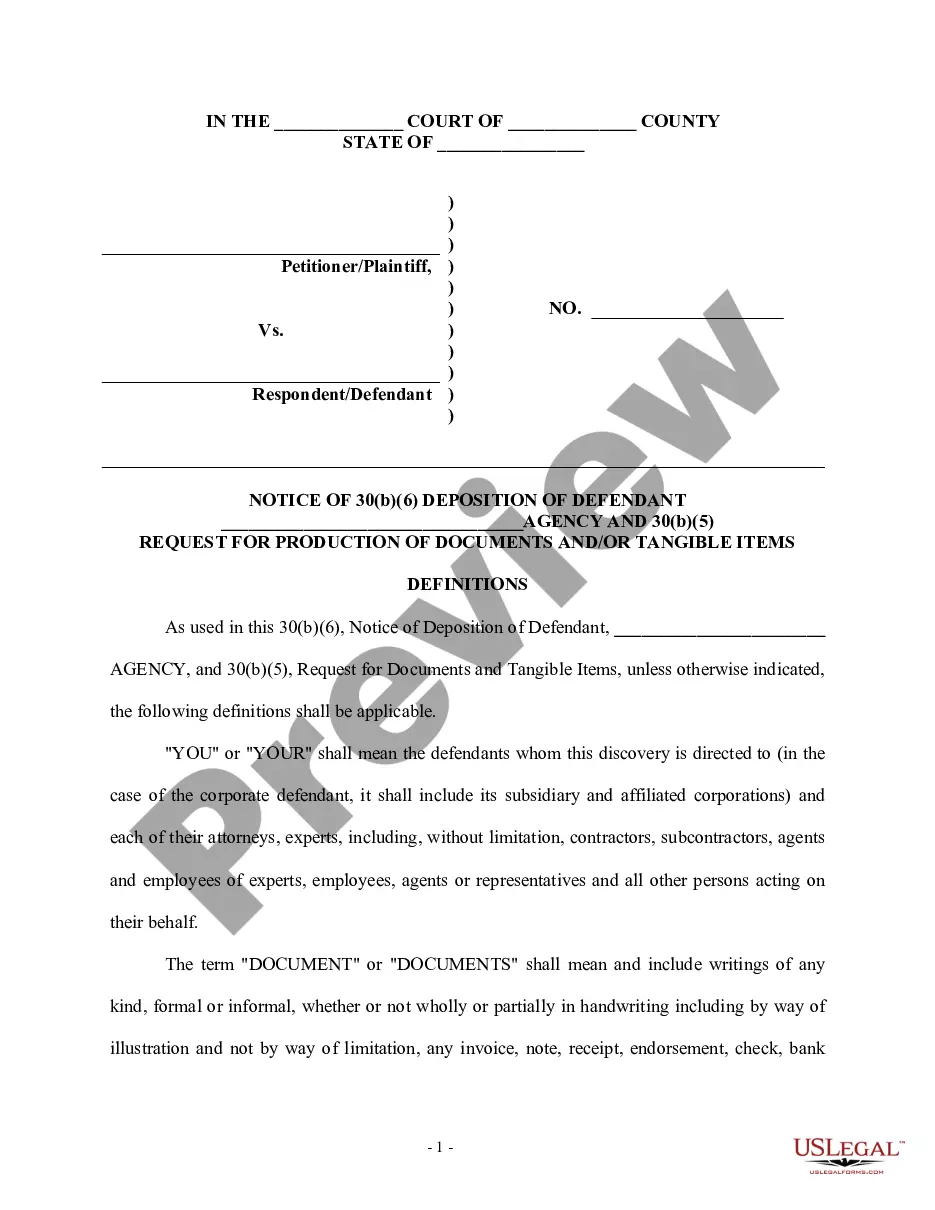
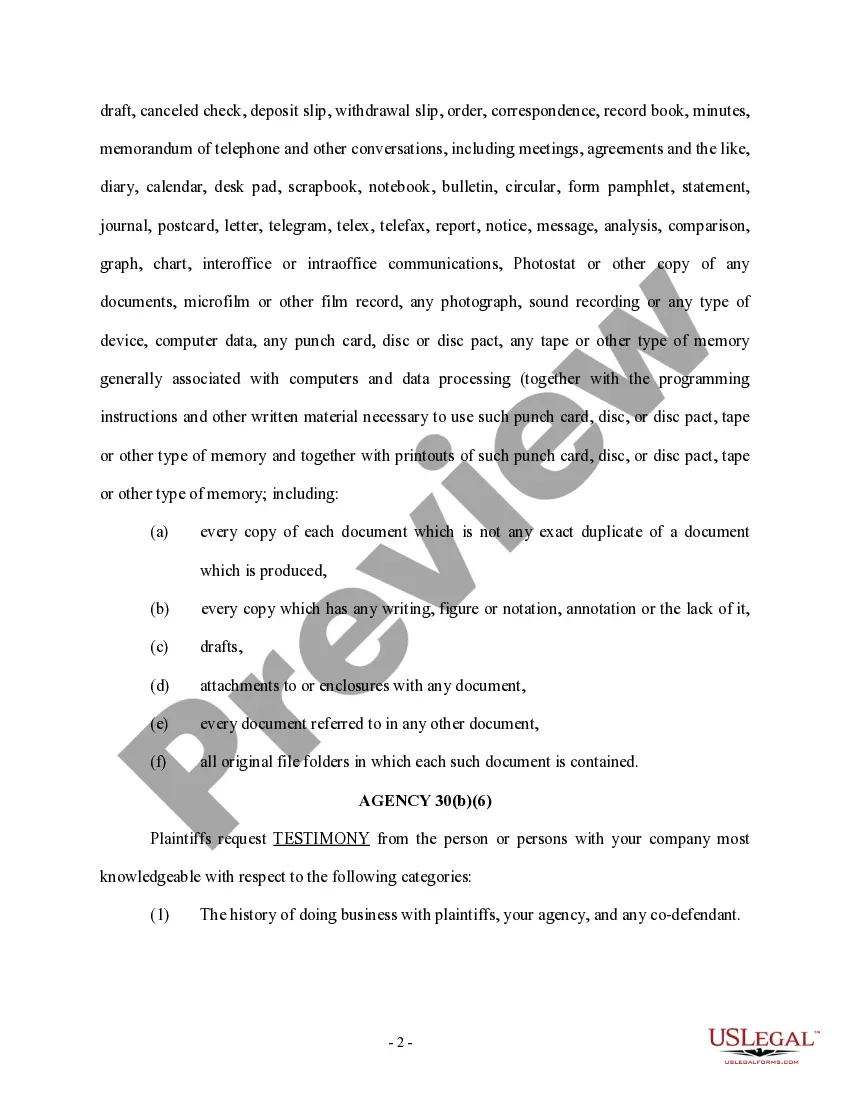
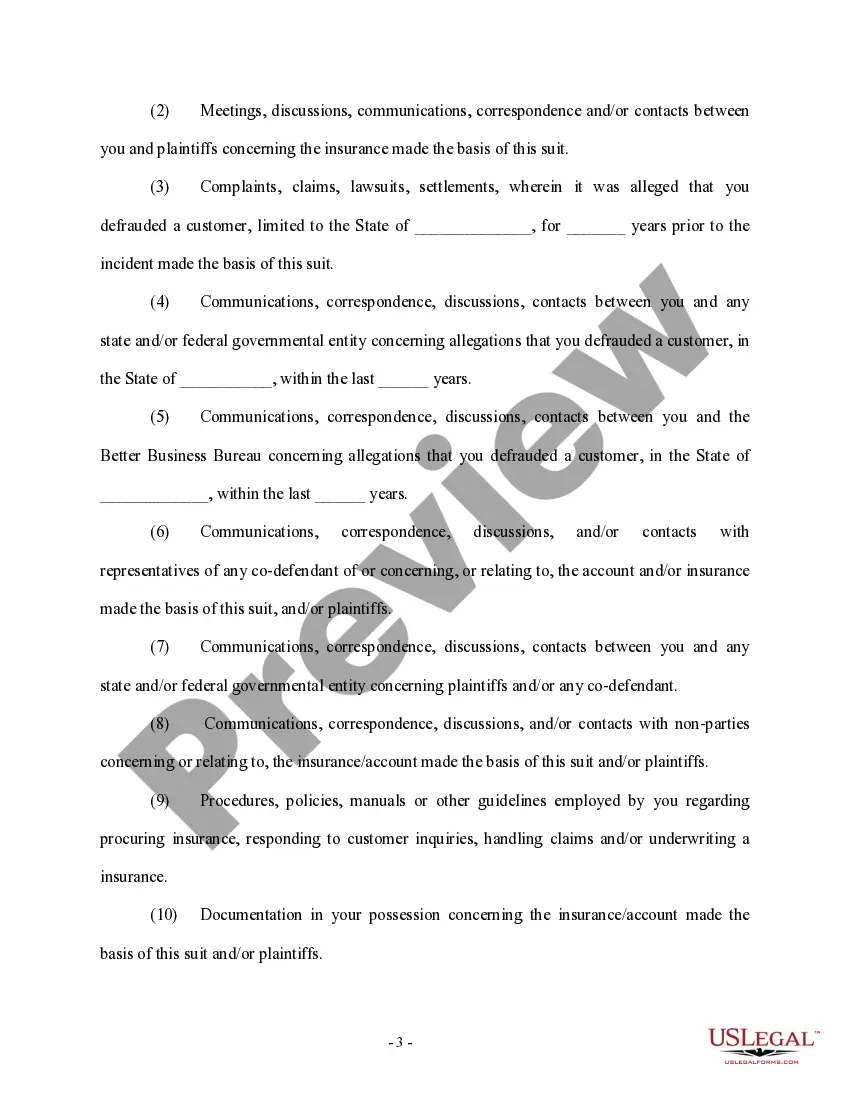
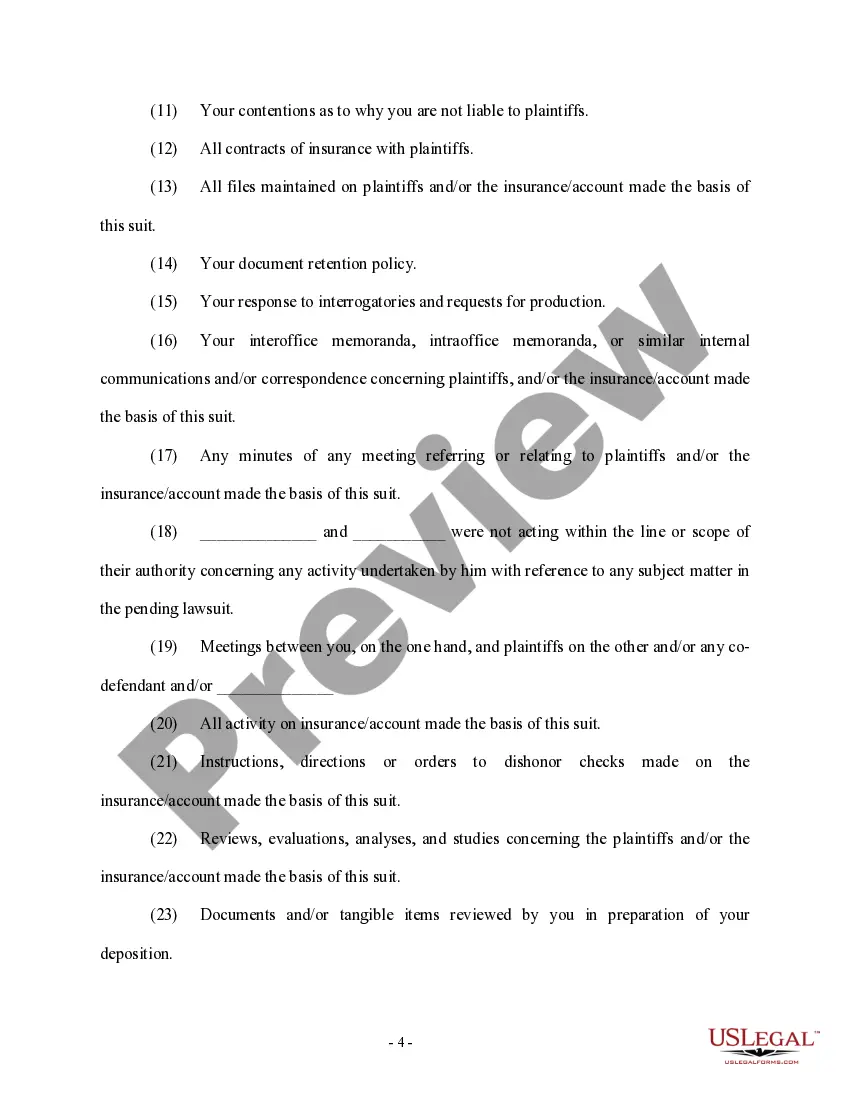
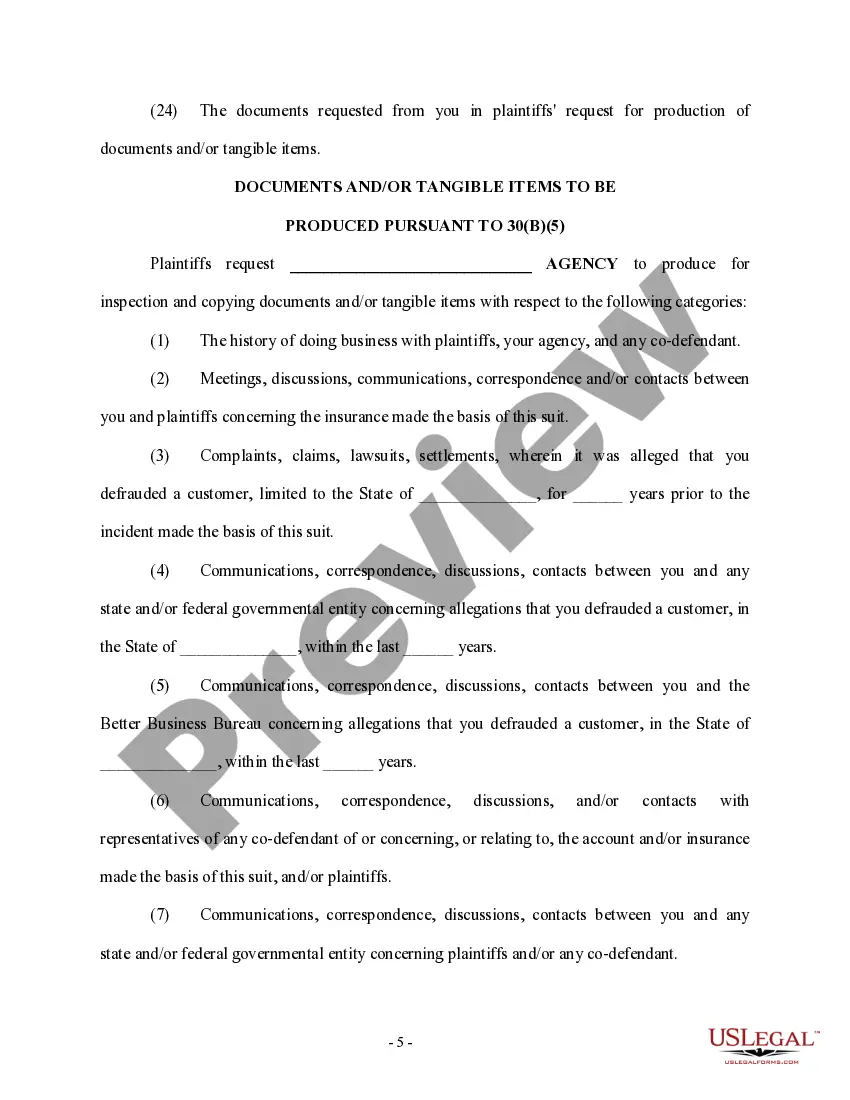
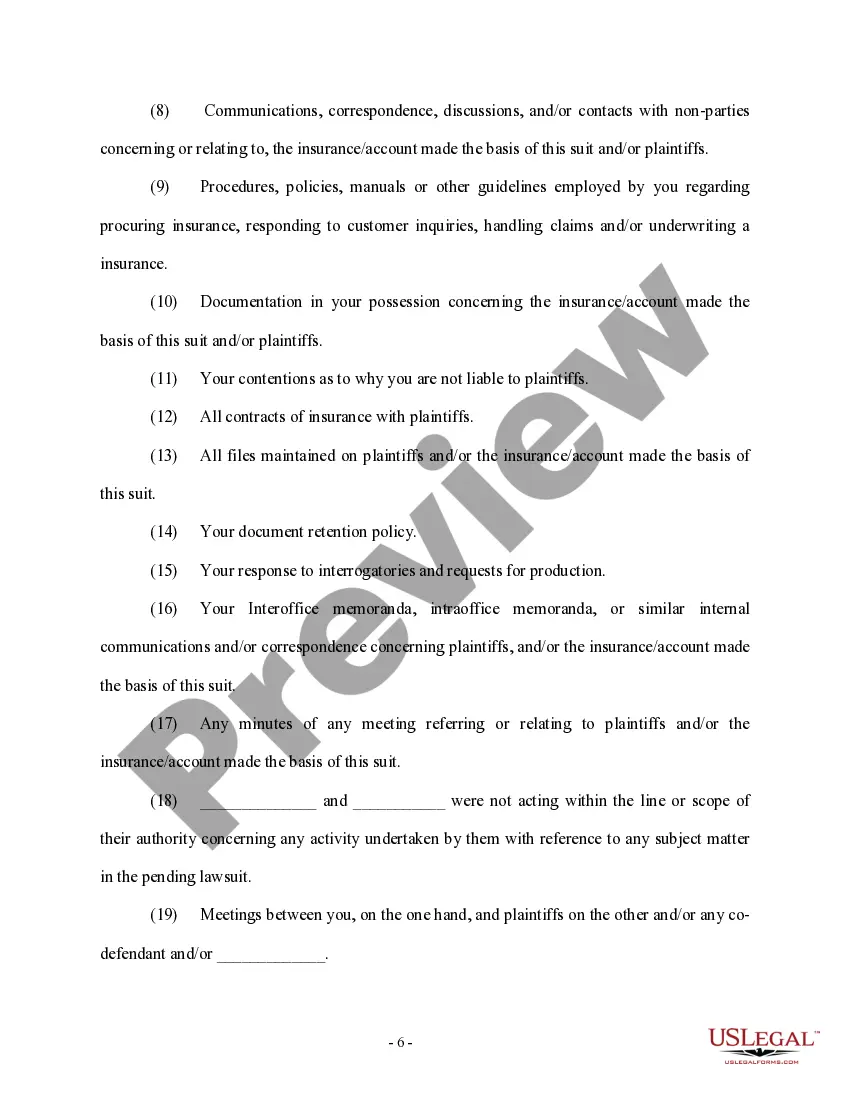
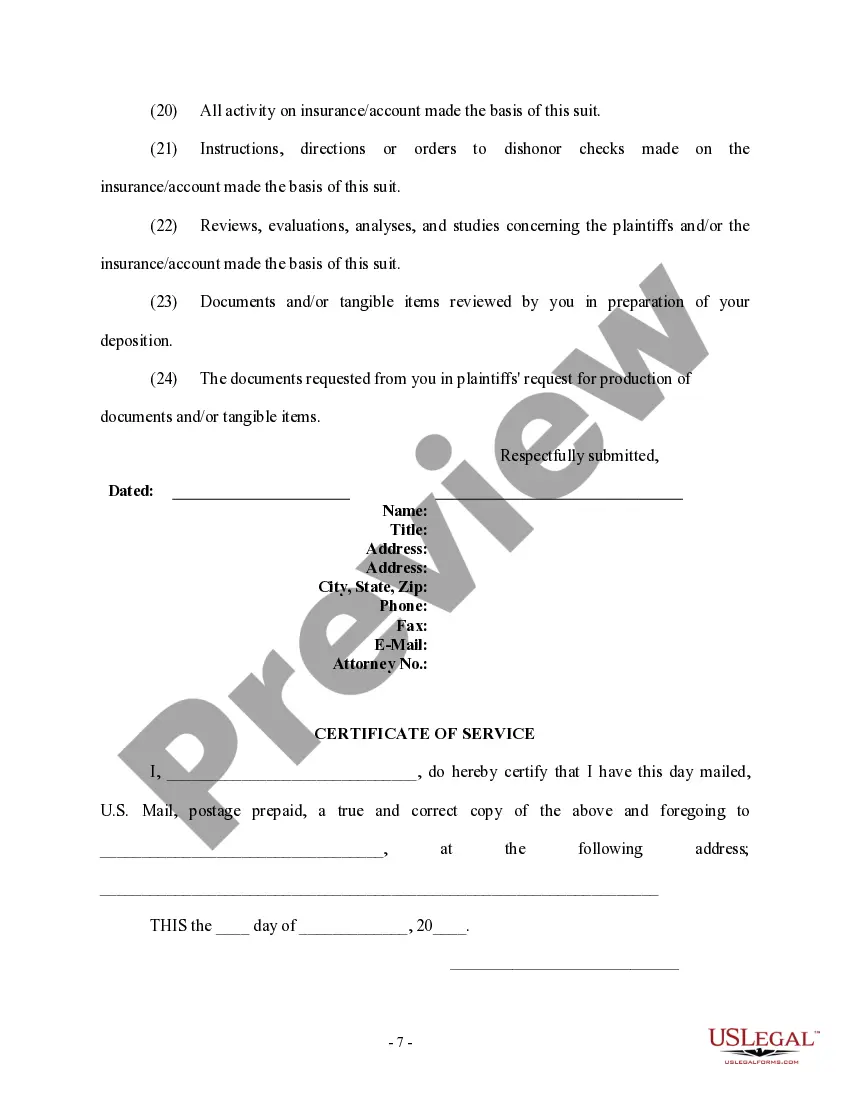
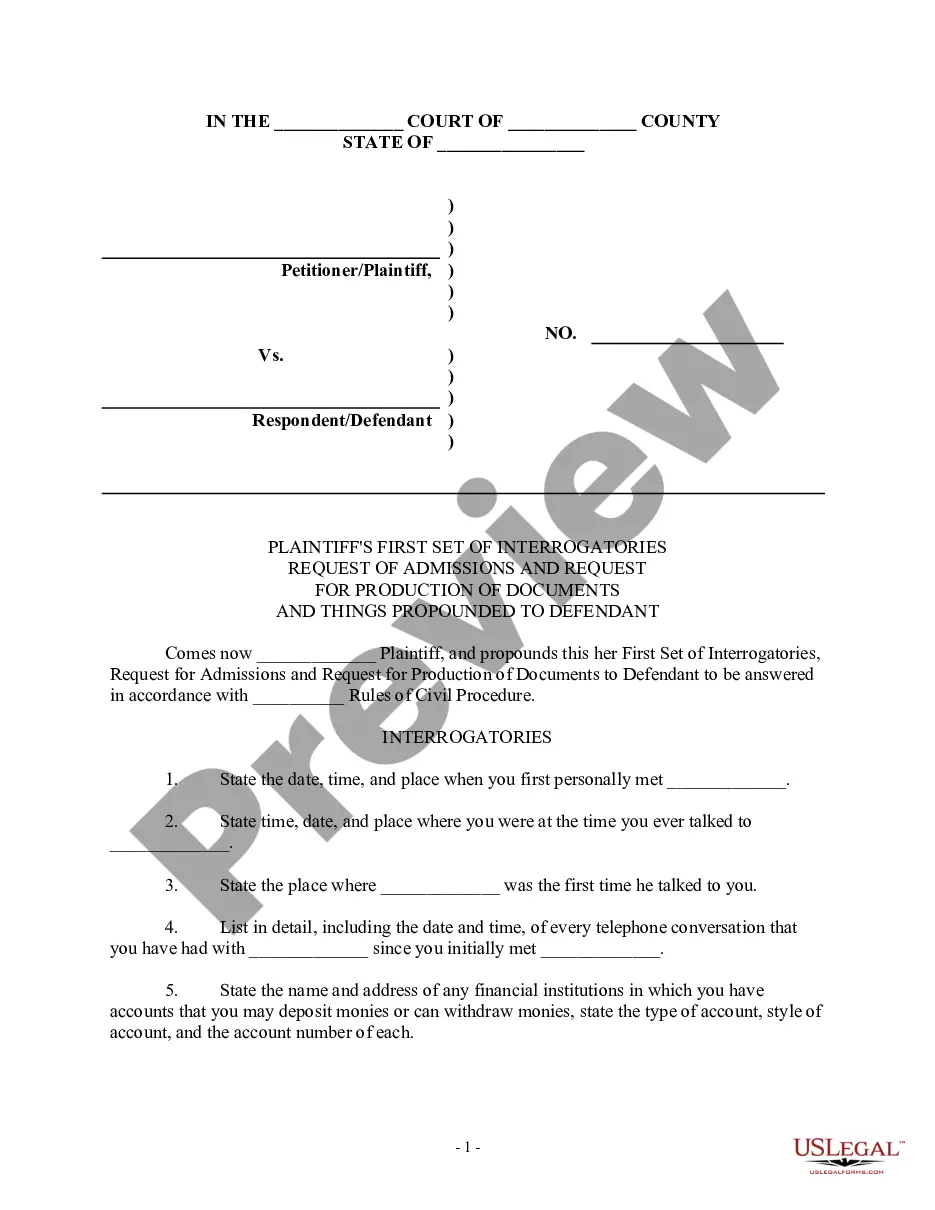
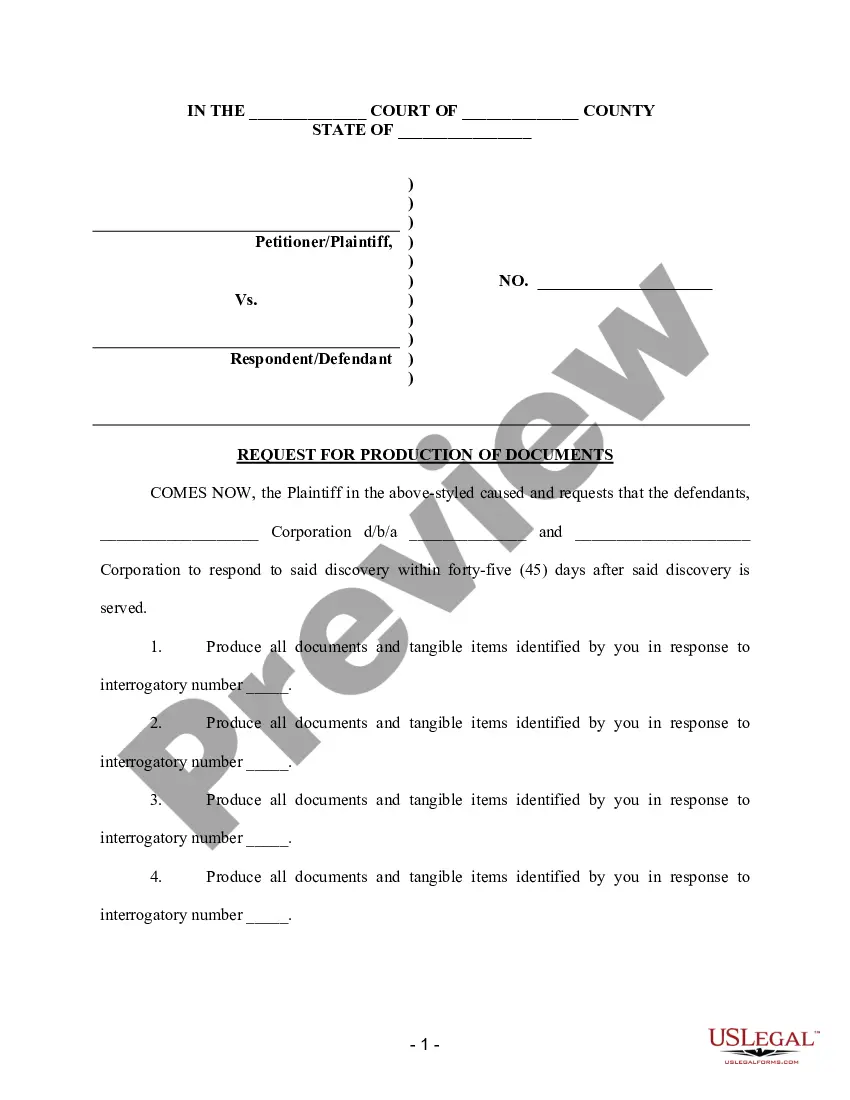
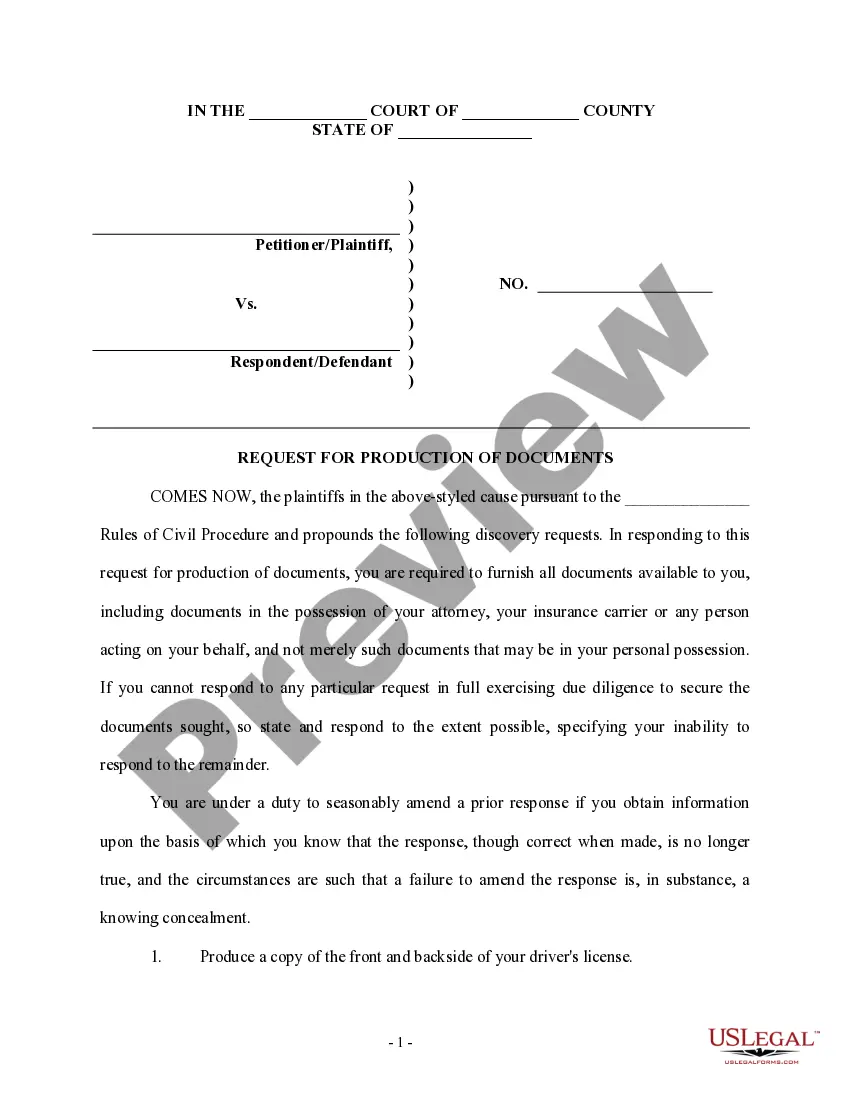

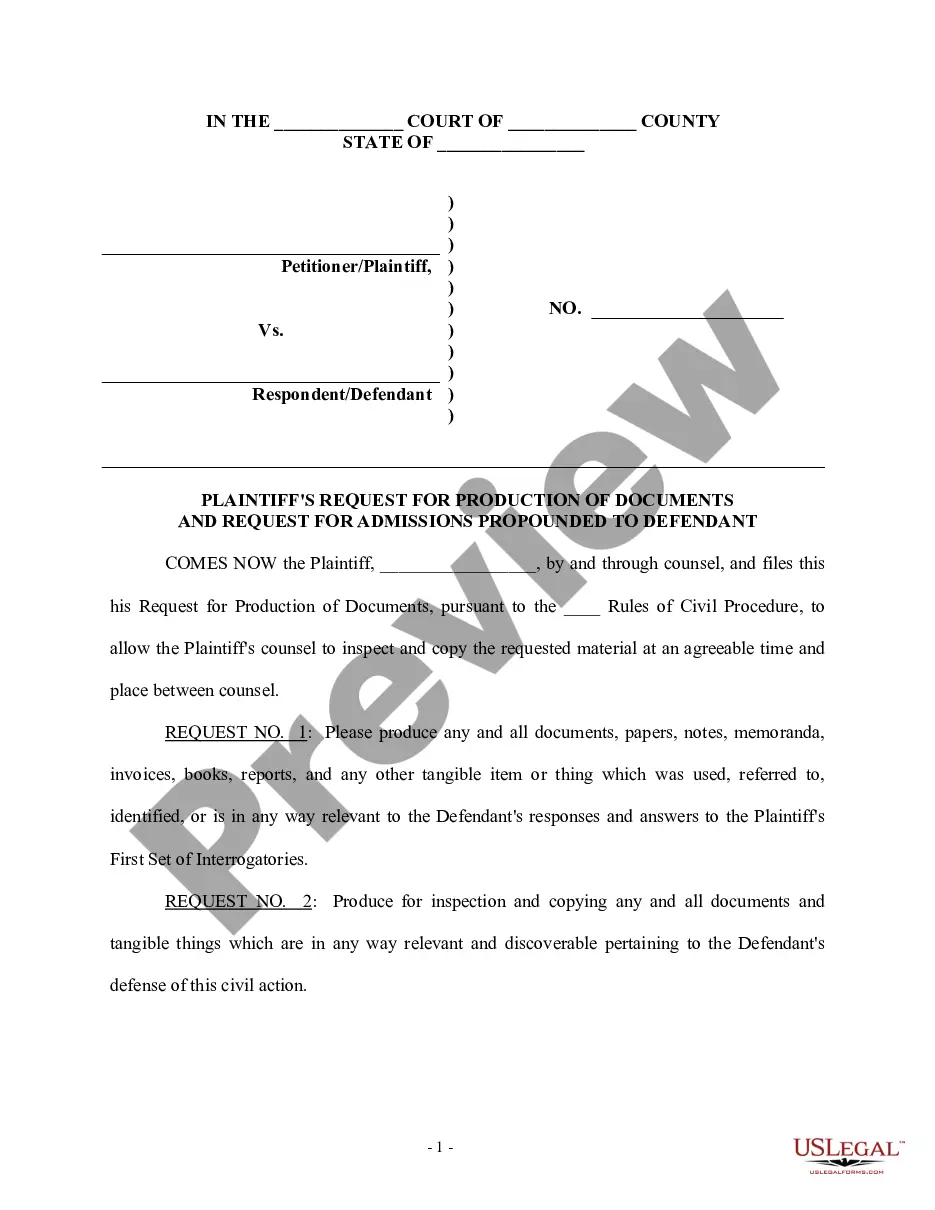
How to fill out Notice Of 30(b)(6) Deposition Of Defendant And 30(b)(5) Request For Production Of Documents And Or Things - Discovery?
It’s clear that you cannot become a legal specialist in a single day, nor can you learn how to swiftly construct a 30(b)(6) Rule without a particular set of expertise.
Drafting legal documents is a lengthy endeavor that demands specific training and abilities.
So why not entrust the development of the 30(b)(6) Rule to the experts.
You can revisit your documents from the My documents section at any moment. If you’re a current client, you can simply Log In, and find and download the template from the same section.
Regardless of the purpose of your documentation—whether it’s for financial, legal, or personal matters—our website is here to assist you. Give US Legal Forms a try today!
- Utilize the search bar at the top of the site to find the document you require.
- View it (if this feature is available) and examine the accompanying description to determine if the 30(b)(6) Rule meets your needs.
- Restart your search if you require another template.
- Create a free account and select a subscription plan to purchase the template.
- Click Buy now. After the payment is processed, you can obtain the 30(b)(6) Rule, fill it out, print it, and send or deliver it to the appropriate individuals or organizations.
Form popularity
FAQ
The purpose of a 30(b)(6) deposition is to gather information from an organization's designated representative regarding specific topics outlined in the notice. This type of deposition aims to clarify the organization's position, actions, and knowledge relevant to the case. By using the 30(b)(6) rule, parties can ensure they receive thorough and concentrated testimony necessary for their case. Additionally, platforms like USLegalForms can assist you in navigating the complexities of preparing for a 30(b)(6) deposition.
The 30(b)(6) rule is a legal provision that allows a party in a lawsuit to obtain testimony from an organization, rather than just individuals. This rule requires the organization to designate one or more representatives to speak on its behalf during a deposition. Therefore, these representatives must be well-versed in the relevant topics and capable of providing accurate and comprehensive information. This process enhances the quality of information exchanged during legal proceedings.
A valid 30(b)(6) notice must clearly set forth the areas of inquiry from which the designee will draw information. The organization must designate someone who understands the topics specified in the notice, as this representative will answer on behalf of the company. It is also important that the notice provides sufficient detail to prepare for the deposition. Adhering to these requirements promotes a smooth and efficient examination process.
A 30(b)(6) designee is a representative of the corporation who is chosen to testify on specific topics outlined in the notice. This individual should be knowledgeable about the designated matters and be prepared to speak on behalf of the organization. Under the 30(b)(6) rule, the corporation must ensure that the chosen designee is adequately trained to provide comprehensive and truthful responses. Selecting the right designee is crucial for an effective deposition process.
Responding to a 30(b)(6) notice requires careful attention to the topics outlined in the notice. Your organization should designate a knowledgeable witness to address those areas. This process ensures compliance with the 30(b)(6) rule, ultimately helping to avoid misunderstandings or legal complications.
The 30(b)(6) rule requires organizations to designate individuals who can speak on behalf of the company regarding specified topics. These witnesses must possess the necessary knowledge to adequately respond to inquiries posed during depositions. Compliance with this rule ensures that all relevant information is accessible and verified.
The time limit for a 30(b)(6) deposition generally adheres to the same rules as standard depositions, typically lasting around seven hours. However, the specifics can vary depending on the jurisdiction and any agreements between parties. Always consult legal guidelines to ensure compliance with the applicable 30(b)(6) rule.
Preparing a 30(b)(6) witness involves thorough communication and understanding of the topics at hand. Begin by reviewing relevant documents and identifying key issues related to the case. It's also essential to conduct mock depositions to help the witness familiarize themselves with the process and the potential questions they may face.
The deadline to respond to a 30(b)(6) notice generally follows the timelines established by the court or state rules, typically allowing a reasonable period for compliance. It's important to respond within the specified timeline to avoid any legal complications or potential default judgments. Understanding these deadlines is crucial for effective legal strategy. Services like UsLegalForms can provide guidance on response times and procedures.
A rule 30(b)(6) notice is a formal notification that outlines the topics for a deposition under the 30(b)(6) rule. This notice requires the designated corporate representative to provide testimony on these specified subjects. It's crucial to ensure that the notice is comprehensive and clear to avoid confusion during the deposition. UsLegalForms can help in crafting precise notices to meet your needs.